
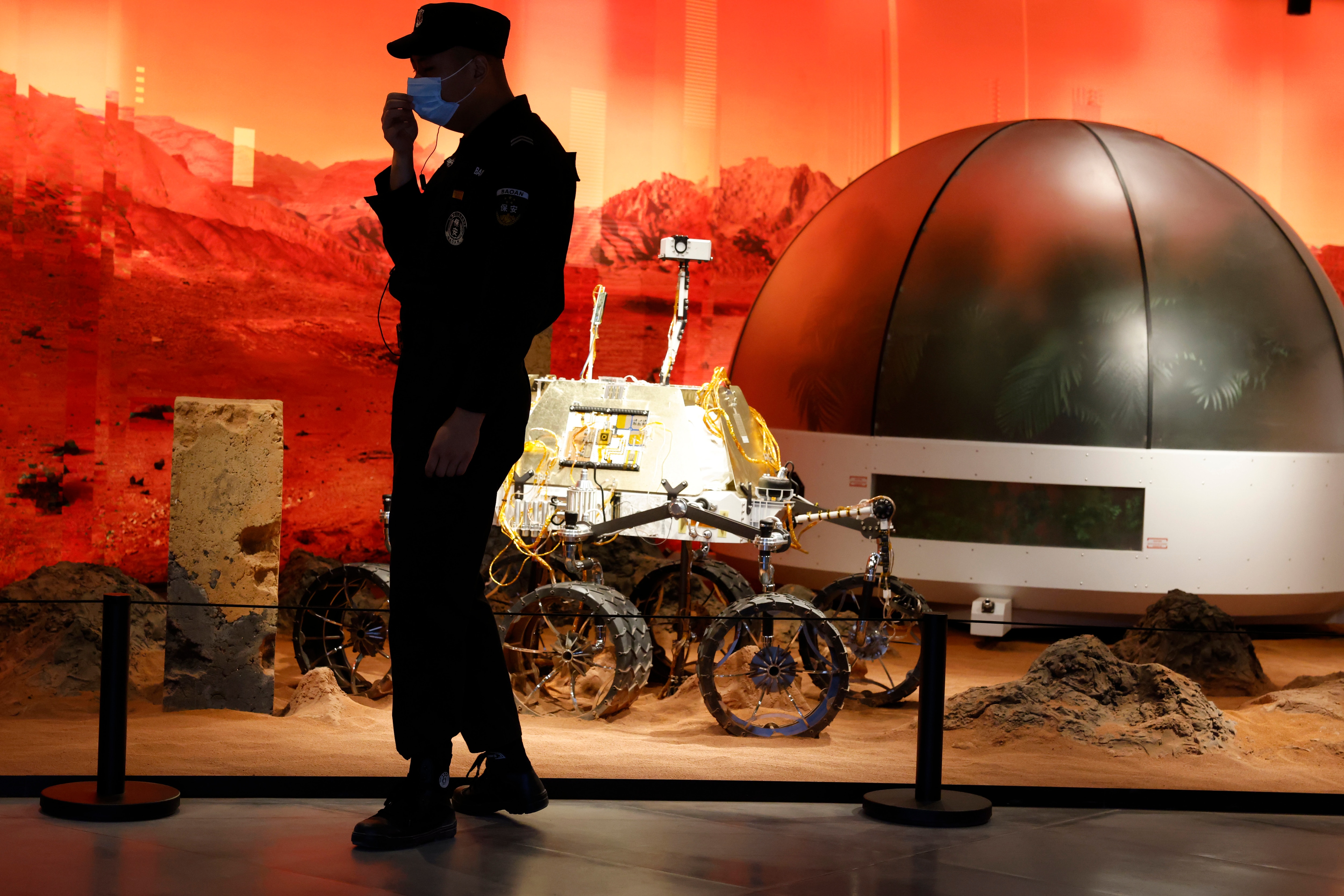
An unmanned spacecraft blasted off Thursday on a yearlong journey to Mars. The Tianwen-1, which translates into “Questions to Heaven,” is expected to reach the Red Planet by February.

There are 20 mil hectares of planted oil palm in the world, and 12.5 mil hectares of coconut. But coconut palms are mostly grown on tropical islands, many of which possess species found nowhere else on Earth.

The sequencing of the human genome was one of the greatest scientific feats of the past century. Now for the first time scientists fully sequenced the human X chromosome.

By the 2060s there'll be maybe another two billion people on Earth. Just a few decades later, numbers will drop as fertility rates decline and nations like Japan and Italy lose as much as half of their population.

The specific objective of Neuralink is to develop ultra-high bandwidth brain-machine interfaces to connect humans and computers. Practically, this materializes as a chip that is implanted into the brain.

The world’s largest urban rooftop farm in Paris has started to bear fruit. Rooftop farming is a clean, productive and sustainable model of agriculture that can in time make a real contribution.

The pandemic is impacting yet another part of the U.S.' world: recycling programs. Since people have become more cautious about person-to-person transfer of COVID-19, single-use items are increasing.

An investigational vaccine, mRNA-1273, designed to protect against SARS-CoV-2, the virus that causes coronavirus disease 2019 (COVID-19), was generally well tolerated and prompted antibody activity.
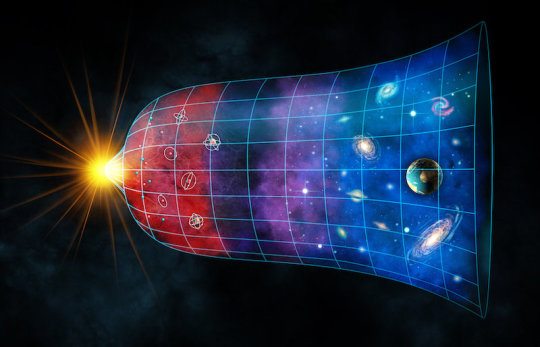
Recently scientists suggested that have suggested the universe may be hundreds of millions of years younger. However a new observations suggest the universe is still about 13.8 billion years old.
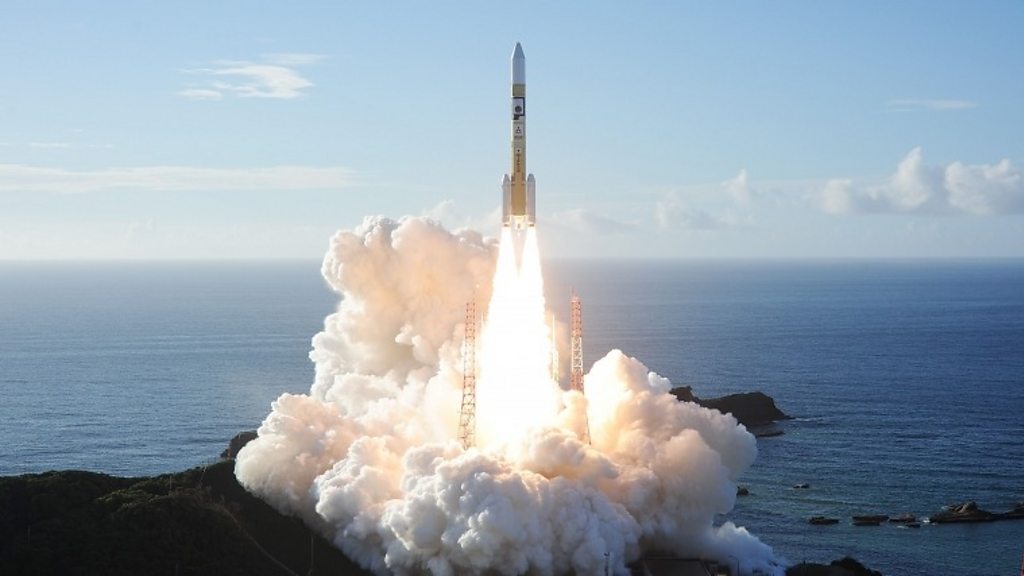
The Hope orbiter will arrive in February 2021 to begin a two-year survey of the weather on the red planet. For Emirati scientists the mission represents a new chapter in the history of scientific discovery.

Hundreds of scientists from about 30 institutions worldwide have published the largest-ever 3D map of the Universe, the result of an analysis of more than 4 million galaxies and ultra-bright, energy-packed quasars.

Four of these strange objects have been detected and an international team of astronomers has nicknamed them ORCs - short for "Odd Radio Circles". All four are only visible in radio wavelengths.

The world's first commercial liquid air battery project, CryoBattery, planned for Trafford, Greater Manchester will help UK to make the most of the energy generated from its world-class solar and wind sectors.

When Hurricane Maria destroyed Dominica in 2017, the devastation spurred an ambitious goal to fully adapt to climate change. Today, people are rebuilding with the knowledge that climate change could mean a future of storms.

The City of Sydney in Australia is powering all its operations with 100 percent renewable electricity generated from wind and solar farms in the New South Wales (NSW) region.


