
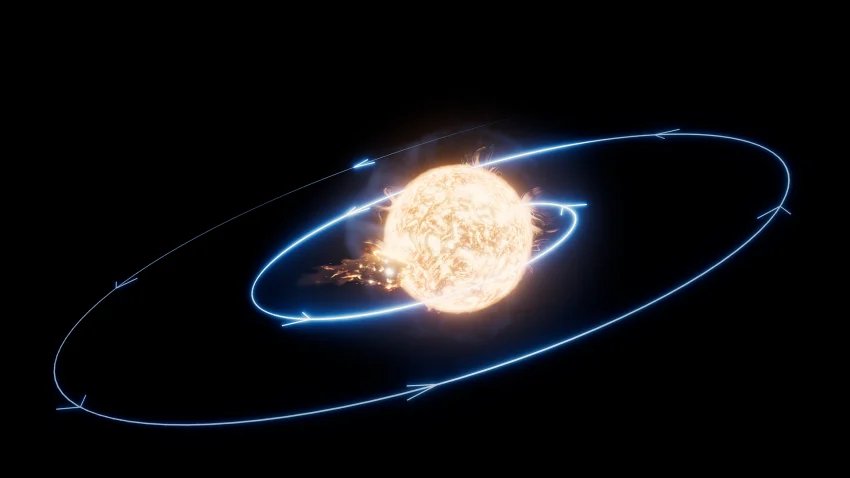
New research suggests that some unusual characteristics of the Sun may be explained if it swallowed a large planet sometime during the Solar System’s formation.
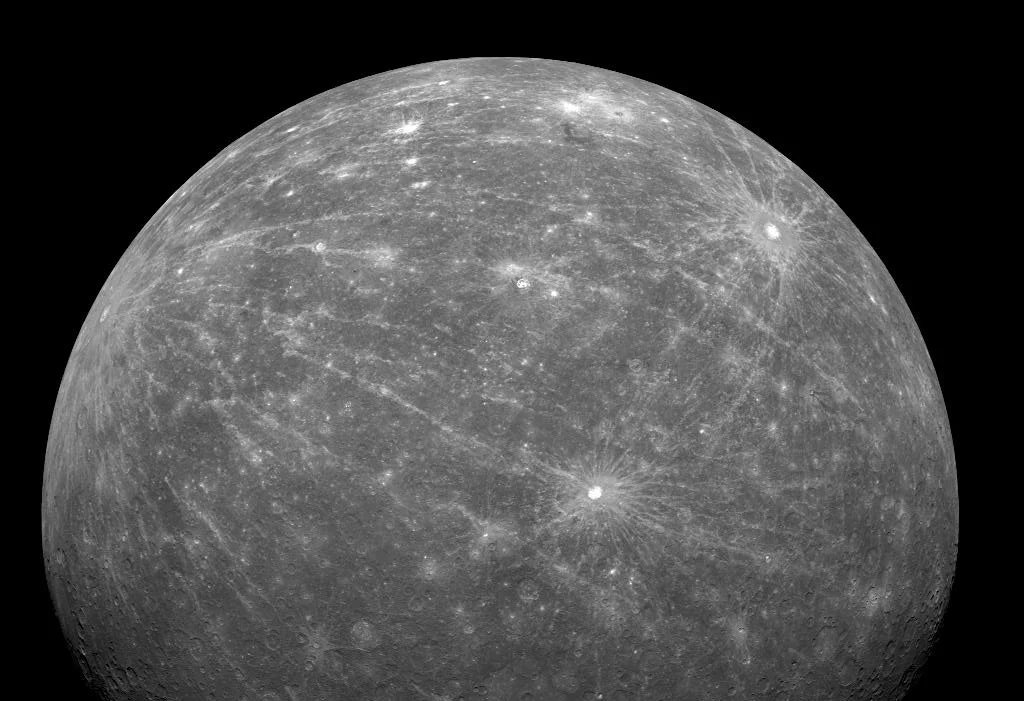
According to a new study, Mercury's surface has been shrinking 10% to 30% (up to 23 km) faster than previously thought.
The simulations show that the Little Red Dots are black holes growing at a rate that would be impossible today thanks to the conditions in the early Universe.
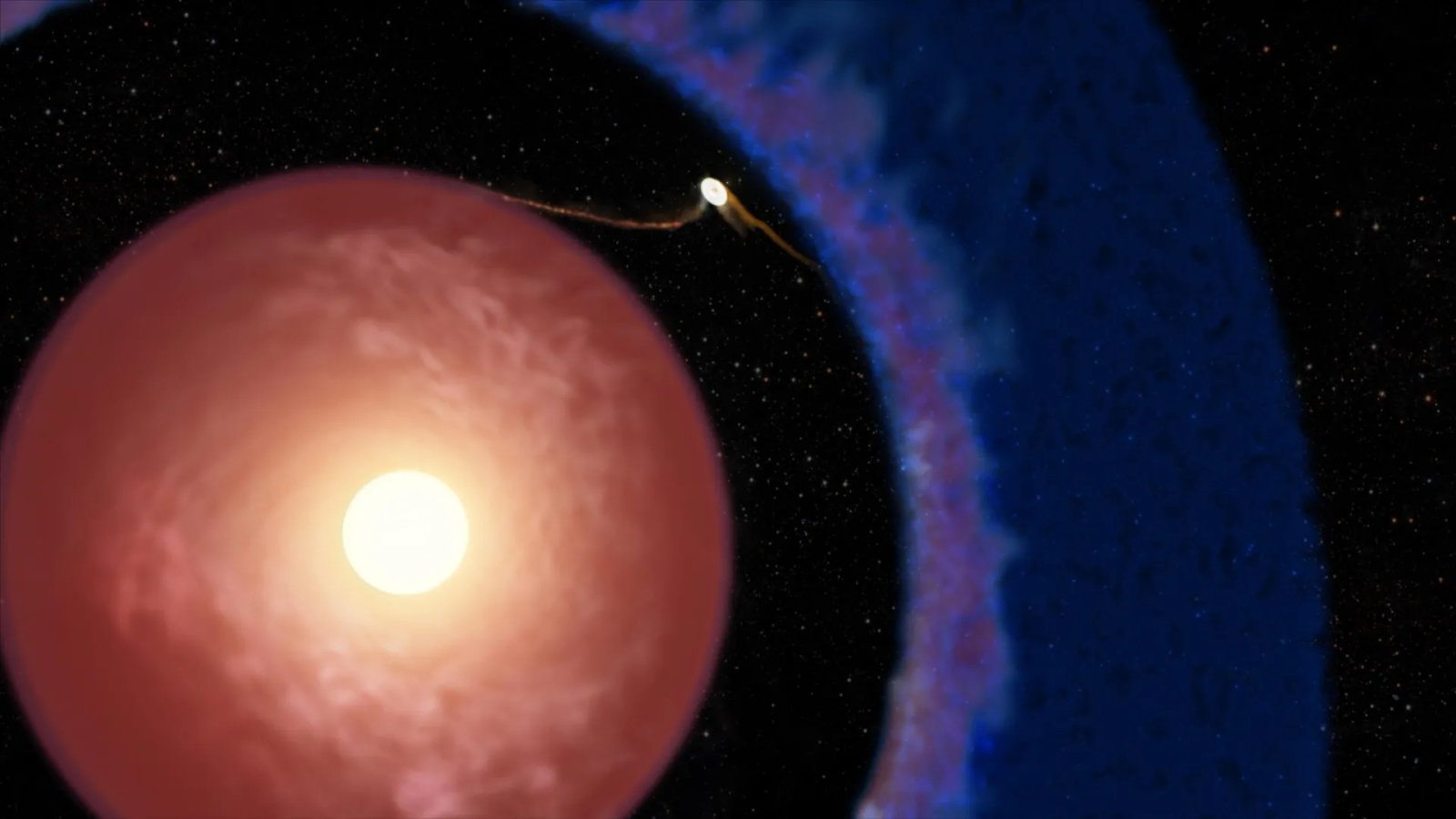
Astronomers have confirmed a Jupiter-size planet less than a million years old, making Elias 2-24 b the youngest known planet.
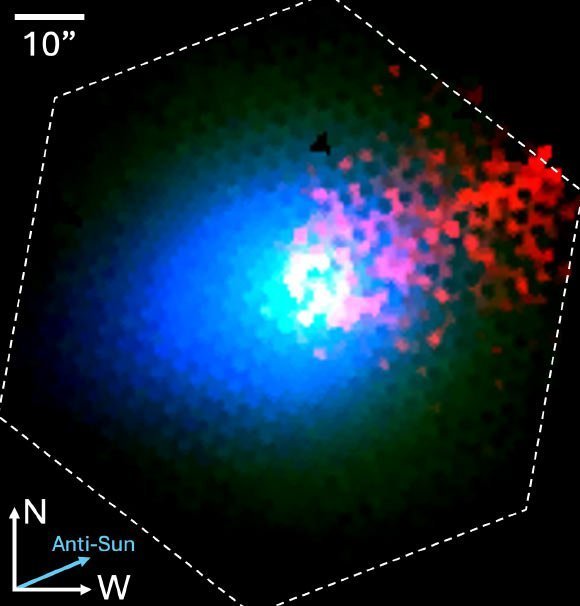
Astronomers have found new evidence that 3I/ATLAS, only the third confirmed interstellar object ever detected entering the Solar System from beyond, formed in an extremely cold environment far from any star.
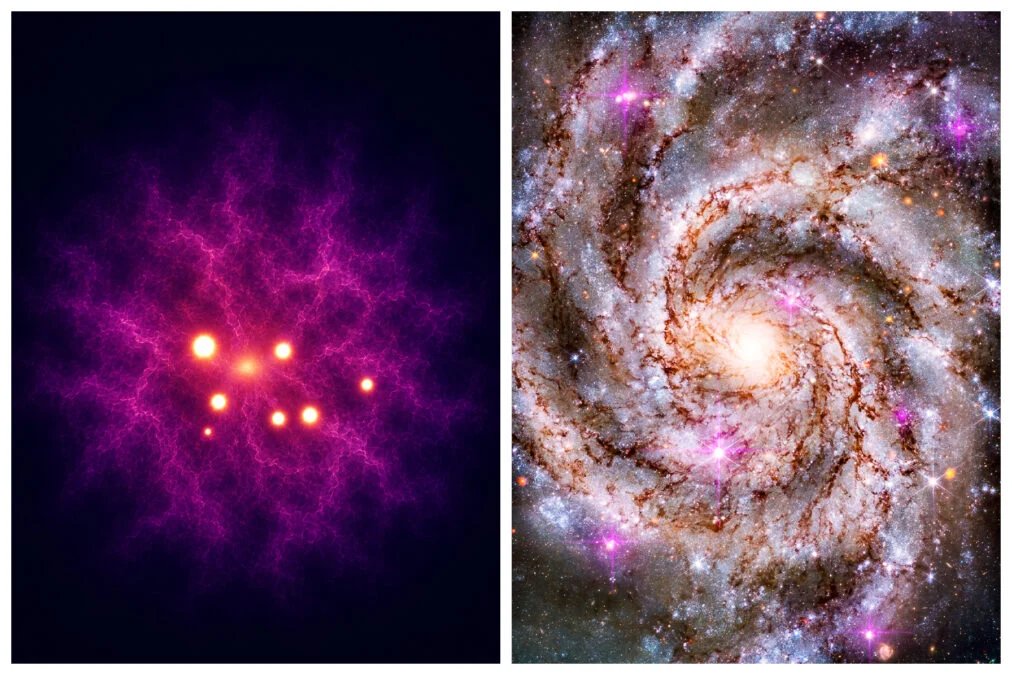
The researchers named them hypersoft X-ray sources. The team found between 7 and 21 sources in each of six galaxies, including Andromeda and M101.
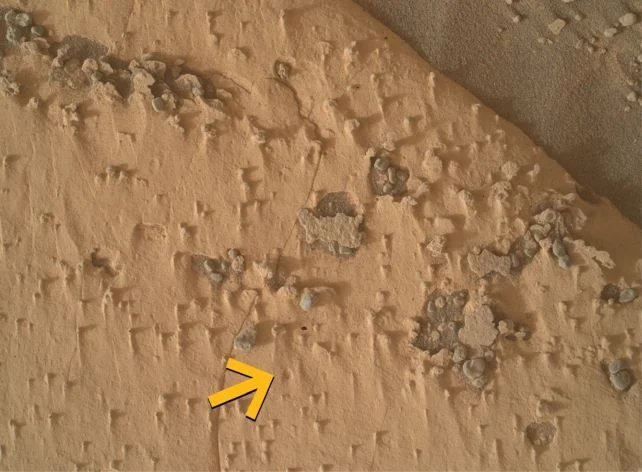
Holes and pitted ground on Mars are nothing new. But the new holes Curiosity has found - tiny, shallow divots in the ground – are unlike anything seen before on Mars.
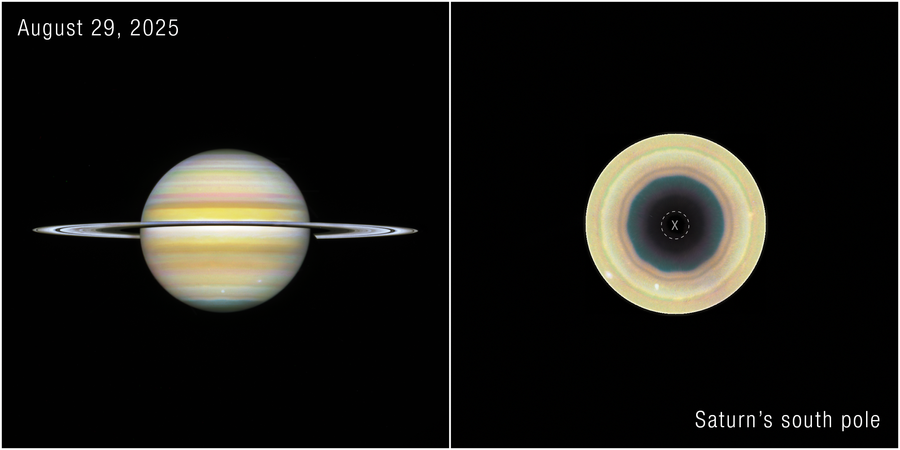
Recent observations with NASA’s Hubble Space Telescope have revealed a giant, evolving, 10-sided atmospheric wave encircling Saturn's south pole.
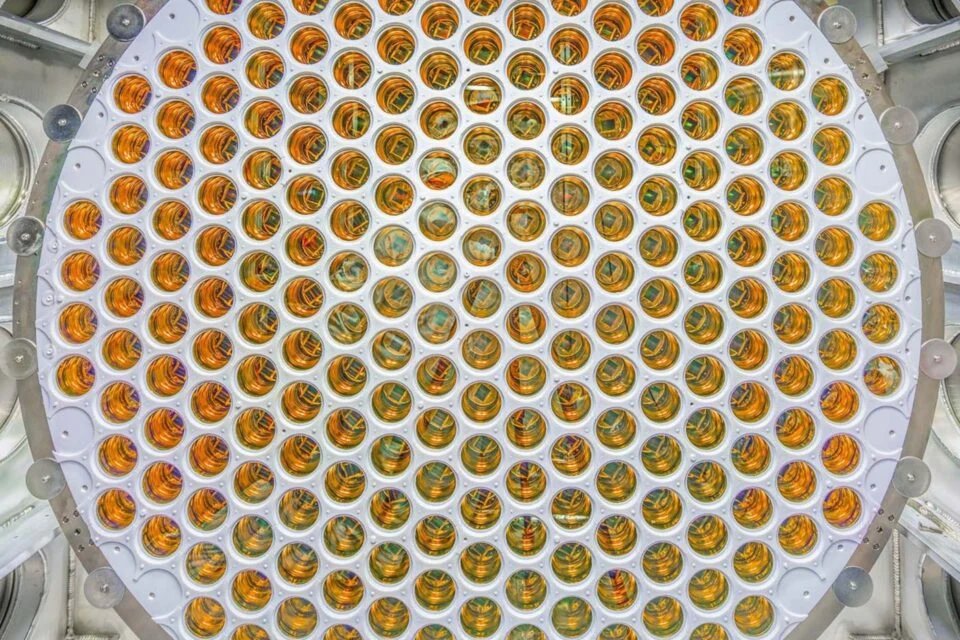
Researchers running the LUX-ZEPLIN (LZ) dark matter experiment have recorded a single particle interaction that can’t be explained by any known background signals from normal matter.
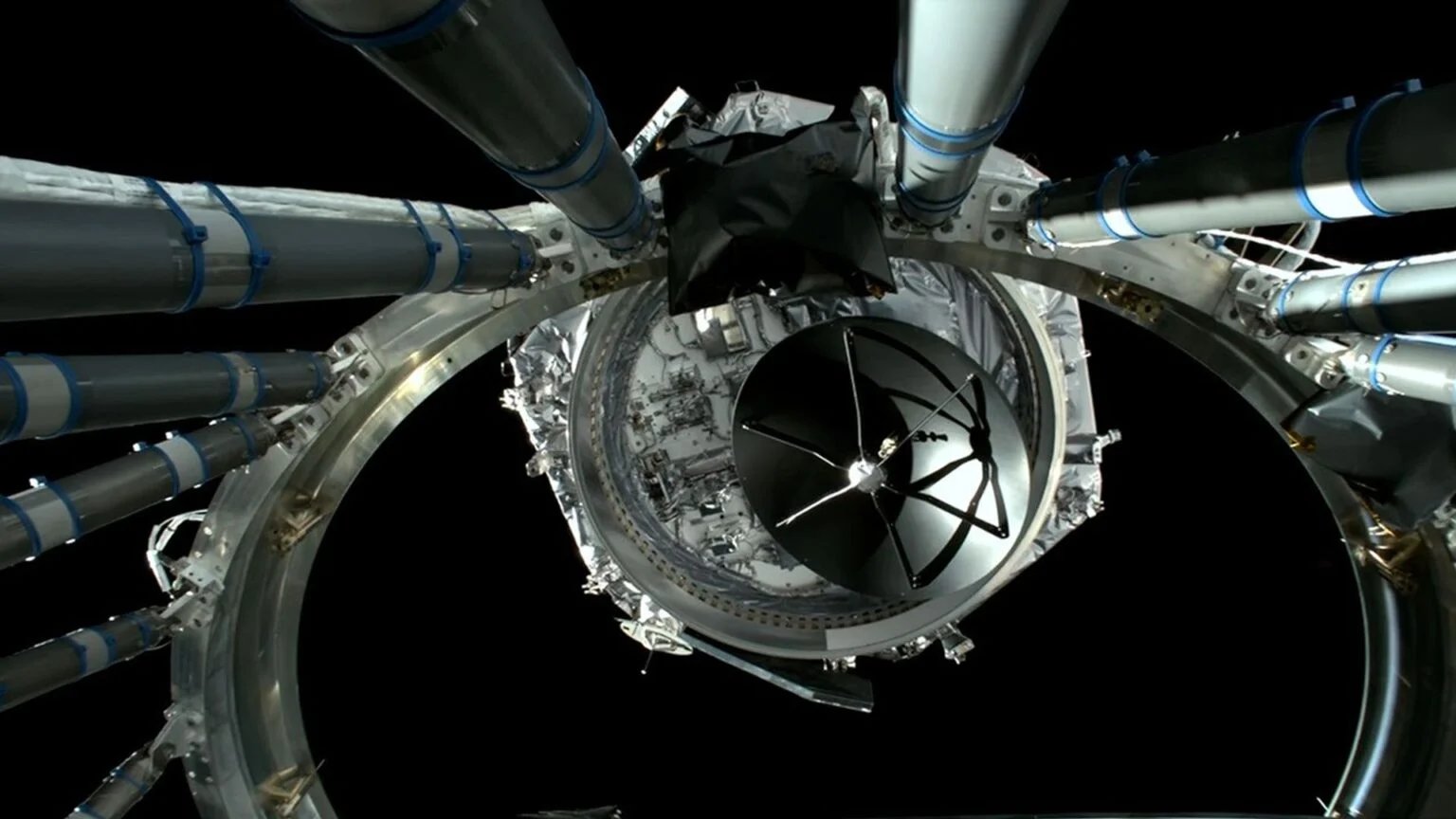
Roman will be a discovery machine that will bring us closer than ever before to answering humanity’s most profound questions about our cosmic history.
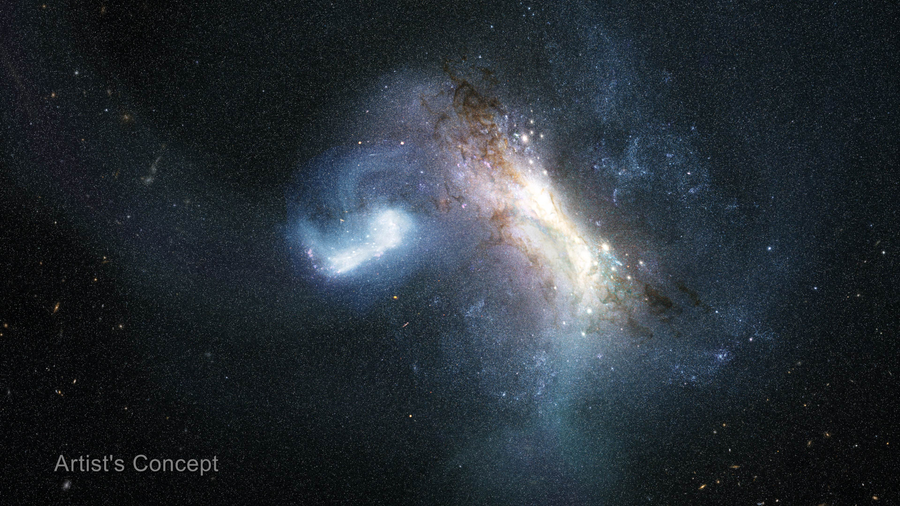
A new data from NASA’s Hubble Space Telescope shows definitive evidence of yet another dwarf galaxy merging with the young Milky Way galaxy in the earliest phases of its evolution.
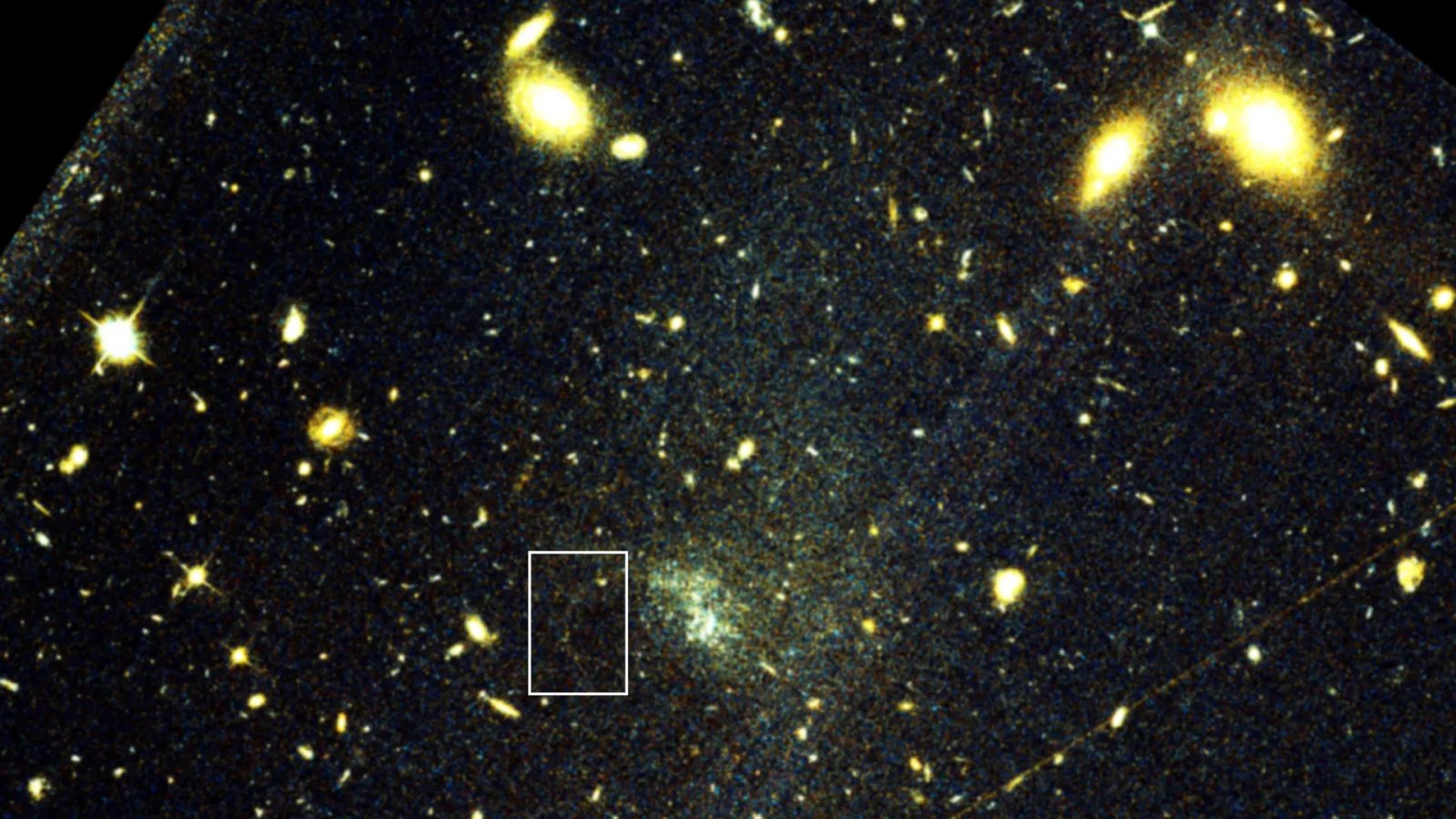
A faint ribbon of stars around a distant galaxy has become the first globular cluster stellar stream ever identified beyond the Milky Way. The breakthrough offers astronomers a new way to investigate one of the universe’s greatest mysteries.
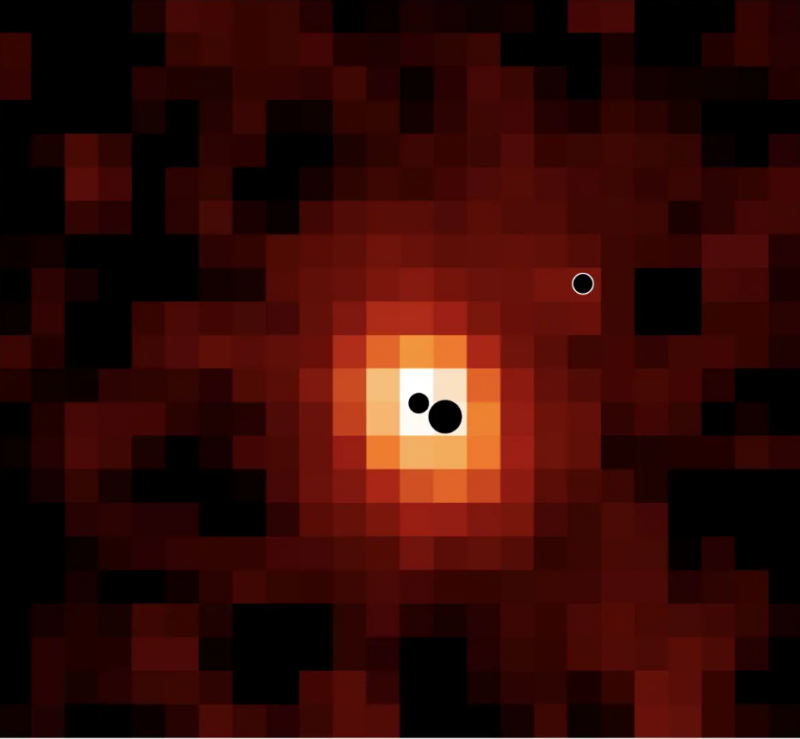
Now astronomers from the Max Planck Institute for Extraterrestrial Physics announced that – for the first time – they’ve detected three supermassive black holes in one galaxy.
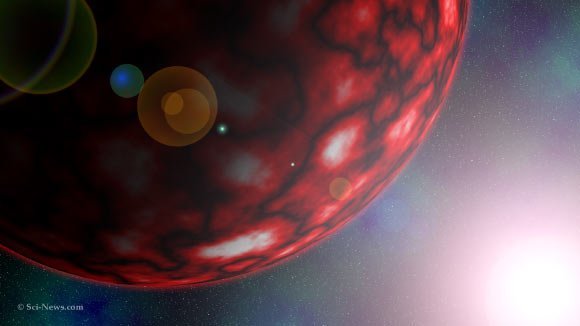
Gliese 523b is a young, ultra-dense planet that orbits almost perpendicular to its star’s spin, according to a team of U.S. astronomers.
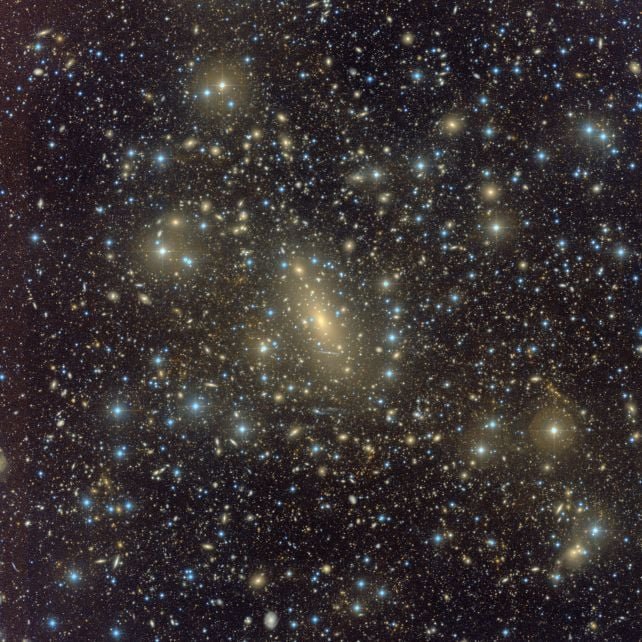
A galaxy named IC 1101 is 1.7 million light-years across – which makes it the largest galaxy known to date.


