
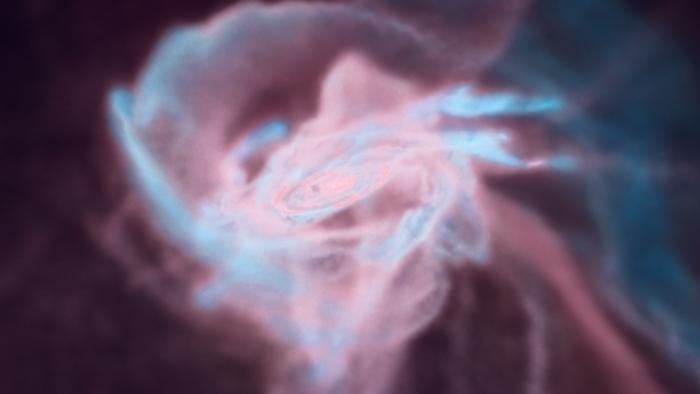
The simulations show that the Little Red Dots are black holes growing at a rate that would be impossible today thanks to the conditions in the early Universe.
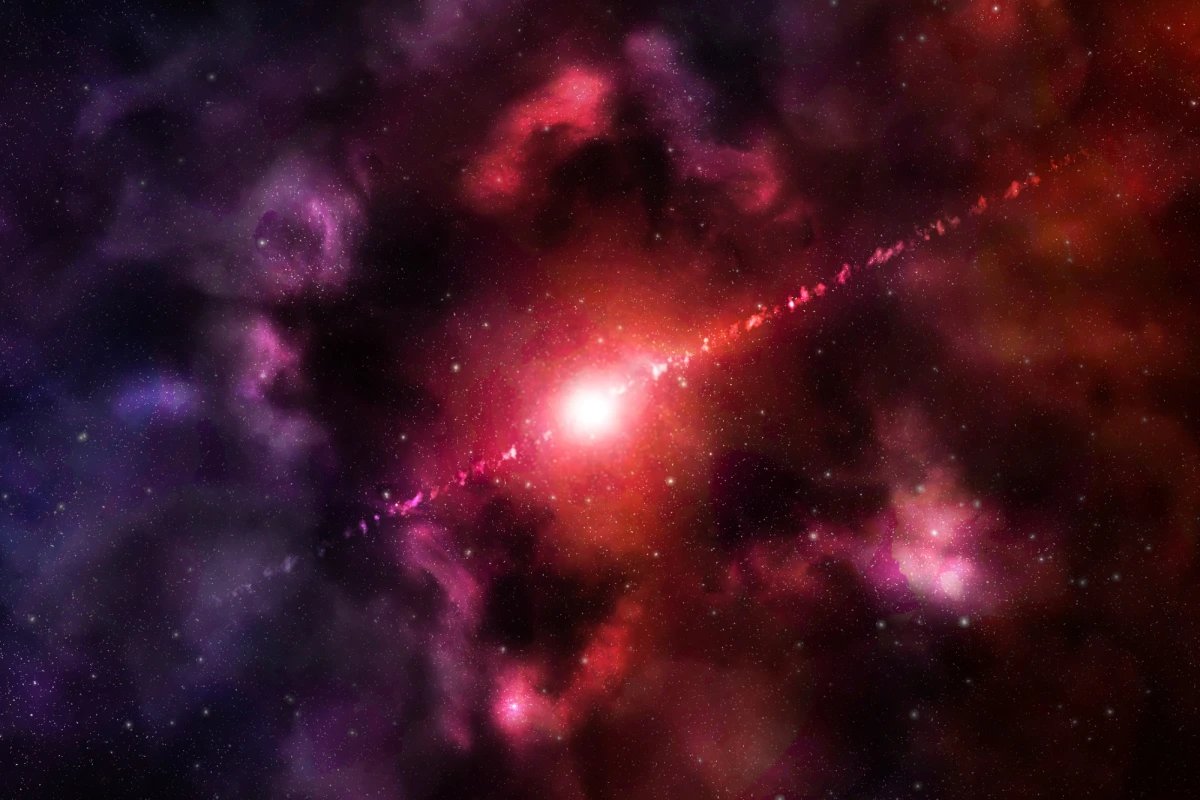
Neutrinos slip straight through the surrounding gas that traps Little Red Dots. This means LRDs, though hidden from many conventional astronomical observations, could be bright sources of neutrinos.
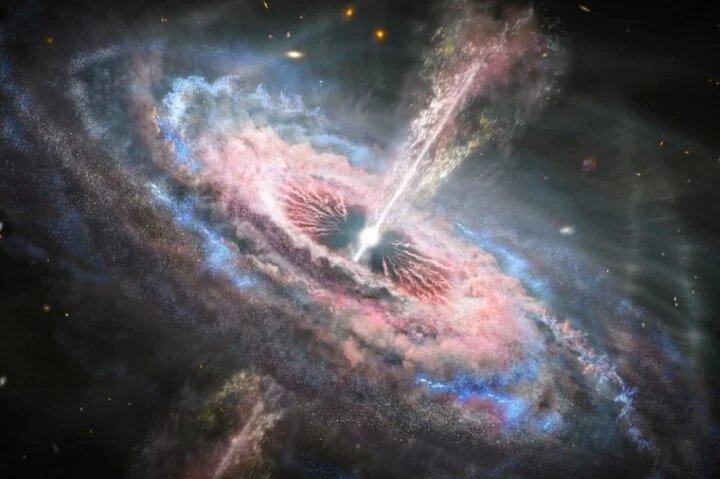
Cosmological simulations suggested that quasars with extremely fast outflows rid their galaxy of its gas supplies, effectively shutting down the process of making stars.
Cosmic “bounce” model suggests the Universe expanded from an earlier contracting phase, allowing ancient black holes to survive the transition as cosmic fossils. These relics could potentially explain dark matter.
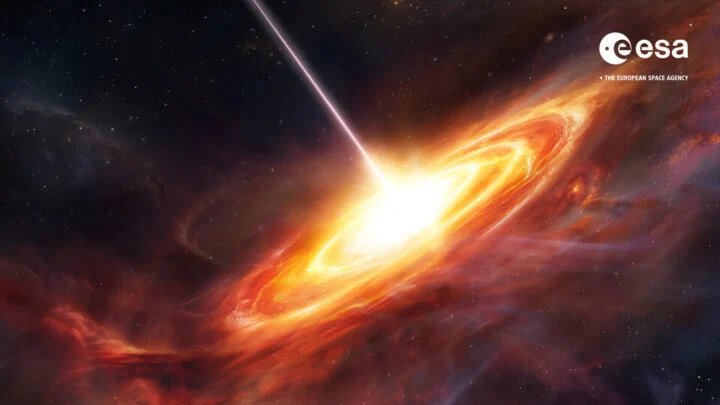
The European Space Agency’s Euclid space telescope has discovered 31 of the most ancient quasars ever found. Two of these giant and dazzling galaxy cores are the earliest quasars yet observed in cosmic history.
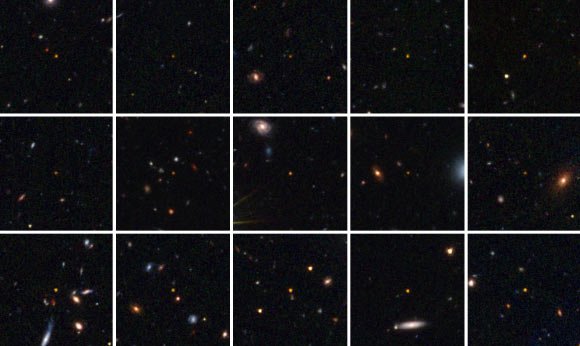
Astronomers using ESA’s Euclid space telescope have discovered 31 ancient quasars from a time when the Universe was just 670 to 800 million years old.
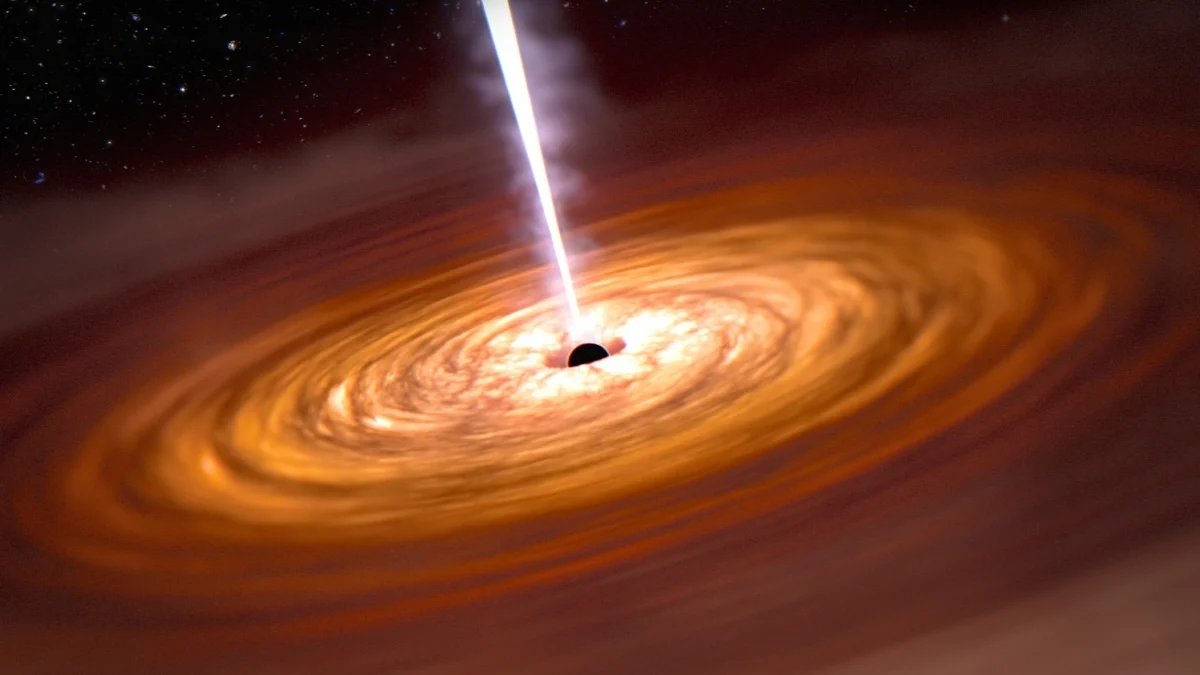
Astronomers have discovered the earliest known flickering quasar, whose light has traveled more than 13 billion years to reach us.
There’s a fresh twist in the mystery of the “little red dots.” Astronomers say they’ve found a new specimen, which they’re calling an “X-ray dot.
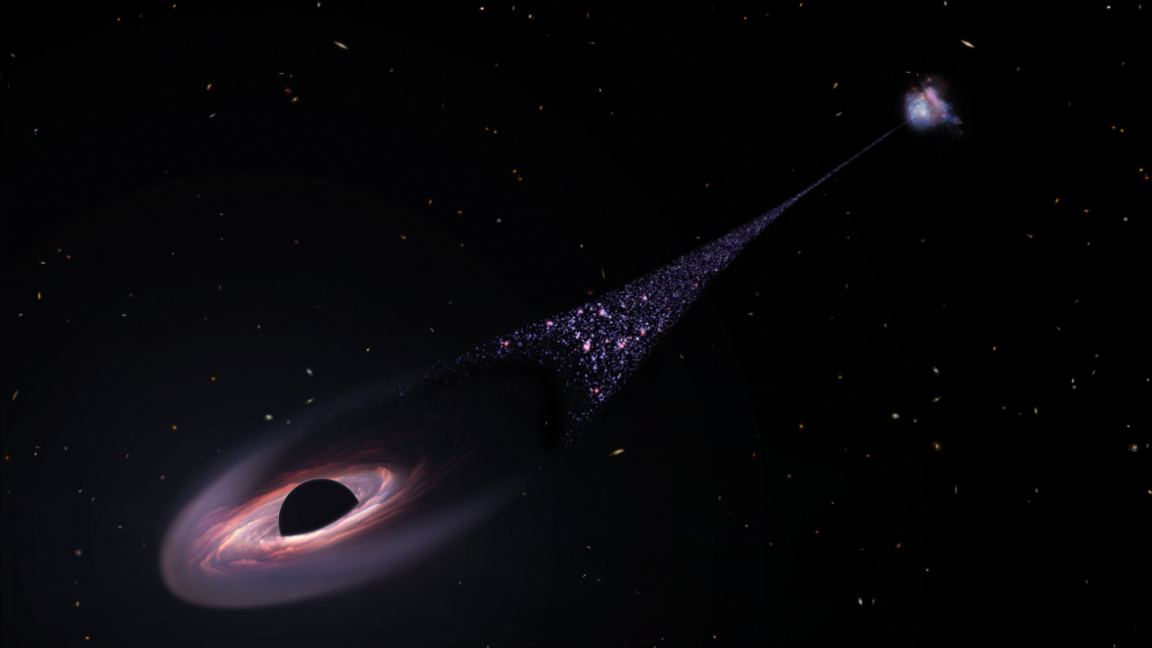
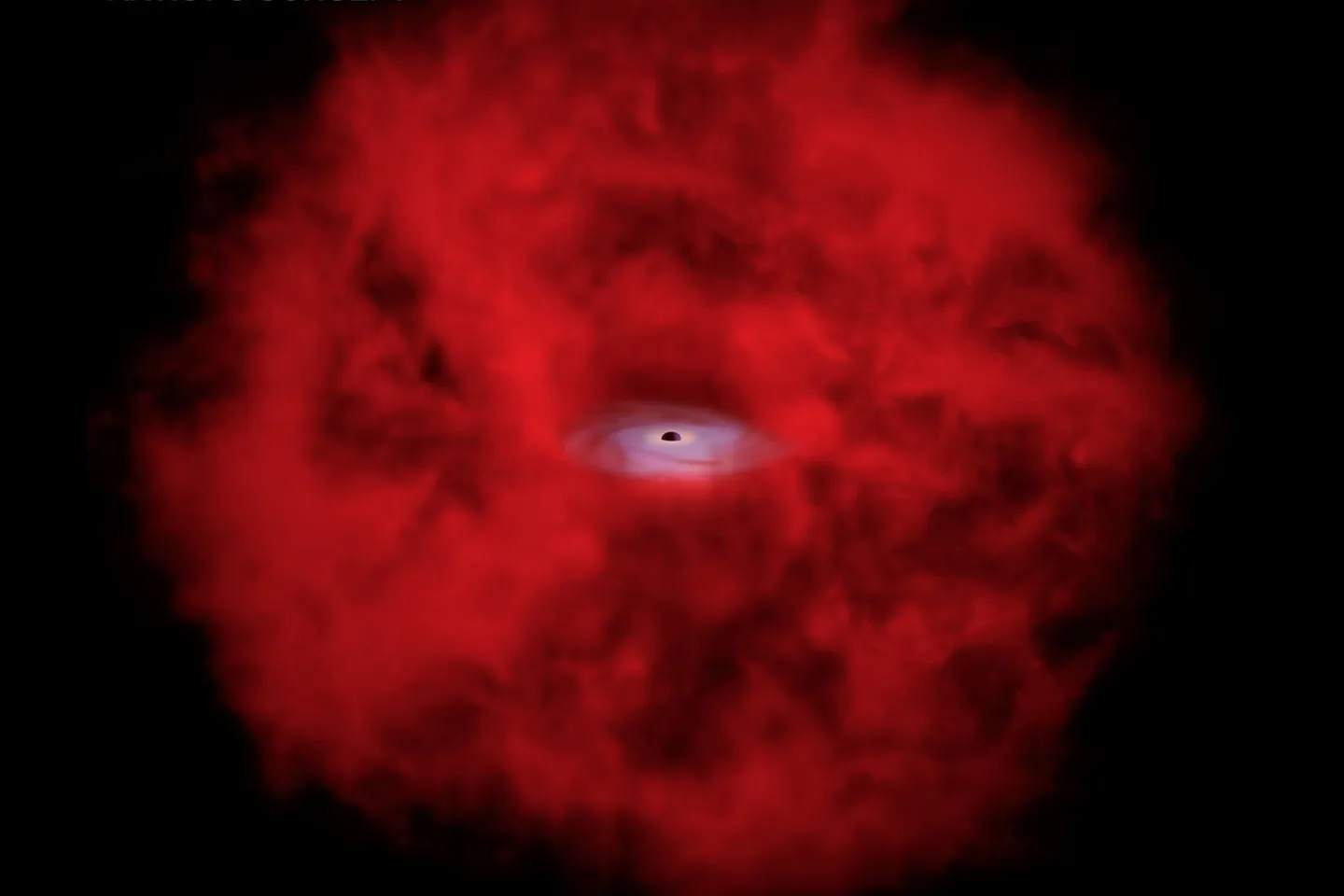
A new study suggests a solution to the Little Red Dots mystery. Scientists think young supermassive black holes may go through a “cocoon phase,” where they grow surrounded by high-density gas they feed on.
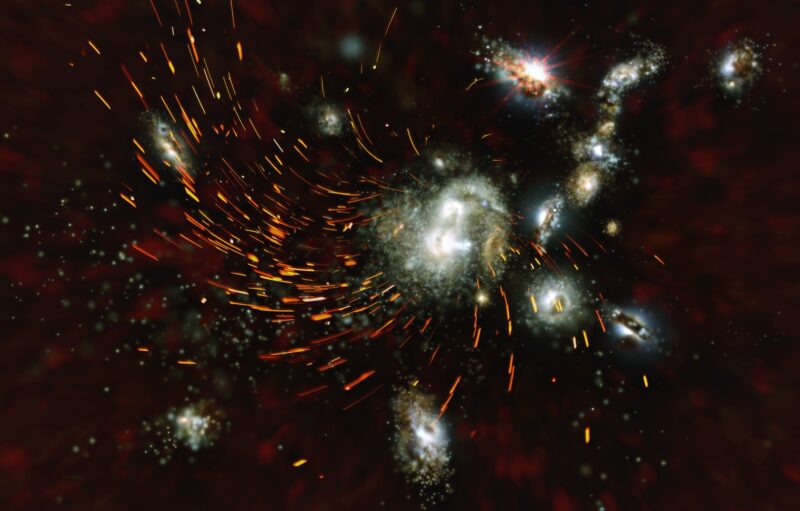
Astronomers found evidence a giant elliptical galaxy may form through the rapid collapse of a young galaxy cluster.
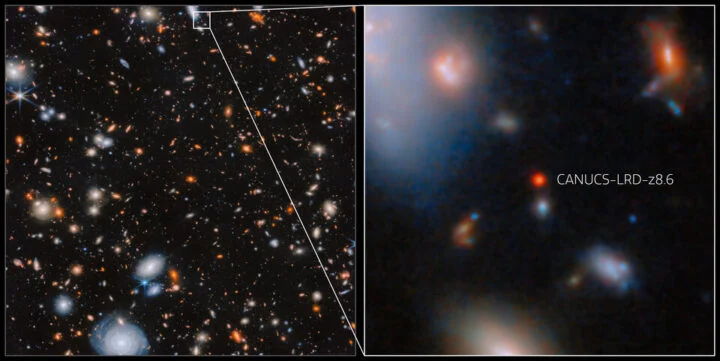
Researchers using the NASA/ESA/CSA James Webb Space Telescope have confirmed an actively growing supermassive black hole within a galaxy just 570 million years after the Big Bang.
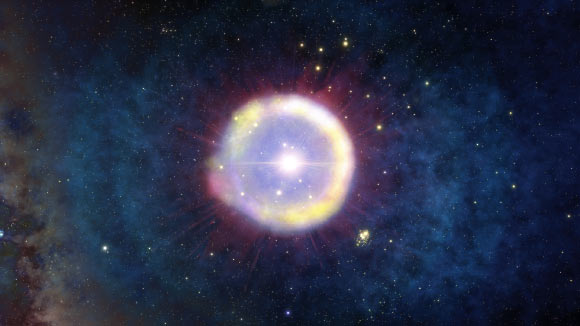
A new theory proposes that Population III.1 supermassive stars were progenitors of supermassive black holes in the early Universe.

The record-breaking galaxy is revealing secrets about the first stars and their unexpected chemical fingerprints.

Since the James Webb Space Telescope (JWST) began science operations, astronomers have observed galaxies that existed more than 13 billion years ago.

NASA's new infrared space telescope, SPHEREx, is designed to give us unprecedented insights into the evolution of the Universe.


