
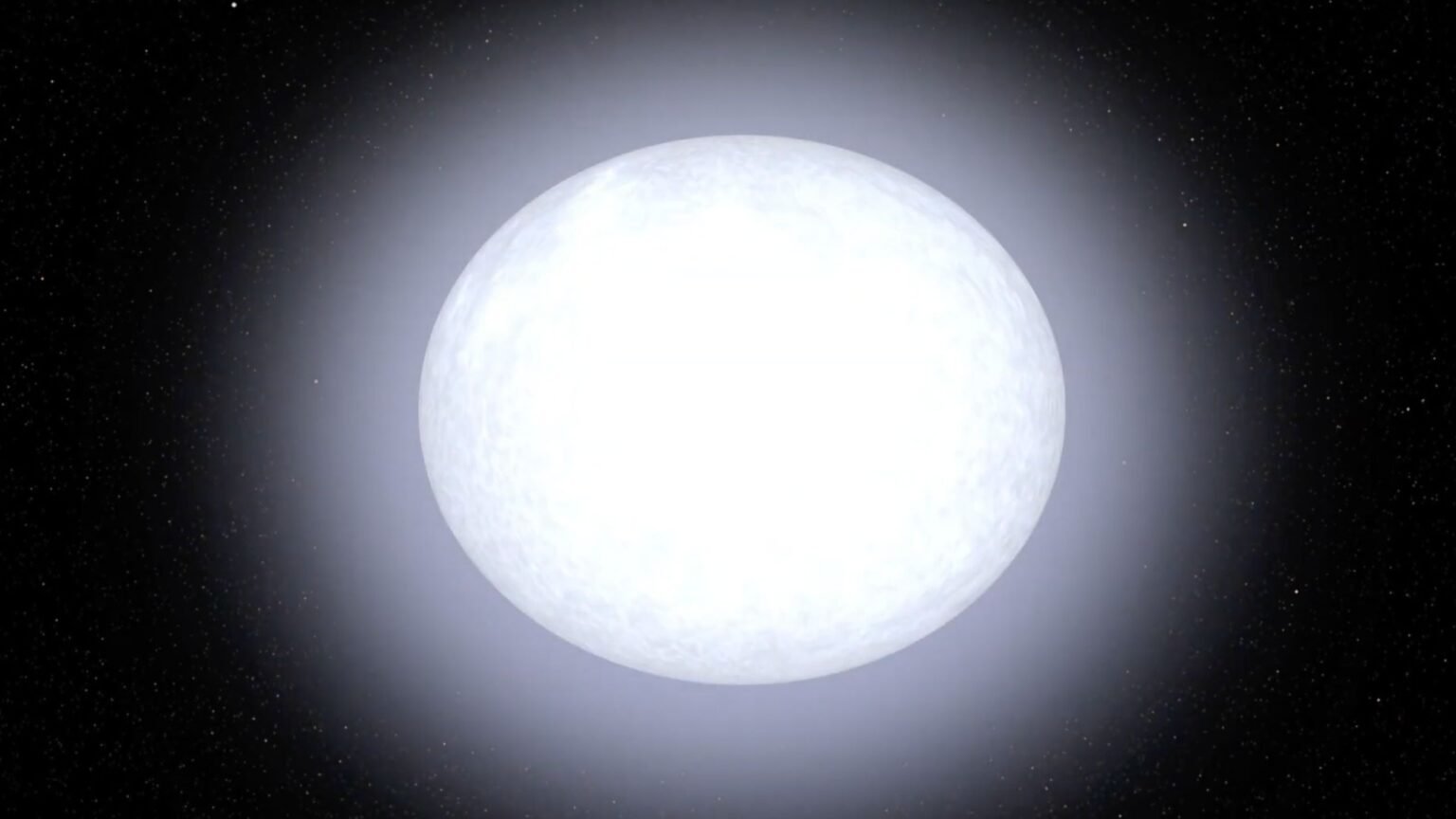
Astronomers may have just made another milestone discovery in the search for intrinsically intriguing worlds: the hottest star to potentially host a habitable-zone planet, a giant world named HD 156295 b.
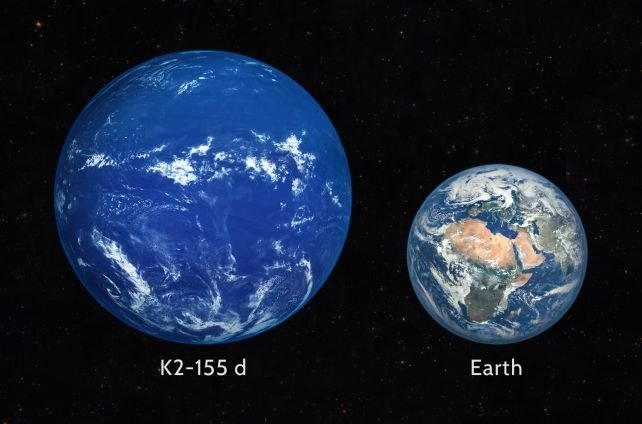
From the direction of K2-155, a red dwarf some 238 light-years away, came a narrowband radio signal that survived the researchers' initial attempts to weed out interference – that's a type of radio signal that can be difficult to produce without technology.
Now, for the first time, scientists have detected radio signals coming directly from one of these planets, a massive gas giant named β Pictoris b.
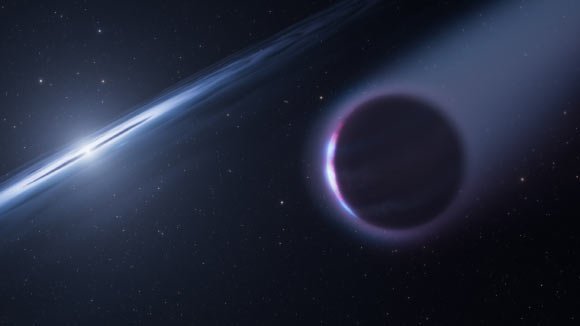
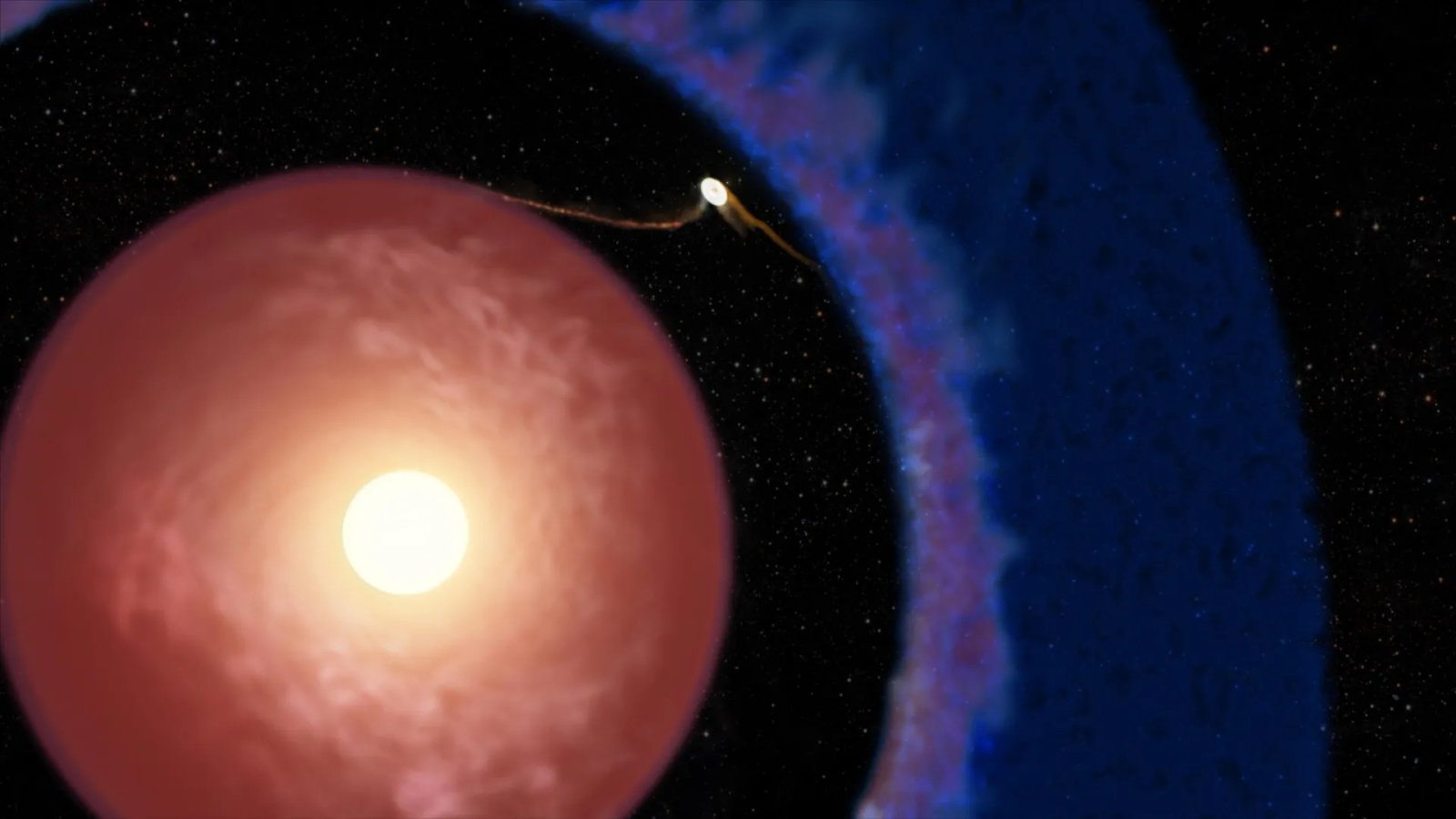
A new research suggests that planets may also be born later, from the debris of a dying star, and one such unique alien world may be sitting very close to HS 0209+0832, a hot, young white dwarf located 270 light-years away.
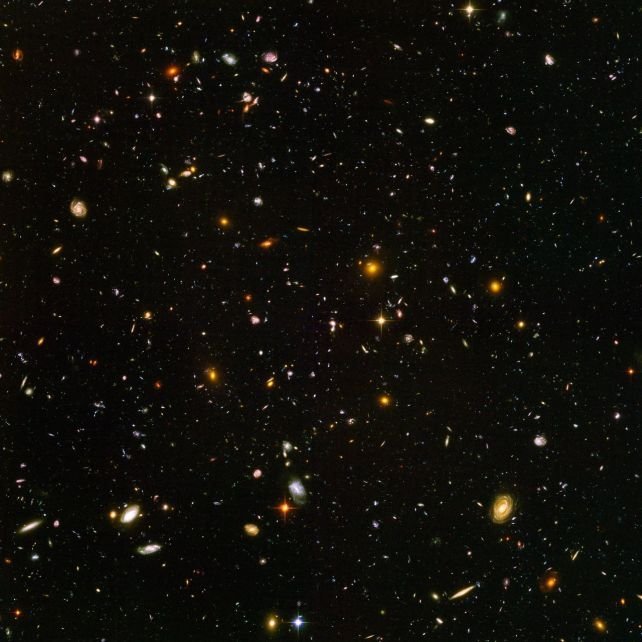
This fast radio burst, designated FRB 20240304B, is the most distant ever detected, having traveled more than 10 billion years across the cosmos to reach Earth.
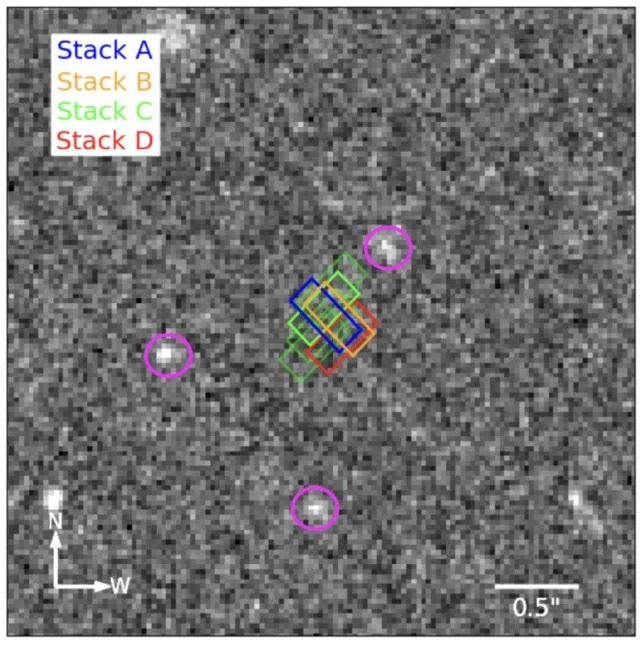
A signal was found in isolation in the southern constellation of Fornax. There was no other emission line accompanying it – and in prior observations from Hubble and JWST, nothing else could be seen in that patch of space.
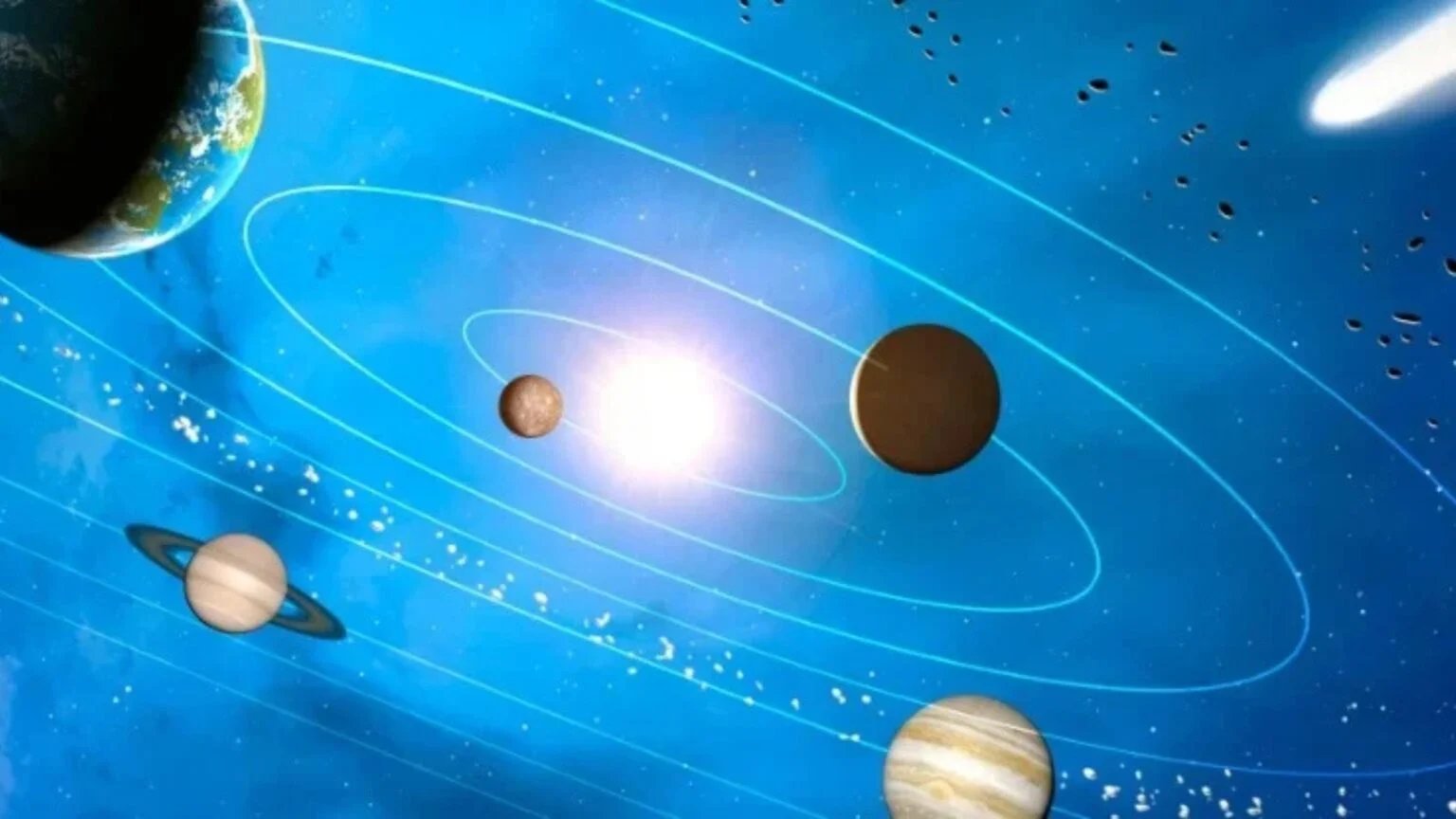
Researchers have found evidence that the Sun's mass loss will not be smooth but turbulent and random, ejected in thousands of individual "kicks".
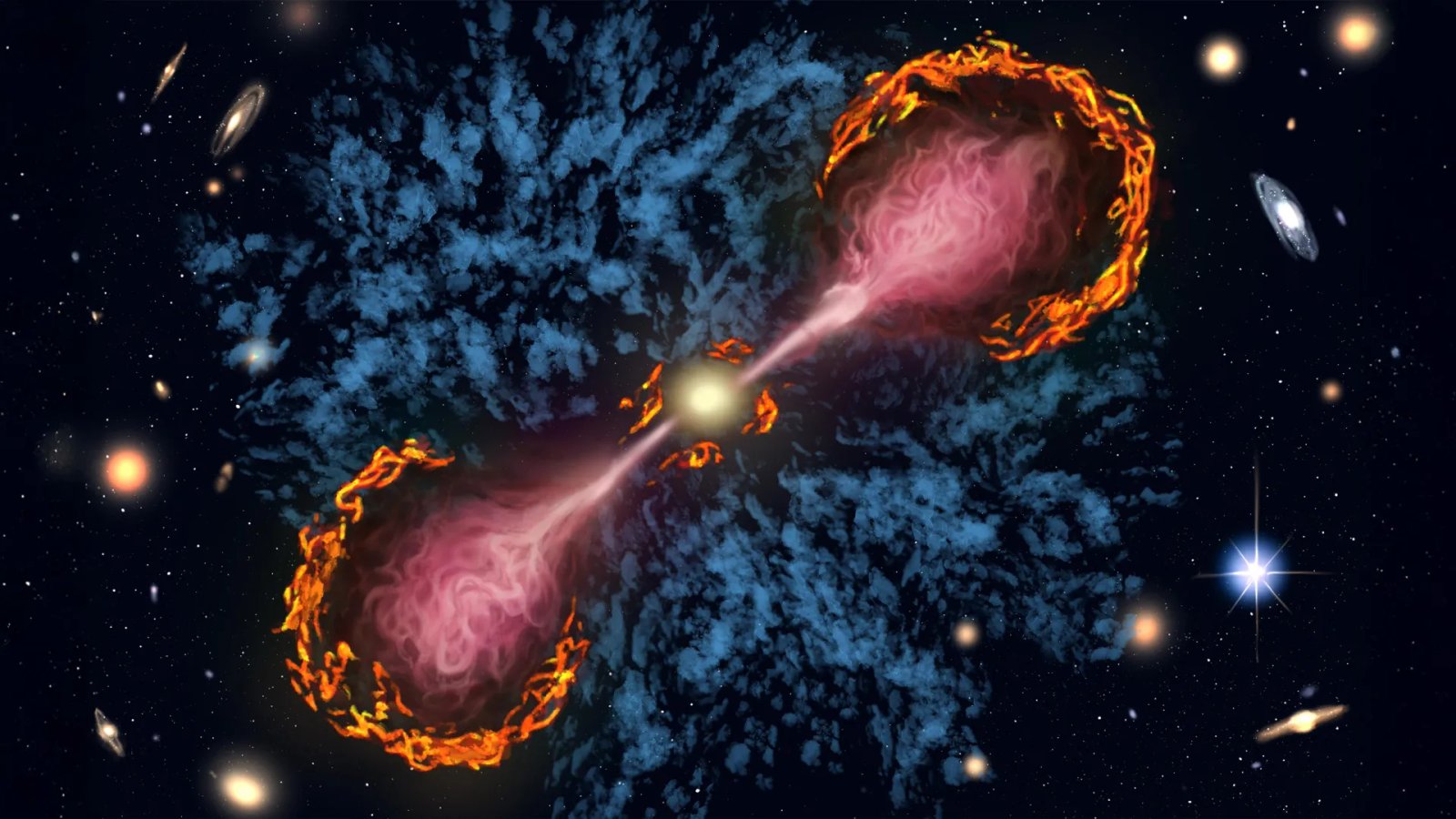
Powerful jets from supermassive black holes can disturb star-forming gas far beyond a galaxy’s visible edge, leaving a glowing trail hundreds of thousands of light-years long.
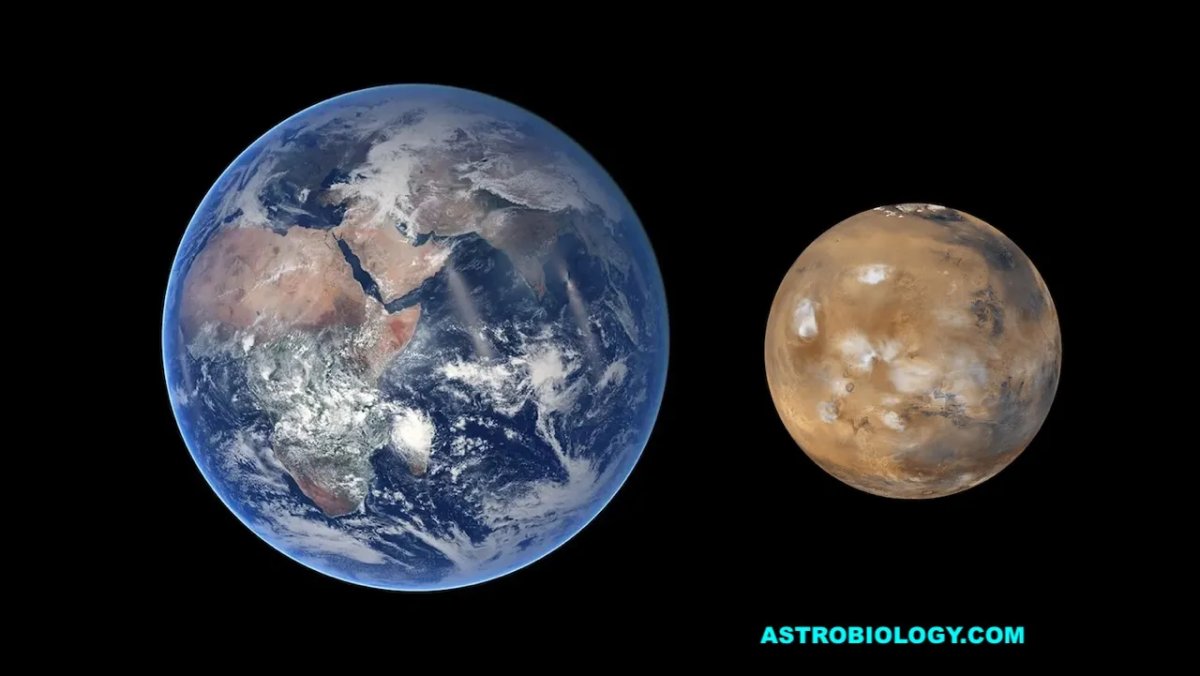
At least 75 % of Earth’s mass appears to originate from two protoplanets, that grew large by accreting pebbles, while planetesimals contributed up to 25 %. In contrast, roughly three-quarters of Mars’ mass appears to come from planetesimals.

NASA’s Curiosity rover drove sent a captivating panorama from the slopes of Mount Sharp. The image was not white-balance adjusted during processing, to show just what a viewer might really see at sunrise standing on Mars.
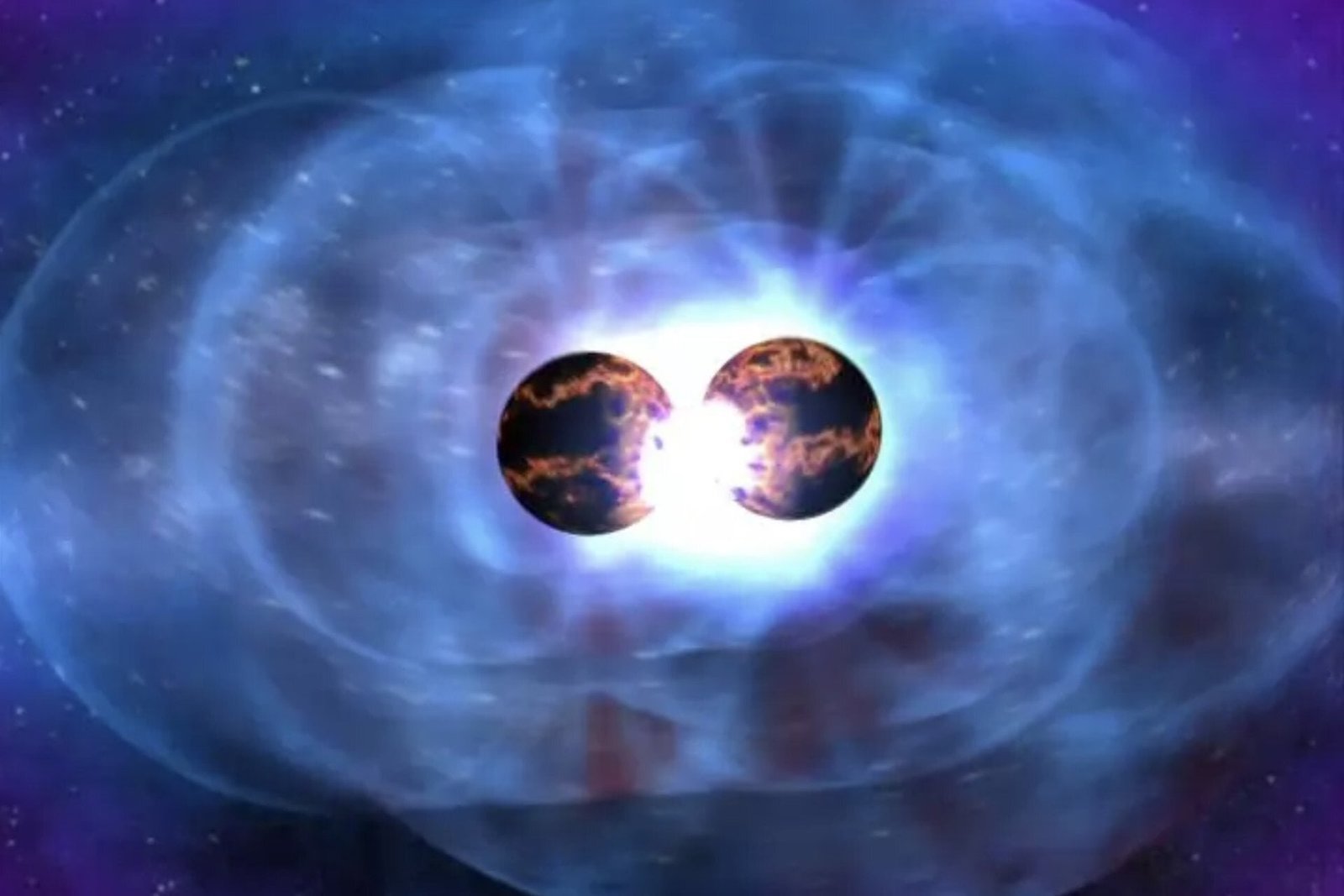
About 1% of neutron stars have even stronger magnetic fields. Known as magnetars, their magnetic fields can be 1,000 times stronger than a regular magnetic field. A new study looks at how magnetars might form.
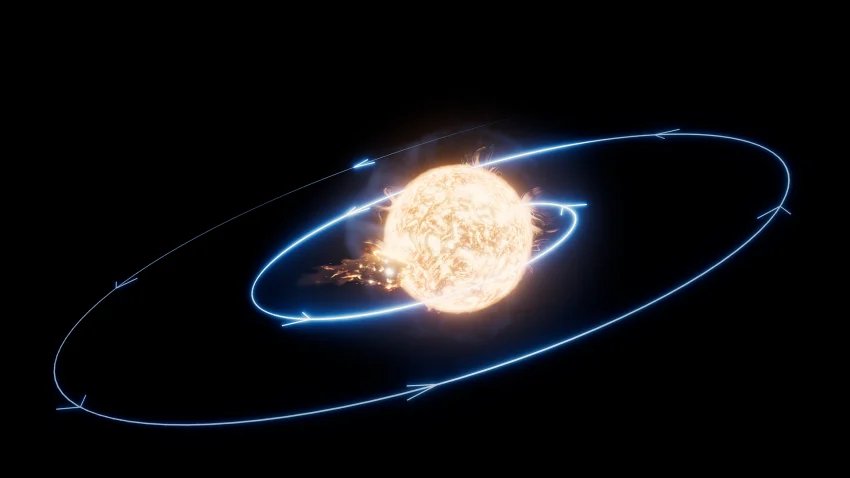
New research suggests that some unusual characteristics of the Sun may be explained if it swallowed a large planet sometime during the Solar System’s formation.
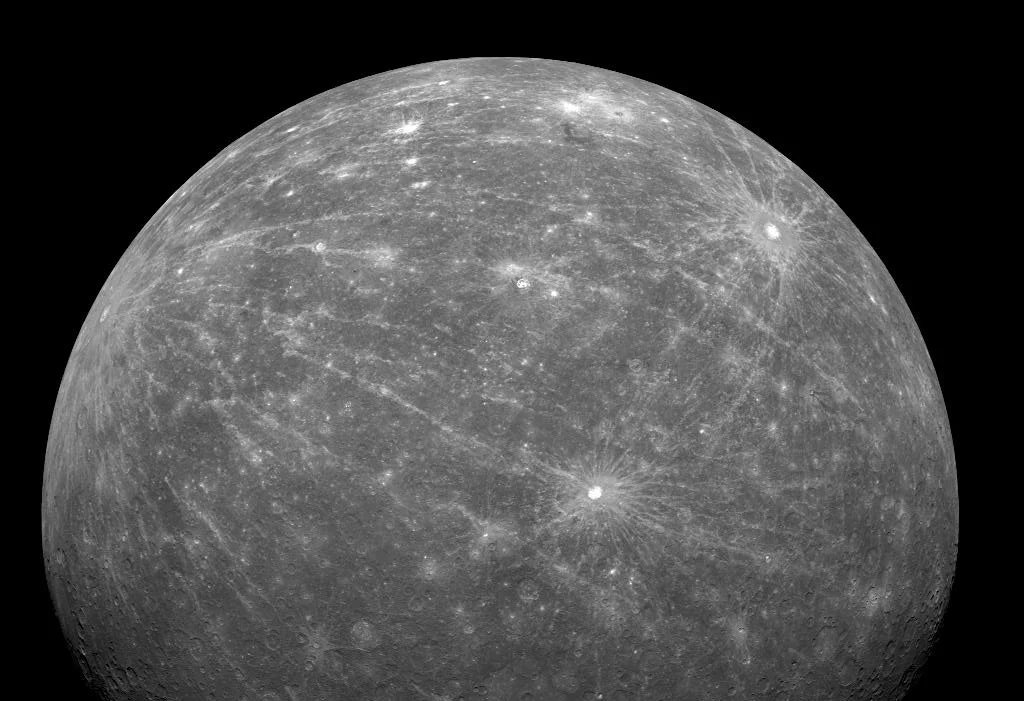
According to a new study, Mercury's surface has been shrinking 10% to 30% (up to 23 km) faster than previously thought.
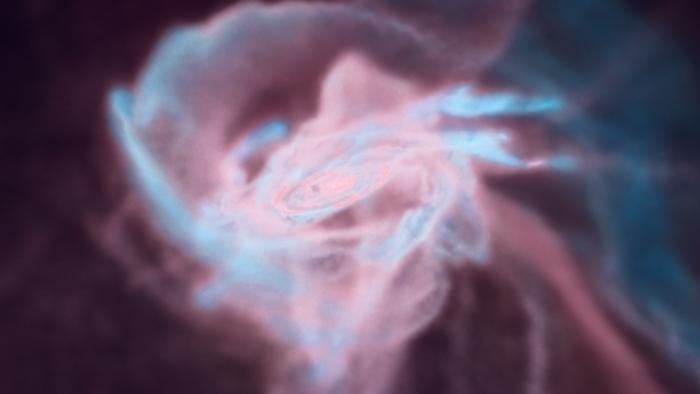
The simulations show that the Little Red Dots are black holes growing at a rate that would be impossible today thanks to the conditions in the early Universe.
Astronomers have confirmed a Jupiter-size planet less than a million years old, making Elias 2-24 b the youngest known planet.


