
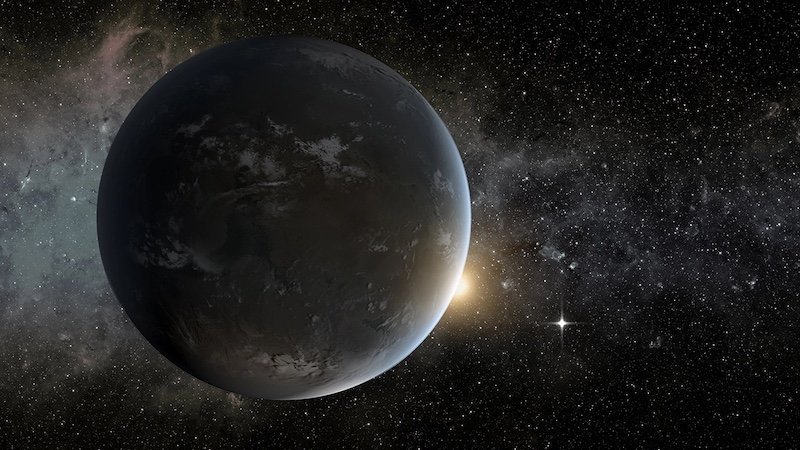
The planet, LHS 1140 b, is a super-Earth planet about 48 light-years from us. LHS 1140 b orbits a red dwarf star within the so-called habitable zone.
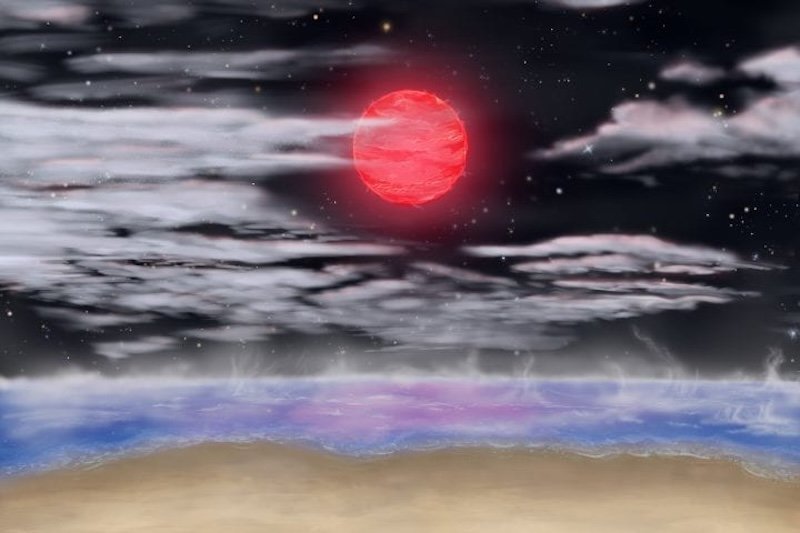
Astronomers have discovered a new Earth-like planet that might be a good candidate for habitability.
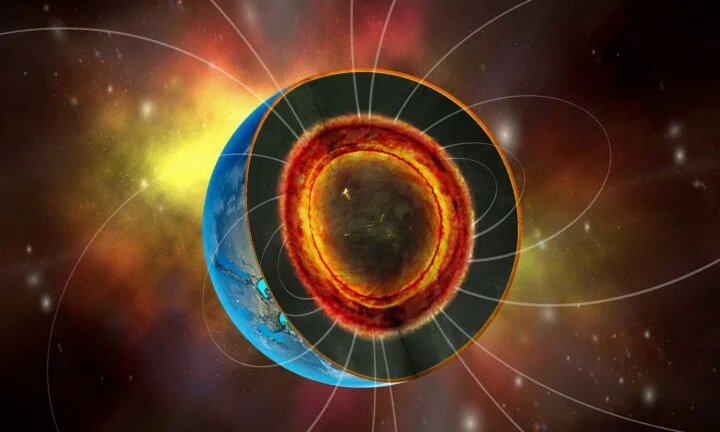
Deep beneath the surface of super-earths, oceans of molten rock may be doing something extraordinary: powering magnetic fields strong enough to shield entire planets from dangerous cosmic radiation.
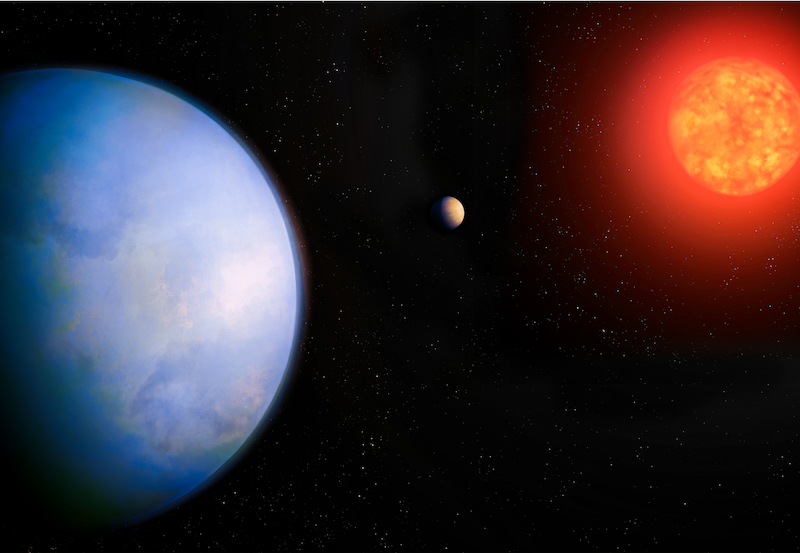
Astronomers have discovered another potentially habitable exoplanet orbiting a nearby star. The planet – GJ 251 c – is in the habitable zone of its red dwarf star.

Earth-like exoplanets might be more common throughout the Milky Way than previously believed, astronomers report in a new study.
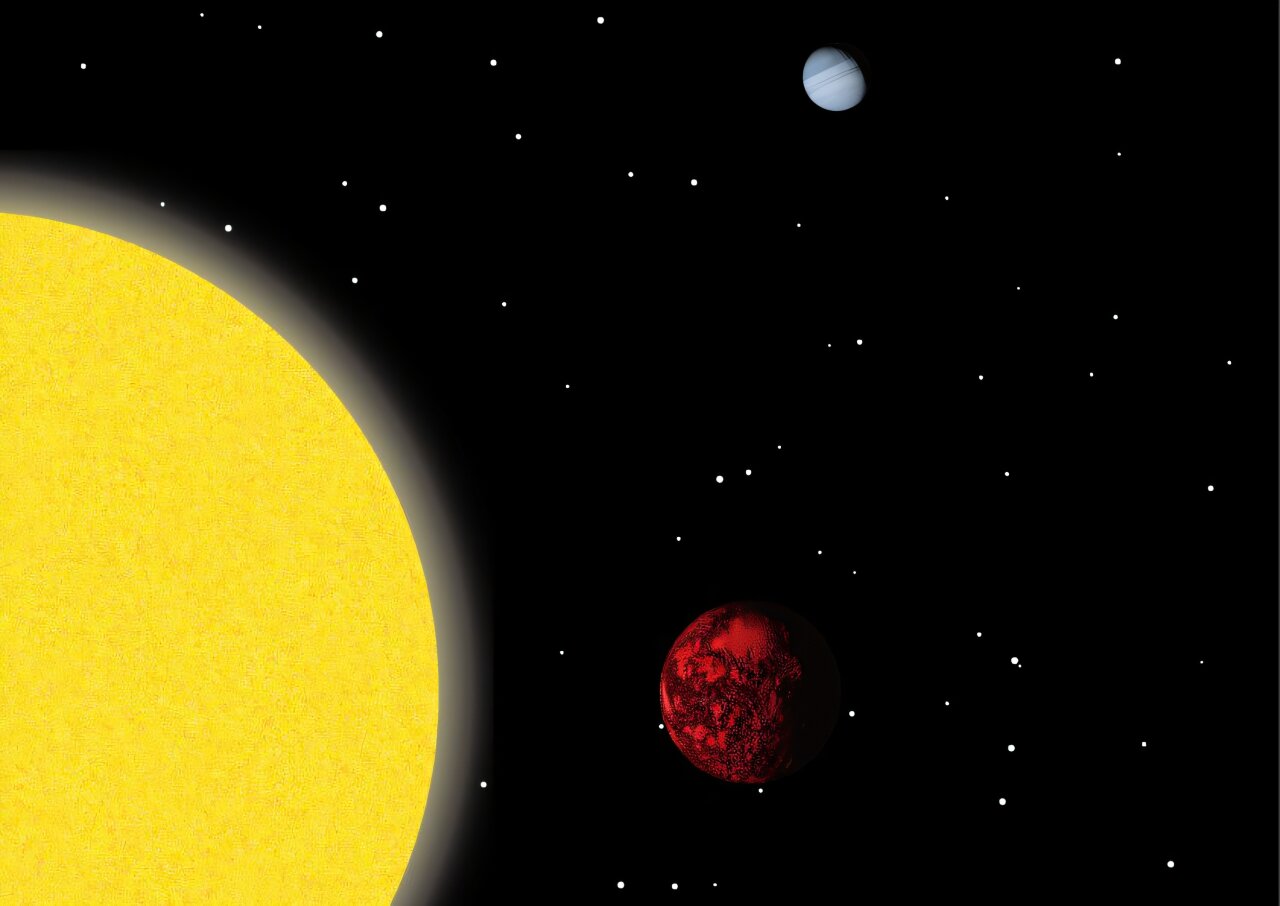
An international team has discovered a new multi-planet system around a sun-like star, including an ultra-short period planet with one of the highest densities ever measured.

A “super-Earth” ripe for further investigation orbits a small, reddish star that is, by astronomical standards, fairly close to us – only 137 light-years away.

The planet, nearly 10 times Earth’s mass, orbits a small, red-orange star about 200 light-years away. This planet is extremely hot, with an estimated temperature of 1,050 Celsius.

The astronomers underlined that the star, these planets are orbiting is the second-coolest star found to host planets after TRAPPIST-1. They added that their finding is the second-most favorable habitable-zone terrestrial planet known so far.

It's called TOI-1452b, and measurements of its size and mass suggest a density profile consistent with a global liquid ocean. An exoplanet is just 100 light-years from Earth

Two new worlds of probable rocky mineral goodness have just been found orbiting a star close to our own cosmic neighborhood.

Scientists have discovered a Super-Earth that is four times the mass of our planet and takes just 10.8 days to complete a whole year.

Researchers report the discovery of a super-Earth orbiting the star GJ 740, a red dwarf star situated some 36 light years from Earth. Its mass is around 3 times the mass of Earth.

According to new study, an extrasolar planet orbiting Barnard’s star, an M-type (red dwarf), that is just 6 light years away could actually support life, assuming the planet experiences enhanced geothermal activity.

Studying two decades of data on Barnard’s Star, astronomers have found a rocky super-Earth with a mass of at least 2.3 times that of Earth that orbits the star every 233 days or so.


