
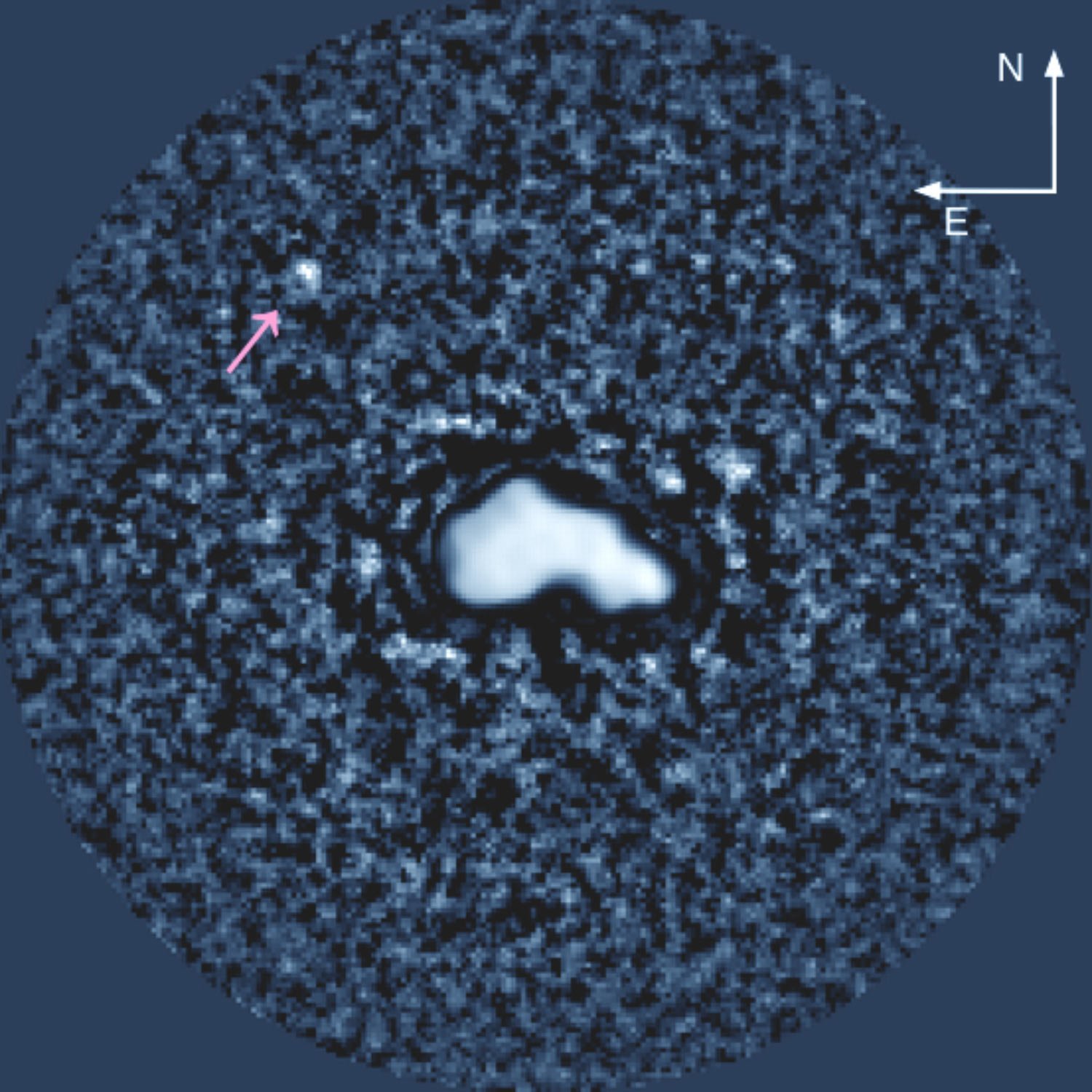
The E-type asteroid (44) Nysa may be unlike any other world in the Solar System, with three connected lobes and a newly discovered satellite that could help explain how the bizarre object formed.
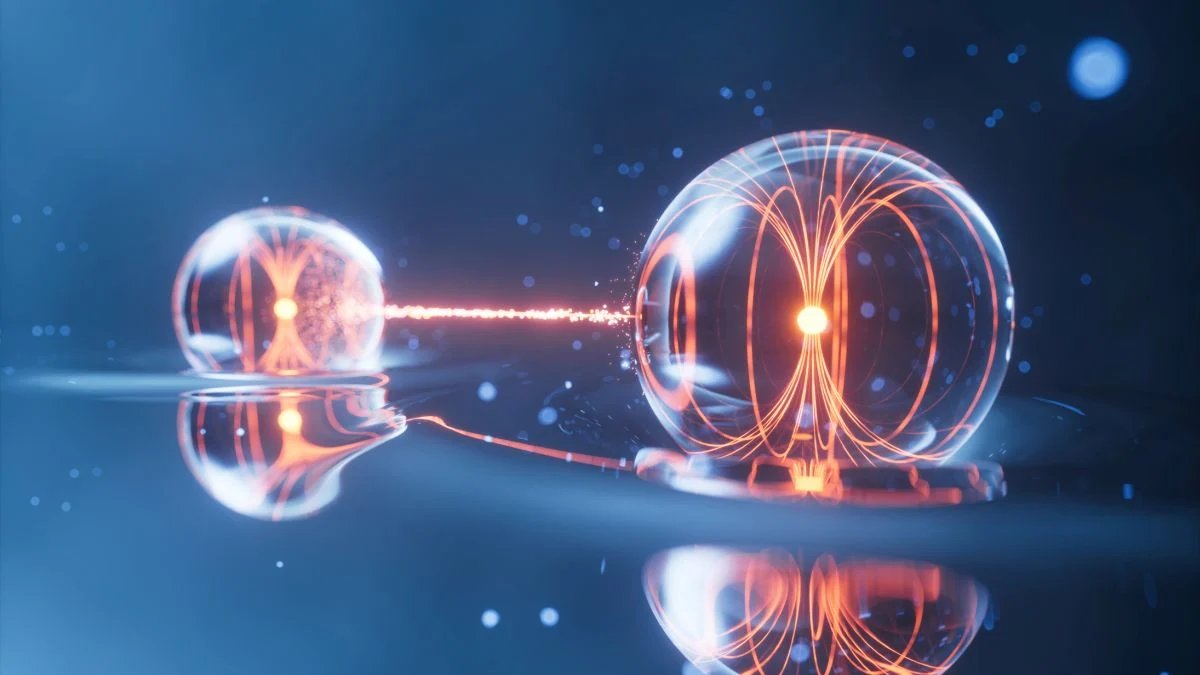
Across an optical fiber measuring 420 km, the researchers successfully entangled quantum memories – more than four times farther than previous demonstrations.
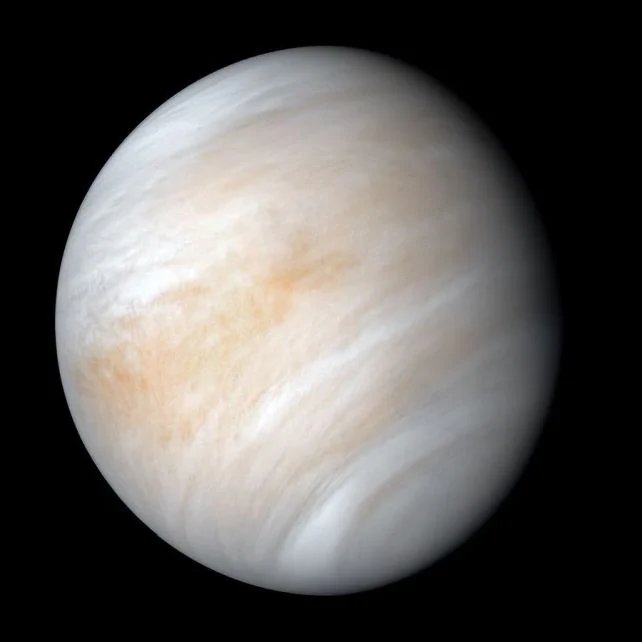
Now, a new study argues the surface of Venus may still bear the geological scars of those long-lost seas.
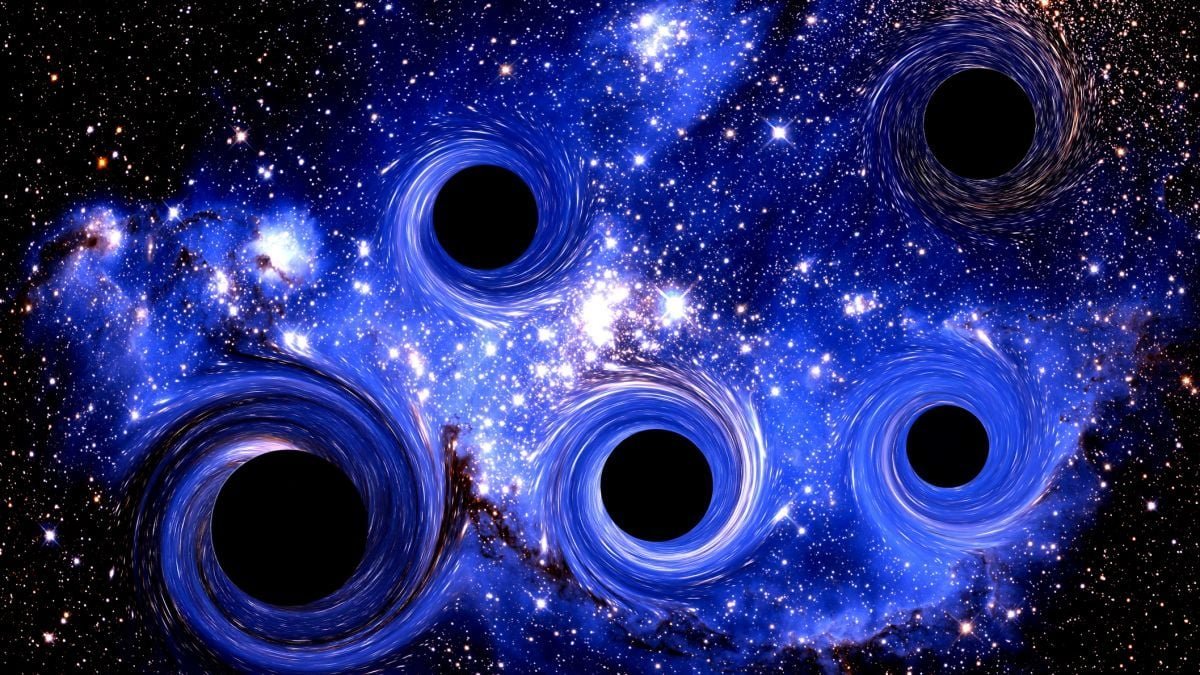
Now, astronomers have simulated the Milky Way to find its hidden "Galactic Underworld", estimating that around 170 million stellar-mass black holes are scattered throughout our galaxy.
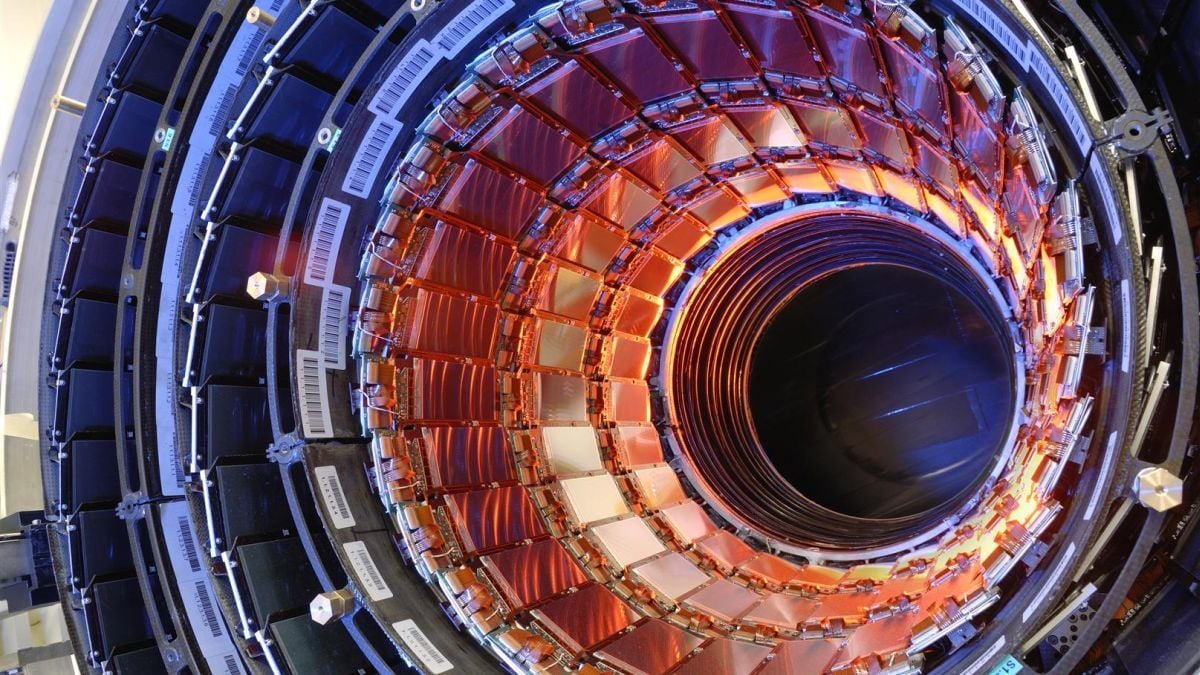
For years, strange signals have been emerging from inside the Large Hadron Collider. They're strange glitches in the proton beam, sudden beam-loss events. These could be caused by Dark Matter.
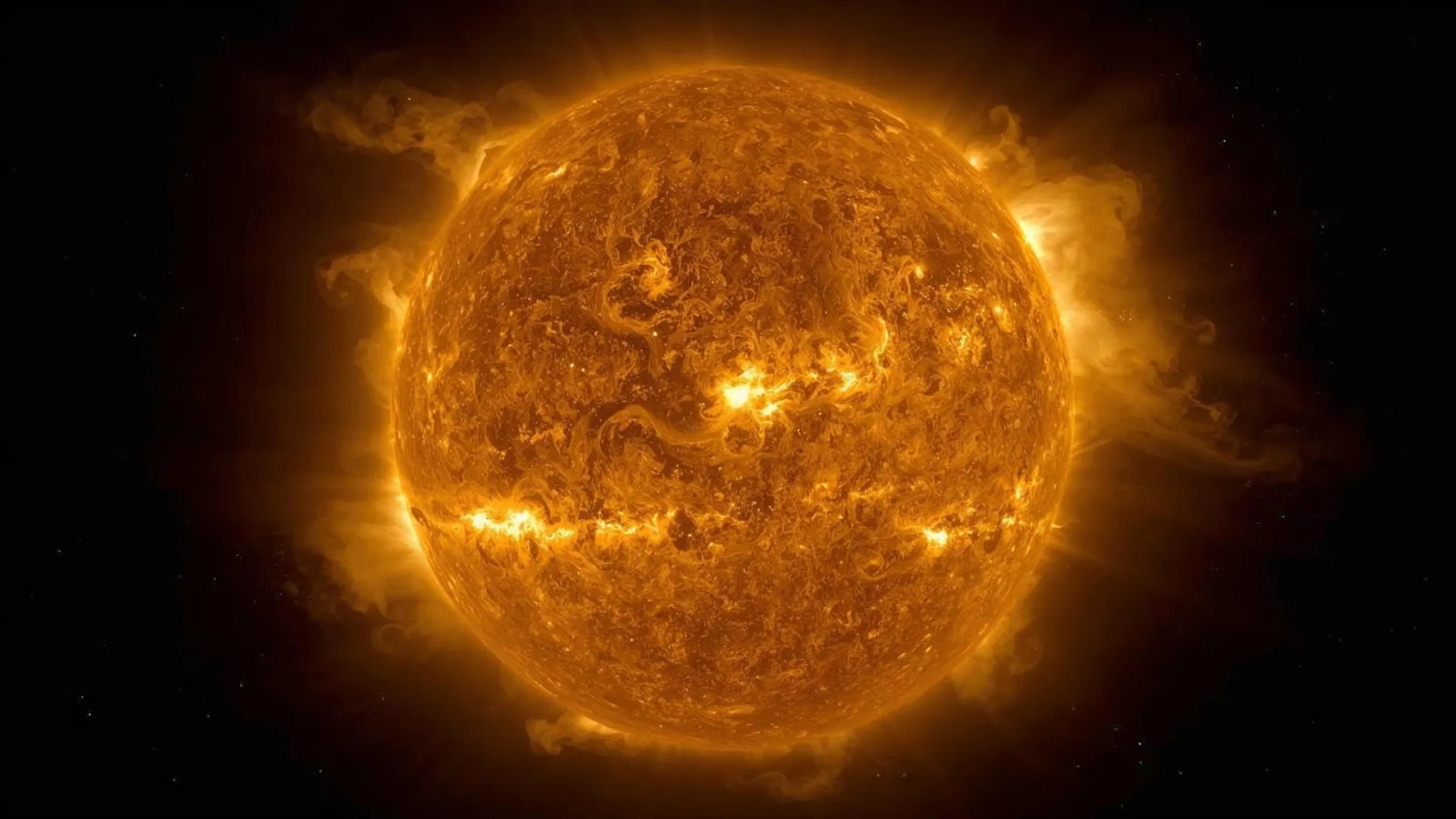
A new analysis suggests the Sun holds far more silver than earlier estimates indicated. More advanced models of the solar atmosphere raised the calculated amount by 55 percent, bringing it into much closer agreement with ancient meteorites
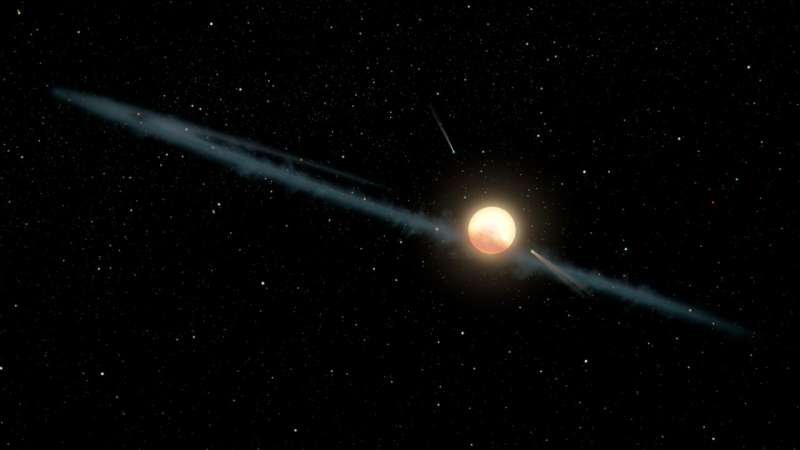
Anew study suggest that famous Tabby's star is orbited by an object on the planet/brown dwarf boundary.
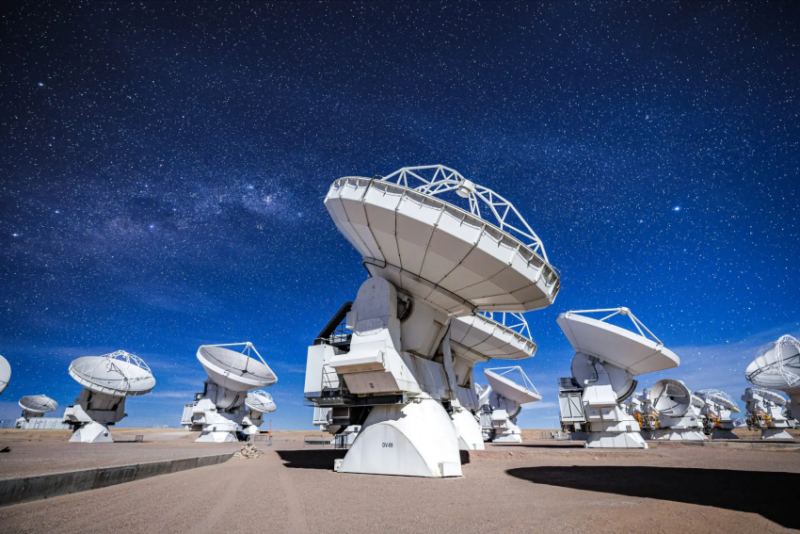
SETI astronomers search for radio signals, mostly from a specific band of the radio spectrum: the frequencies between 1.42 and 1.66 GHz. The millimeter and submillimeter radio bands remain almost completely unexplored for SETI.
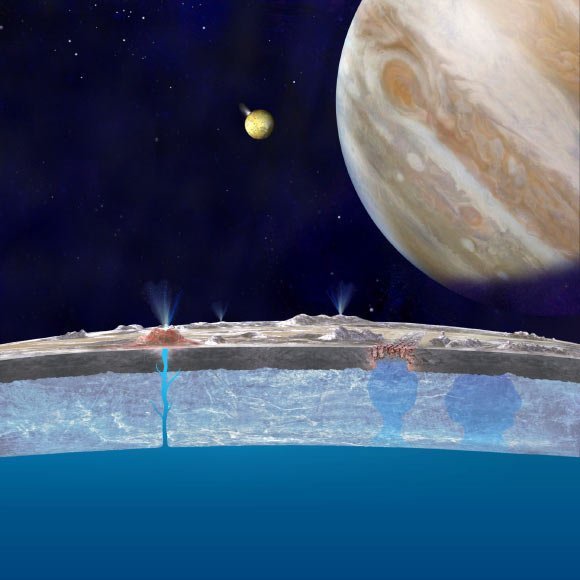
A new research suggests reaching Europa's subsurface ocean — or even glimpsing evidence of it near the icy surface — may be far harder than expected.
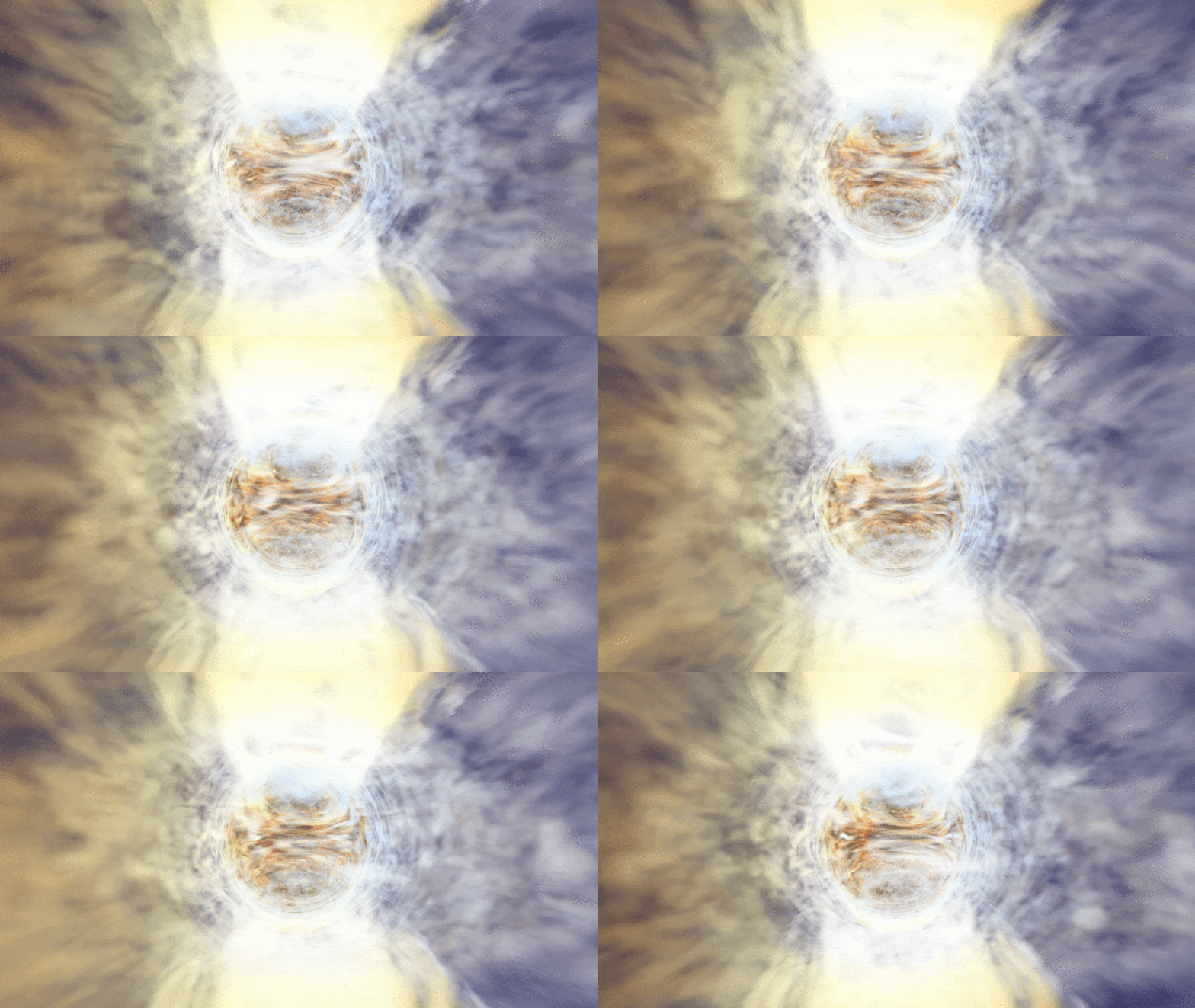
Theoretical physicists argue that the singularity is better understood as a flat, three-dimensional surface.
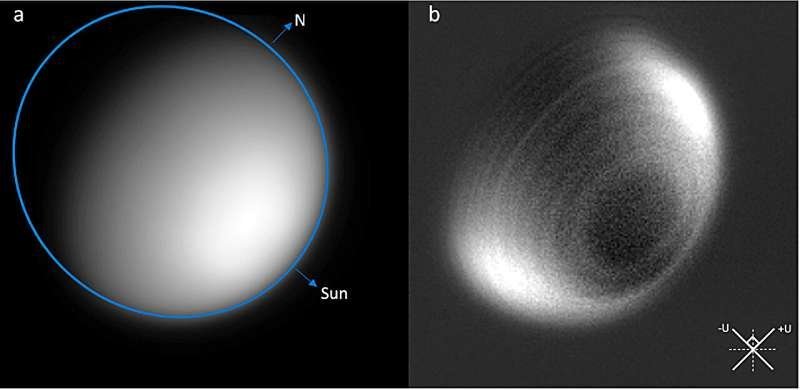
In 2010, scientists waiting to use the William Herschel Telescope in the Canary Islands captured a brief 36 minutes of images of Venus. What they discovered, hidden in the data, was a series of planetwide concentric rings in the upper atmosphere.
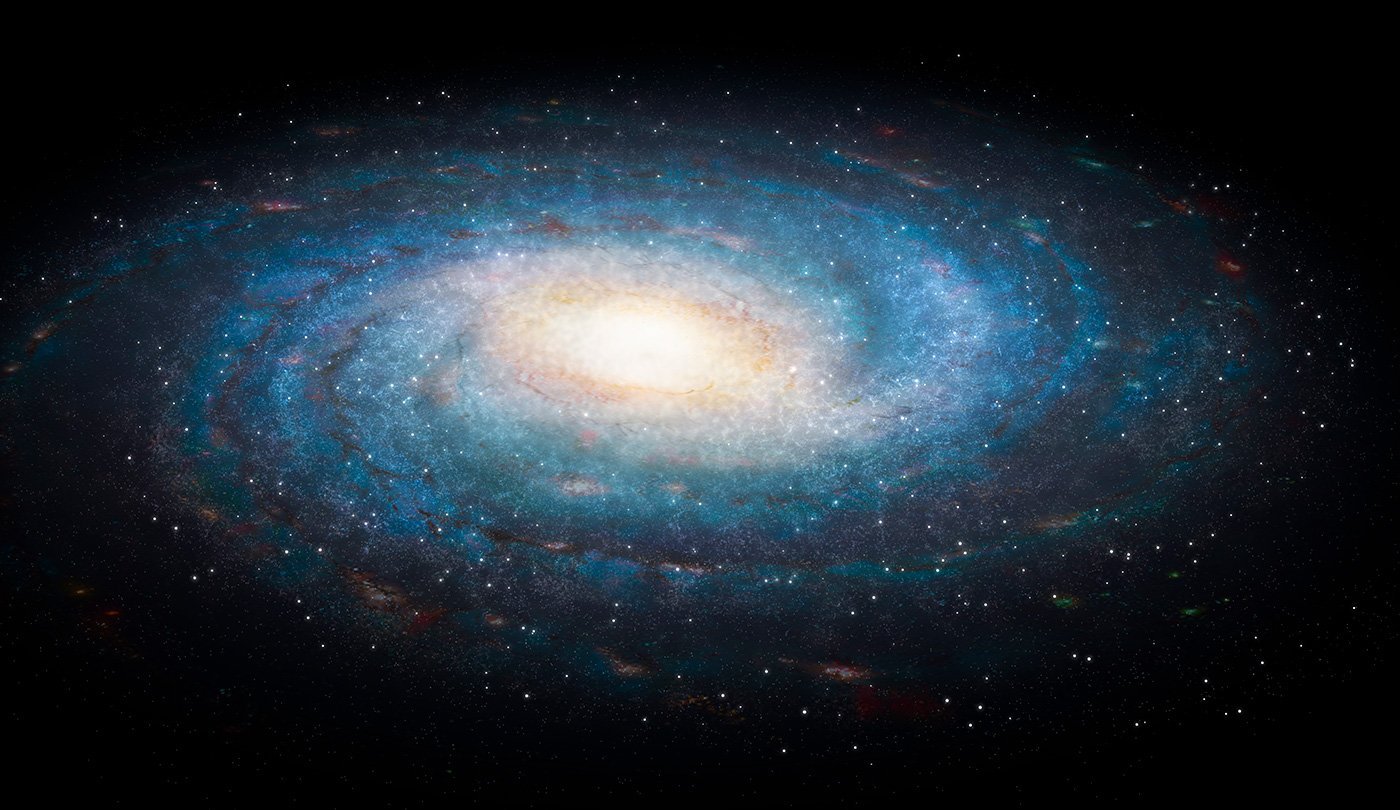
A new study indicates that the formation of Earth’s crust goes through cycles, with periods of increased crust production roughly every 200 million years, corresponding to the solar system’s transit through the spiral arms of the Milky Way.
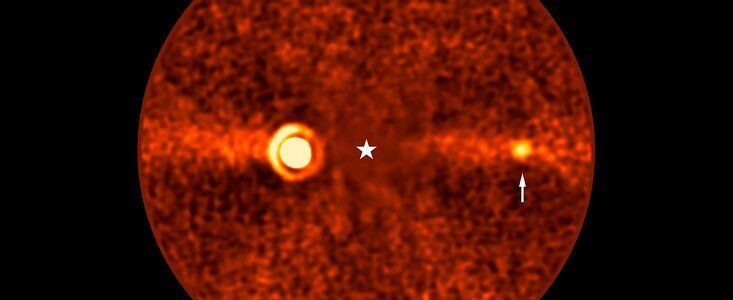
A team of astronomers have discovered a third planet orbiting the star Beta Pictoris. The new planet, Beta Pictoris d, is 100 times fainter than Beta Pictoris b and is among the lightest exoplanets ever to be imaged from the ground.
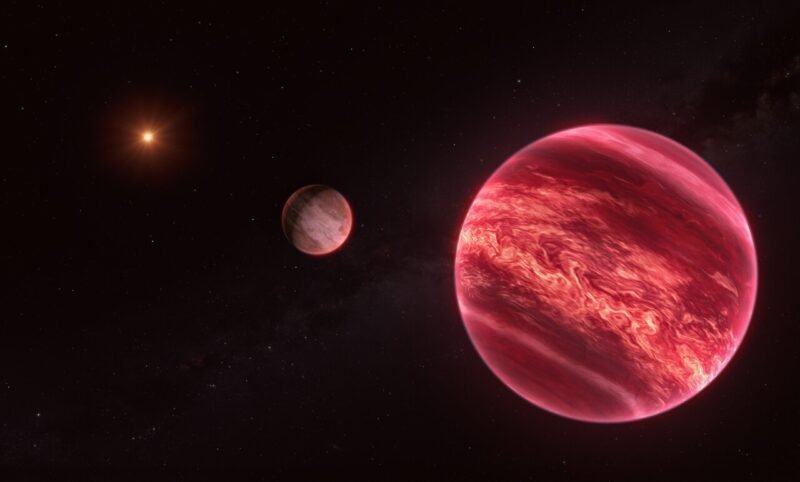
European Southern Observatory said astronomers using the Very Large Telescope in Chile believe they have detected an exomoon. Only, there’s one problem: it doesn’t orbit a planet. Instead, it orbits a brown dwarf.

The Hillsborough meteorite is helping NASA scientists uncover new clues about ancient water, the chemical evolution of primitive asteroids, and the ingredients that may have helped make life possible.


