
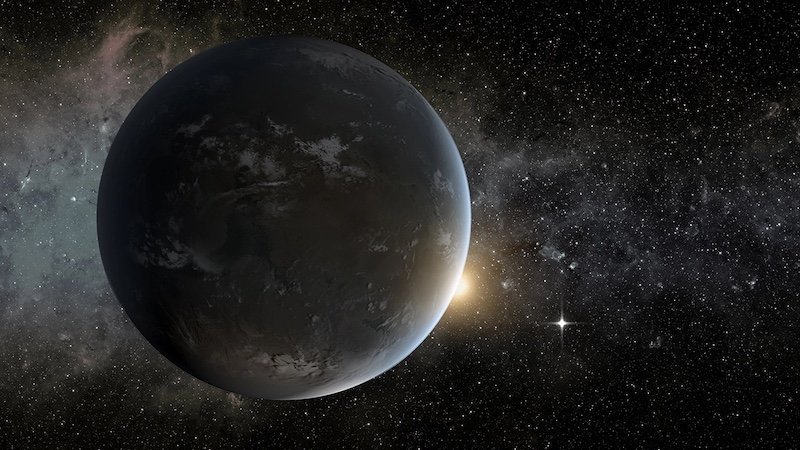
The planet, LHS 1140 b, is a super-Earth planet about 48 light-years from us. LHS 1140 b orbits a red dwarf star within the so-called habitable zone.
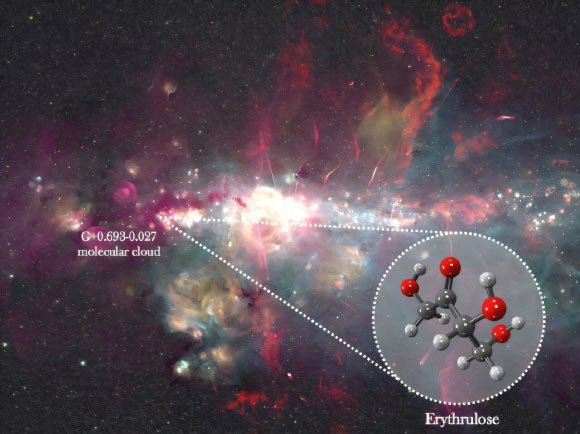
Using the Yebes 40-m and IRAM 30-m radio telescopes, astronomers have discovered erythrulose, a four-carbon sugar commonly found in raspberries, in the molecular cloud G+0.693-0.027.
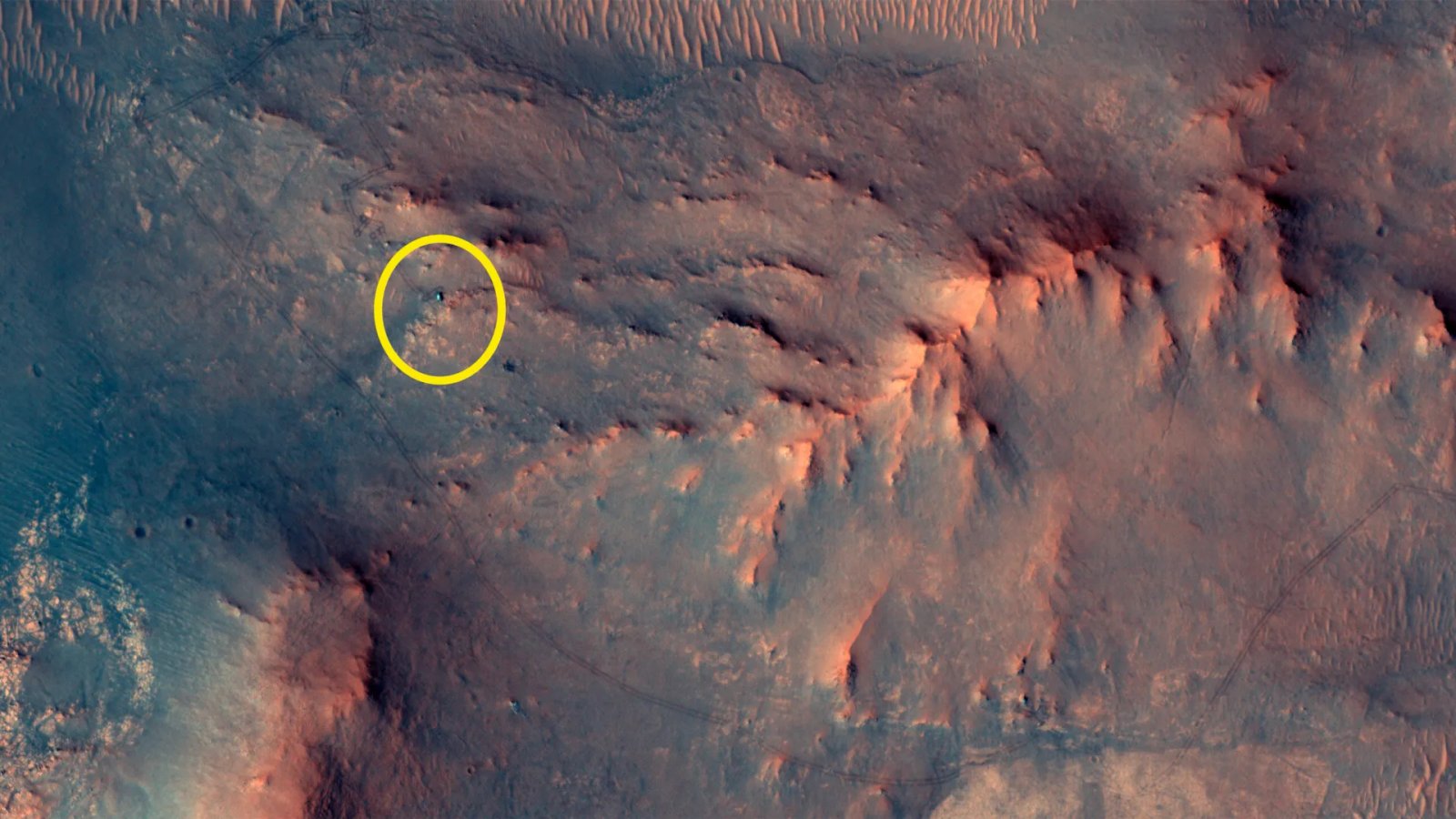
NASA's Perseverance rover has reached an impressive new milestone on Mars, completing the equivalent of a full marathon by driving 42.195 kilometers across the Red Planet.
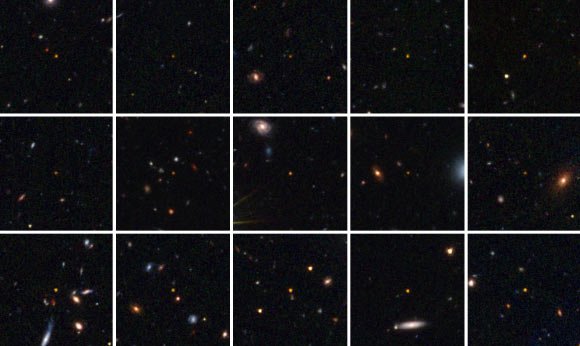
Astronomers using ESA’s Euclid space telescope have discovered 31 ancient quasars from a time when the Universe was just 670 to 800 million years old.
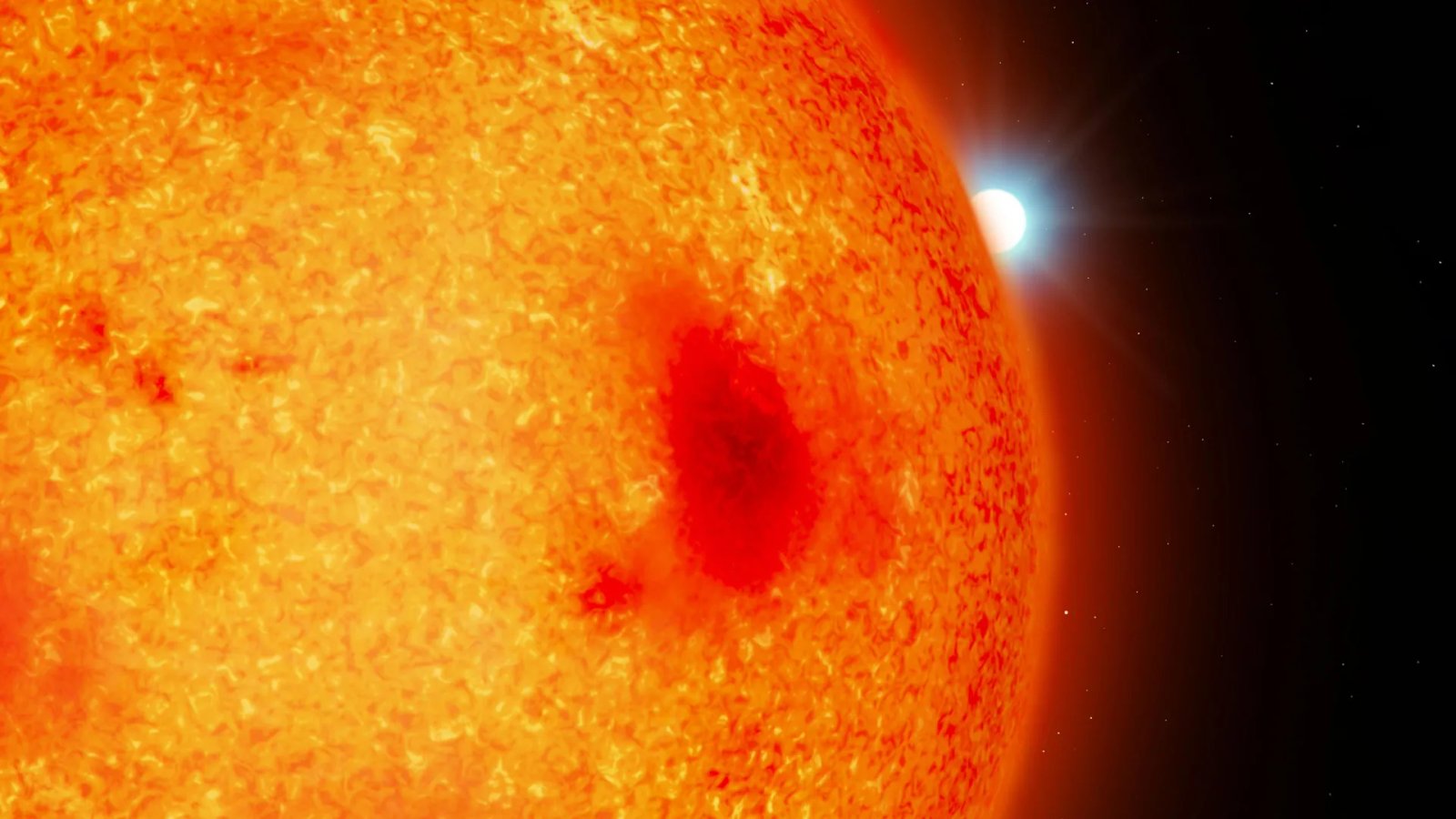
Four nearby white dwarf stars have been discovered hiding in plain sight beside brighter red dwarf companions. Hubble's observations finally revealed the long-hidden stellar remnants, including one just 25 light-years away.
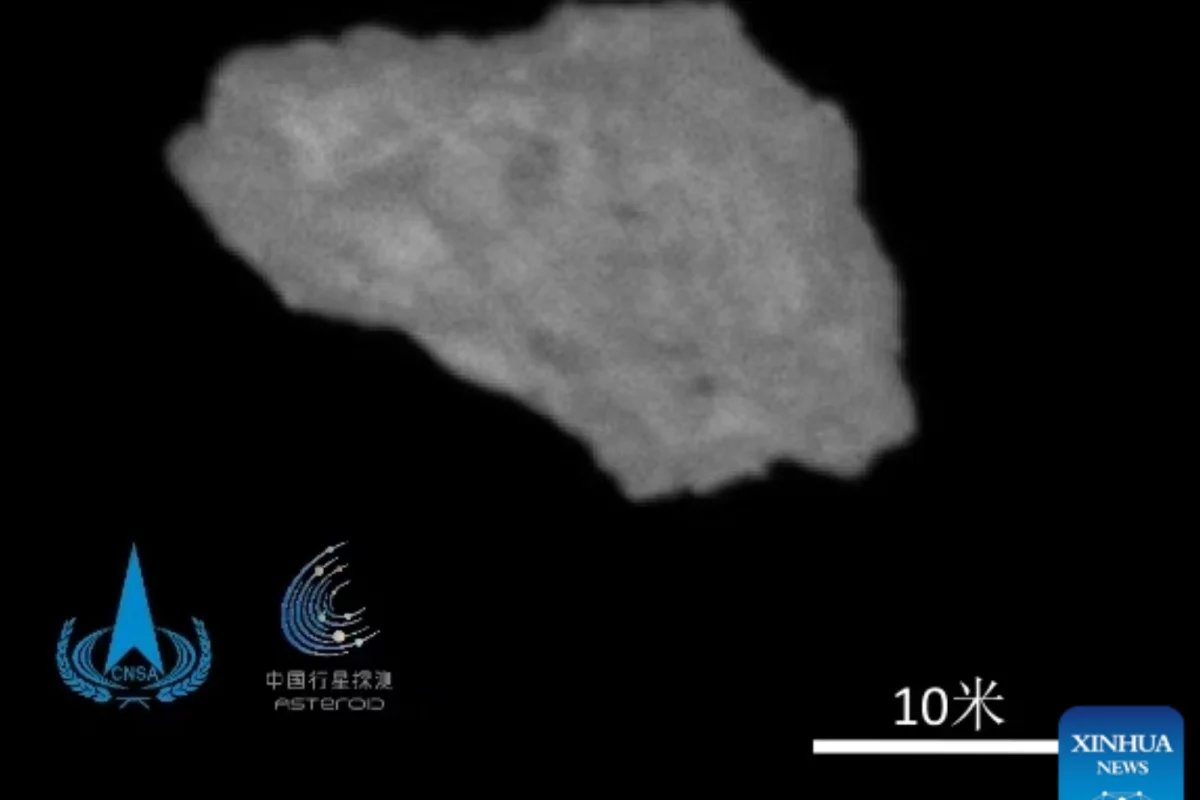
China’s Tianwen-2 probe snapped the picture of the Earth quasi-sattelite Kamo'oalewa, after completing a landmark 1 billion-km journey that began last year. Kamo'oalewa is believed to be a piece of our own Moon.
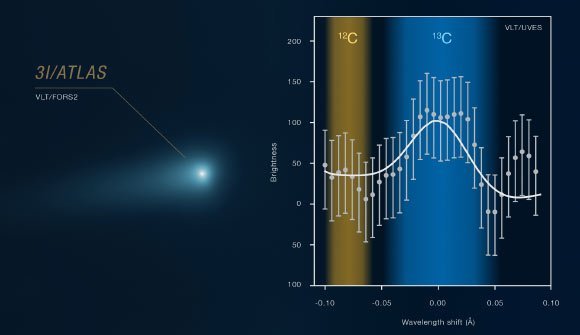
A new analysis suggests the interstellar comet formed in the cold outer reaches of a protoplanetary disk surrounding a star far older and more metal-poor than our own.
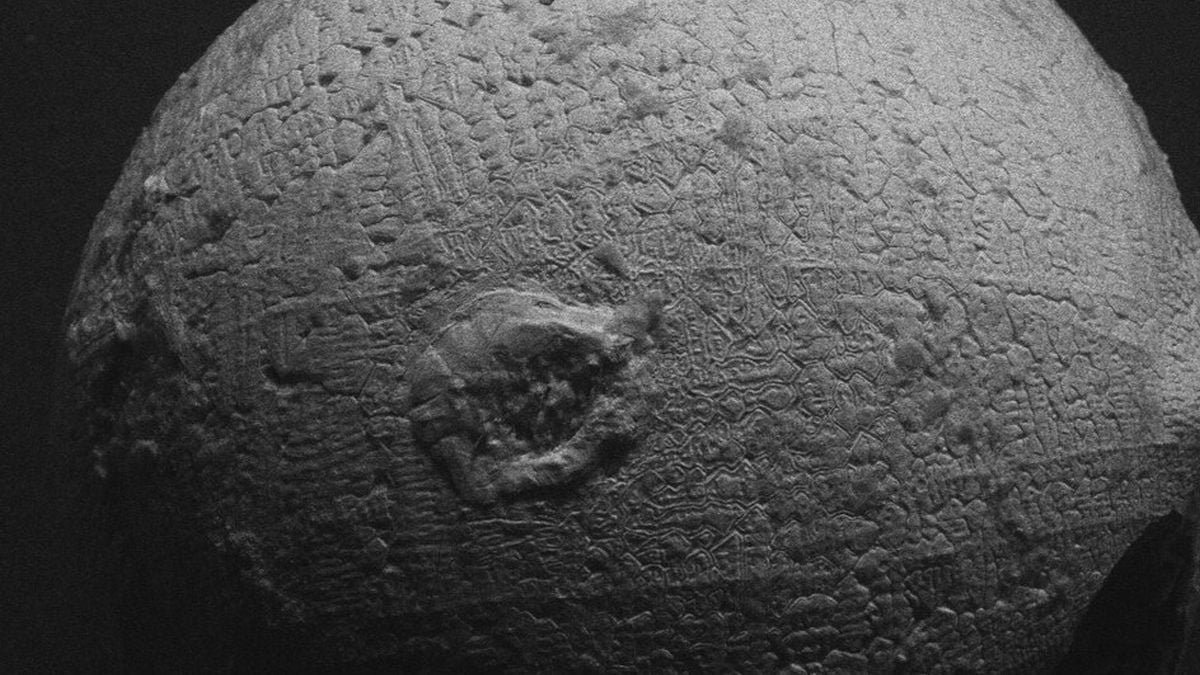
Earth is regularly hit by space rocks we have never found. A large amount of space material hitting Earth comes from unknown, primitive asteroids that do not have representation in our meteorits collection. Micrometerites could be the missing link.
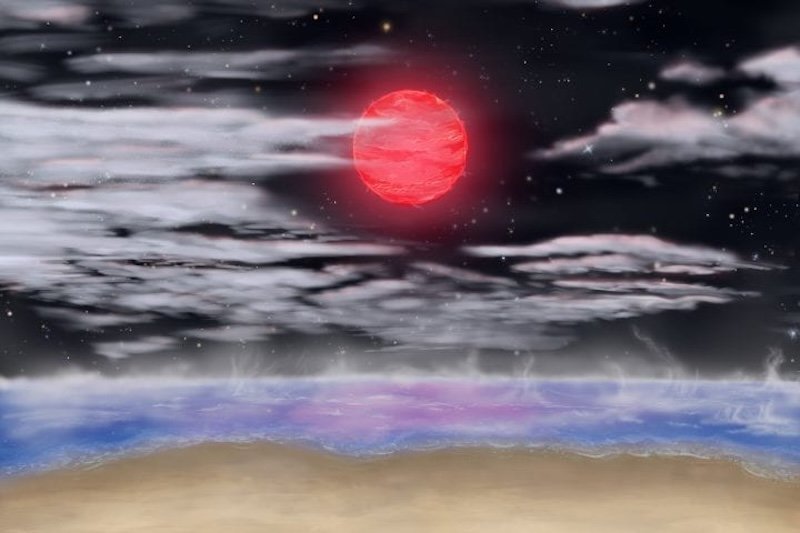
Astronomers have discovered a new Earth-like planet that might be a good candidate for habitability.
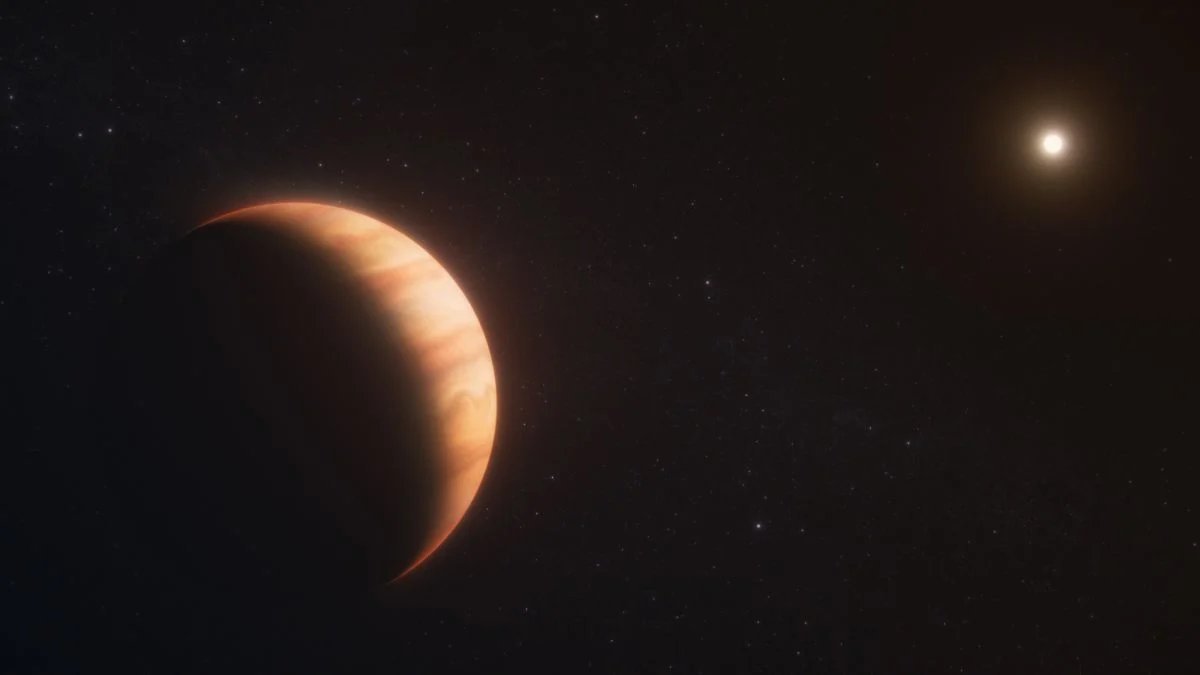
Using JWST, astronomers have just obtained humanity's first glimpse inside the atmosphere of the giant planet WD 1856b, which orbits a white dwarf – and found it far hotter than anyone expected.

For the first time, researchers say they’ve built a cell entirely from nonliving chemical ingredients that can feed, grow, and replicate.
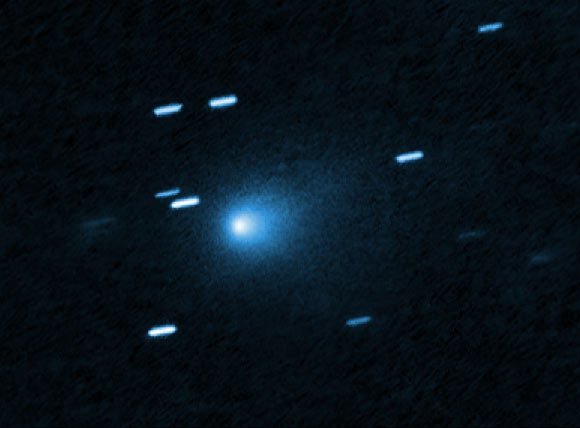
The interstellar comet 3I/ATLAS carries a chemical fingerprint unlike anything in our Solar System, and it may have formed 10 to 12 billion years ago, before our Sun even existed, according to two papers published recently.
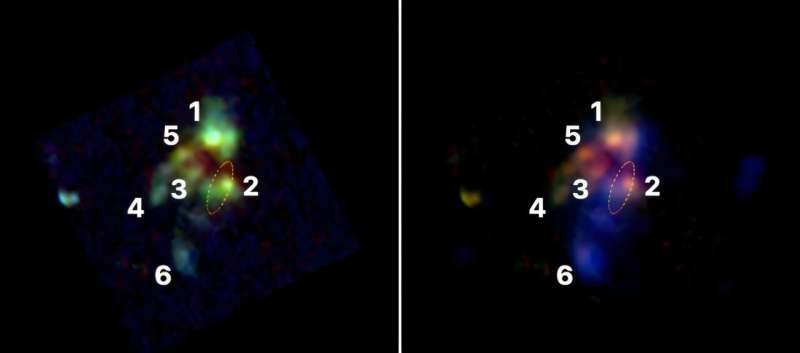
A compact group of at least six galaxies that are likely to merge into a single enormous system. At the heart of this cosmic construction site lies a growing supermassive black hole.
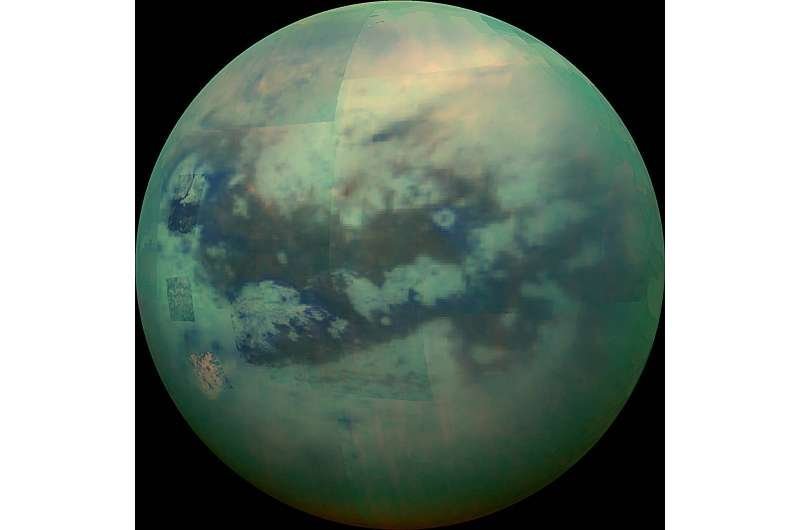
Recently, a team of scientists identified an absorption line coming from Saturn's moons Titan and Pluto that has not yet been seen anywhere else.
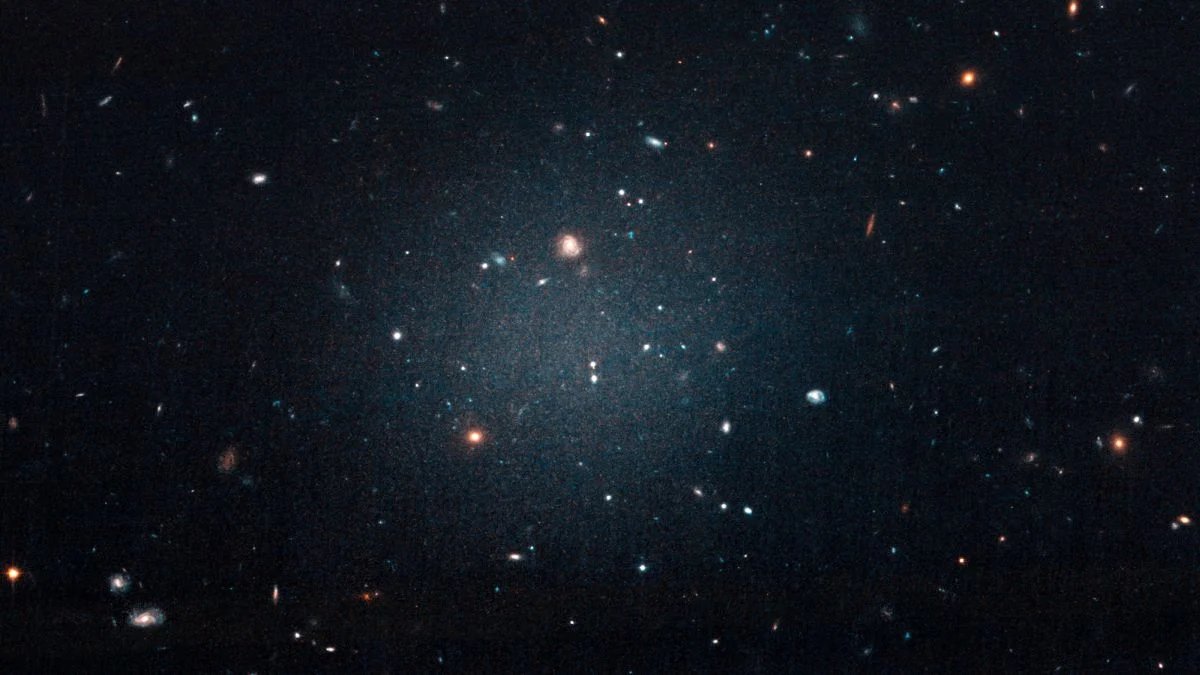
Its name is NGC 1052-DF9, and it's neither the first, nor the second, but the third galaxy yet whose motions can be explained without dark matter.


