

A team from the US and Spain has identified more than 500 deep earthquakes beneath the continent, and they are trying to find explanations that fit the data.
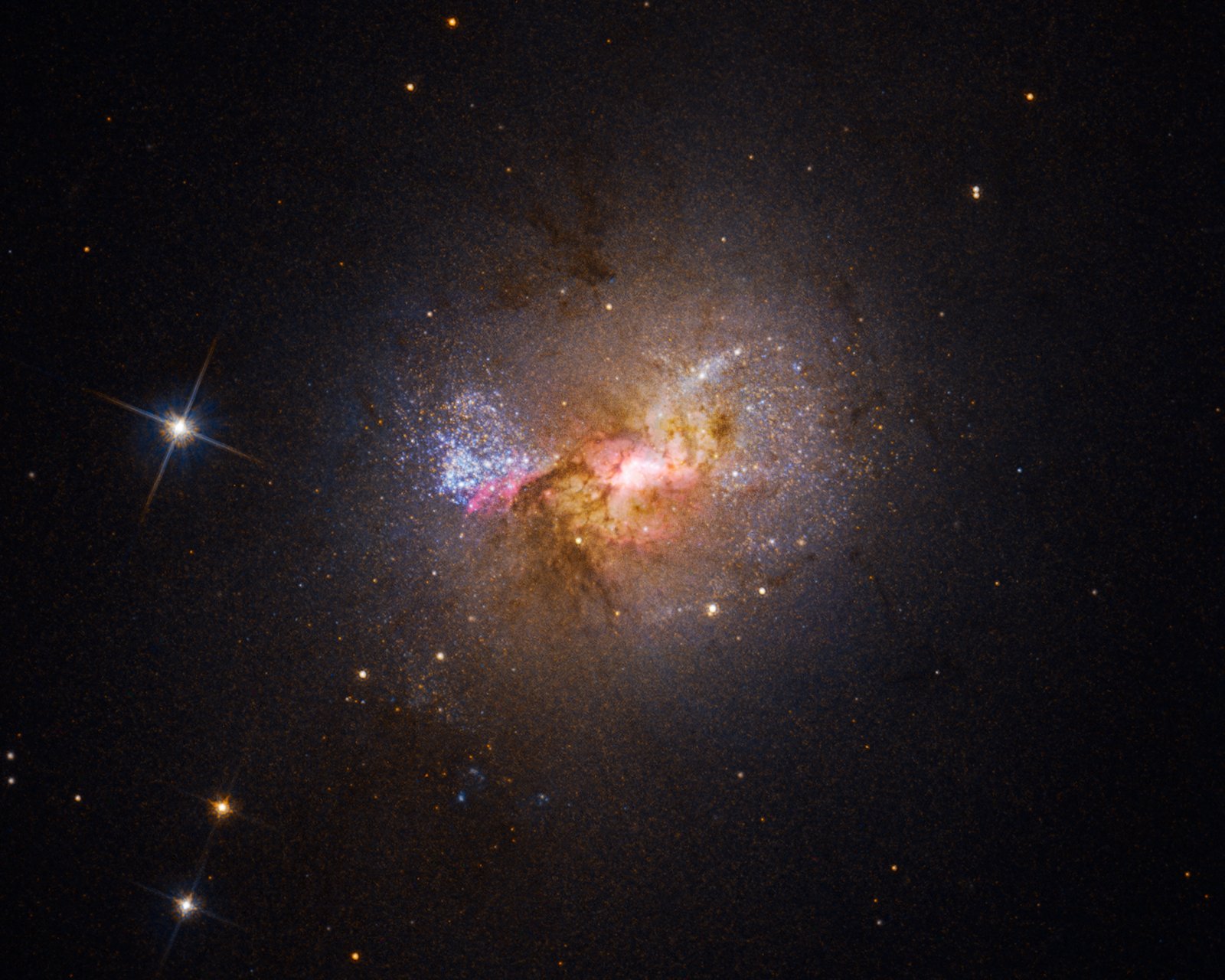
A new census found more active galactic nuclei in small galaxies than ever before, plus a sharp uptick in numbers as galaxy mass increases.
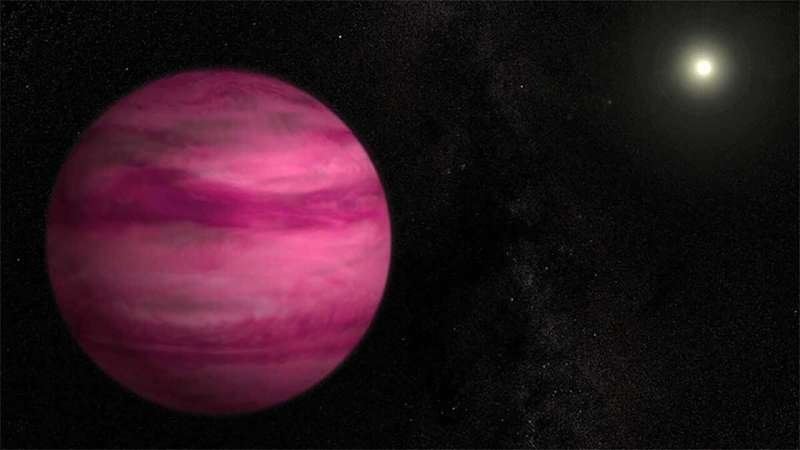
Astronomers have discovered salty skies surrounding the universe's famous "Pink Planet." For more than a decade, the ancient, rosy-hazed world kept astronomers guessing.
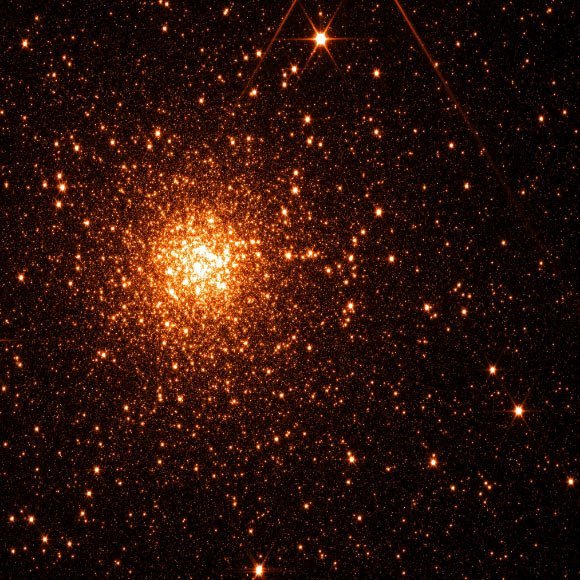
New data not only confirm the existence of two distinct populations of stars in the ancient stellar system Terzan 5, once classified as a globular cluster, but also provides evidence for two more recent rounds of star formation.

Consciousness may arise not just in the biological tissue we find on Earth, but potentially in radically different physical materials found elsewhere in the cosmos.
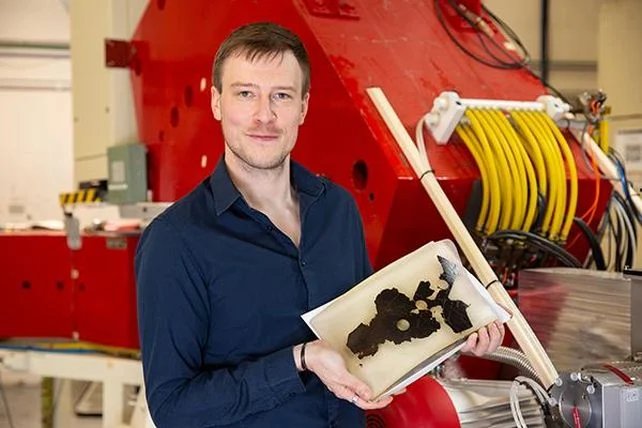
A sprinkling of radioactive plutonium atoms hidden in the ocean floor may trace back to a cosmic cataclysm more than 100 million years ago.
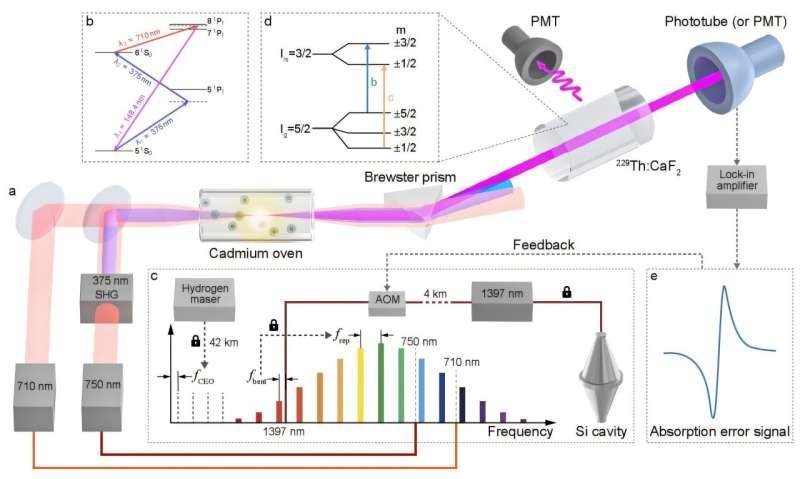
Two independent research teams have achieved a longstanding goal in physics: building a working nuclear clock.
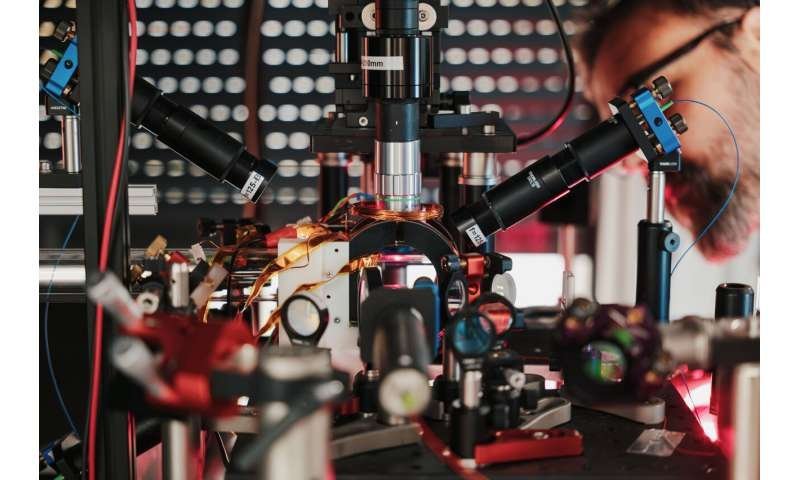
Scientist has built a "mini-universe" that takes a step toward answering one of science's biggest questions: "What is time?
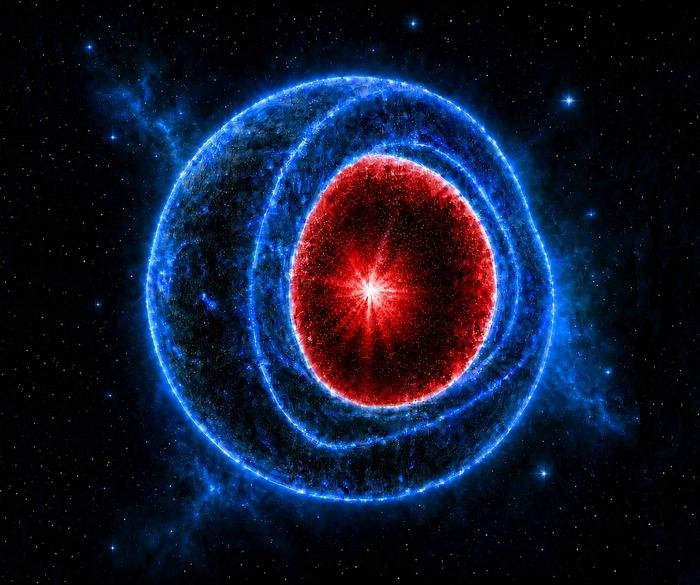
A gravastar (gravitational vacuum star) is a hypothetical cosmic object proposed as an alternative to a black hole.
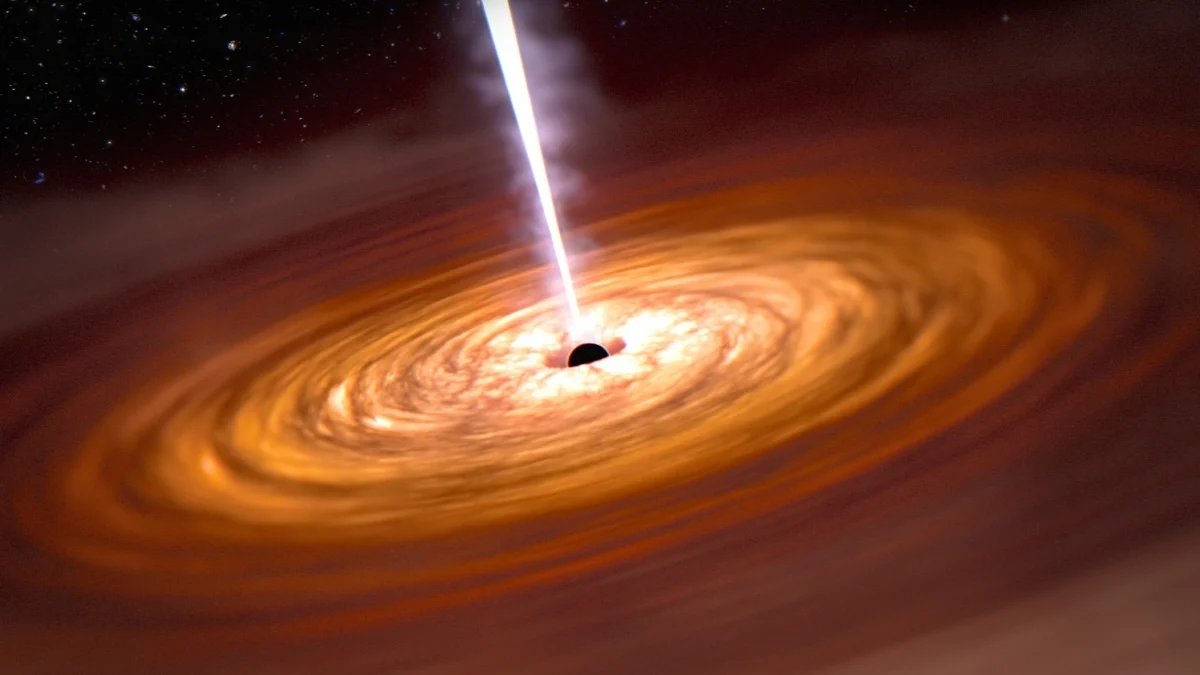
Astronomers have discovered the earliest known flickering quasar, whose light has traveled more than 13 billion years to reach us.
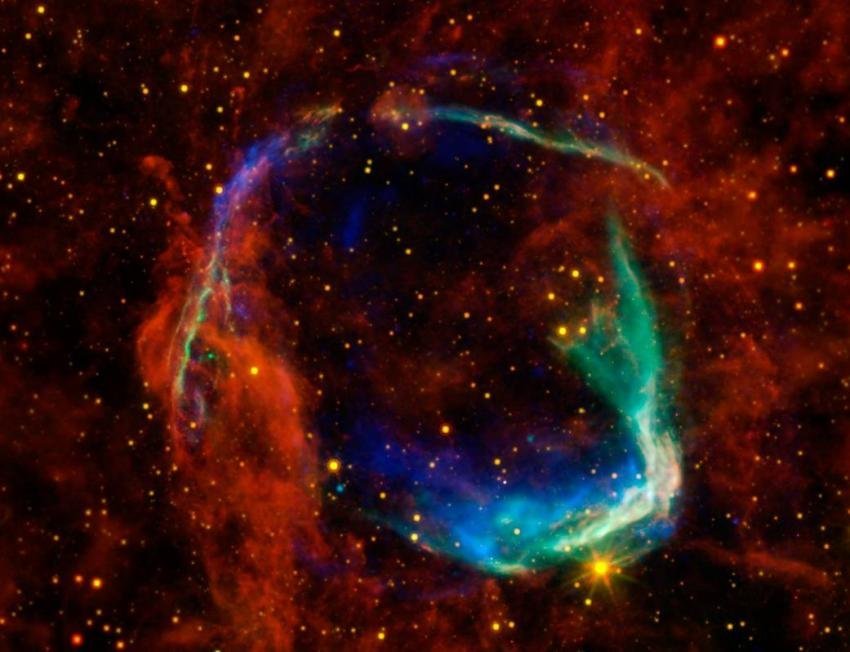
A study published last year claiming the growth of the universe is slowing has been refuted. Our universe's expansion is still accelerating despite recent claims suggesting otherwise, an international team of astrophysicists say.
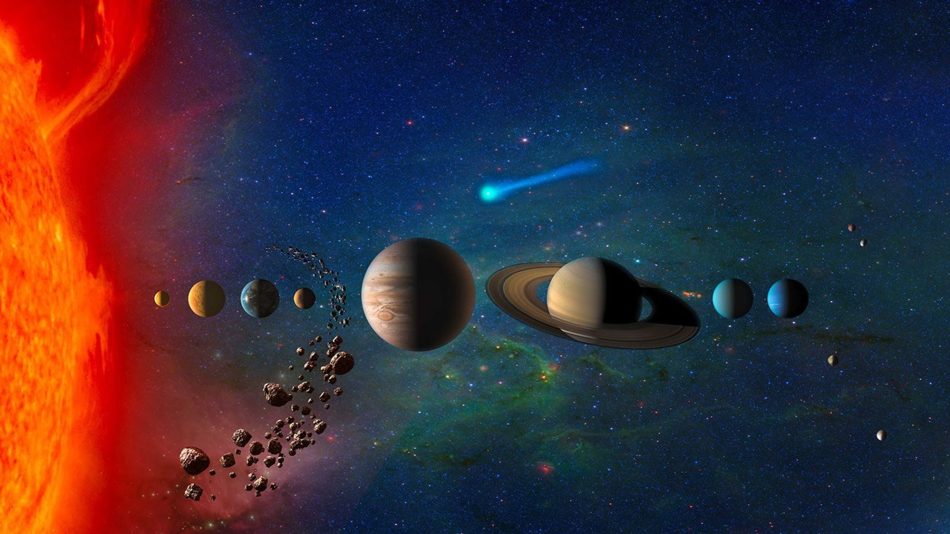
Our Solar System may once have hosted not two, but three ice giants. This long-lost world could help explain why the outer planets and their moons look the way they do today.
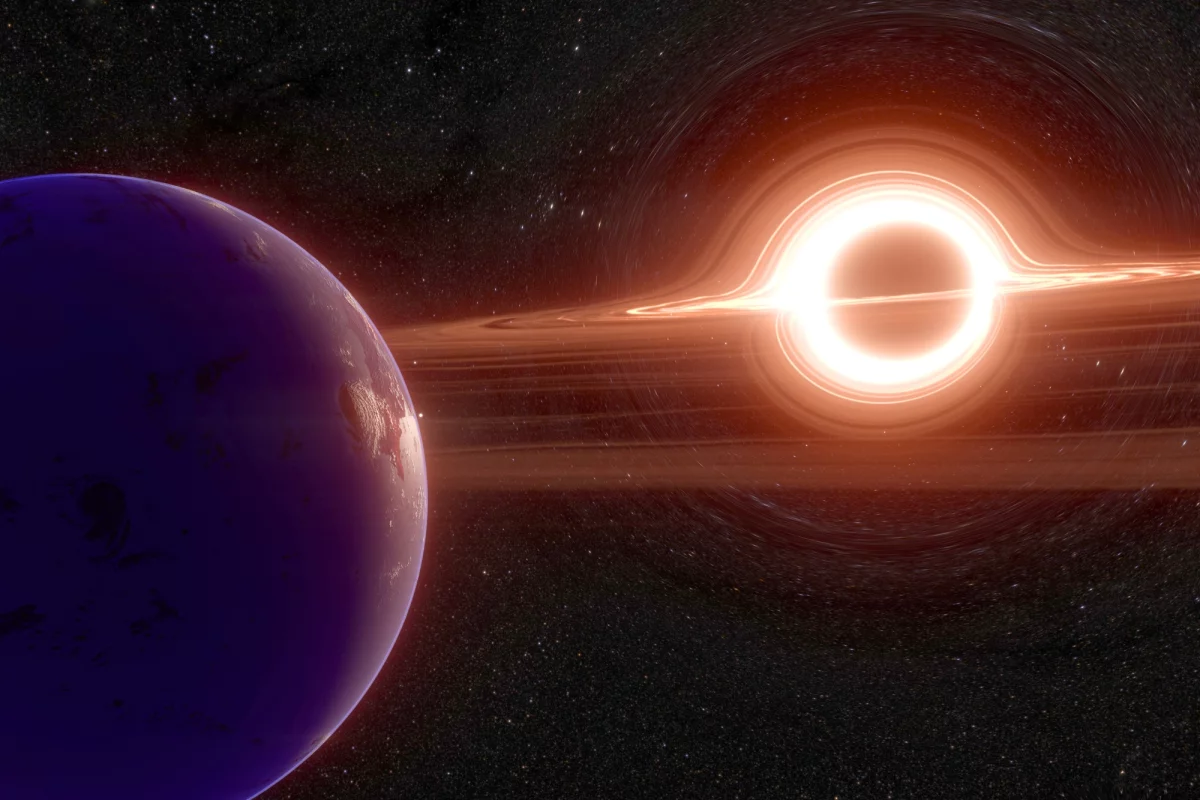
A new research estimates that of order tens of millions of planetary mass objects can form in outer regions of AGN accretion disks - active supermassive black holes.
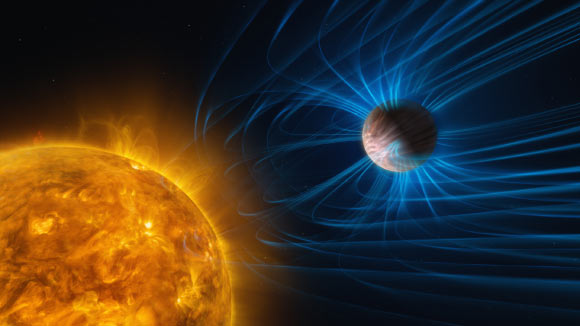
By tracking fierce winds racing through the atmospheres of seven ultra-hot Jupiters, astronomers have uncovered the strongest evidence yet that magnetic fields shape weather on worlds beyond our Solar System.
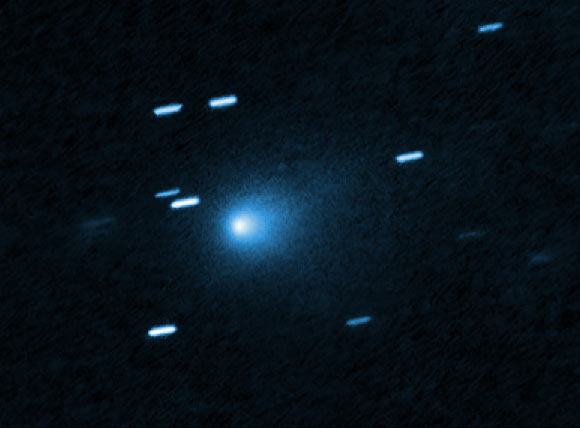
Using the spectral data, James Webb Space Telescope, astronomers have detected methane on 3I/ATLAS. This is the first direct detection of methane in an interstellar object.


