
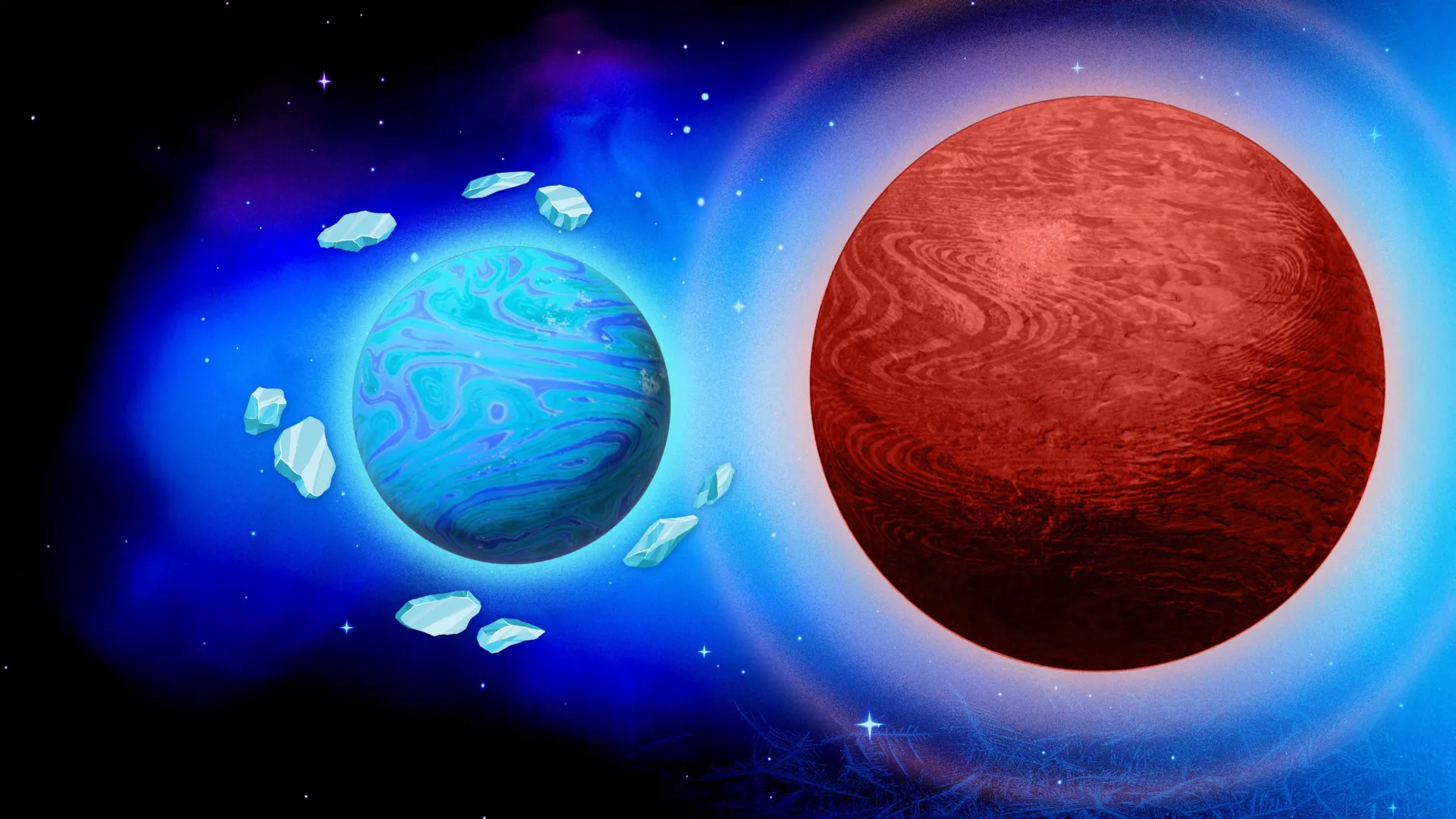
A bizarre planetary pairing 190 light-years away is challenging everything - a “lonely” hot Jupiter — typically found without nearby companions — is sharing its system with a smaller mini-Neptune tucked even closer to the star.
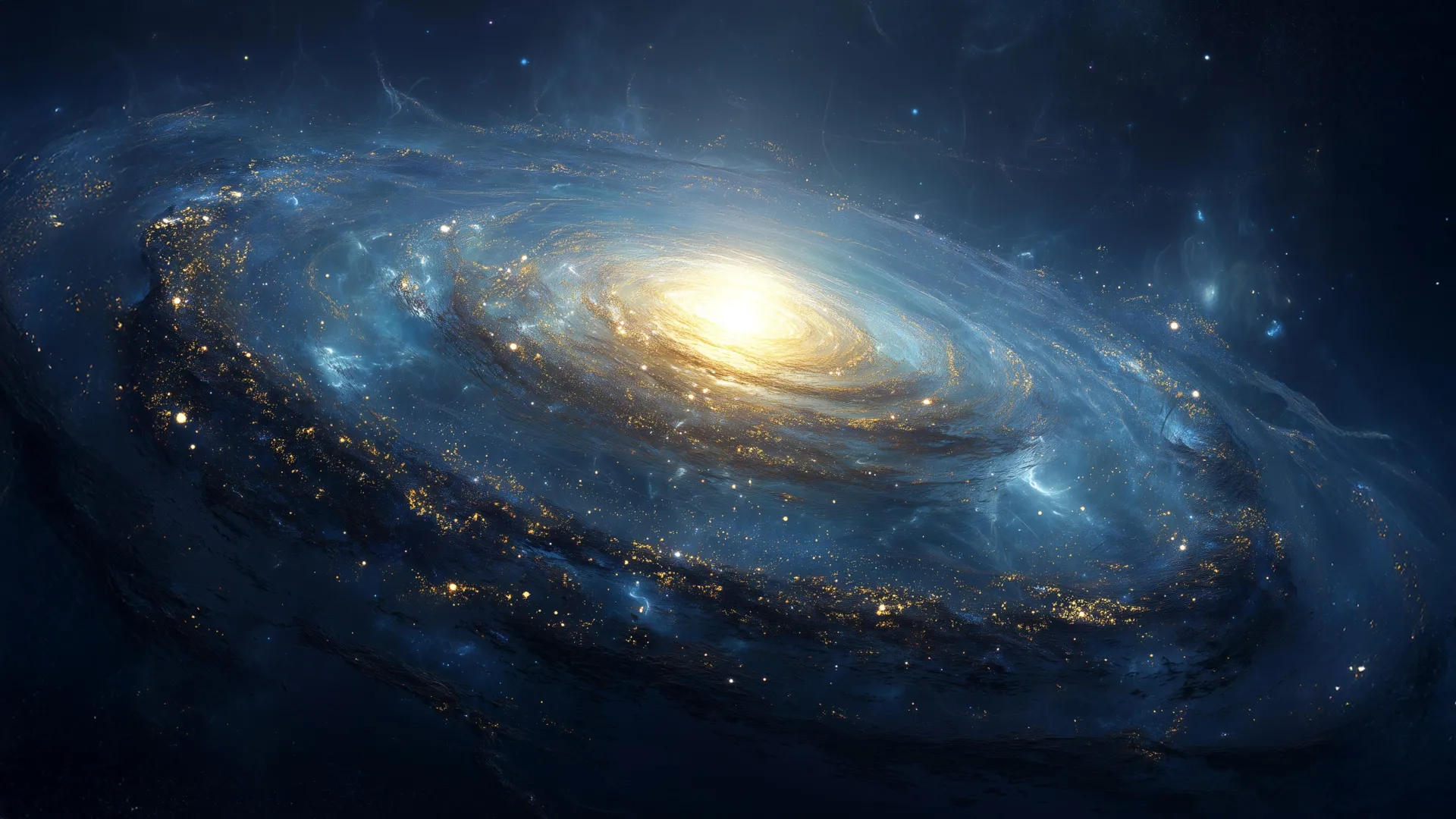
Astronomers using the James Webb Space Telescope have spotted something that shouldn’t exist—at least not so early in the universe. A massive galaxy, formed less than 2 billion years after the Big Bang, appears to have no rotation at all.
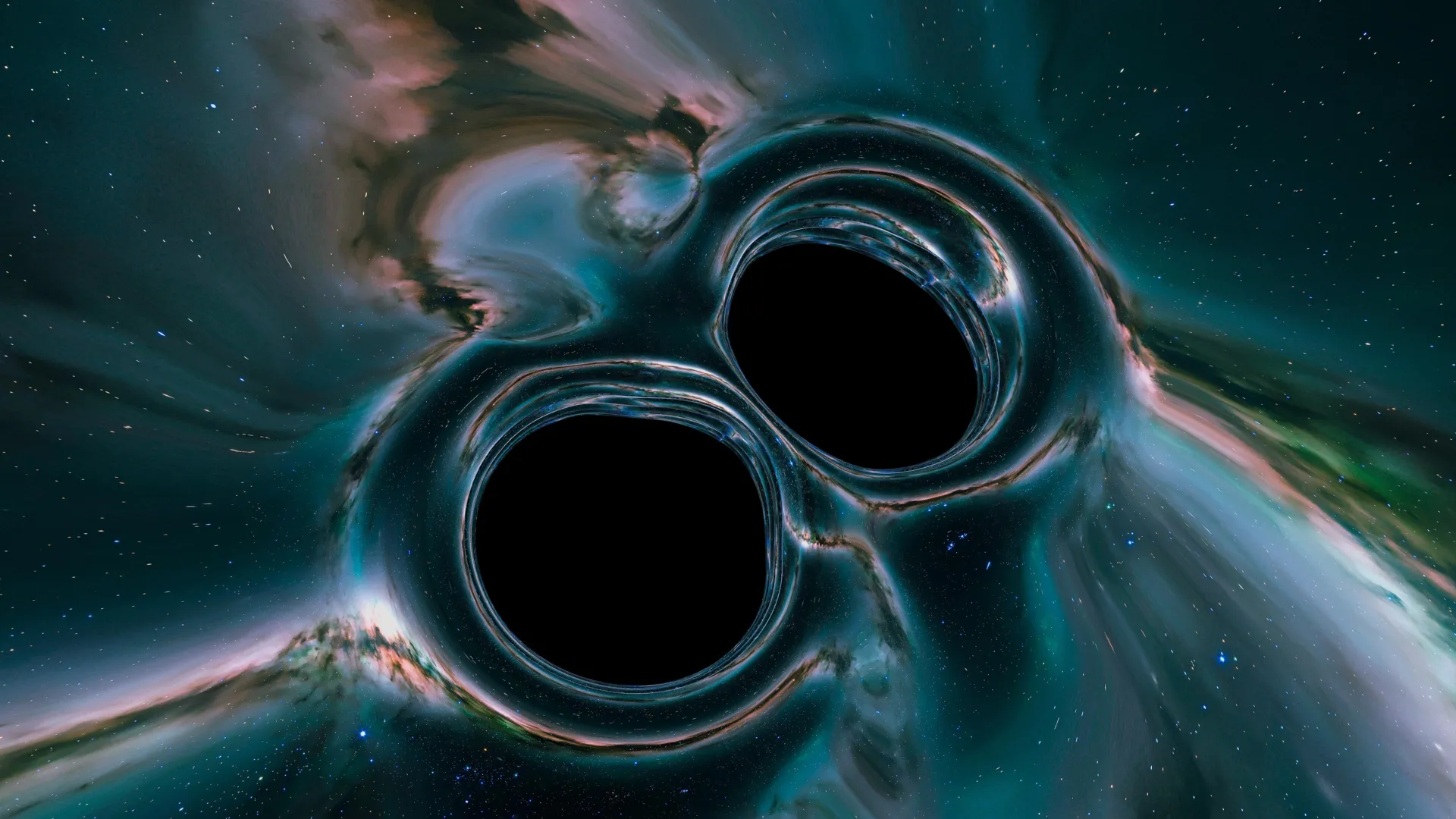
The Universe’s biggest black holes may not be born giants after all. Scientists analyzing gravitational-wave signals from dozens of black hole collisions found evidence that the heaviest black holes are likely “cosmic recyclers” .
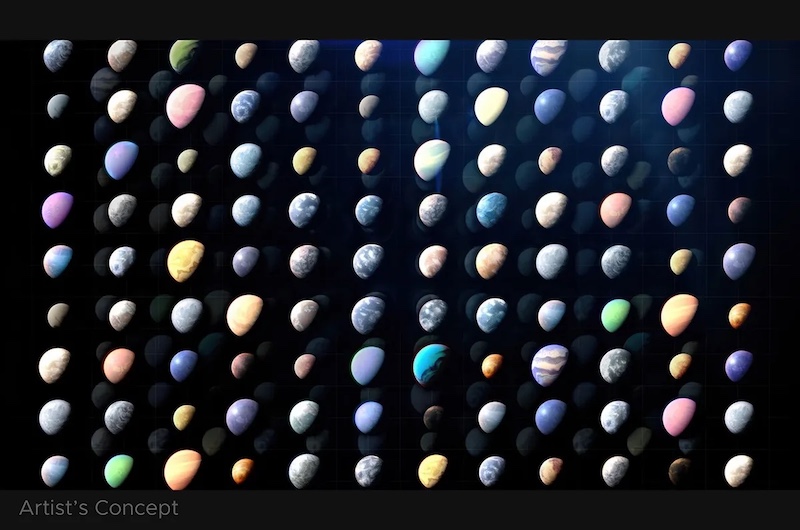
NASA has uncovered over 10,000 new candidate planets across our galaxy. Scientists found them through a single survey of data captured by the TESS space telescope.
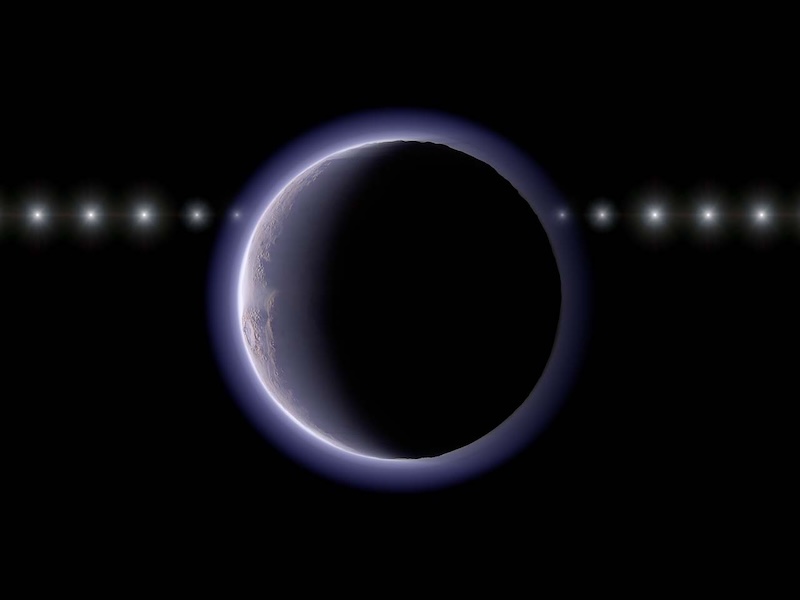
Astronomers have spotted a tiny world with an atmosphere beyond the orbit of Neptune. It should be too small for an atmosphere to be possible.
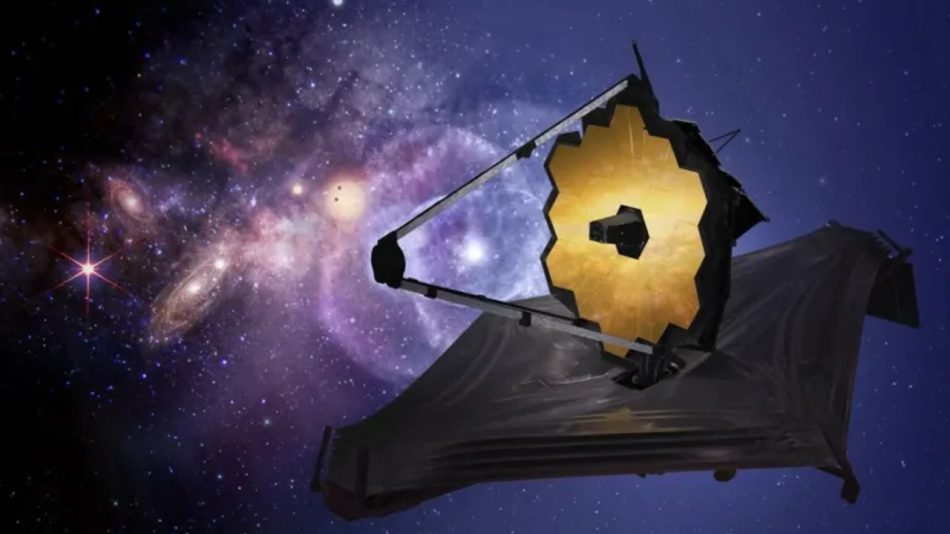
Astronomers have discovered what they now call the most distant red galaxy identified to date.
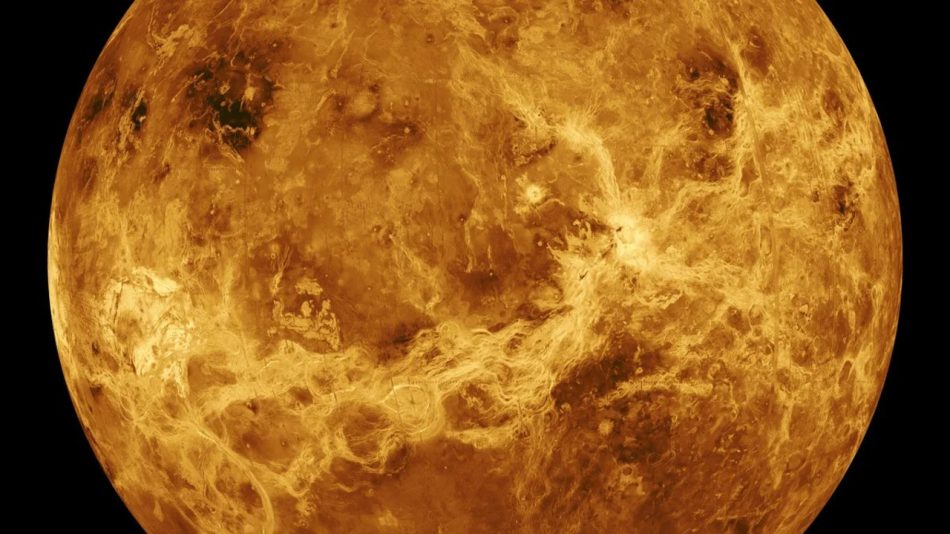
A team of astronomers have discovered a giant volcanic cave hiding beneath the surface of Venus.
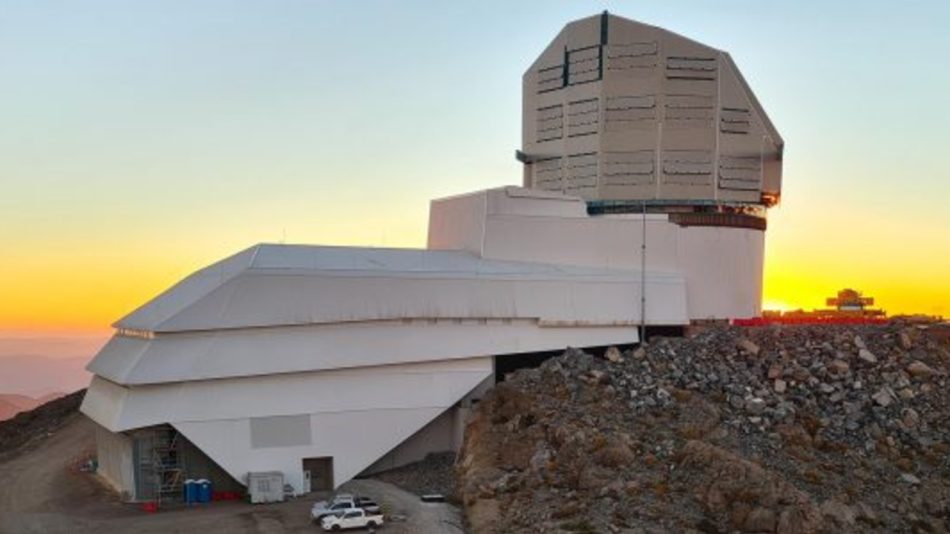
Despite not yet being fully operational, the new Vera C. Rubin Observatory in Chile has made a remarkable discovery of 11,000 asteroids in space.
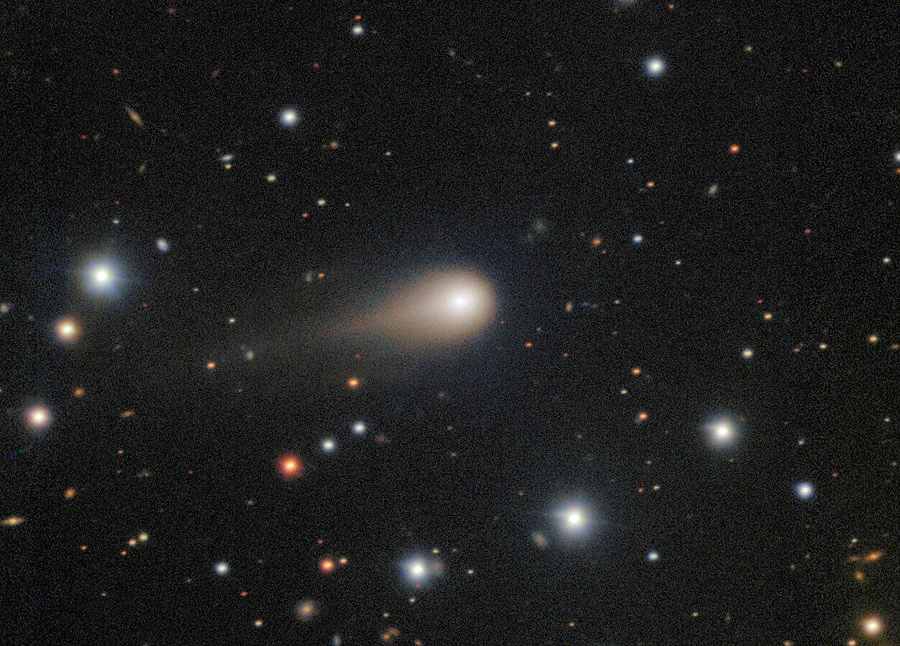
The most recent interstellar visitor was crisscrossing our galaxy for some 10 to 12 billion years before it came near the Sun.
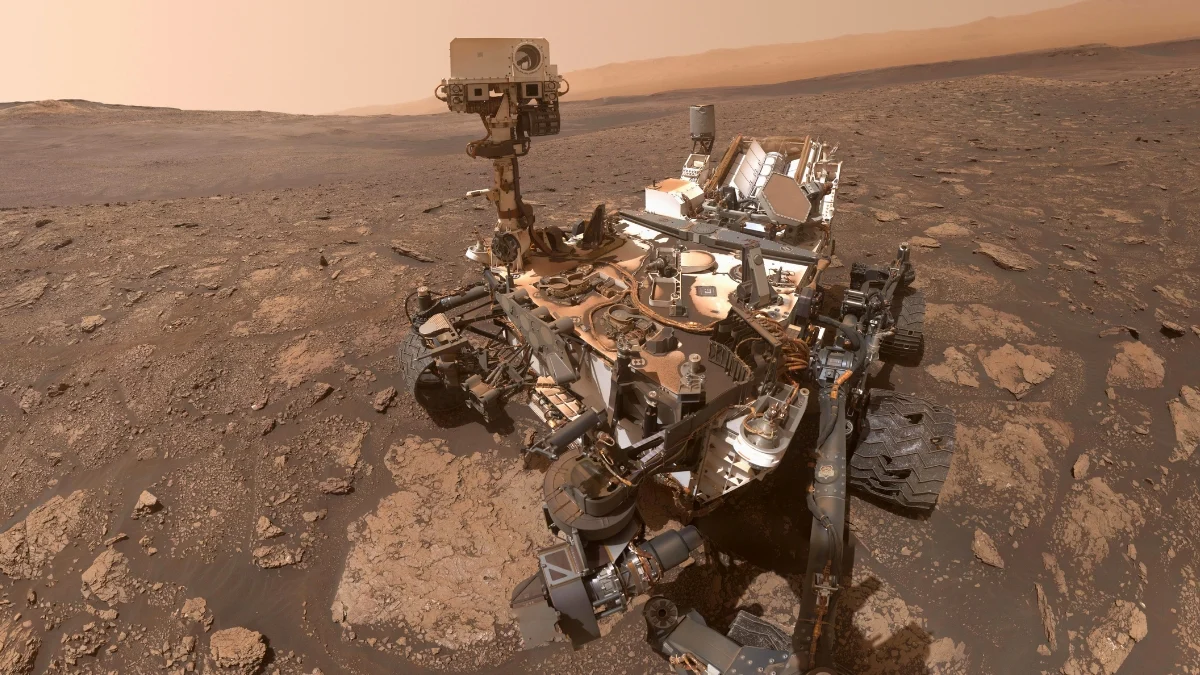
A NASA rover has discovered more building blocks of life on Mars after carrying out a chemistry experiment never before conducted on another planet.
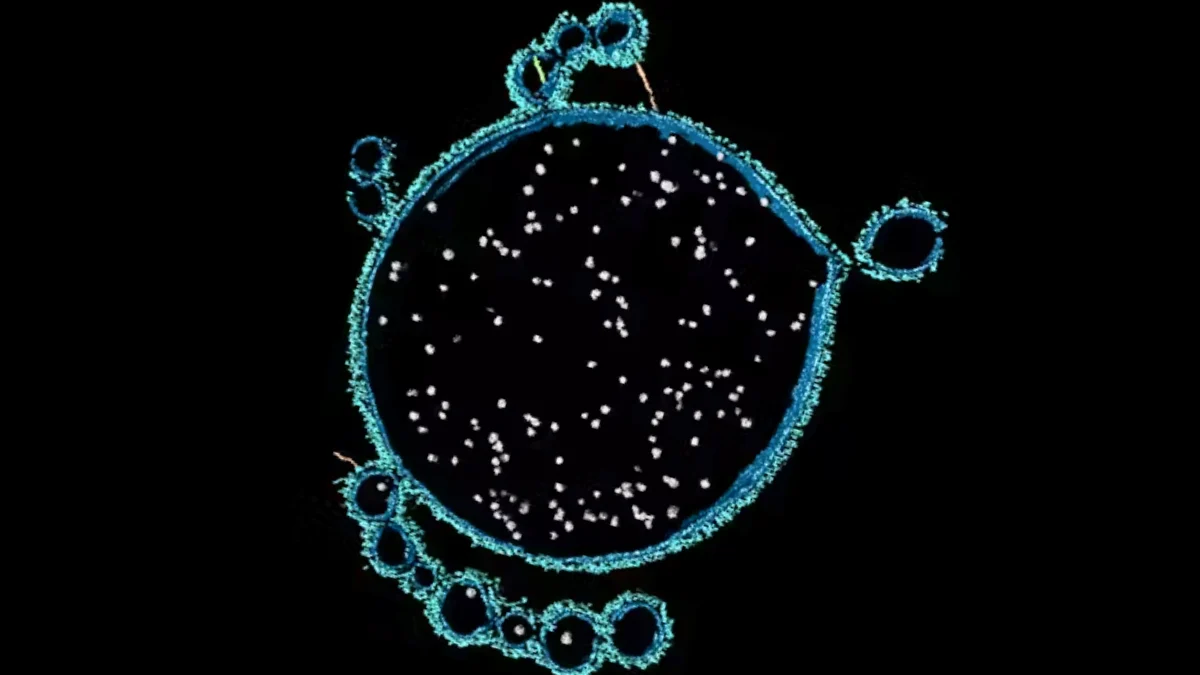
A newly dicovered archaeon from Shark Bay may preserve clues to the partnerships that helped complex life began.
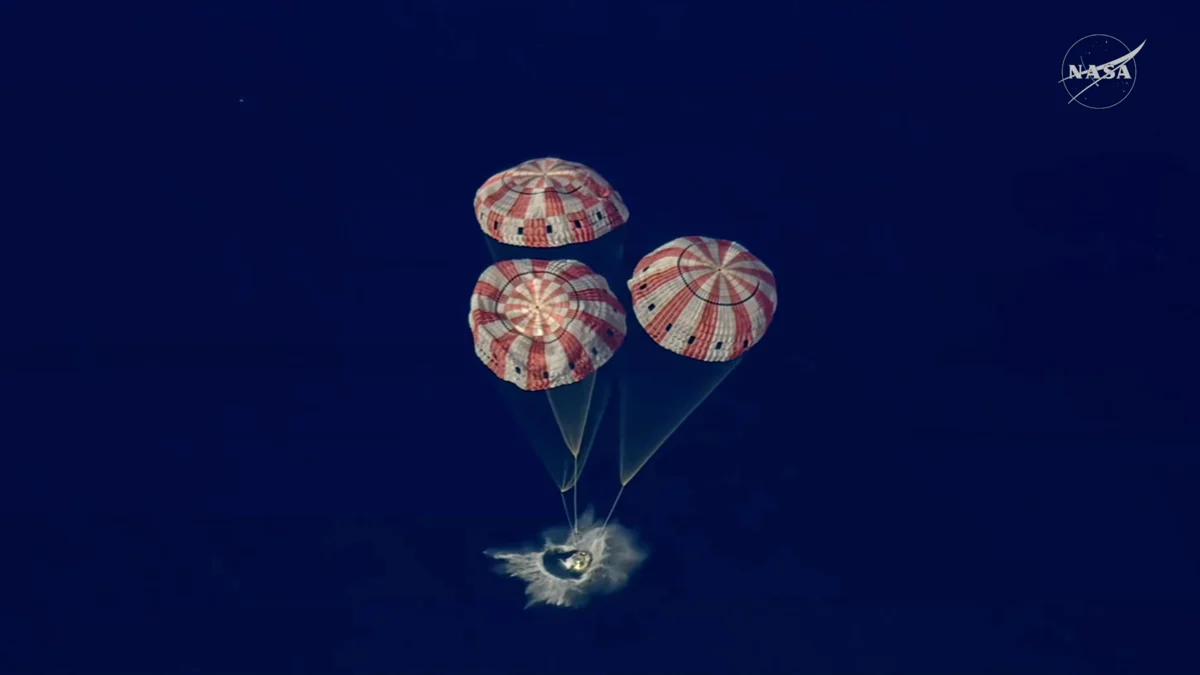
It was a triumphant homecoming for the crew of four whose record-breaking lunar flyby revealed not only swaths of the moon's far side — never seen before by human eyes — but a total solar eclipse.
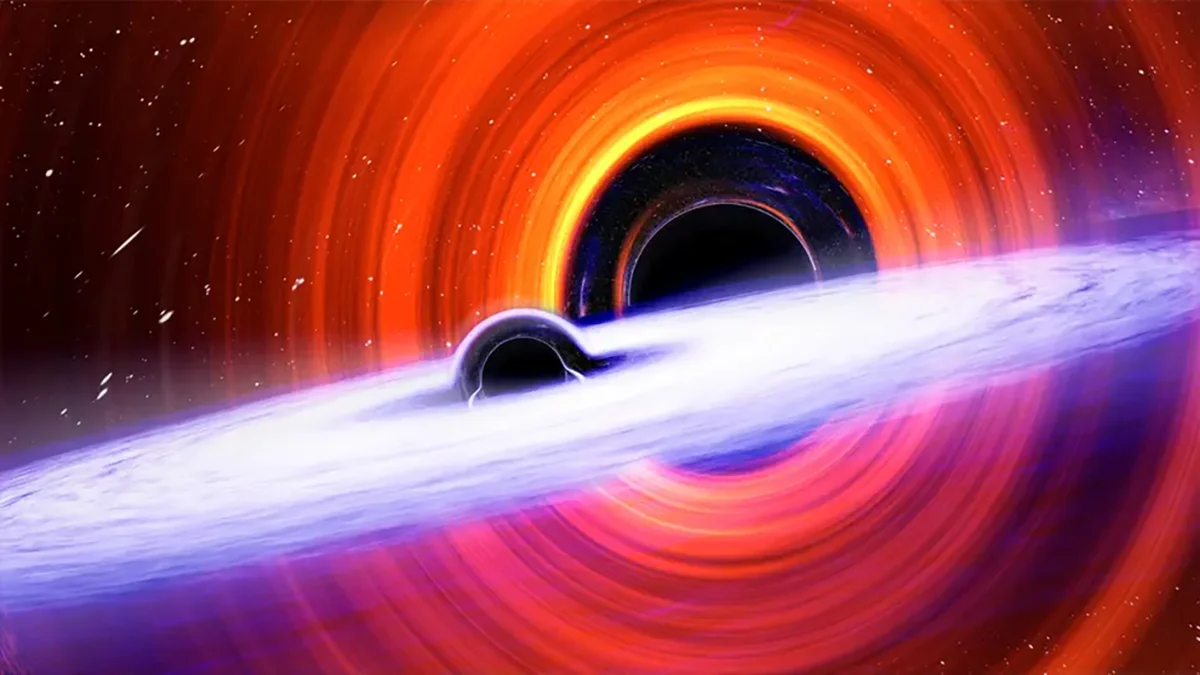
US astrophysicists have caught sight of a potential primordial black hole using the Laser Interferometer Gravitational-Wave Observatory (LIGO).
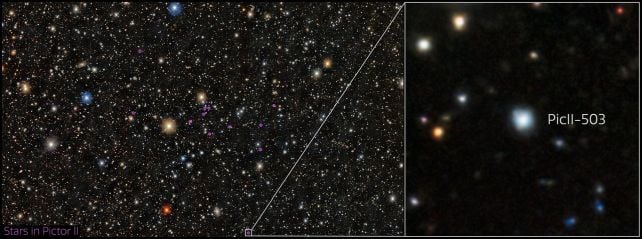
A group led by University of Chicago scientists has discovered a star that appears to date back to the second generation of stars ever formed.
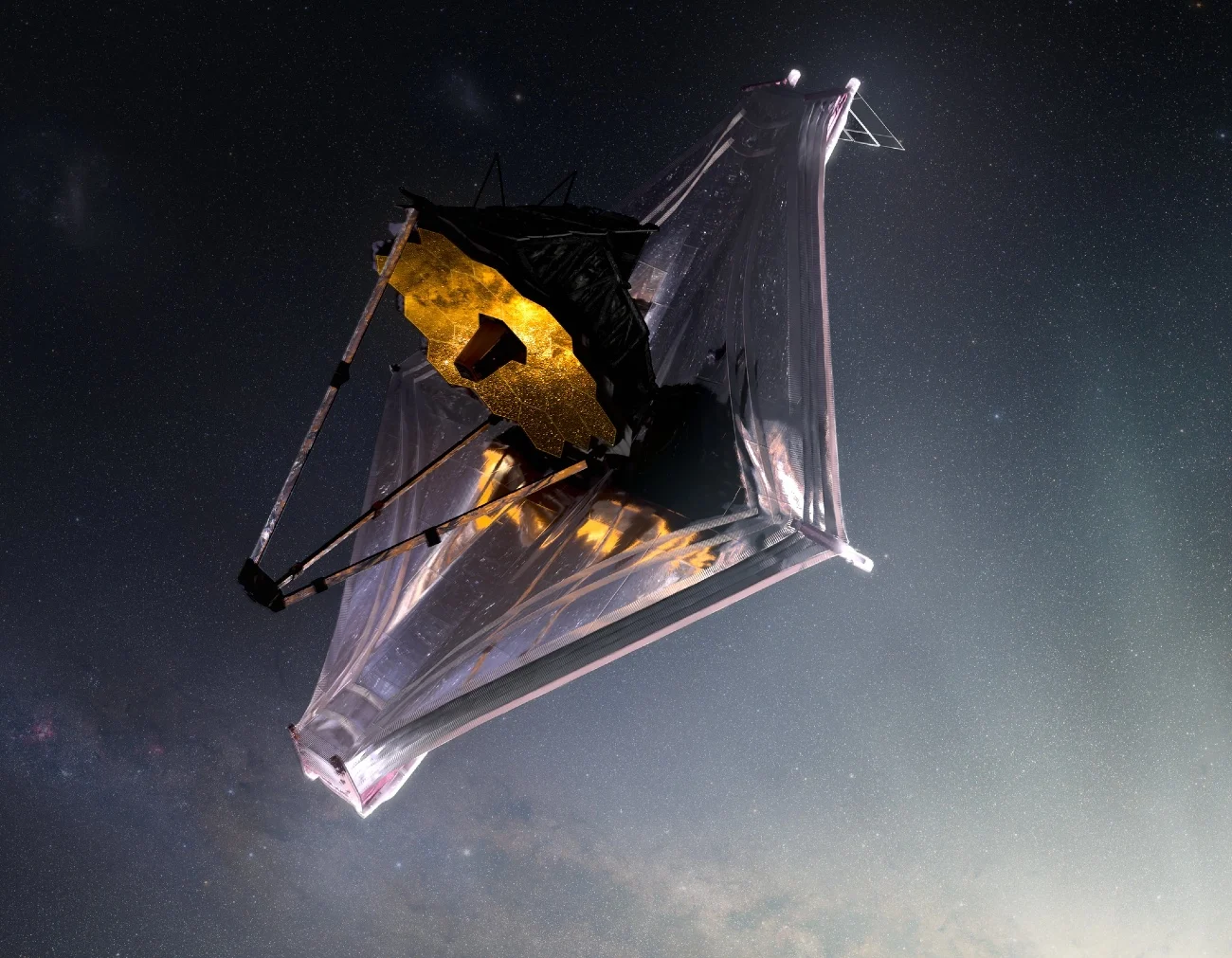
New findings reveal that exoplanet L 98-59 d appears to belong to an entirely different class of planet containing heavy sulphur molecules within a permanet magma ocean.


