
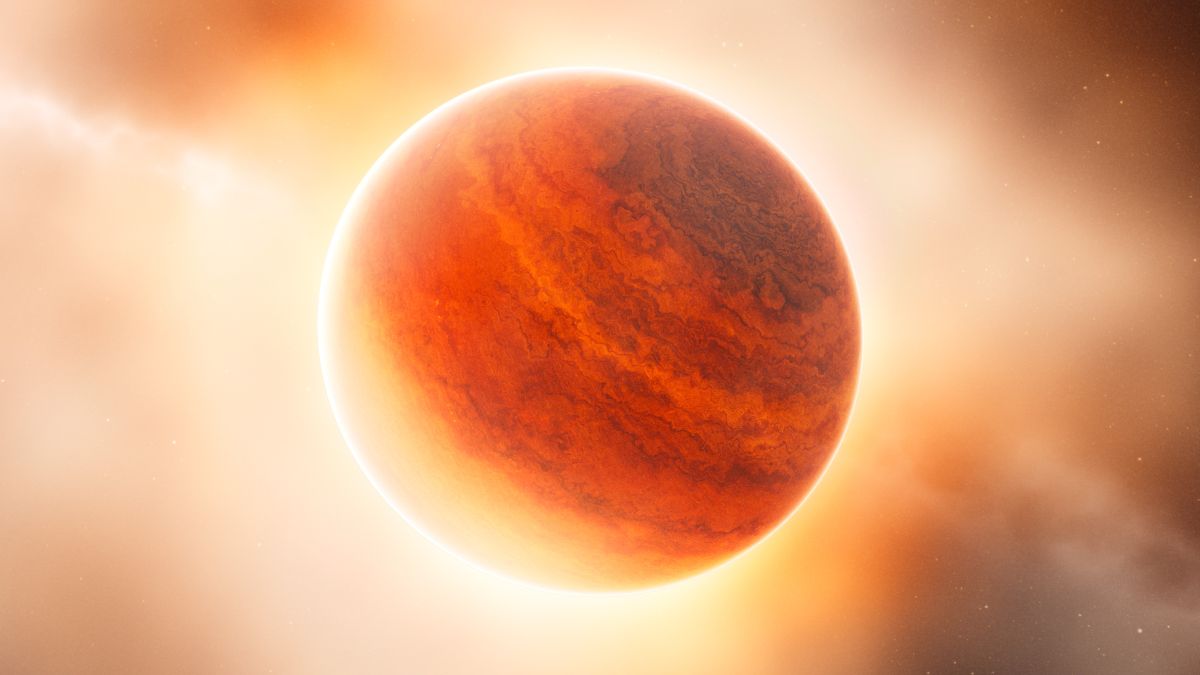
In a new study, researchers examine three massive gas giants about 130 light-years away, using their atmospheric chemistry to probe how such enormous planets form.
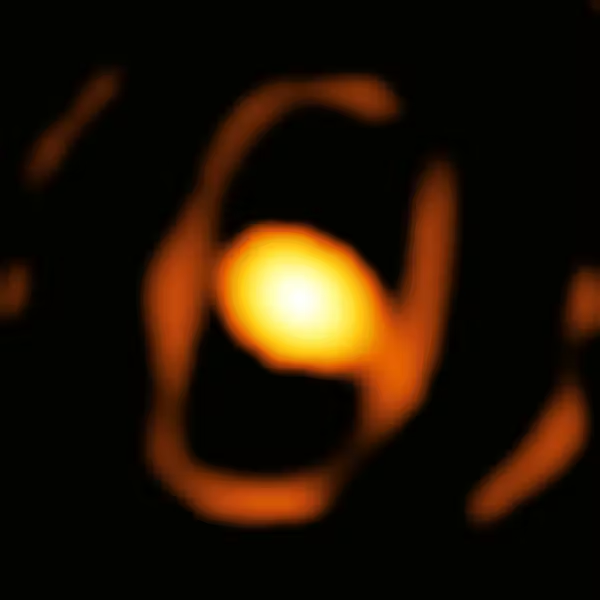
The enormous star WOH G64 in the Large Magelanic Cloud has transitioned from a red supergiant to a rare yellow hypergiant – in what may be evidence of impending supernova.
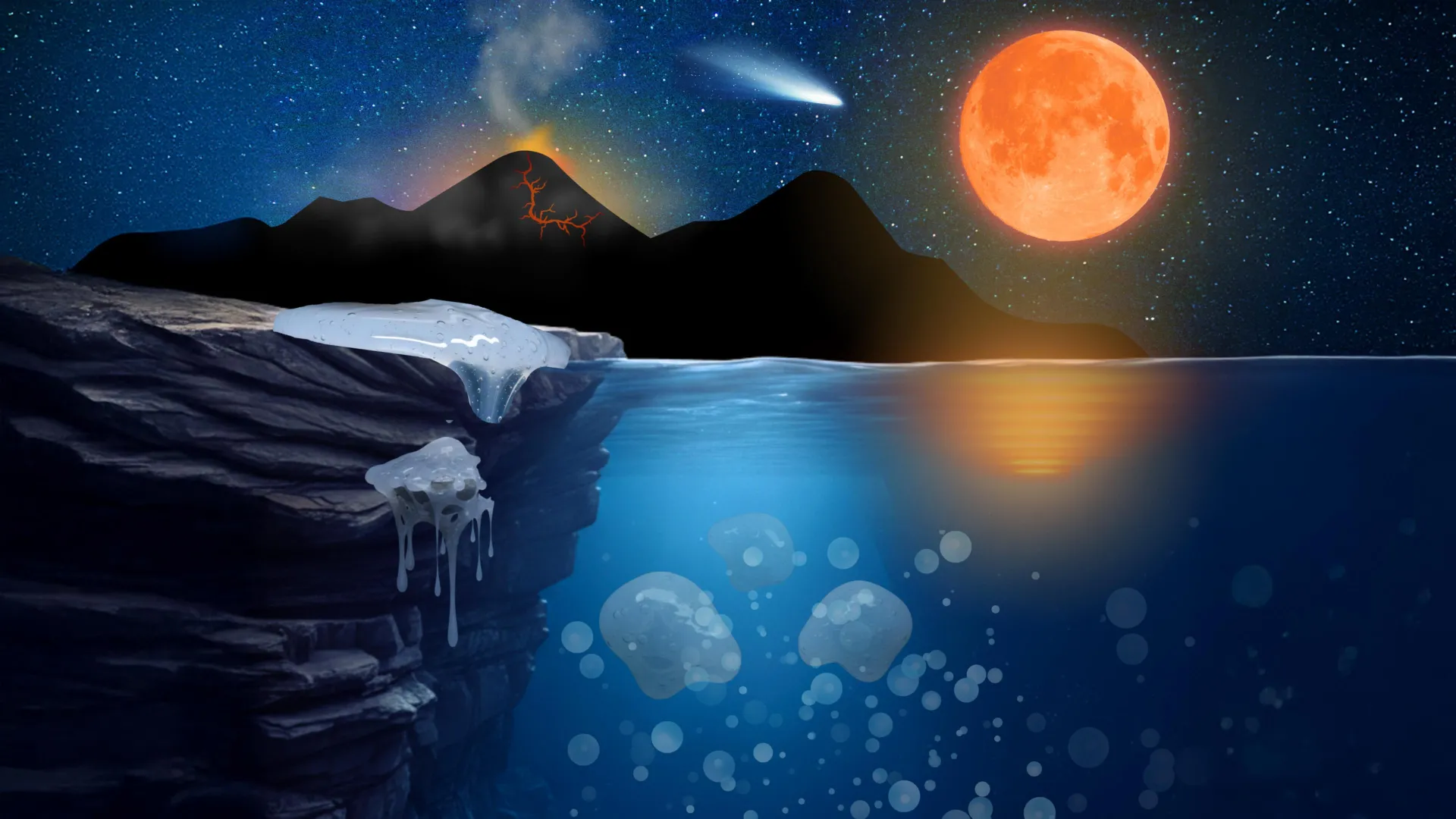
Life may have started in sticky, rock-hugging gels rather than inside cells. Researchers suggest these primitive, biofilm-like materials could trap and concentrate molecules, giving early chemistry a protected space to grow more complex.
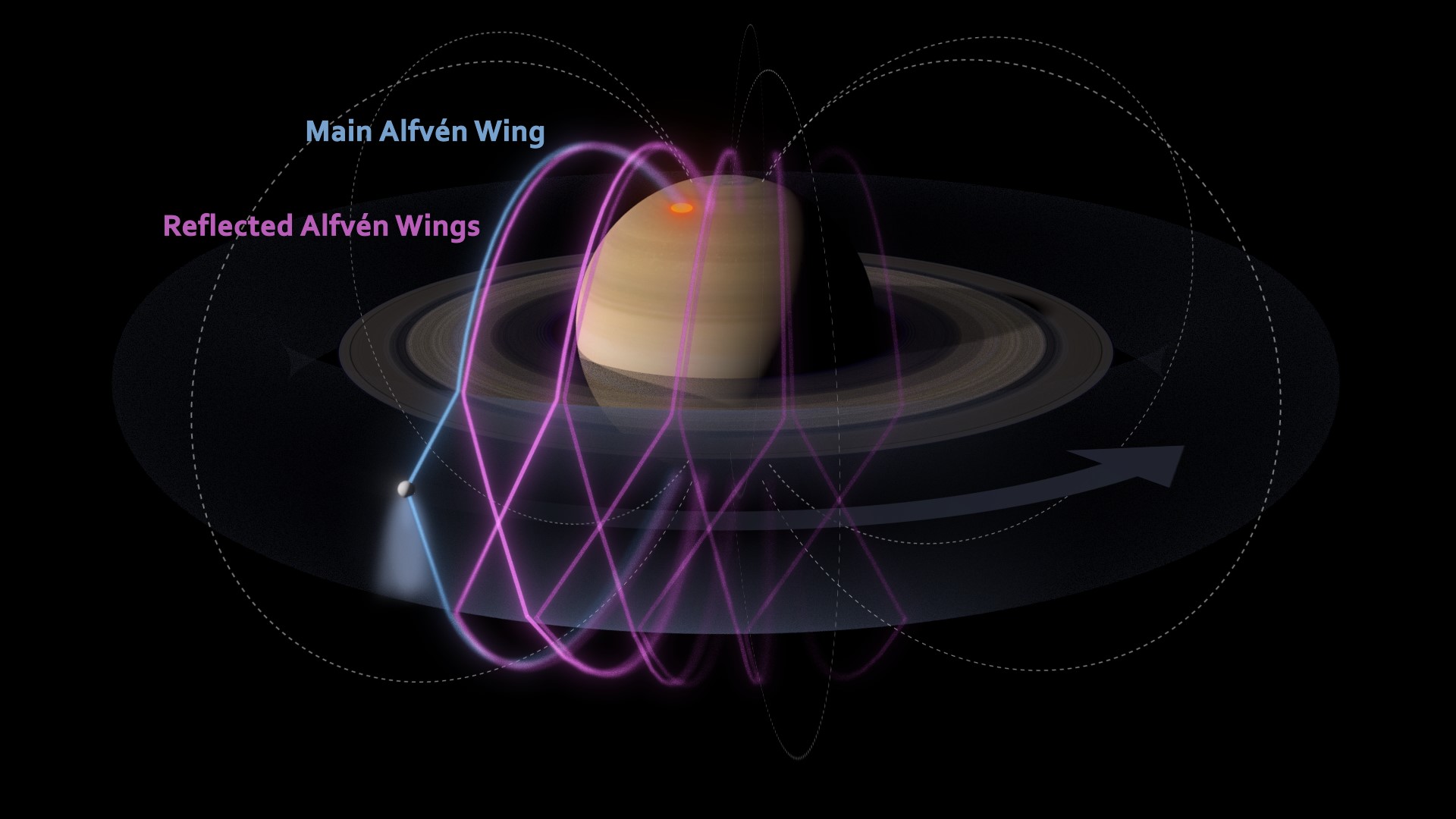
The analysis of data from four instruments aboard Cassini, collected over the mission’s 13-year duration, demonstrates the crucial role that Enceladus plays in circulating energy and momentum around Saturn’s space environment.
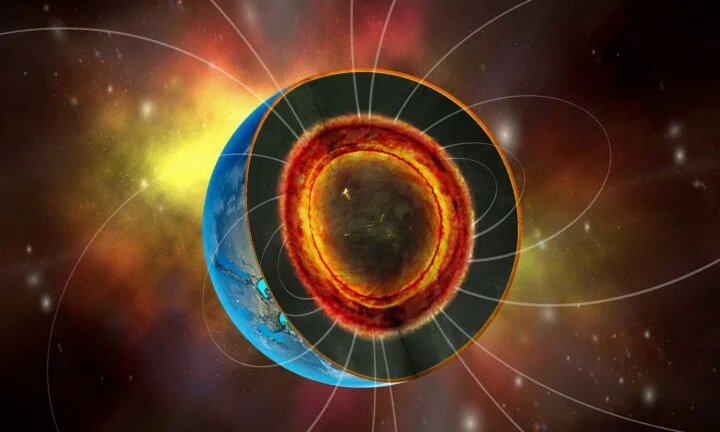
Deep beneath the surface of super-earths, oceans of molten rock may be doing something extraordinary: powering magnetic fields strong enough to shield entire planets from dangerous cosmic radiation.
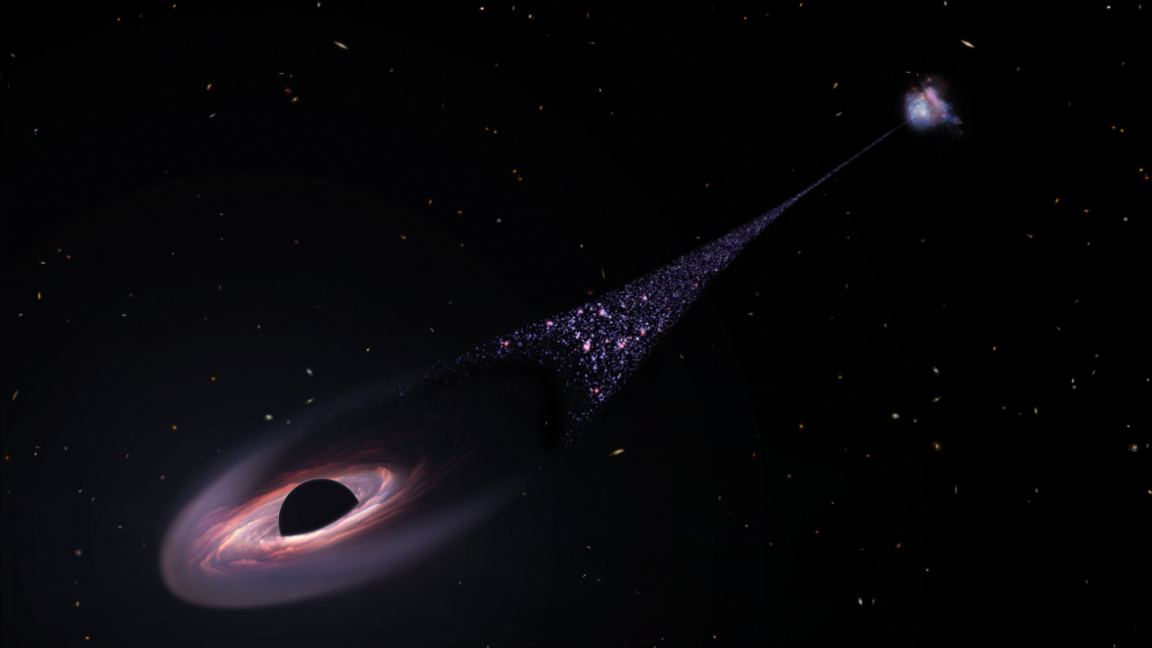
A new study suggests a solution to the Little Red Dots mystery. Scientists think young supermassive black holes may go through a “cocoon phase,” where they grow surrounded by high-density gas they feed on.
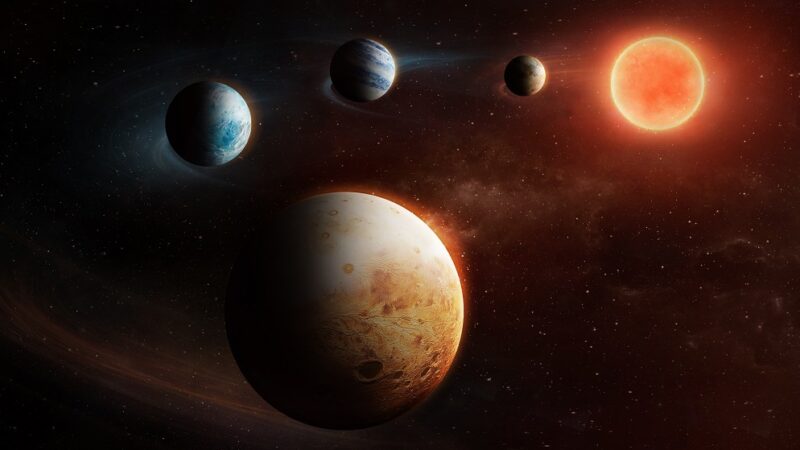
The planets around LHS 1903 – a cool faint red dwarf star – begin as expected with a rocky planet orbiting close by and then two gas worlds. A surprising 4th planet at the system’s outer edge that is rocky, rather than gaseous.
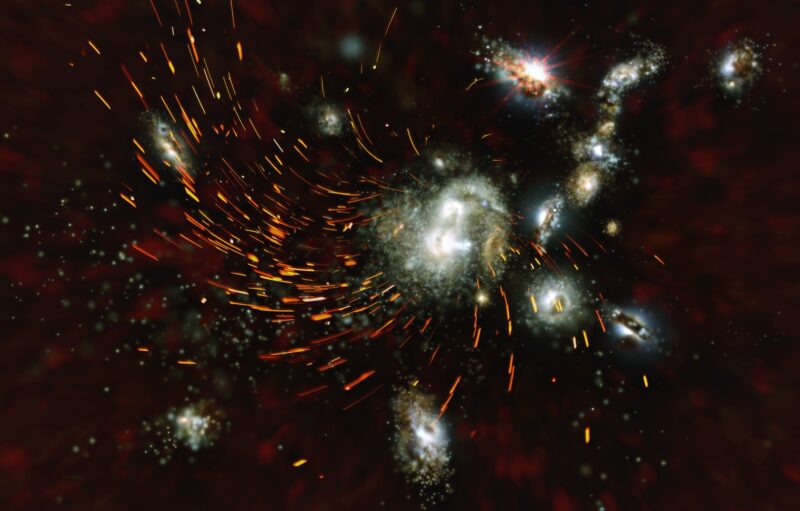
Astronomers found evidence a giant elliptical galaxy may form through the rapid collapse of a young galaxy cluster.
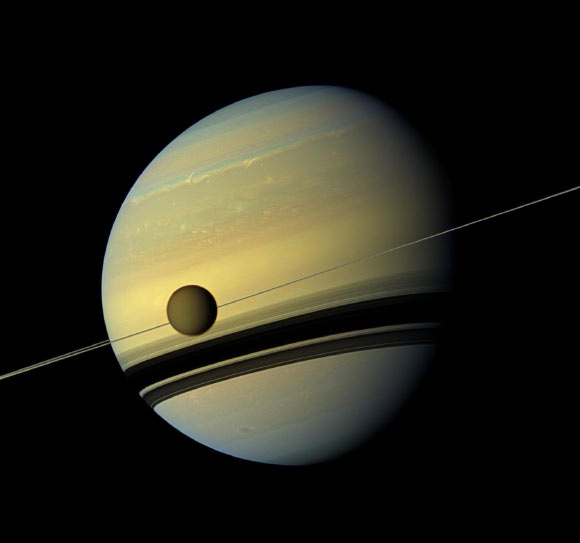
Scientists argue that two Saturnian moons, Titan and Hyperion, are not primordial worlds, but the result of a dramatic merger between two ancient moons.
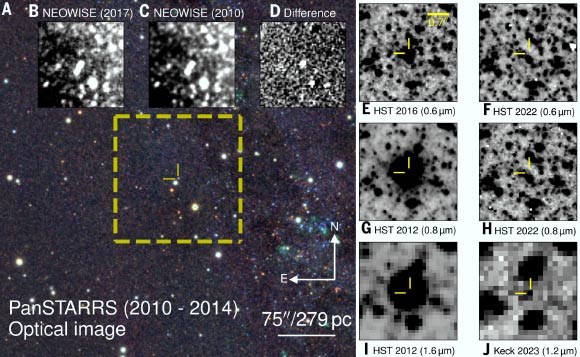
astronomers identified the clearest observational record yet of a massive star fading and vanishing into a black hole — an event once theorized but rarely seen.
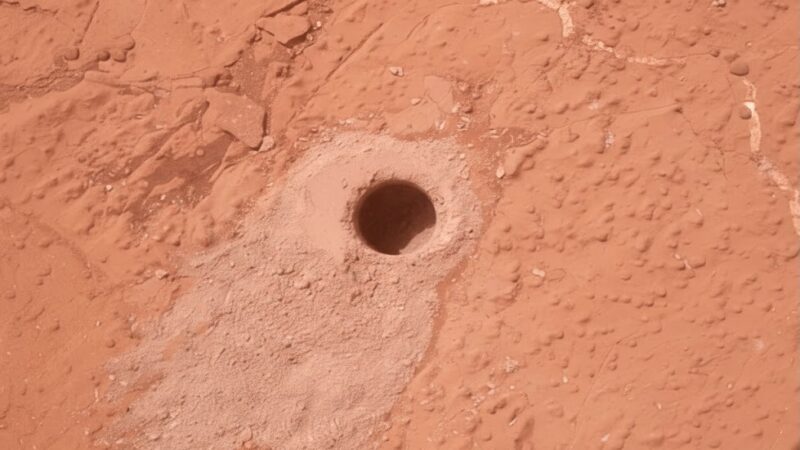
The researchers found that additional studies of the data from Curiosity show that non-biological sources they had considered don’t fully explain the organics. They conclude, therefore, that a biological source is a reasonable hypothesis.
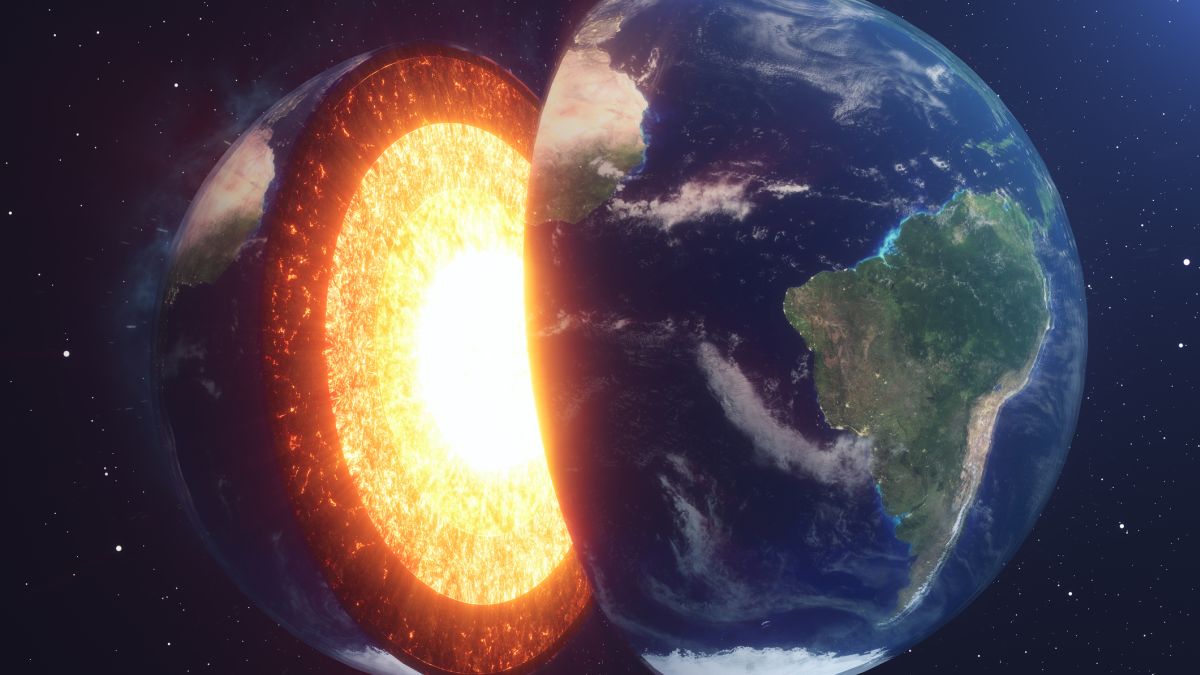
Vast amounts of hydrogen could also be locked away in our planet's core, attached to the densely packed alloyed iron that lurks therein
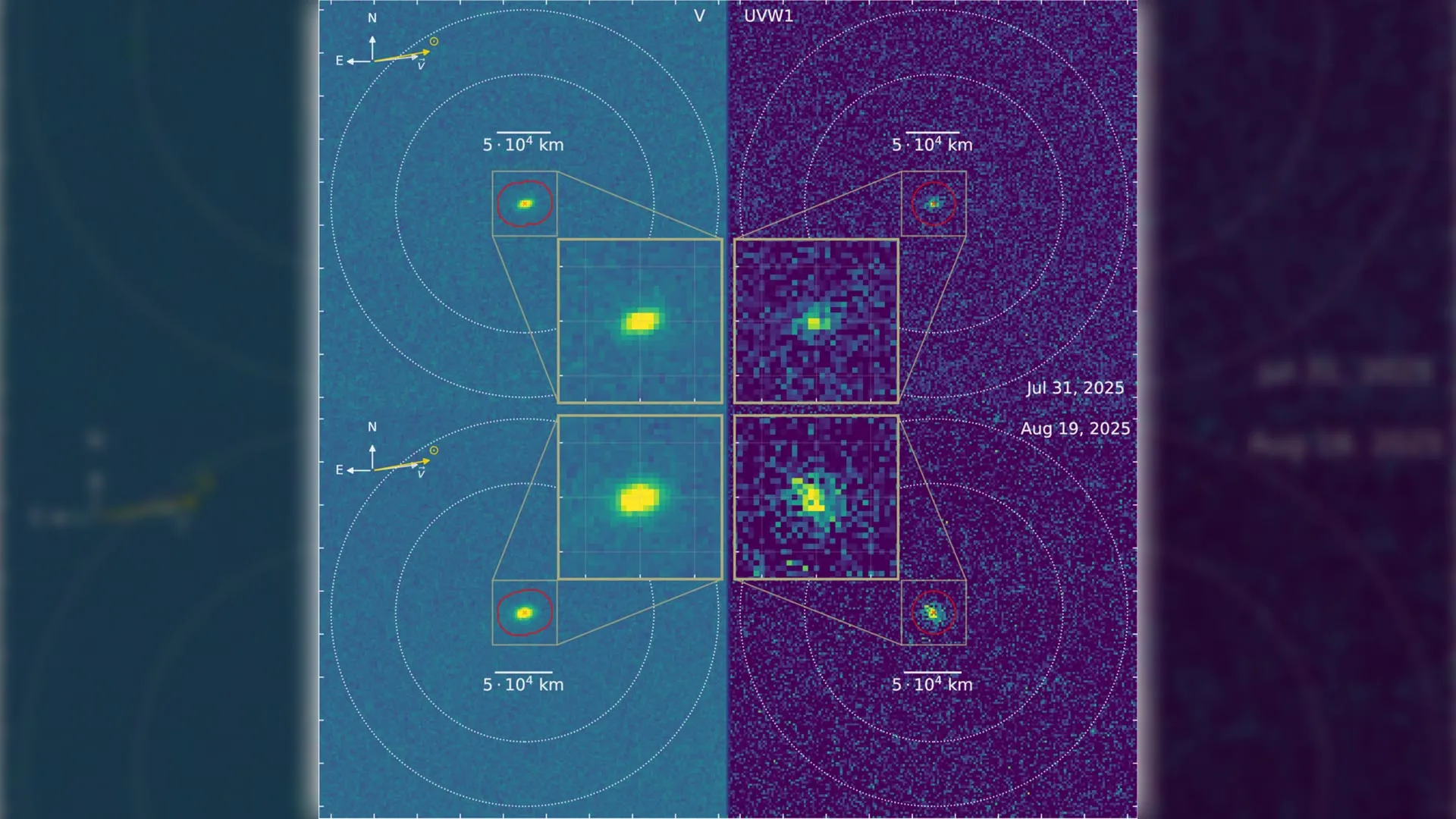
The comet is blasting out water at a rate of about 40 kilograms per second while still far from the Sun—much farther than where most comets “switch on.”
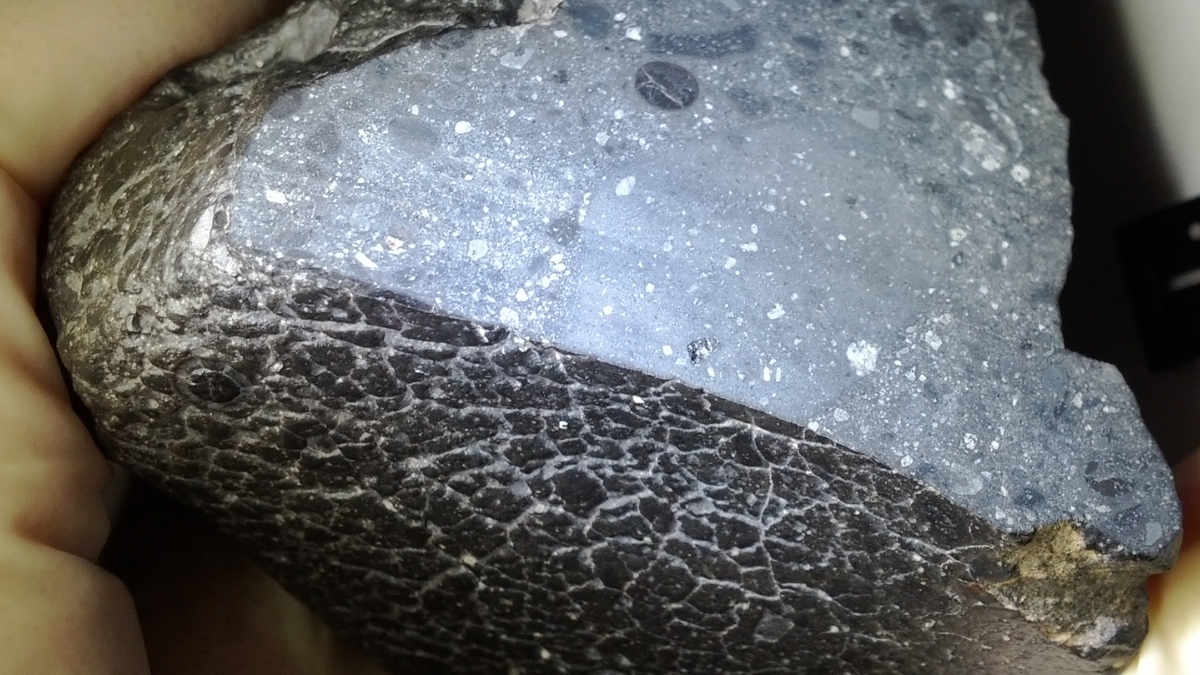
The chemical math of the interior of the meteorite Black Beauty means that those little bits of rock hold up to about 11% of the sample's total water content.
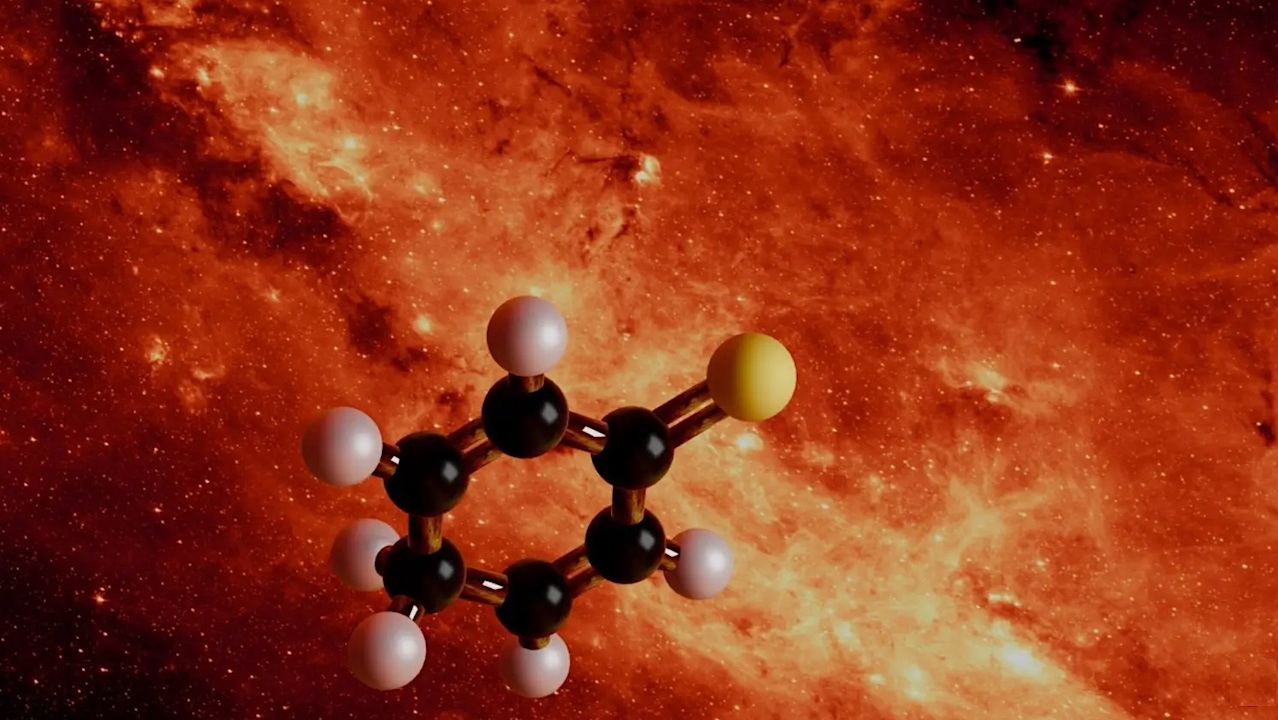
Researchers have identified the largest sulfur-bearing molecule ever found in space: 2,5-cyclohexadiene-1-thione (C6H6S).


