
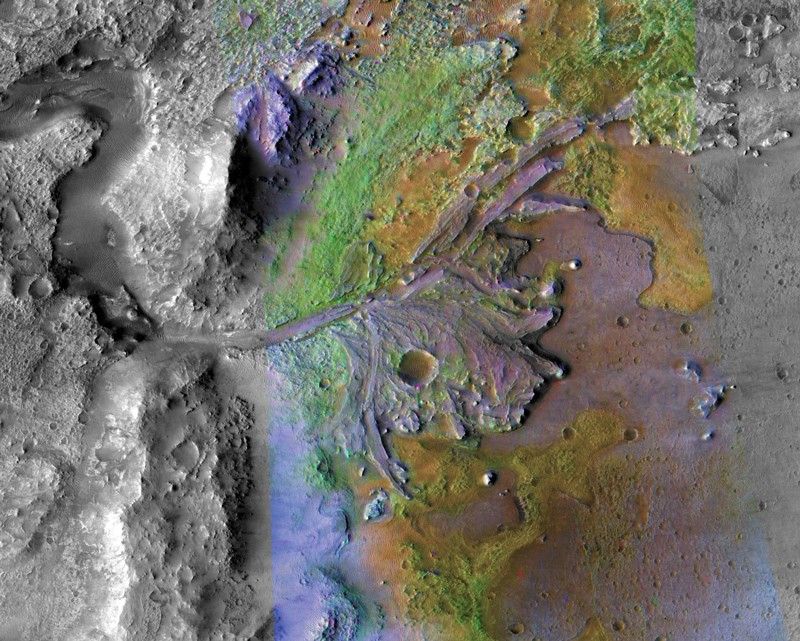
Now Perseverance’s ground-penetrating radar (called RIMFAX) detected older river delta buried tens of meters beneath Jezero crater.
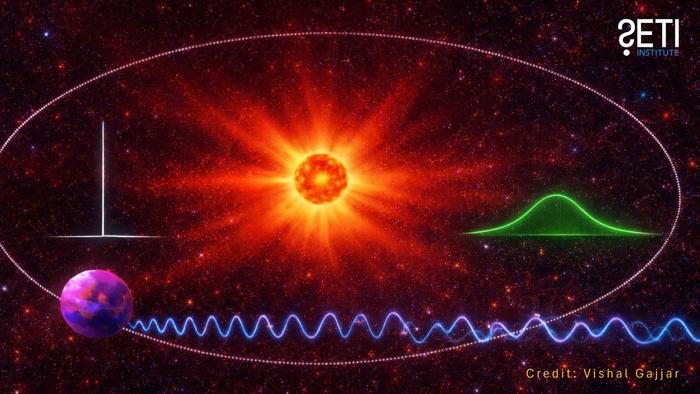
Decades of searches for alien transmissions may have been hamstrung by an overlooked problem: Space weather near distant stars could be distorting signals before they leave home.
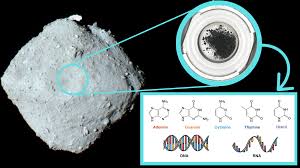
A new study reveals all five fundamental nucleobases – the molecular “letters” of life – have been detected in samples from the asteroid Ryugu.
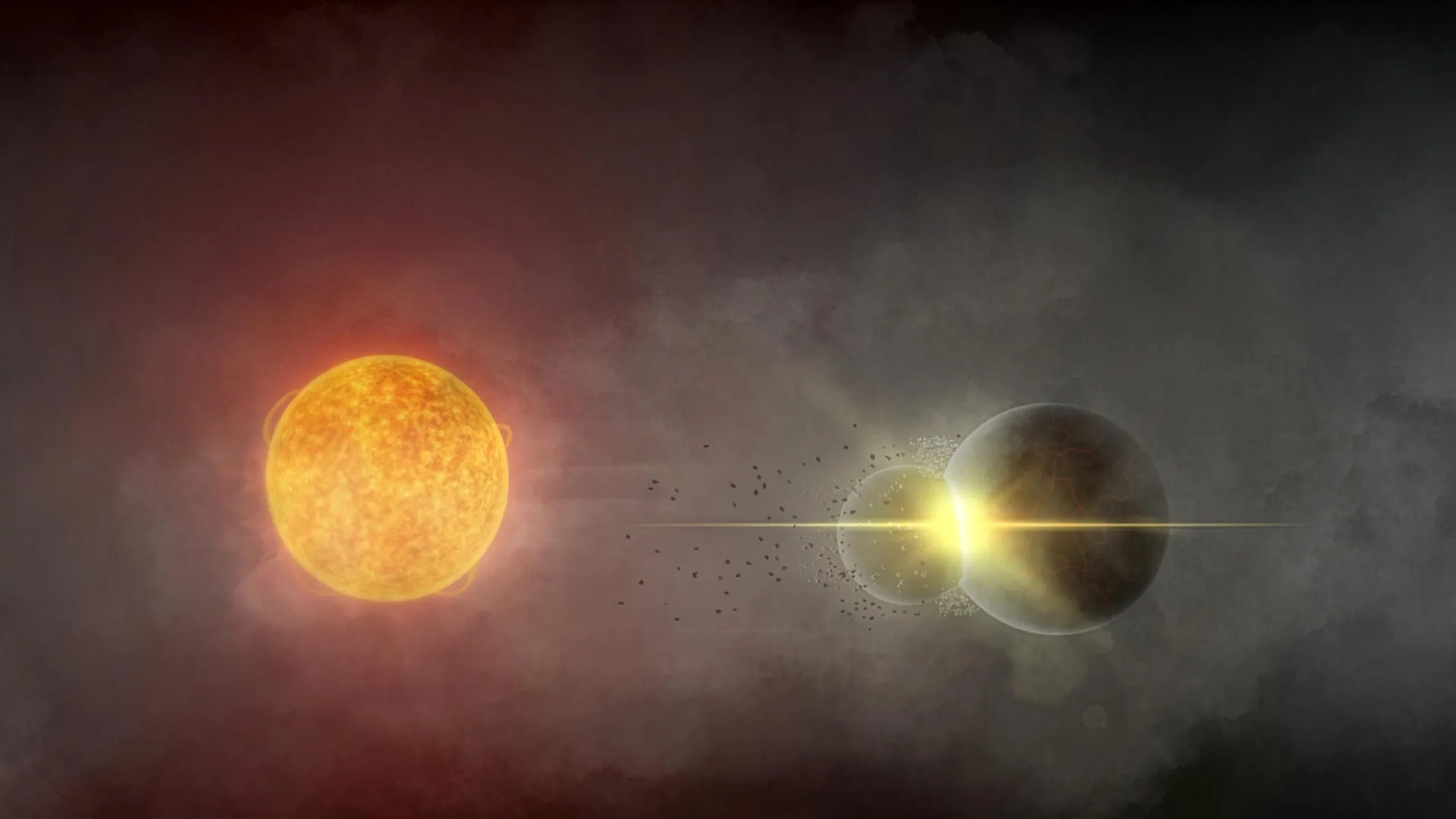
According to an analysis of the strange changes in a Sun-like star named Gaia-GIC-1, located around 11,600 light-years away, its strange behavior can best be explained by two baby planets colliding in its immediate vicinity.
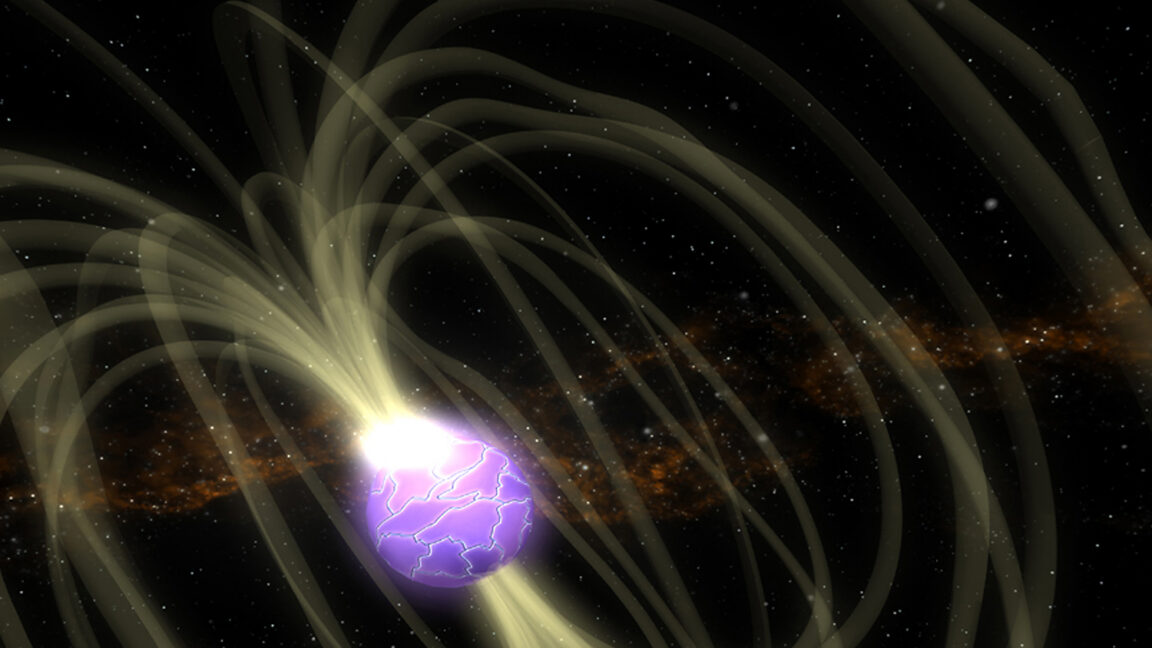
Magnetars have been a leading candidate for the engine behind superluminous supernovae.
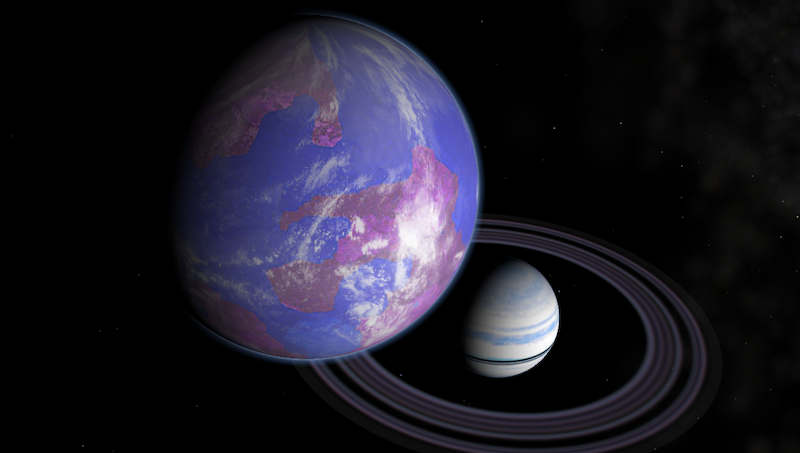
A new research shows that moons orbiting large free-floating planets could maintain water if they have hydrogen atmospheres. And they could stay habitable for billions of years.
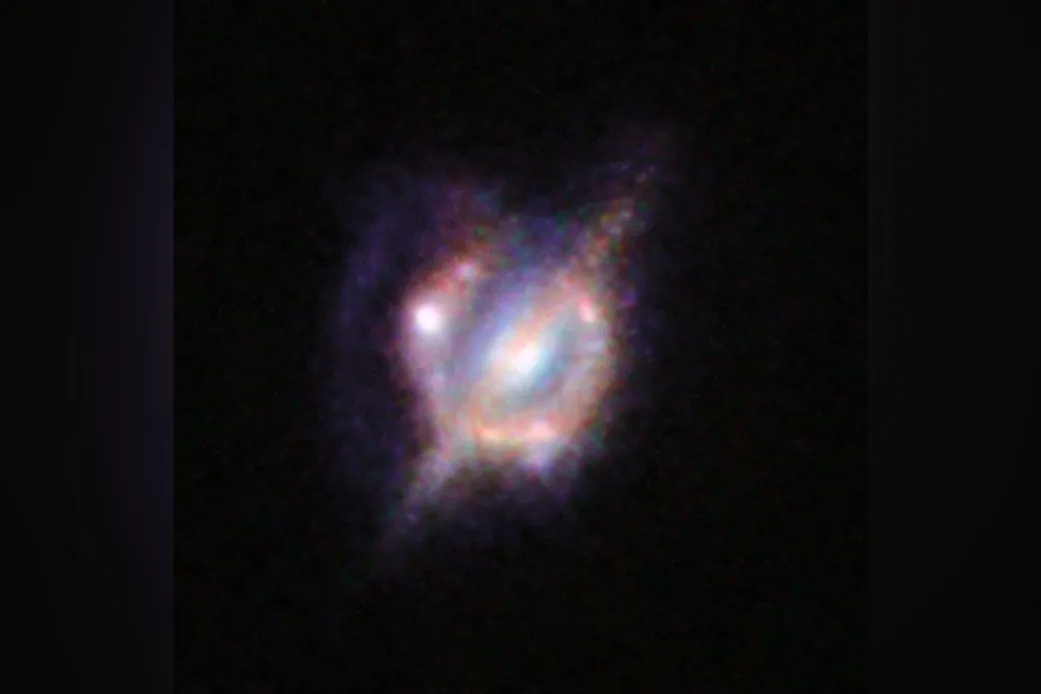
Astronomers using the MeerKAT telescope in South Africa have discovered a powerful microwave laser beam firing off in the distant reaches of the cosmos.
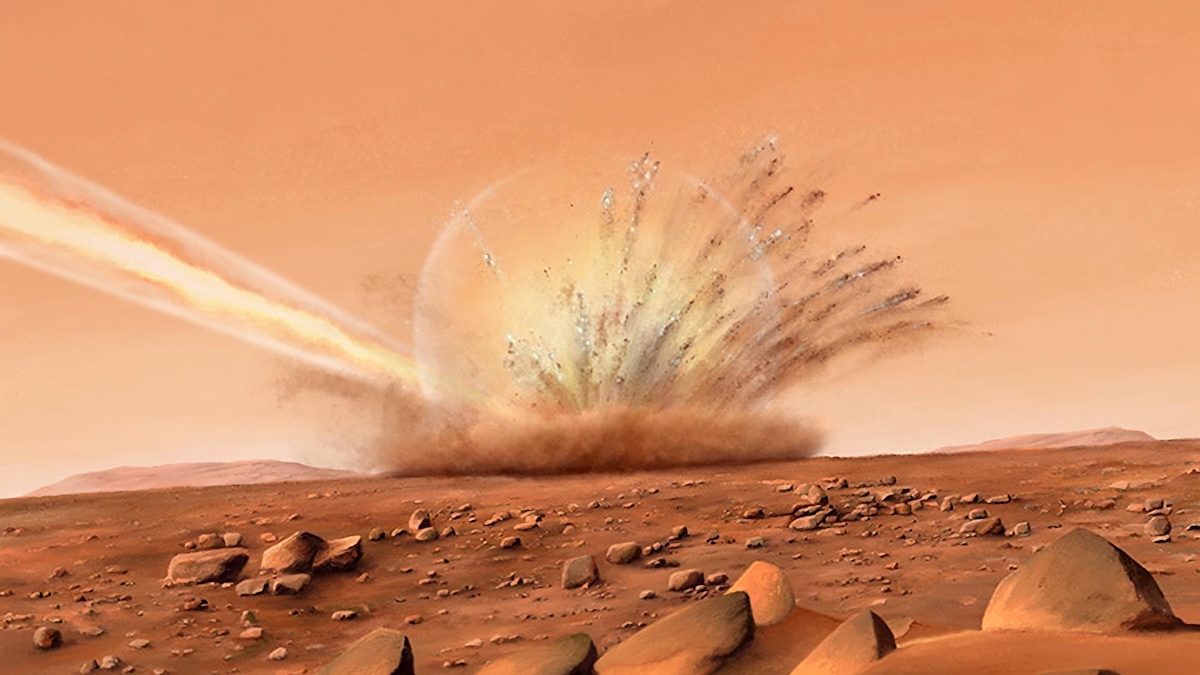
Now new research into extremophiles shows that at least some of them can survive ejection from Mars due to an asteroid strike.
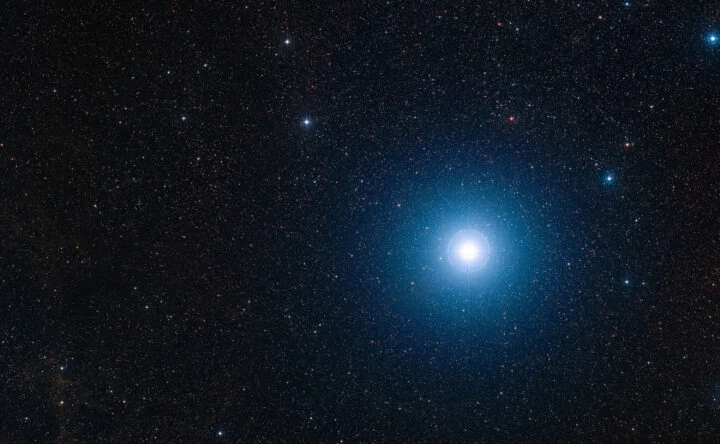
Astronomers have discovered a mysterious shock wave around a dead star – something they say has never been seen before.
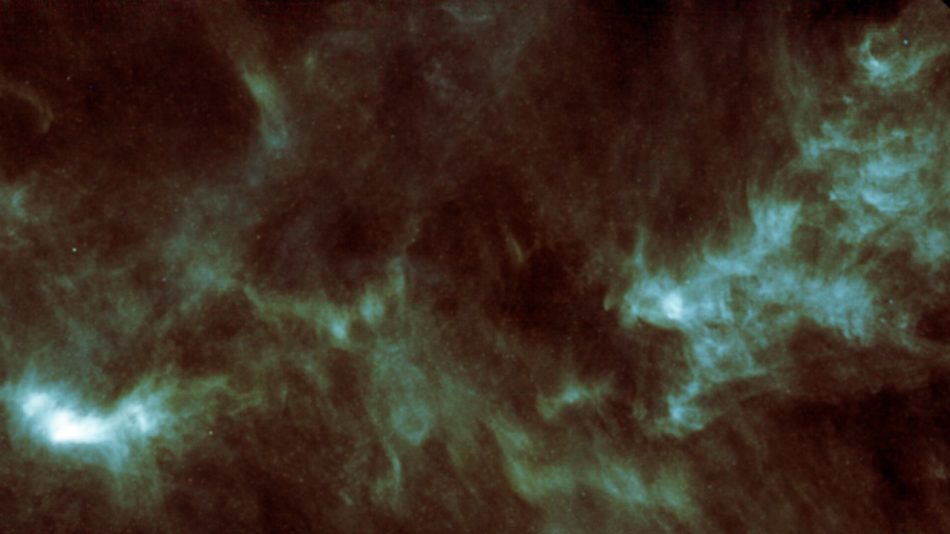
While looking through a developing star called L1544, a team of astronomers found methanimine, an organic molecule scattered throughout the clump of gas.
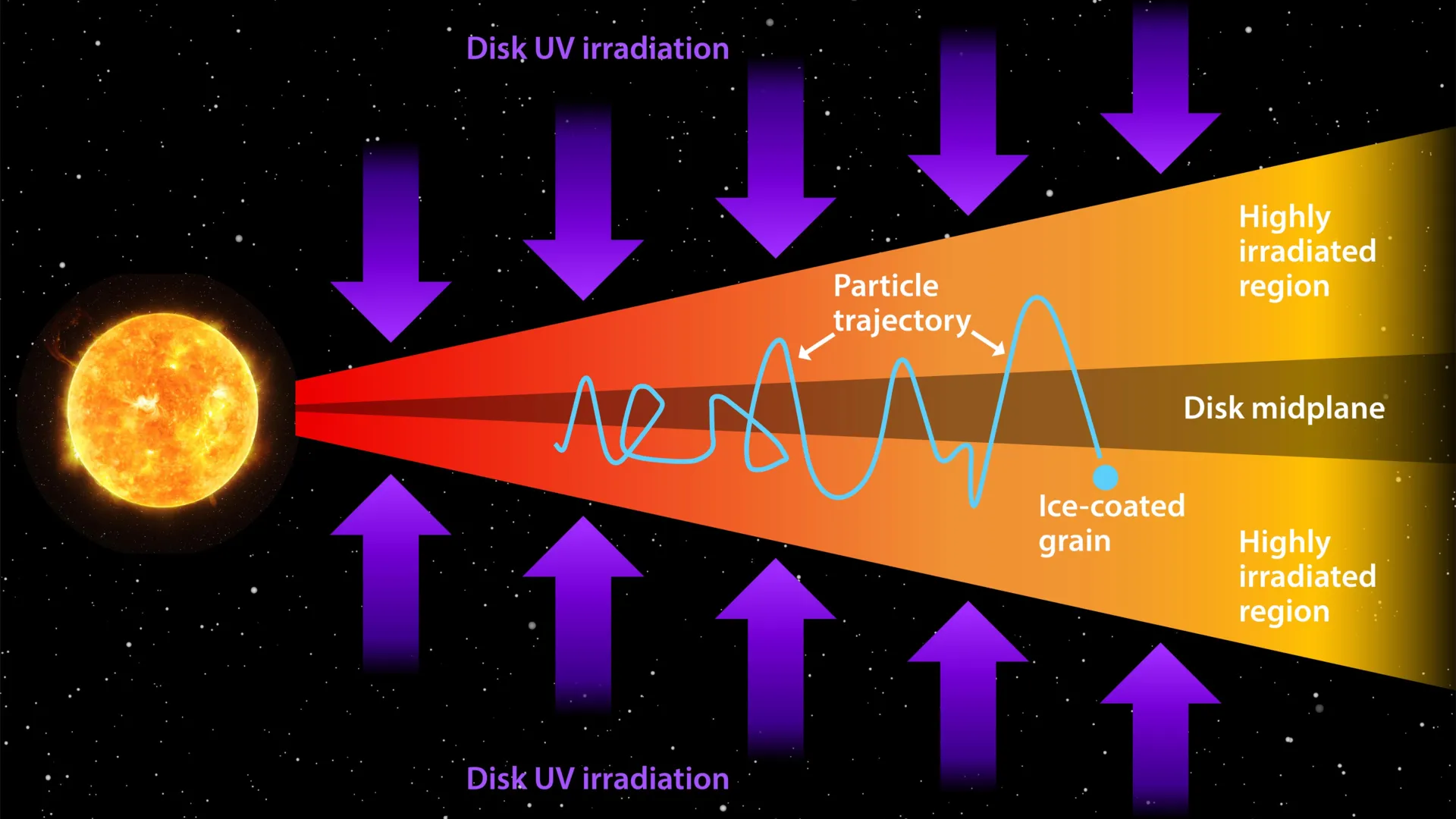
Jupiter’s icy moons may have been seeded with the chemical ingredients for life from the very beginning.

For the first time ever, scientists have uncovered a vast field of tektites in Brazil — mysterious glassy fragments forged when a powerful extraterrestrial object slammed into Earth about 6.3 million years ago.
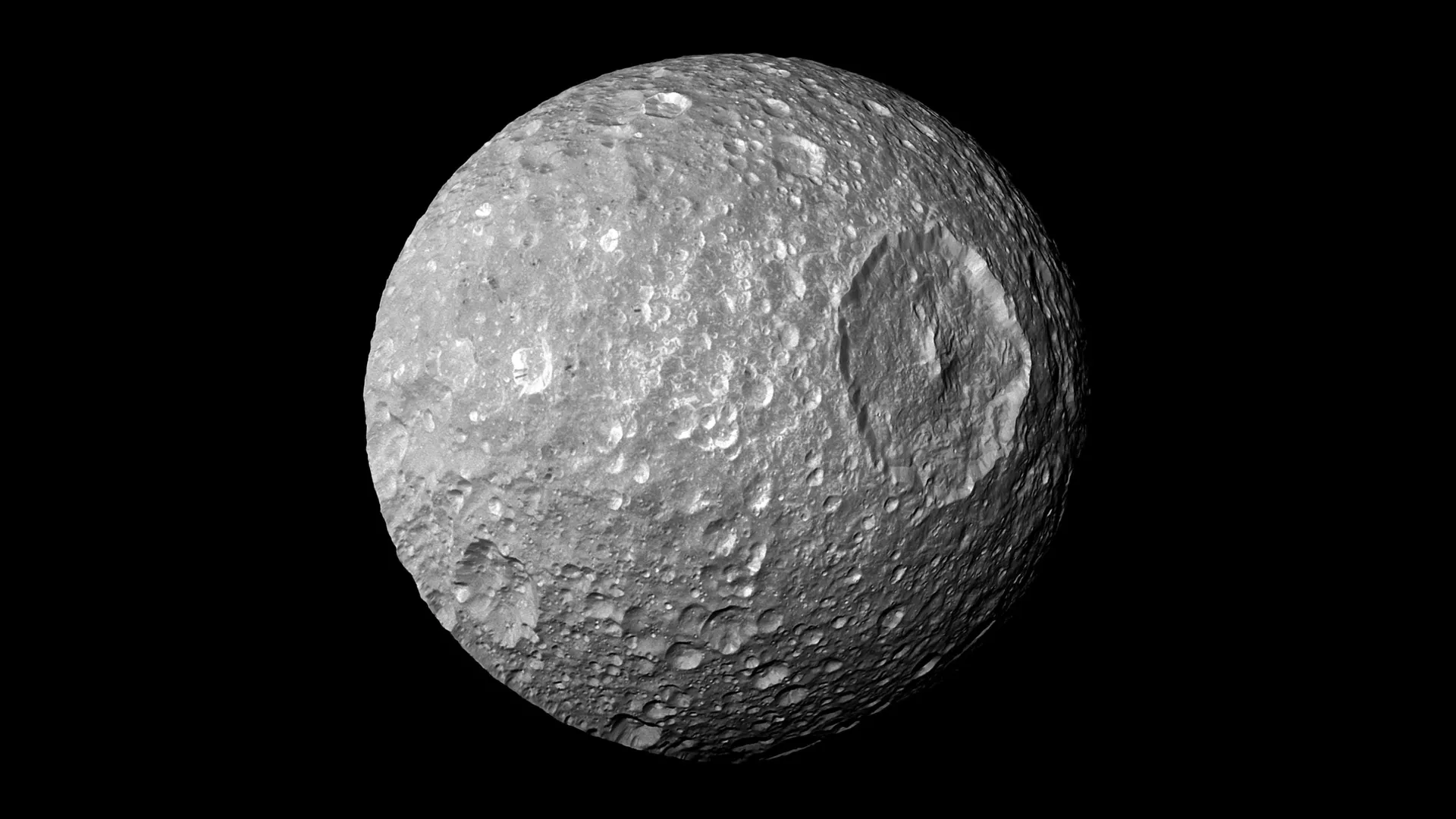
Icy moons circling the outer planets may be far more dynamic. New research suggests that when heat from tidal forces melts their ice shells from below, the sudden drop in pressure could cause hidden oceans to boil beneath the surface.
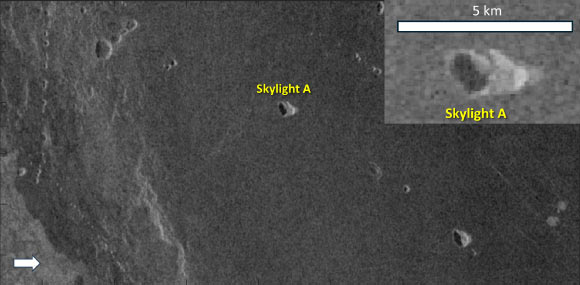
Using archival radar data from NASA’s Magellan spacecraft, planetary researchers have identified a vast underground conduit beneath the surface in the Venusian region of Nyx Mons.
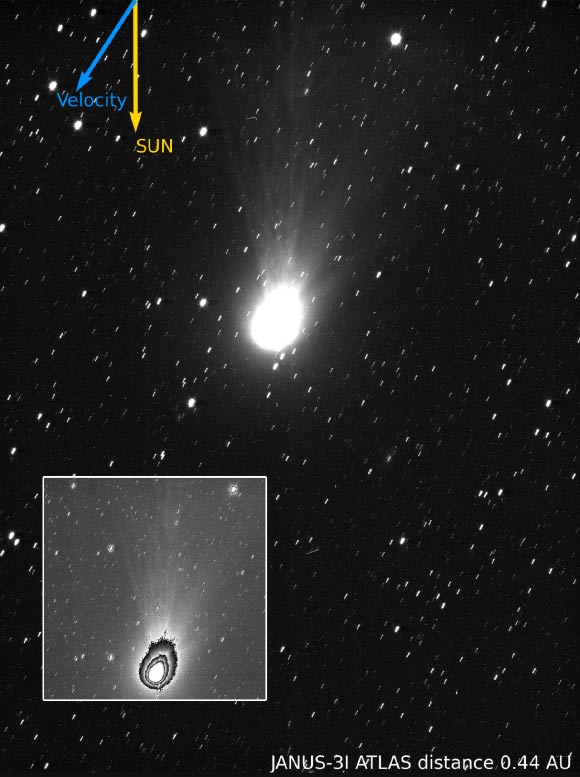
The JANUS science camera aboard ESA’s Jupiter Icy Moons Explorer (Juice) has captured new images of the interstellar object 3I/ATLAS. The image displays jets coming out of the nucleus of 3I/ATLAS opposite to the direction of the Sun.


