
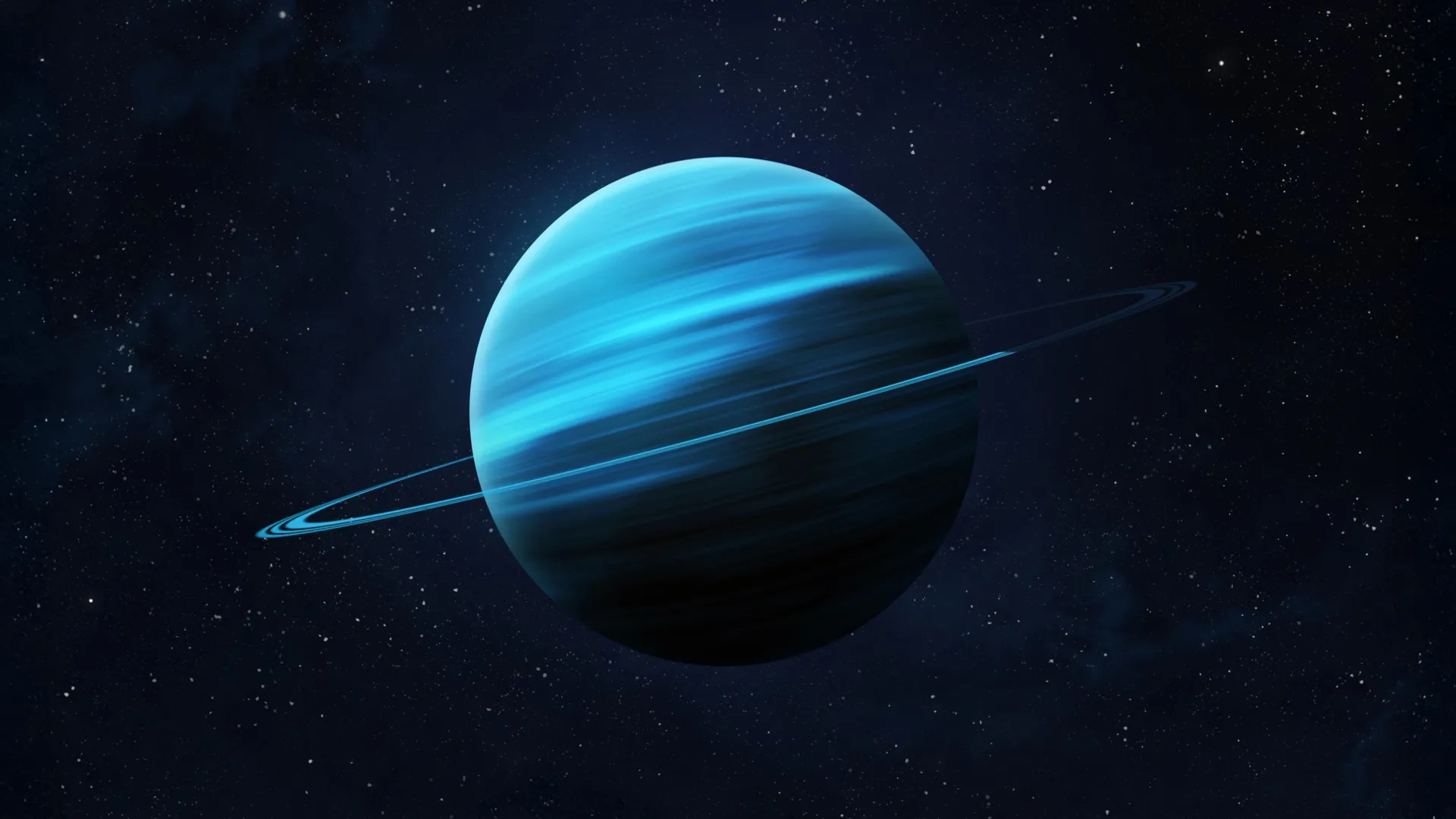
A new Swiss-led study uses innovative hybrid modeling to reveal that these planets could just as easily be dominated by rock as by water-rich ices.
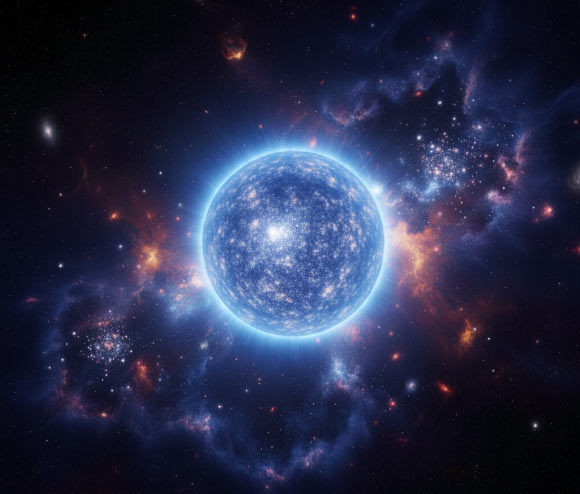
Astronomers using the NASA/ESA/CSA James Webb Space Telescope have discovered chemical fingerprints of primordial stars weighing between 1,000 and 10,000 times the mass of the Sun in GS 3073,an early galaxy.
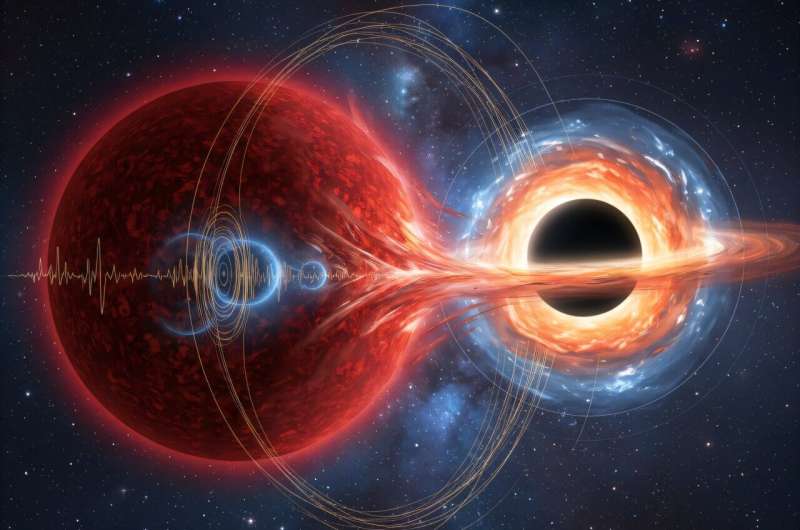
Astronomers from the University of Hawaiʻi Institute for Astronomy (IfA) have uncovered the turbulent past of a distant red giant by listening to its celestial "song."
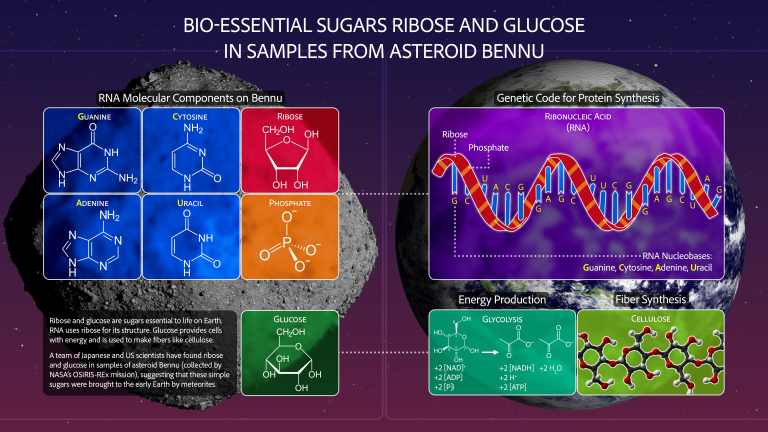
The asteroid Bennu continues to provide new clues to scientists’ biggest questions about the formation of the early solar system and the origins of life.
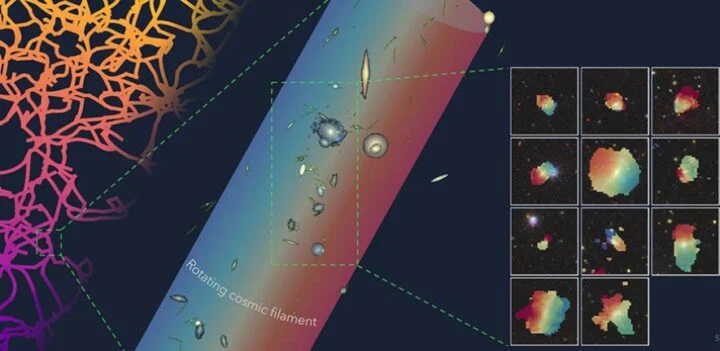
An international team led by the University of Oxford has identified one of the largest rotating structures ever reported: a “razor-thin” string of galaxies embedded in a giant spinning cosmic filament, 140 million light-years away.
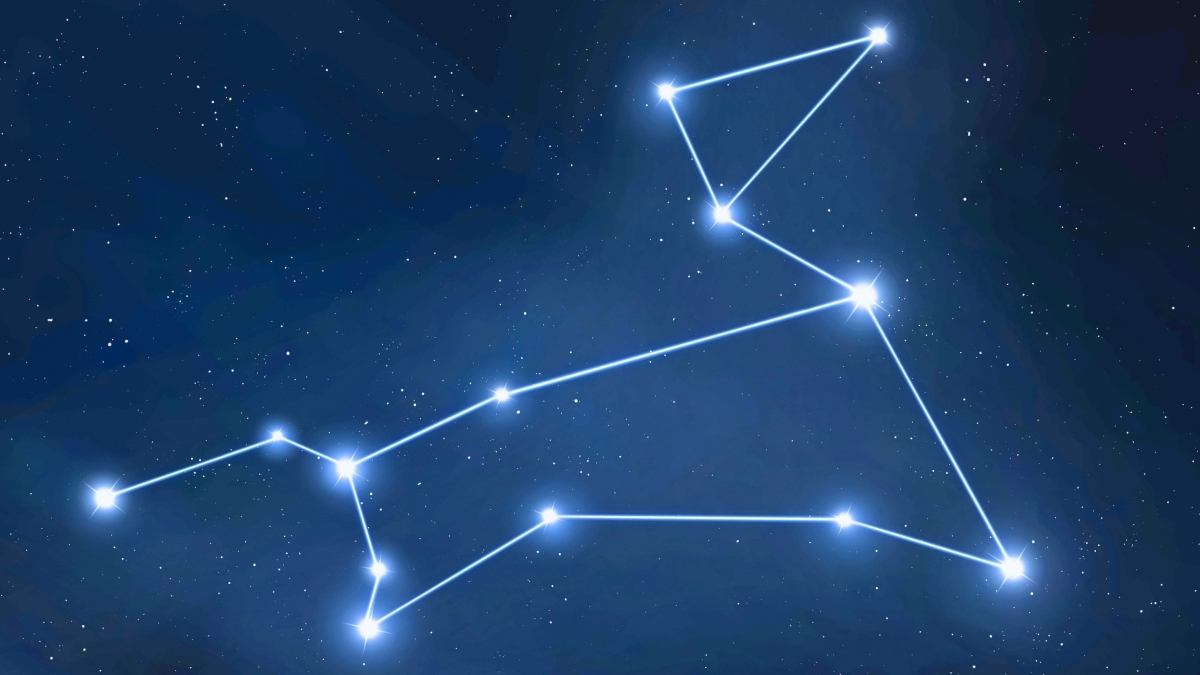
Two stars, now located some 400 to 500 light-years from Earth, swung through our neighborhood on their journey through the Milky Way, coming as close as 32 light-years.
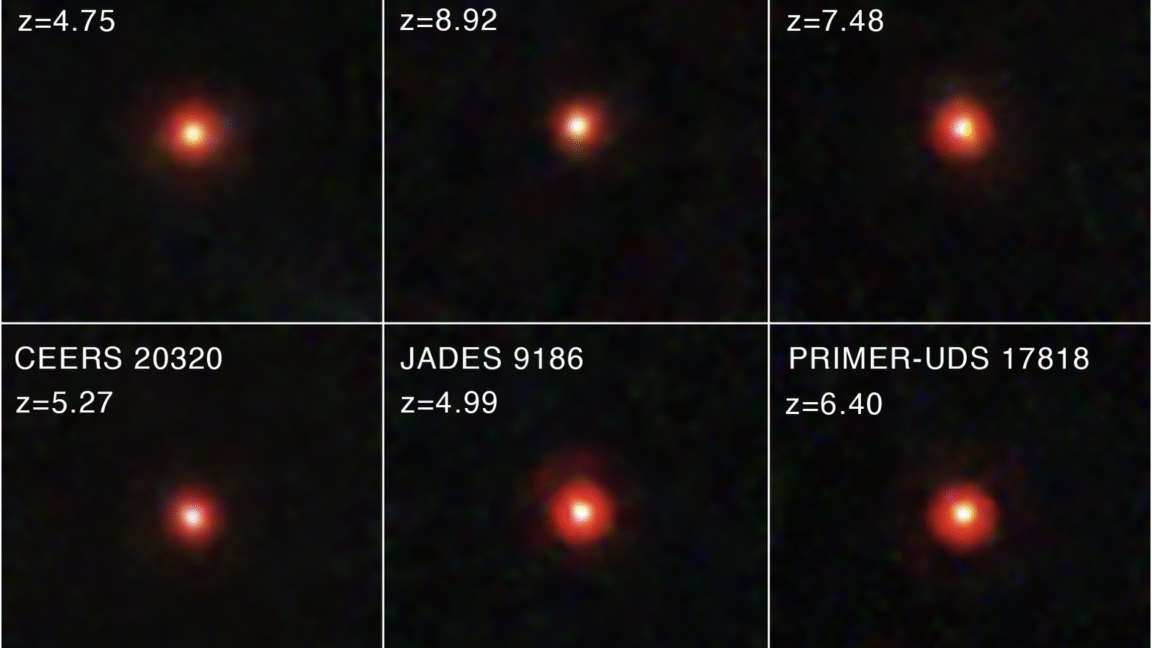
Early superdense star clusters may have planted seeds for monster black holes.

As our evolution slows and industrialization and technology accelerates, a growing body of research suggests that human biology is struggling to keep pace.
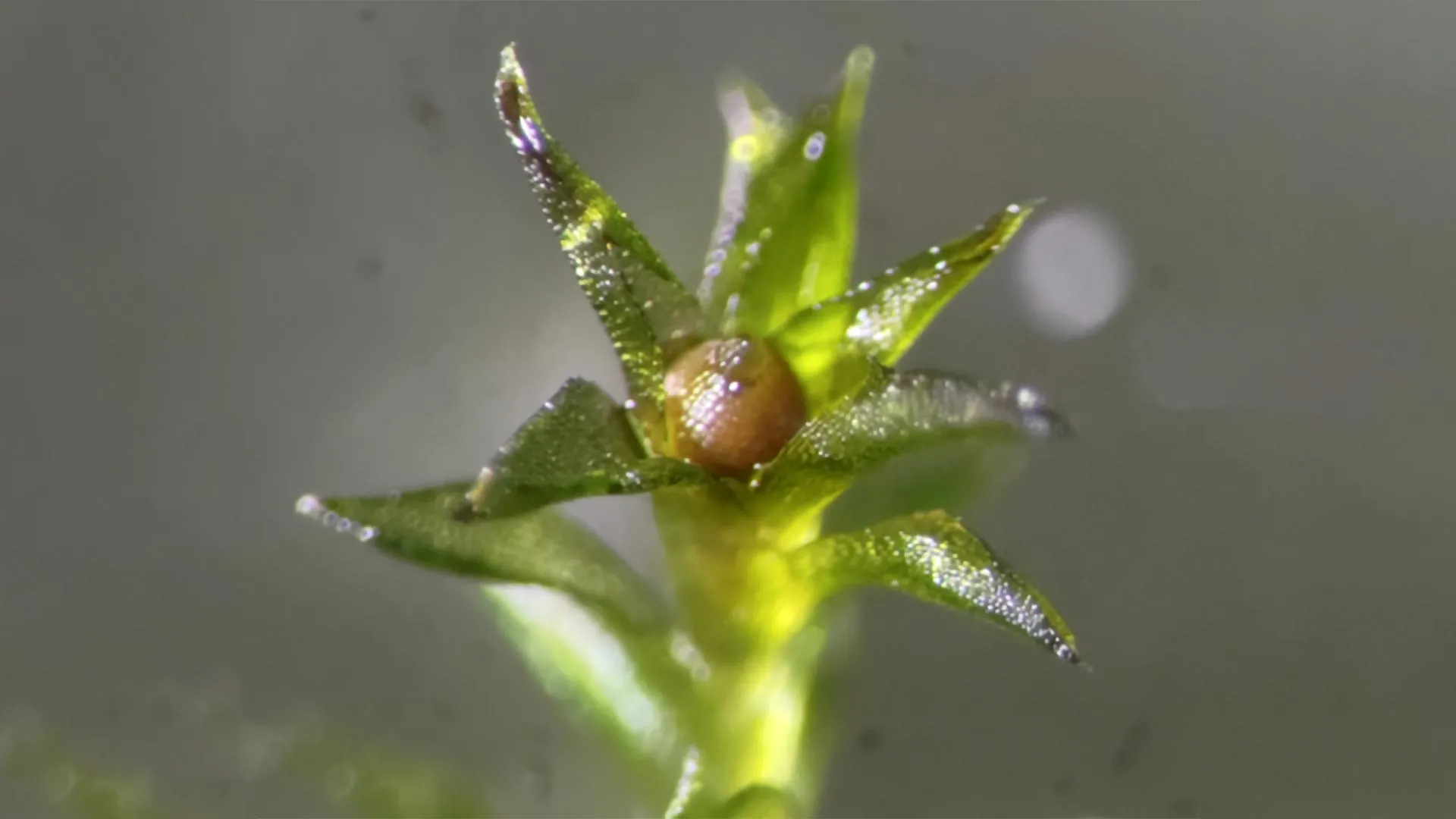
Moss spores survived an extended stay on the outside of the ISS and remained capable of germinating once back on Earth.
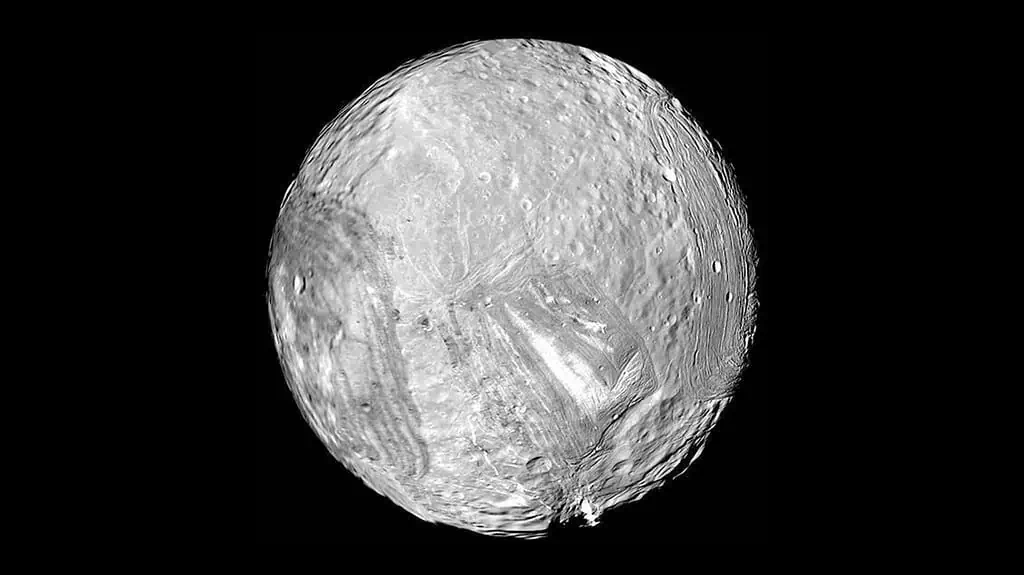
There are several frozen moons in our solar system, orbiting the gas giants. Some of them have liquid water under the surface and deep down in the dark, the ocean may be boiling.
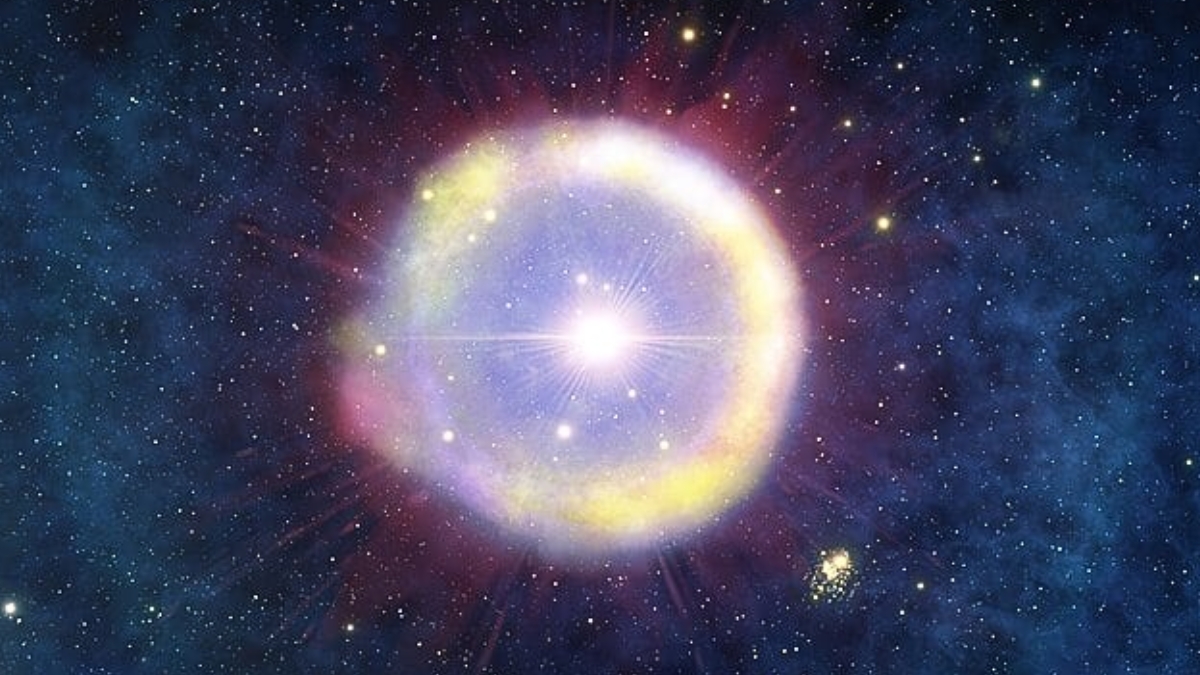
A galaxy formed around 11 billion years ago that appears to be "metal-free", indicating that it might contain a set of elusive first-generation (Pop III) stars.
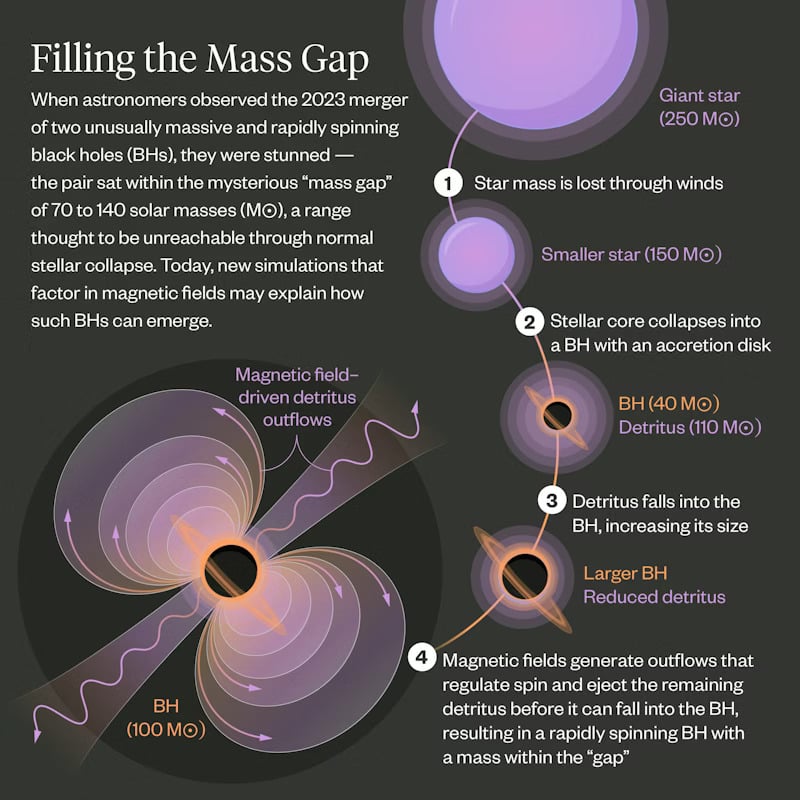
The black hole was bigger than expected, and while the answer was hiding in plain sight, it still rewrites what we thought was possible.
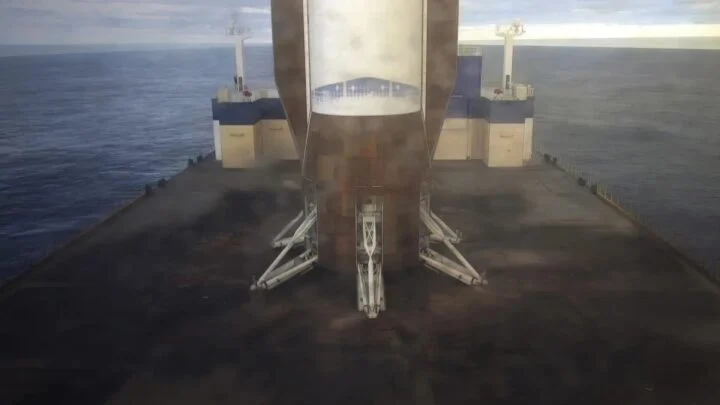
Jeff Bezos's Blue Origin successfully launched its New Glenn rocket on Thursday with NASA twin spacecraft destined for Mars aboard, and in a breakthrough, nailed the landing of its booster.
Astronomers have detected a storm on a star other than our Sun for the first time, discovering an explosion so violent it could have stripped away the atmosphere of any planets unlucky enough to be nearby.
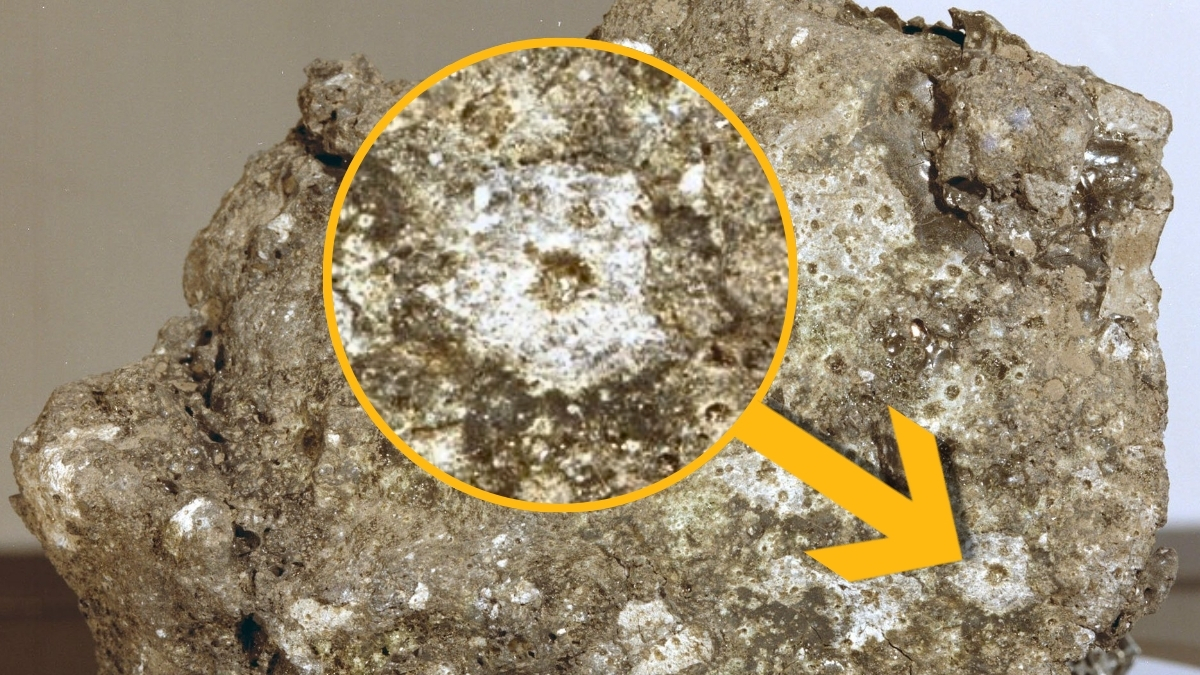
The Moon has no atmosphere, yet it faces an invisible bombardment more relentless than any terrestrial storm, a constant rain of micrometeoroids, tiny fragments of rock and metal traveling at speeds up to 70 kilometers per second.


