

The travel industry keeps growing. There were an estimated 1.3 billion international arrivals in 2017 and that will only increase as more people view travel as a right, rather than a luxury.

UK report has found that spending one hour on the London tube is more toxic than spending all day on above ground in ambient London air.

The investment will allow redistribution organisations in England to bid into a £5 million pot to help them overcome the financial barrier to redistributing surplus food which is currently going to waste.

U.S. researchers have discovered that air pollution increases the risk of miscarriage as much as smoking does. The study is the first of its kind to examine how short-term exposure to air pollution impacts pregnancy.

After a prolonged technology “winter,” the hardware and software that power VR and AR applications are accelerating at an extraordinary rate.

Researchers at the University of Washington, U.S. have genetically modified a common houseplant to remove chloroform and benzene from the air around it.

According to the developers, the UK hydrogen train will emit only water and therefore won’t produce any harmful emissions.

It's nearly impossible to make a trip to the grocery store and not wind up with a mound of plastic in the garbage. But some stores are trying to change that.

Rather than building up plastic filaments layer by layer, a new approach to 3D printing lifts complex shapes from a vat of liquid at up to 100 times faster than conventional 3D printing processes, researchers have shown.

Children in a closer connection with nature have less distress, less hyperactivity, fewer behavioural and emotional difficulties, and improved pro-social behaviour, a new study found.
Eight days after its historic landing on the far side of the Moon, China’s Chang’e 4 lander has captured its first panoramic image.

The Hubble Space Telescope's has managed to take the most detailed image yet of our Local Group neighbour - the Triangulum galaxy, also known as Messier 33, or NGC 598, located 3 million light years away.

This hybrid hyper-efficient aircraft could be the future of low-carbon travel, being pushed through the skies by four little diesel engines in the present configuration, but which can be replaced with electric motors.

Foie gras, a traditional French delicacy, is controversial because of how it's made. Ducks and geese are force-fed grain through a tube that goes down the esophagus in order to fatten their livers.
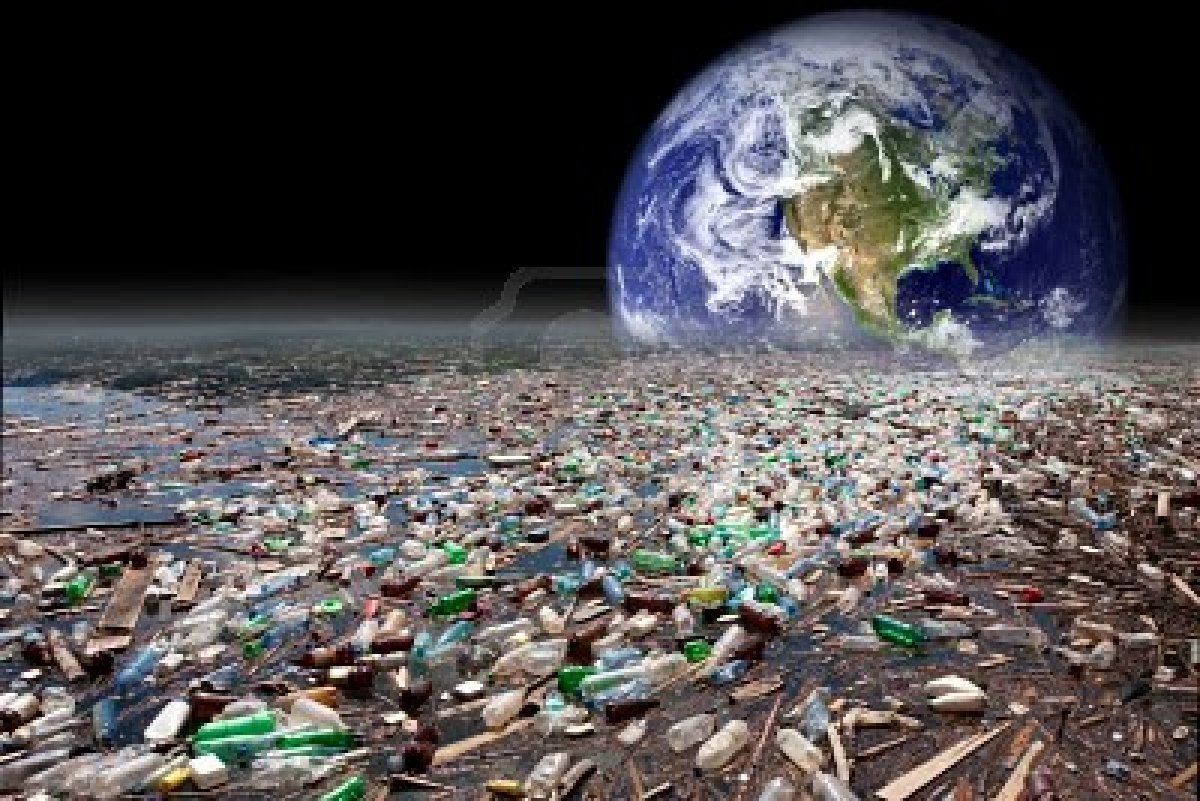
Ocean heating is critical marker of climate change because an estimated 93 percent of the excess solar energy trapped by greenhouse gases accumulates in the world's oceans.


