

The Ocean Cleanup project is set to launch its first full-scale system early next month with the goal of reducing the Great Pacific Garbage Patch by half in five years.

Changing people's perspectives to see waste as a resource will take some time, but trial initiatives are already underway in places like Costa Brava, Sweden, Romania and a variety of sites across Europe.

Increased electric vehicle sales have helped Europe hit a high note of one-million-plus electric cars on the streets, and the numbers are only growing.

It’s not every day that scientists find a completely new aspect of human anatomy, but one study is providing exactly that, describing a previously unknown network of tunnels located between the skull and the brain.

There is unprecedented global momentum to build a low-carbon, climate-secure future. However, greenhouse gases in the atmosphere are still accumulating at a rate that will soon take us well above the 1.5°C threshold.

Internet giant Facebook has vowed to source 100 per cent of its considerable electricity needs from renewable energy by 2020.

Chinese and US researchers has found a link between air pollution and human cognitive decline. The study consisted of carrying out math and verbal testing of 25,000 people living in 162 counties in China.

A team of US researchers have, for the first time, fully 3-D printed an array of light receptors on a hemispherical surface. This discovery marks a significant step toward creating a "bionic eye".

The city of Rotterdam, in the Netherlands, is about to become home to the world's first floating dairy farm. An offshore facility is under construction and will house 40 cows producing 1,000 litres of milk per day.

From India to Taiwan to Canada to the UK, groups of parents are fighting back against their municipalities' obsession with 'safety at all costs' and insisting that kids have the right to interesting play spaces.

By the end of this year, Sweden will have added enough capacity to reach its 2030 target of 18 terawatt hours of new renewable energy output 12 years early.
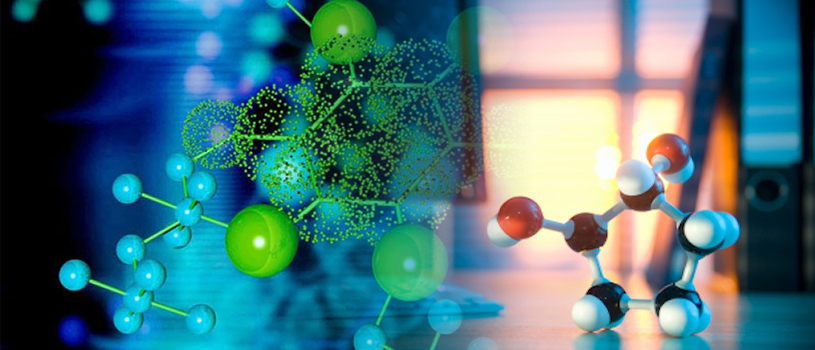
A new material can transform into complex, pre-programmed shapes via light and temperature stimuli.

The study shows that in 2016, nearly 3 million deaths globally were attributed to alcohol use, including 12 percent of deaths in males between the ages of 15 and 49.

Two years after launch, NASA’s OSIRIS-REx spacecraft has snapped its first pictures of asteroid Bennu, setting the stage for a cautious approach designed to put the probe in orbit around its quarry on New Year’s Eve.

The red points in the picture above are areas around the world with fires actively burning, accurate as of Thursday. It doesn't look great.


