
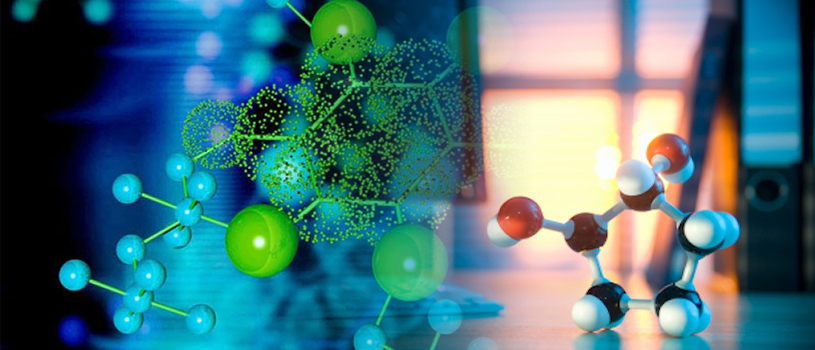
Physicists have now demonstrated the world-first simulation of a chemical bond using trapped ion qubits, one of the most promising pathways to full-scale quantum computing.

Japanese IT giant Fujitsu announced last week that it has committed to sourcing 100% of its needed electricity from renewable energy sources by 2050, coupled with its decision to join the RE100 initiative.
Tesla has released a new video that highlights the work it is doing to help transition the island nation of Samoa from diesel electricity generation to 100% renewables.

Daily data collection by the shore stations program at the Scripps Institute, part of University of California San Diego, have recorded the warmest sea temperatures in nearly a century.

The Canadian Hydrogen Intensity Mapping Experiment (CHIME), a revolutionary new radio telescope, recently made its first-ever detection of a possible Fast Radio Burst (FRB).

By January 2019, Dominica, home to 70,000 people, plans to fully ban all common plastic and styrofoam single-use food containers.

Chile has just become the first country in South America to ban the widespread use of plastic bags. Following the implementation of the ban, small shops have two years to adapt to the total ban on plastic bags.

For the first time in the history of human civilization, most people live in cities. Climate change, water, garbage, transportation flows and digital connectivity will shape the future quality of daily life in our ever-denser habitat.
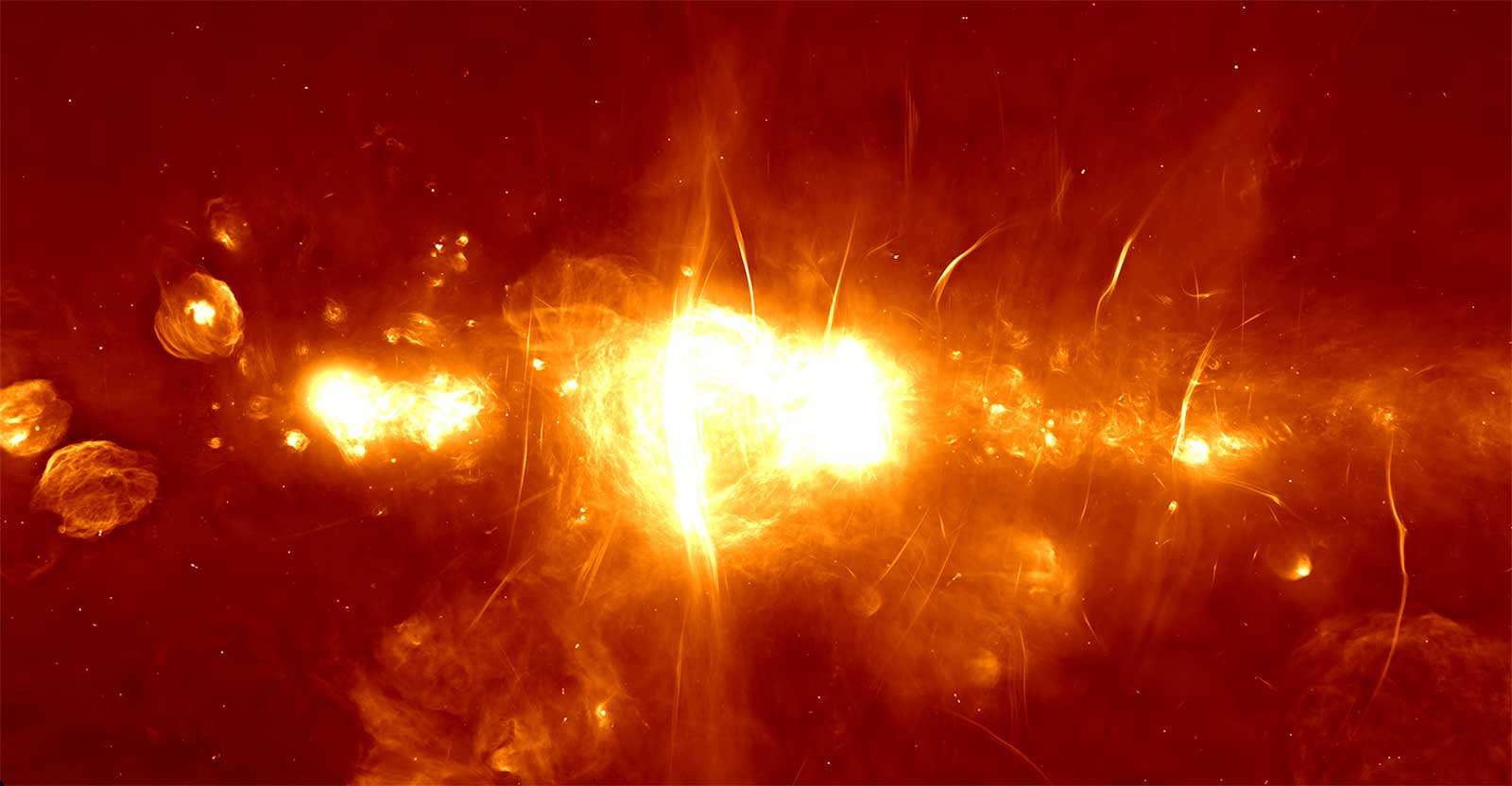
South Africa has officially switched on MeerKAT, billed as the most sensitive radio telescope of its type on the planet.

Pakistan has more glaciers than any other country outside the polar region — more than 7,200. Data gathered over the last 50 years shows that all but about 120 of the glaciers are melting, due to rising temperatures.

The achievement opens up the possibility of using similarly bioengineered lungs for humans in need of a lung transplant.

Approximately 94% of the 111 species and subspecies of lemur are under threat of extinction in their native country of Madagascar – the only place they exist outside of captivity.

In contrast with the conventional, completely sealed-off, air-conditioned tower, this hotel, designed by local office WOHA, merges architecture and nature, and combines indoor and outdoor spaces in a striking fashion.

As part of their 3D-Printed Habitat Centennial Challenge, NASA recently awarded five teams with a total of $100,000 for their designs for Martian habitats.


