

Arnold Schwarzenegger announced his plans this week to sue Big Oil for its contributions to climate change. Schwarzenegger joins a growing list of cities and now private citizens who hope to bring Big Oil to court.

Aiming to produce more energy than it consumes, the city will stretch out to nearly 1,000 acres. It will essentially be a prototype of a future city run on renewable power and driverless public transportation.
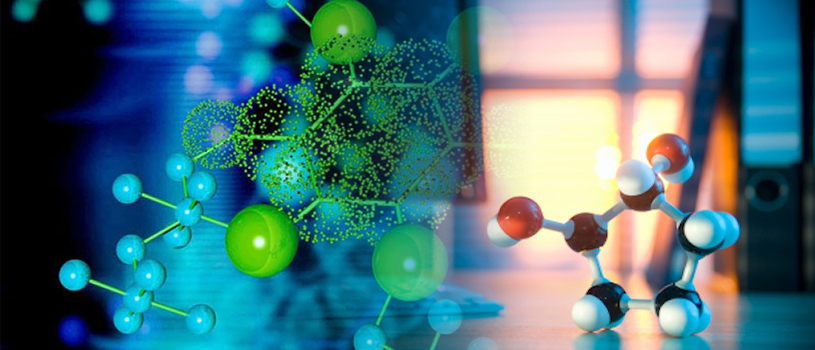
Researchers have produced a 'human scale' demonstration of a new phase of matter called quadrupole topological insulators that was recently predicted using theoretical physics.

Remains of the famous civilization on Easter Island, or Rapa Nui, are at risk of disappearing as climate change leads to coastal erosion.

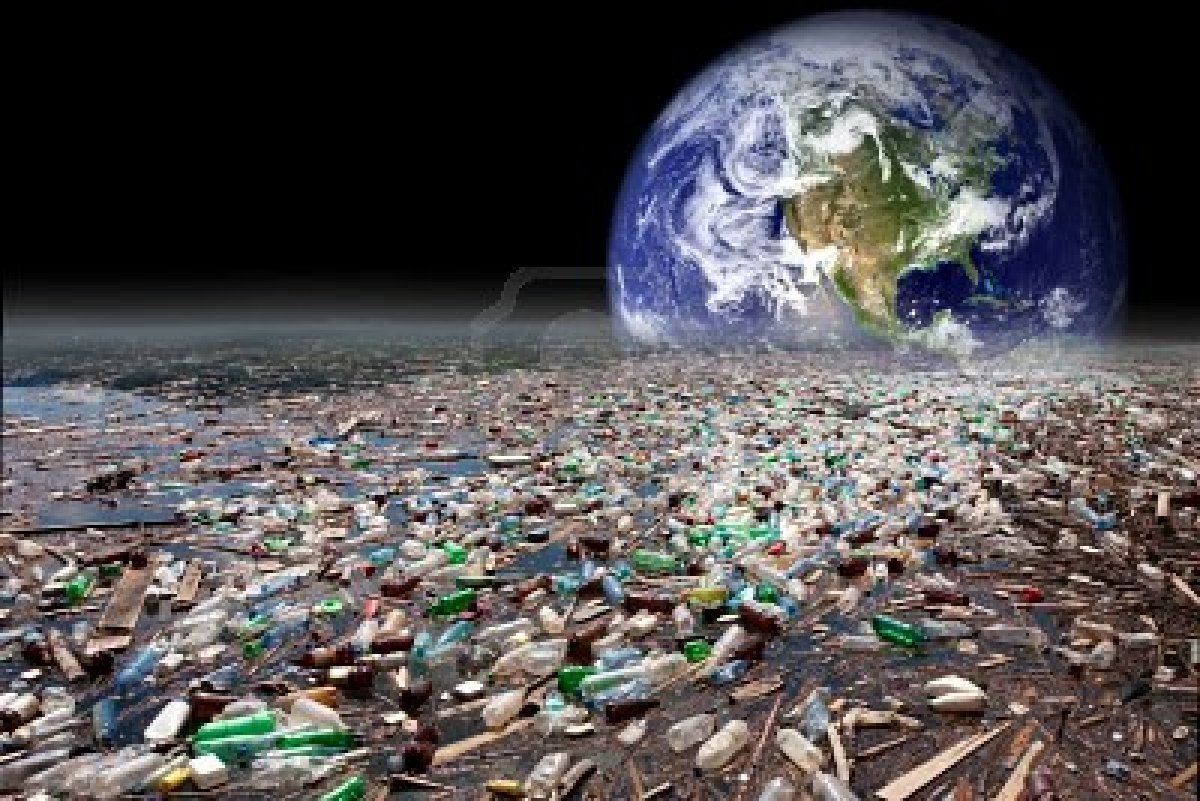
Adidas has been making shoes out of ocean plastic pollution – and according to a recent news report, they sold 1 million pairs last year.

Editing another essential molecular component of our biology—RNA, the messenger used by cells to turns DNA instructions into proteins— holds great promise.

In Berlin, an effort to cut CO2 emissions is underway with a year-long living lab experiment. 100 households are aiming to cut their carbon footprints 40 percent over the course of this year.
A study examining 11 brands of bottled water sold around the world has found that nearly every sample tested was contaminated by plastic particles.

ICON and New Story are working together on affordable 3D-printed housing for developing countries, and can print a home for $4,000 in a day.

British billionaire Sanjeev Gupta is building the world’s biggest battery in South Australia to rival Elon Musk’s battery project.

The Kepler spacecraft responsible for detecting 2,245 exoplanets, and another 2,342 yet to be confirmed, is running out of fuel and may have just a few months left before its lights go out.

Another country joins the ranks of the Powering Past Coal Alliance.
Ocean acidification will severely impair coral reef growth before the end of the century if carbon dioxide emissions continue unchecked.

Researchers have fused living and non-living cells for the first time in a way that allows them to work together, paving the way for new applications.


