

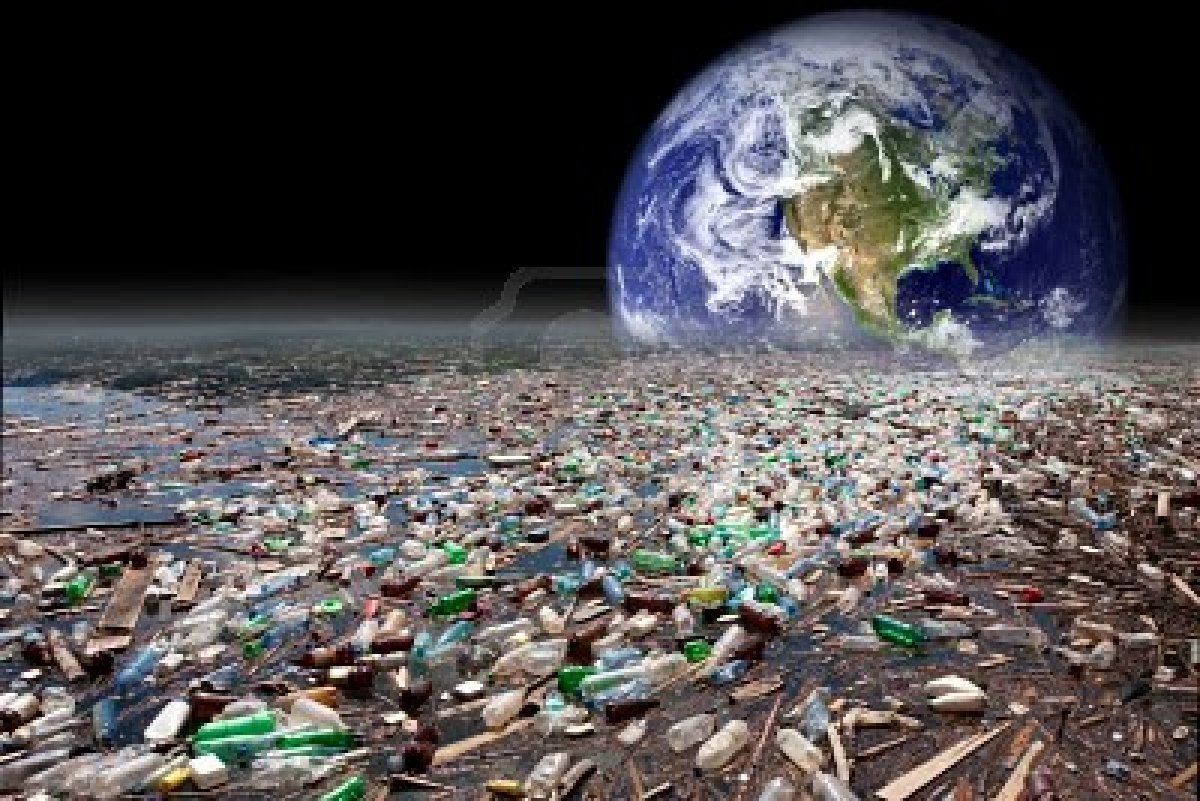
The rural town of Penzance in UK has been working extremely hard to rid its beaches and streets of single-use plastics and nearly one hundred other communities around the country are striving for similar status.
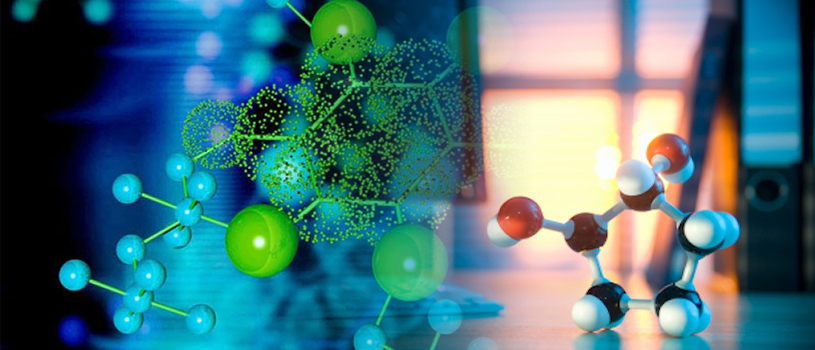
The gene CMAH, that allows for the synthesis of a sugar called Neu5Gc, is missing from humans. This sugar is present in red meats, some fish and dairy products.

Struggling to process its own waste, China, the world’s largest importer of recycled goods, will no longer accept mixed plastic and paper from the rest of the world.

The forthcoming Tri-Gen facility is being called "the world's first megawatt-scale 100% renewable power and hydrogen generation station."

Google Machine Learning Technology recently helped scientists at NASA discover two new planets far outside the solar system.

Rohingya refugees in Bangladesh, bombed-out buildings in Syria and an anti-Trump march in New York are among the images captured by the agency photographers shortlisted by the Guardian picture desk this year.

Virtual reality continues to make ground in education; from the world’s first VR primary school tour to an increased emphasis on experiential learning.

French President Emmanuel Macron took the initiative to convene the One Planet Summit. Though this summit is not a donor conference, participants pledged a host of financial commitments to fight climate change.

The World Bank group will abandon financing upstream oil and gas projects from 2019 and focus on energy transformation, as announced by World Bank Group President at the One Planet Summit in Paris, France.

Scientists achieve long storage times for photonic quantum bits which break the lower bound for direct teleportation in a global quantum network.

Nuclear fusion promises to be a clean source of energy, but it is expensive, technologically complex, and far from being deployed on a commercial scale.

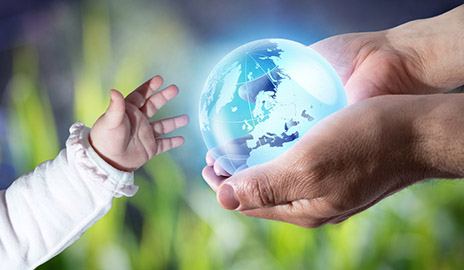
In order to continue to tackle global challenges and push humanity forward, it’s important to be intelligently optimistic about the future.
While scientists have been aware of the Earth’s humming since 1959, with more definitive research emerging in 1998, the source of the sounds remains a mystery.
Dutch designers have created a bioplastic made from algae that can be 3D printed into virtually any product, creating a system that has the potential to completely replace synthetic plastics.

Twenty-one young people are suing the federal government in US for violating their rights by not sufficiently addressing climate change.


