
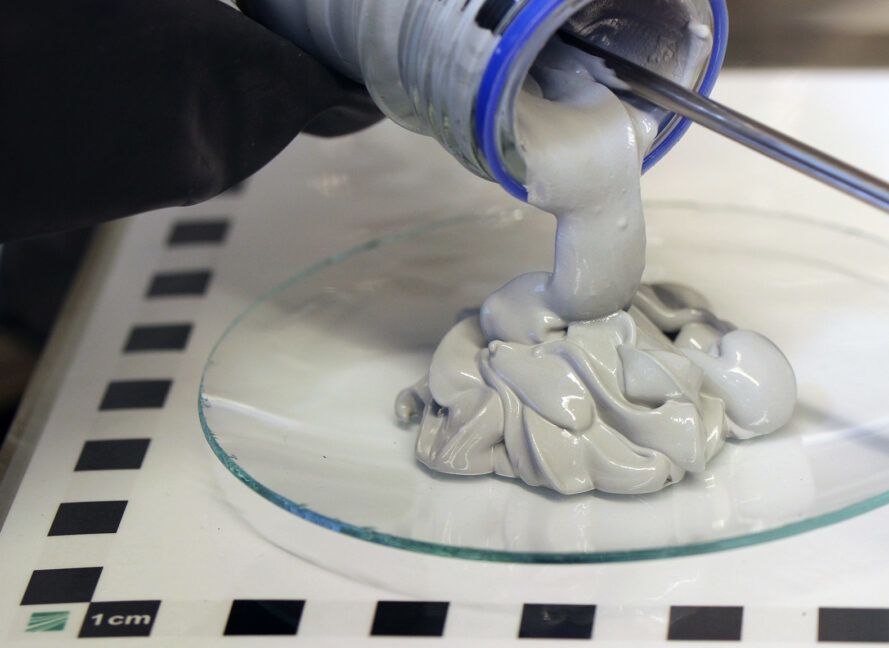
German researchers have created POWERPASTE, a hydrogen fuel paste that could one day be used to fuel vehicles. The product is created from a magnesium base and would be stored in vehicles in the form of a cartridge.

Since element 99 - einsteinium - is very hard to create and it is exceptionally radioactive. A team of chemists has overcome these obstacles to report the first study characterizing some of its properties.

Eating too much fat and sugar as a child can alter your microbiome for life, even if you later learn to eat healthier, a new study in mice suggests.

A new study provides evidence of a mechanism by which climate change could have played a direct role in the emergence of SARS-CoV-2, the virus that caused the COVID-19 pandemic.

Robotic dogs, laughter therapy and mindfulness are some of the ways that might help people - particularly the elderly - cope with loneliness and social isolation while social distancing, say UK researchers.

Researchers using the Hubble Space Telescope observed one of the closest globulars to Earth – NGC 6397 and were surprised to find signs of multiple stellar-mass black holes.

Lunar Gateway will be an orbiting habitat that will allow astronauts to make regular trips to and from the lunar surface. NASA has signed a contract with SpaceX to launch modules of the Gateway aboard a a Falcon Heavy rocket in 2024.

"Mining" for the cryptocurrency is power-hungry, involving heavy computer calculations to verify transactions. If Bitcoin was a country, it would be in the top 30 energy users woldwide.

Geoscientists have released a video that for the first time shows the uninterrupted movement of the Earth’s tectonic plates over the past billion years. On a human timescale however - things move in cm per year.
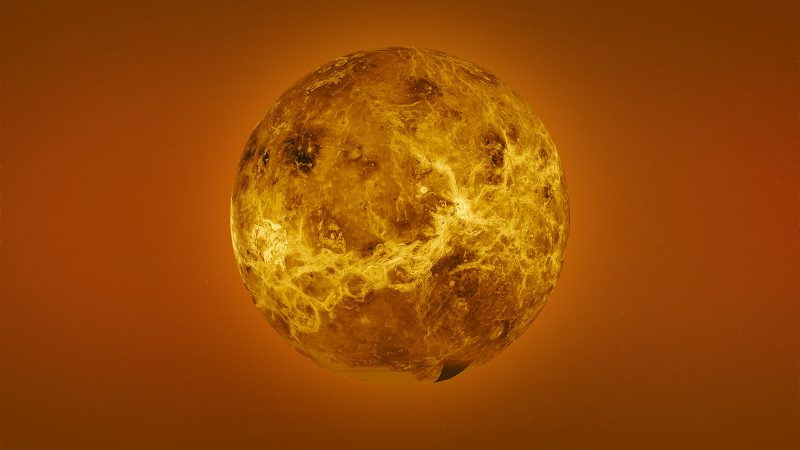
The widely-publicized detection of phosphine gas on Venus – a possible "biosignature" suggesting the hellish planet could have living microbes in its clouds – was probably caused by sulfur gas.

The construction project, believed to be the biggest in Danish history, will link hundreds of wind turbines to deliver enough electricity for millions of households. Authorities hope to have the hub operable by 2033.

Airlines could save fuel and reduce emissions on transatlantic flights by hitching a better ride on the jet stream, new research has shown. This would reduce CO2 emissions across the winter period by 6.7 million kg.

Australian scientists and Microsoft Corporation invented a single chip that can generate control signals for thousands of qubits, when the world’s biggest quantum computers currently operate with just 50 or so qubits.

Tropical forests are guardians against runaway climate change, but their ability to remove CO2 from the atmosphere is wearing down. Between 2001 and 2019 the Brazilian Amazon acted as a net emitter of carbon, study found.

Started in 2007, the 8000 kilometre-long Great Green Wall is an African-led initiative, spanning 11 countries, to combat land degradation, desertification and drought.


