

Astronomers using the Hubble space telescope have discovered water in the atmosphere of an exoplanet in its star’s habitable zone. The water was detected as vapour in the atmosphere. The planet is called K2-18b.

Largest documented asteroid breakup in the asteroid belt during the past two billion years caused enormous amounts of dust to spread through the solar system. The blocking effect of this dust lead to cooler temperatures which in turn caused diversification.

Canadian student has discovered a new and curious mineral inside a diamond unearthed from a mine in South Africa. The mineral—named goldschmidtite has an unusual chemical signature for a mineral from Earth's mantle.

A new report shows low carbon measures in cities could reduce urban emissions by nearly 90 percent and support 87 million jobs worldwide by 2030.
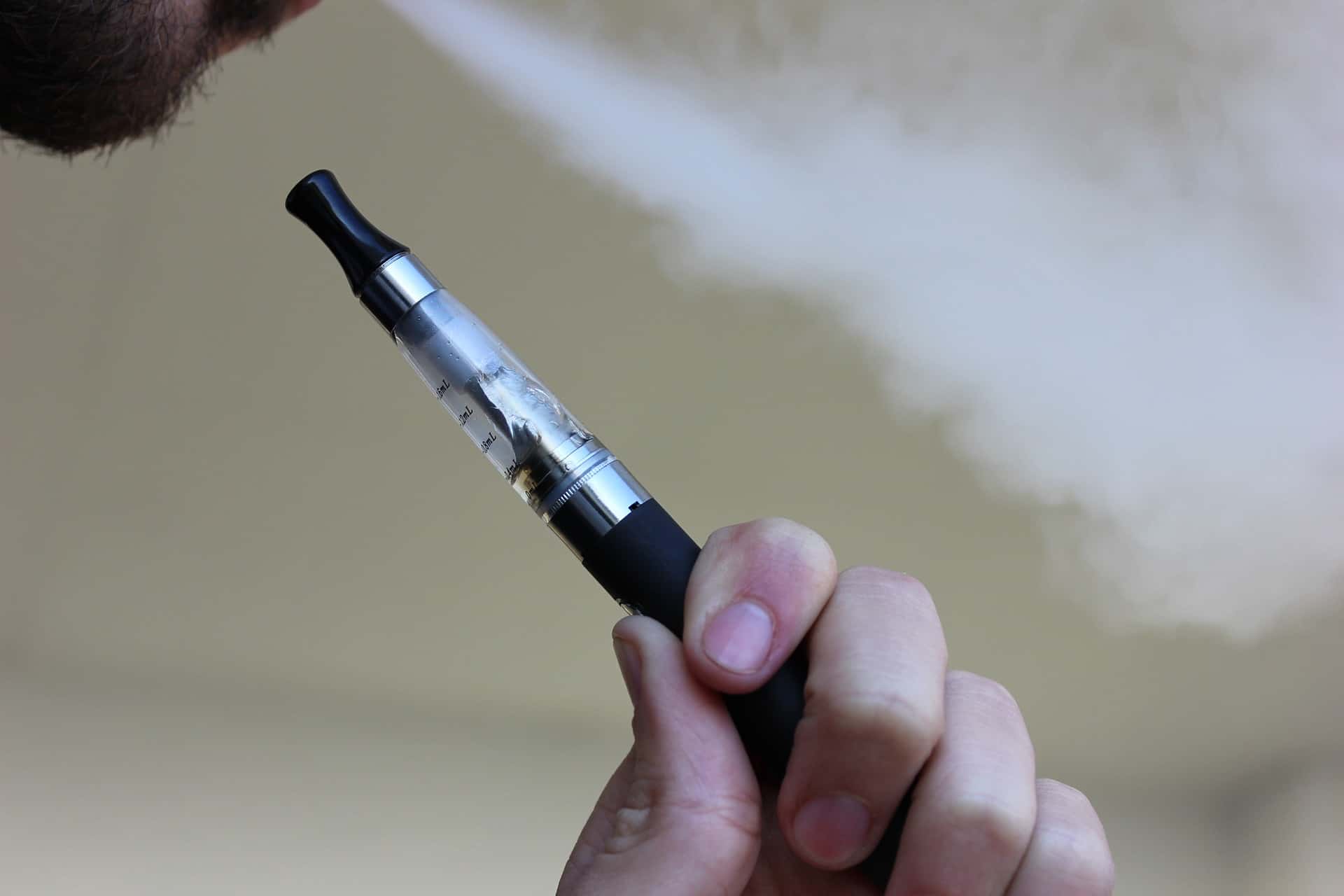
India has become the latest country to join the bandwagon of nations around the world that have banned the use and sale of e-cigarettes. In total 21 countries have already banned them.

The strong winds spurred production from wind turbines and helped supply 130% of the country's electricity demand from midnight to midnight last Sunday. The excess power was sold abroad.

There’s a strong global convergence towards five ethical principles, including transparency, justice and fairness, non-maleficence, responsibility, and privacy.

A large European study in 10 countries found that participants who drank two or more glasses of sugar-sweetened or artificially sweetened soft drinks drinks per day had a higher risk of all-cause mortality.

A genetic analysis of almost half a million people has concluded there is no single "gay gene" and that it's effectively impossible to predict an individual's sexual behaviour from their genome.

The analysis was carried out by the Global Commission on Adaptation - a group of 34 leaders in politics, business and science. The report says it is an urgent moral obligation of richer countries to invest in adaptation measures that will benefit the world.

FAST has picked up a repeating space signal known as a fast radio burst. Known as FRB 121102: first picked up in 2012 at the Arecibo Observatory in Puerto Rico, it's appeared several times since. Its origin remains a mystery.

China’s new radio telescope FAST (Five-hundred-meter Aperture Spherical Radio Telescope) has double the collecting power of the Arecibo Observatory in Puerto Rico, which has a 305 meter dish.

India is set to impose a nationwide ban on plastic bags, cups and straws on Oct. 2, officials said, in its most sweeping measure yet to stamp out single-use plastics from cities and villages that rank among the world’s most polluted.

Beverly Hills has passed what experts say is the most restrictive tobacco ban in the nation, barring the sale of virtually all nicotine products and setting the stage for similar laws in other cities.
the ocean sediment tells a clear story of the world’s growing reliance on plastic. Between 1945 and 2009, the rate of plastic deposition doubled every 15 years on average.


