
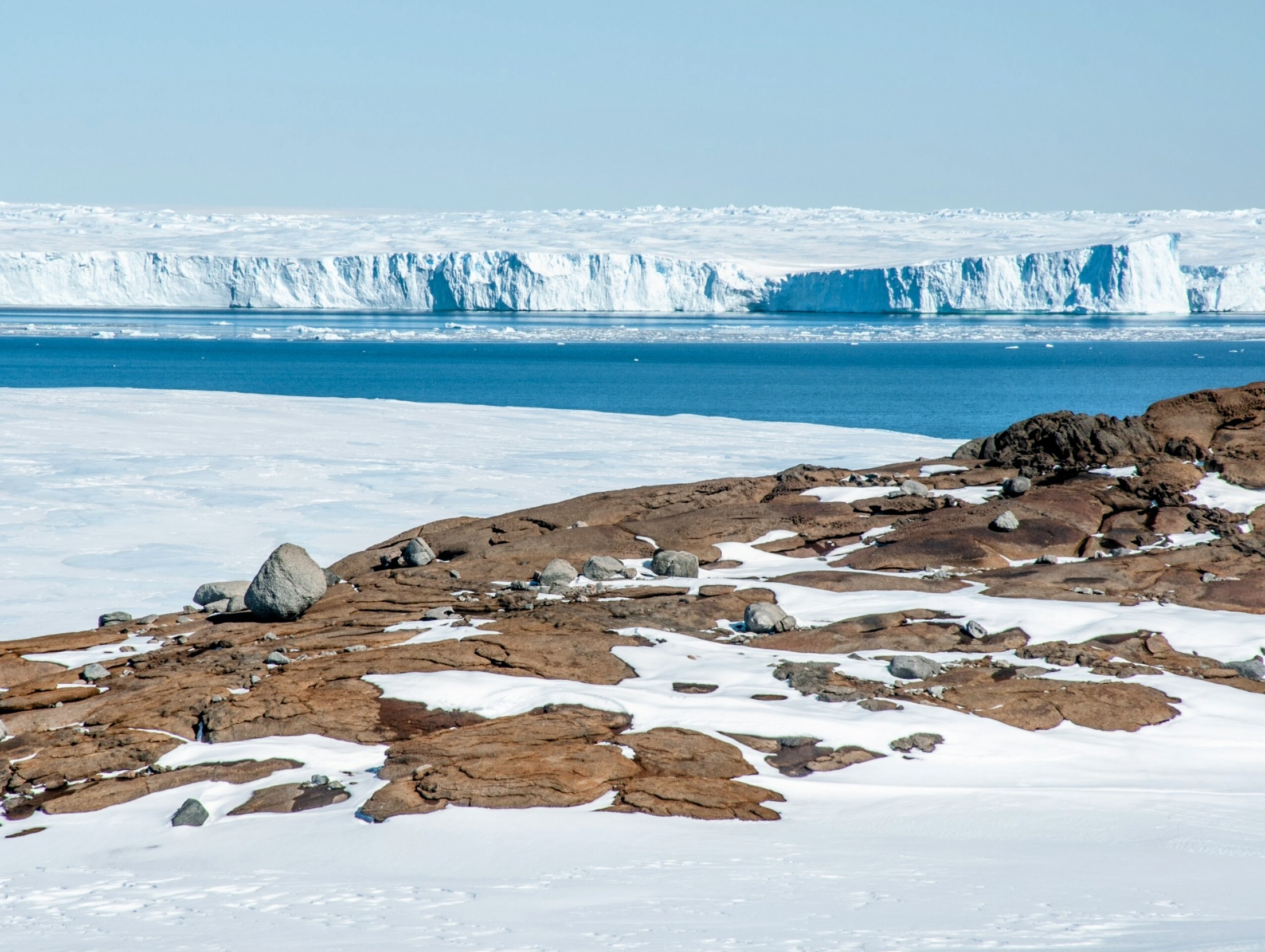
New research shows polar ice sheets may begin irreversible collapse even at 1.5 C warming - putting millions at risk.
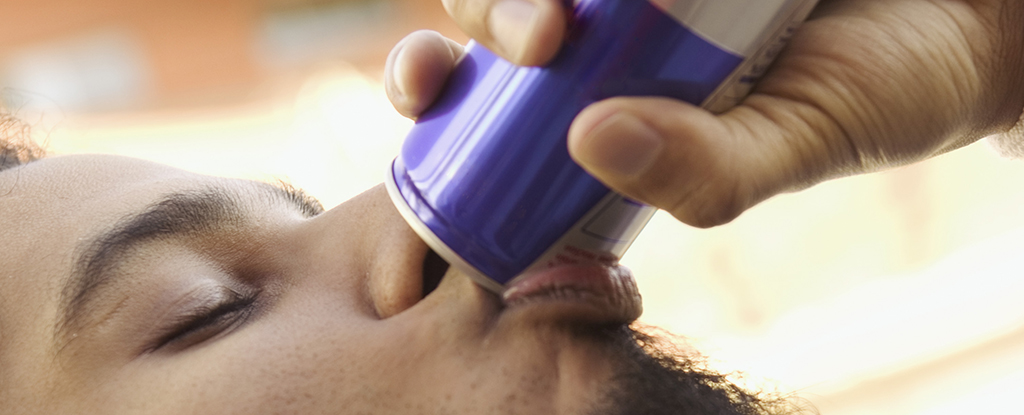
Taurine is an amino acid occurring naturally in the body, and found in energy drinks as well as foods like fish and meat – but a new study suggests it's also an important fuel source for driving cancers such as leukemia.
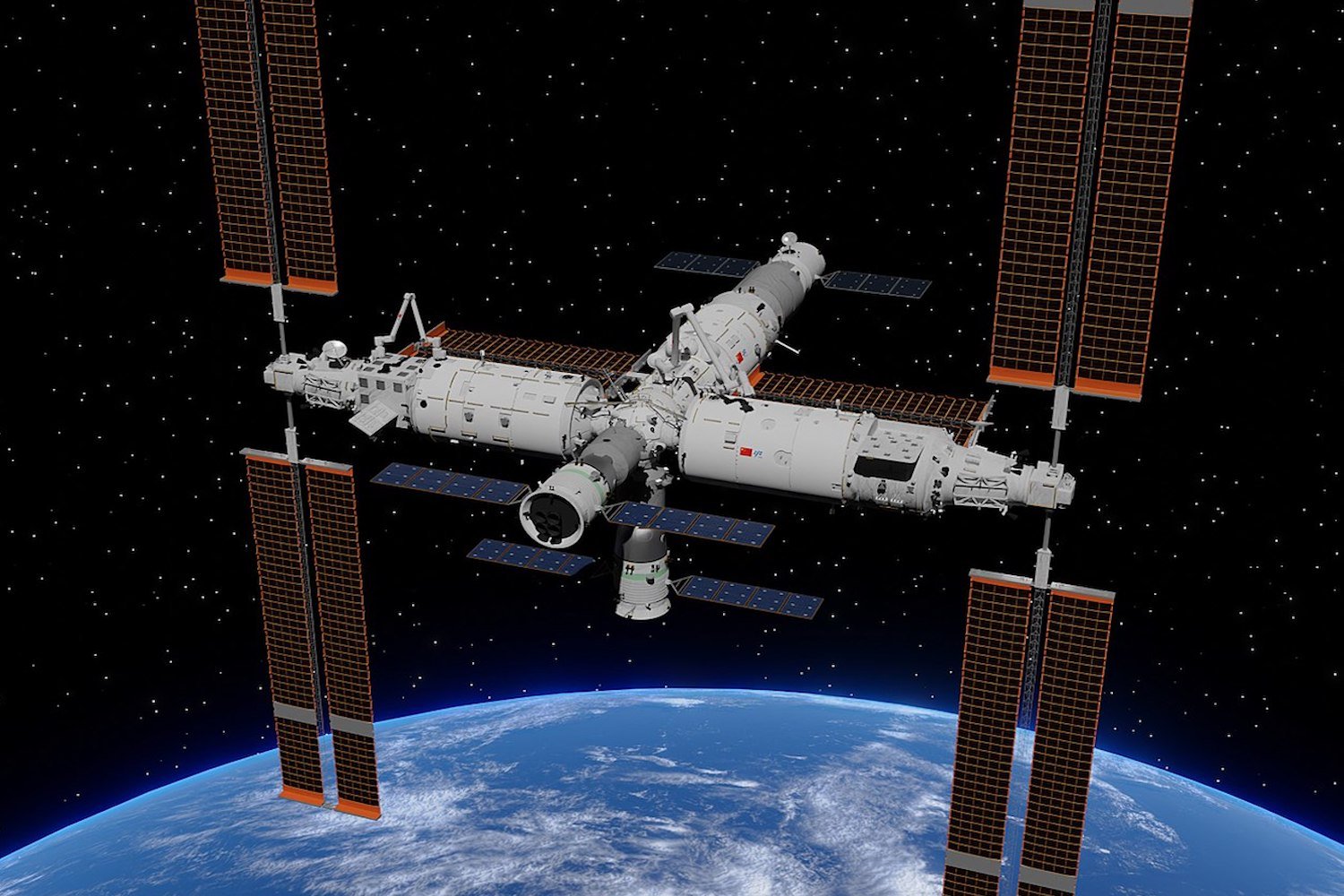
The microbes could potentially pose a threat to the health of astronauts on board Tiangong.

Researchers said on May 20, 2025, that there could be abundant water on the seven worlds.

A groundbreaking milestone was reached earlier this month as surgeons collaborated to successfully complete the world’s first-in-human bladder transplant.

Here are nine natural mysteries across the world that scientists have yet to fully explain.

Scientists have developed a new material that incorporates living cells, so it's biodegradable and can help break down waste too. Oh, and you can eat it, if you're curious like that.

There’s growing optimism that huge amounts of natural hydrogen are stored deep underground. Now, researchers have identified the key geological features that could help us hunt for the clean-burning fuel.

A new study says AI agents can create shared language conventions. Learning how this happens could help us better manage agents in the real world.

A study has become the first in the world to unravel the immediate effects of a high-fat diet on our gut health. The pre-clinical study found even a few meals high in saturated fats can cause inflammation in the body.

Researchers propose a new theory for the origin of dark matter. It could have formed in the early universe from the collision of massless particles that lost their energy and condensed.

In data collected by a powerful radio telescope, astronomers have found what appears to be a perfectly spherical bubble. A large international team has named the object Teleios, after the ancient Greek for "perfection".

Researchers from Germany have simulated ancient environment in a vial, and found that archaic life forms that live in the deep sea today can thrive under these primordial conditions.

According to a large study involving over 85,000 people in the UK, the more steps you take each day, the lower your chances of developing up to 13 different types of cancer.

New research uncovers the strongest solar event ever detected - rewriting our understanding of space weather and radiocarbon dating.


