

A new NASA-led study shows that Proxima b could support the existence of an ocean on its dayside, which means it could still be habitable.
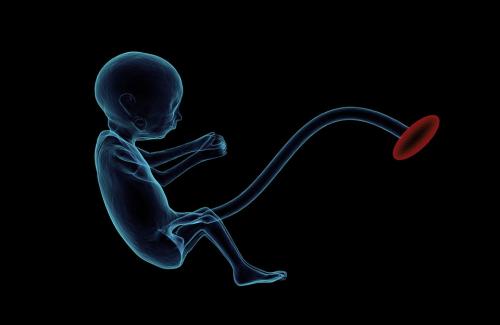
For the first time, researchers have found evidence of tiny particles of carbon, typically created by burning fossil fuels, in placentas.

Commuters in Germany now have a chance to ride the world's first hydrogen train as the country moves to replace old diesel-powered engines. Instead of exhaust fumes, hydrogen trains produce only water.

Scientists that studied the Western Canada’s permafrost, which is more ice-and sediment-rich than others, discovered that this permafrost meltwater contains sulfuric acid.

37 other countries have banned animal testing already, including India, Brazil, New Zealand, South Korea, Taiwan, Israel, and the European Union and now the United States will join them.

A mission to deflect asteroids that might threaten Earth has begun its final assembly phase, according to a news release. NASA is testing a technique meant to protect the planet from an impending asteroid strike.

In a tweet, SpaceX said it has signed a passenger to fly around the Moon aboard its next-generation launch system.
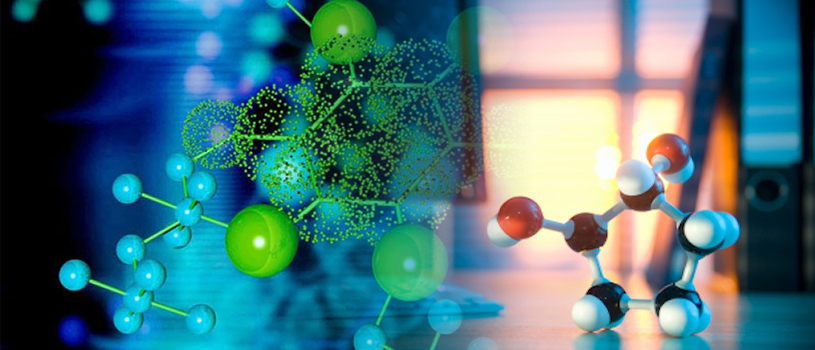
Engineers have developed a new ultrasound transducer that could dramatically lower the cost of ultrasound scanners to as little as $100. Their innovation is portable, wearable and can be powered by a smartphone.

US researchers have discovered a quantum state of matter that is 10 times more tuneable than existing theories can explain. This opens enormous possibilities for next-generation nanotechnologies and quantum computing.
Swedish researchers have identified four types of neurons in the peripheral auditory system, three of which are new to science. The analysis of these cells can lead to new therapies for various kinds of hearing disorders.

The mysterious dark photon will be hunted by the Positron Annihilation into Dark Matter Experiment (PADME) in Italy, which will start collecting data in the next couple of weeks.

Using artificial intelligence algorithms, researchers with the Breakthrough Listen project discovered 72 previously undetected fast radio bursts from a still-unknown source some 3 billion light years away.

NASA recently released a 360-degree panoramic image based on images taken by the Curiosity rover, which showed its latest drilling site.
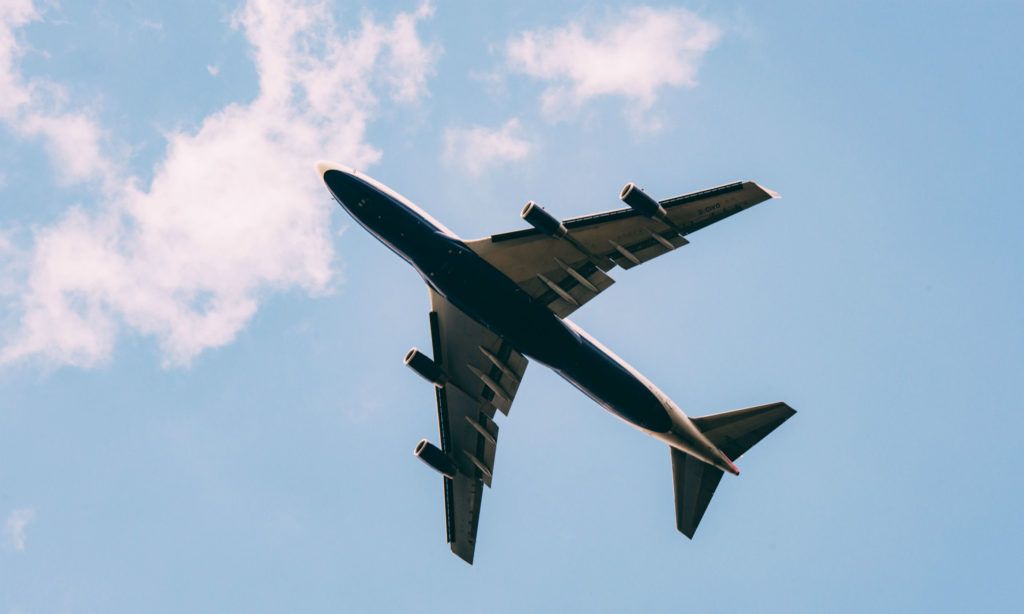
The tank of a Boeing 747 holds over 200,000 liters (52,000 gallons) of kerosene when full — about as much fuel as 4,000 small cars.

The Indian court repealed a 150-year-old law that was instated during British colonial rule which made consensual sexual activity that went “against the law of nature” punishable by up to a lifetime in prison.


