

Researchers are taking 3-D printing and 3-D modeling to a new level by using augmented reality to allow designers to design in physical space.

The overall goal of the high-rise, dubbed W350, is to help realize an environmentally conscious city of wooden buildings that would transform Tokyo into a “forest.”

Study highlights urgent need to adapt urban areas to cope with floods, droughts and heatwaves.

UK Scientists have learned that farming with crushed silicate rocks mixed into the soil could improve global food security, increase crop yield and reduce greenhouse gas emissions.

Fuelium is developing paper-based batteries designed for disposable diagnostic devices.

On August 22, 2016, astronomers spotted a superluminous supernova whose light traveled over 10 billion years to reach us.

The German government is considering free public transit as a way of getting people out of their cars.

Everyday products like hair spray, air freshener, cleaners, colognes and perfumes, pesticides, glues, and conventional cleaning products contribute a far greater amount of pollution to the atmosphere than previously thought.

Researchers have identified fifteen genes that determine our facial features.
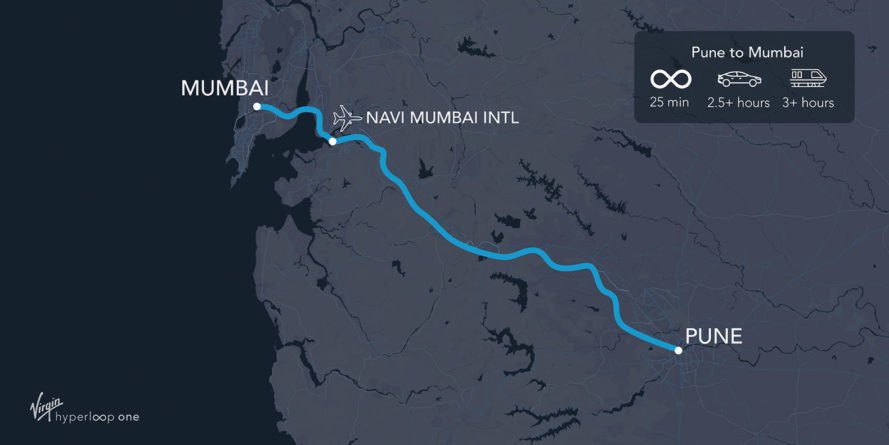
Virgin Hyperloop One just signed an agreement with the state of Maharashtra in India to work towards a hyperloop route between Pune and Mumbai.

Device displays electrocardiogram recorded by skin sensor, holds promise for home healthcare applications.

A look at the phenomenon of 3D printing worldwide, including a delicate resin pavilion in China, classical-design-inspired concrete beams in Italy and buildings that “think” in Germany.

Microsoft’s digital assistant Cortana will now support more smart home devices and integrate with IFTTT – a free web-based platform that helps users connect their apps and services together.

Ibiza, Menorca, Formentera, and Mallorca will transition to 100 per cent renewable electricity by 2050 under ambitious new climate law.

Scotland is set to become the first UK nation to ban plastic straws, as part of plans to cut down on single-use plastics.


