
Researchers have established a new world efficiency record for quantum dot solar cells, at 13.4 percent.
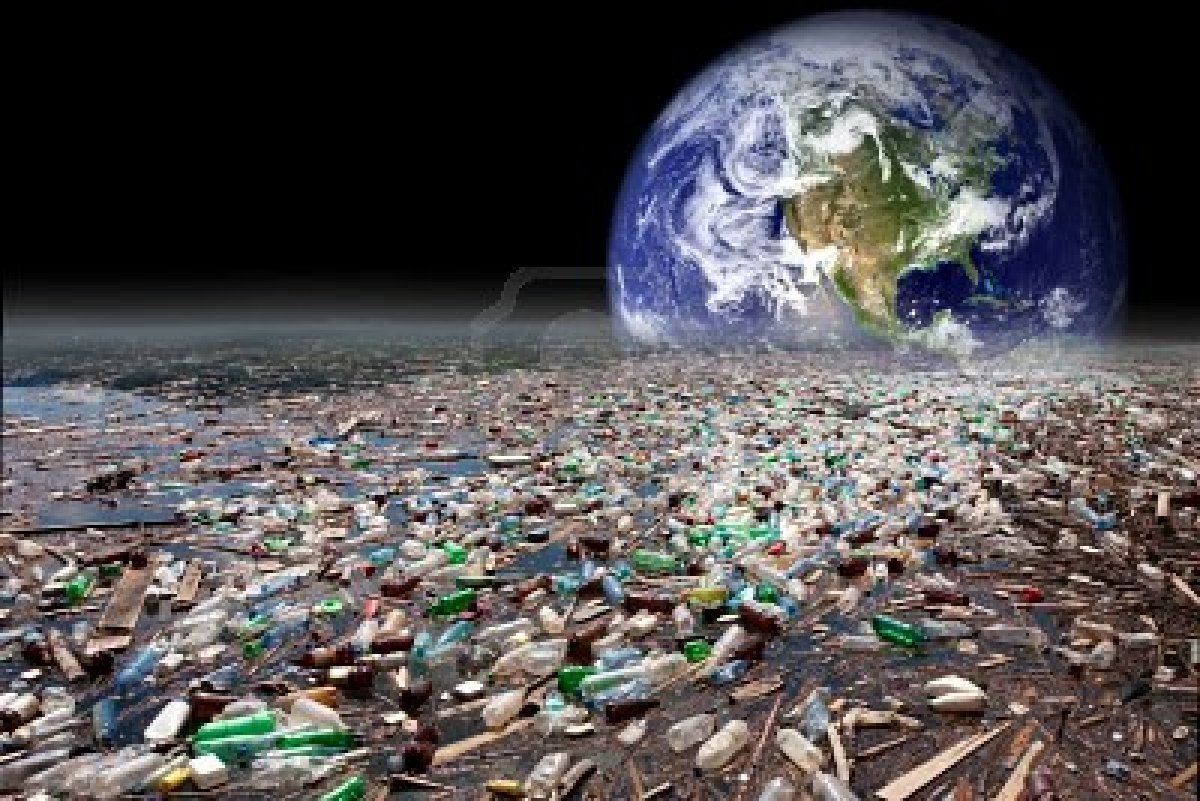
Over the last 800,000 years, pre-industrial atmospheric CO2 content remained below 280 ppm, but it has now risen to the 2016 global average of 403.3 ppm.

While far from an anti-aging cure, injections of ‘master regulator’ stem cells show promise in fighting symptoms of frailty.

Using data from the SuperWASP survey, an international team of astronomers has identified two new "hot Saturns" and one "Super-Neptune".

Chilean President signed a bill Wednesday that prohibits the sale of single-use plastic bags in 102 coastal villages and towns in a bid to stop the build-up of ocean plastic.

With water being its only emission, this groundbreaking new transit system in China emits no pollutants and creates its own power.

The government of New Zealand has just unveiled an ambitious set of environmental policies that are destined to take an aggressive stance against climate change in the future.

Saudi Arabia just announced plans for a futuristic megacity Neom, that will span 10,000 square miles and three countries. The nation is calling out to innovators, scientists, and dreamers to form an aspirational society to pioneer next-gen technologies.

The Italian Industry Minister announced that by 2025, the country seeks to phase out coal power plants.

The plans, the prototypes, the power-pumping: These batteries are hints of the future.

Human’s impact on nature is unmistakable, from vast swaths of lost forest to heaps of trash on beaches. Before these species go extinct one photographer is trying to document these species facing the struggle before it’s too late.

A research team got a lab result that even he couldn't quite believe. It goes against all conventional wisdom: the first evidence of a protein that could conduct electricity like a metal.

The object zoomed into our solar system from an extreme angle above the path in which most planets and asteroids orbit the sun.

A robot named “Sophia” has made history, as it became the first ever to be granted a full Saudi Arabian citizenship.

As Portugal reels from its worst wildfires on record, seven Portuguese children have met an important crowdfunding goal for their major climate lawsuit against 47 European nations.


