

Not only will this massive electric dump truck replace a dirty diesel truck, but it will also be an "energy plus" vehicle.

The spacecraft deserves a fond farewell and a round of applause.
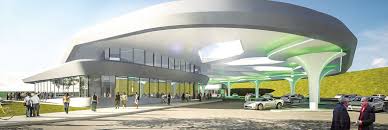
A German company plans to build the world’s biggest EV fast-charging station with 144 charging ports.

This low-tech, energy efficient, and artistic solution to the sweltering heat harnesses the power of evaporative cooling. The innovative AC is made with conical clay tubes that naturally reduce temperature.
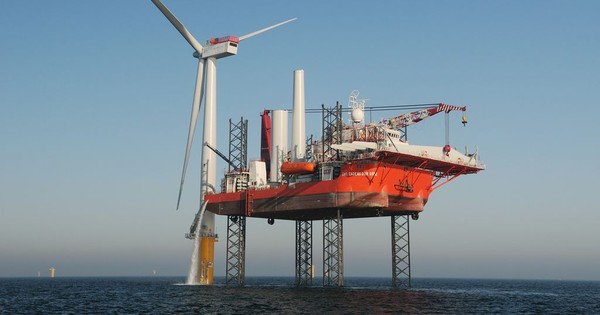
Costs are about half of what they were just two years ago.

A team of researchers from US has reported a breakthrough in stretchable electronics that can serve as an artificial skin.

Around 4.5 billion people throughout the world are currently exposed to levels of particulate air pollution at least twice the levels the WHO considers safe.

A recent study involving data collected by the K2 mission has revealed three possible Super-Earths around a nearby Sun-like star.

Schools and universities have a responsibility to protect students from hate speech while also exposing them to views that disrupt their ways of thinking and ideas of the world.

Australian researchers have designed a new type of qubit - the building block of quantum computers - that they say will finally make it possible to manufacture a true, large-scale quantum computer.

The UN Development Program and Asian Development Bank just released a joint report —100 percent Electricity Generation through Renewable Energy by 2050.

A look at the research around preserving our brain health and keeping mentally active.

Stimulating positive change at civilization level also requires certain mindsets and ways of thinking. Here are five mindsets that will allow us to leave a positive mark on humanity.

The bicycle bridge is being 3D printed from pre-stressed and reinforced concrete and will measure 8 meters in length and 3.5 meters in width when it is set up.

A tower features many energy-saving technologies, including an attractive S-shaped recess in the facade that creates a low pressure zone for facilitating natural ventilation on every floor.


