
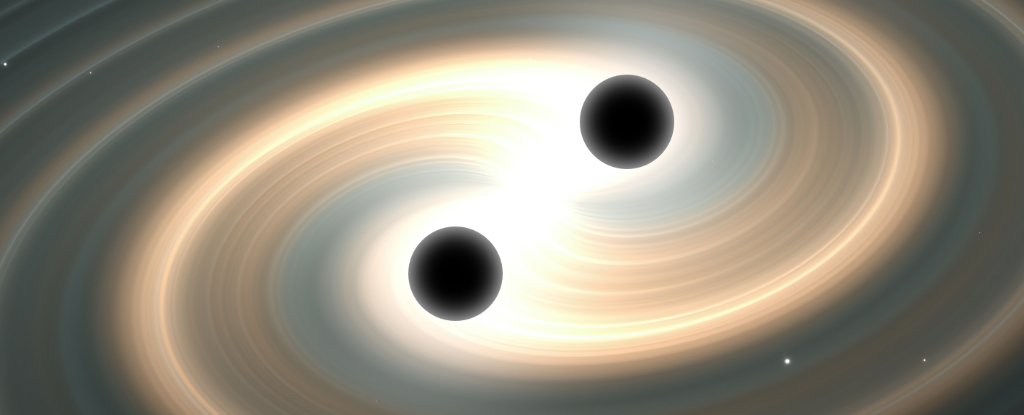
Using the largest gravitational wave detector ever made, we have confirmed earlier reports that the fabric of the Universe is constantly vibrating.
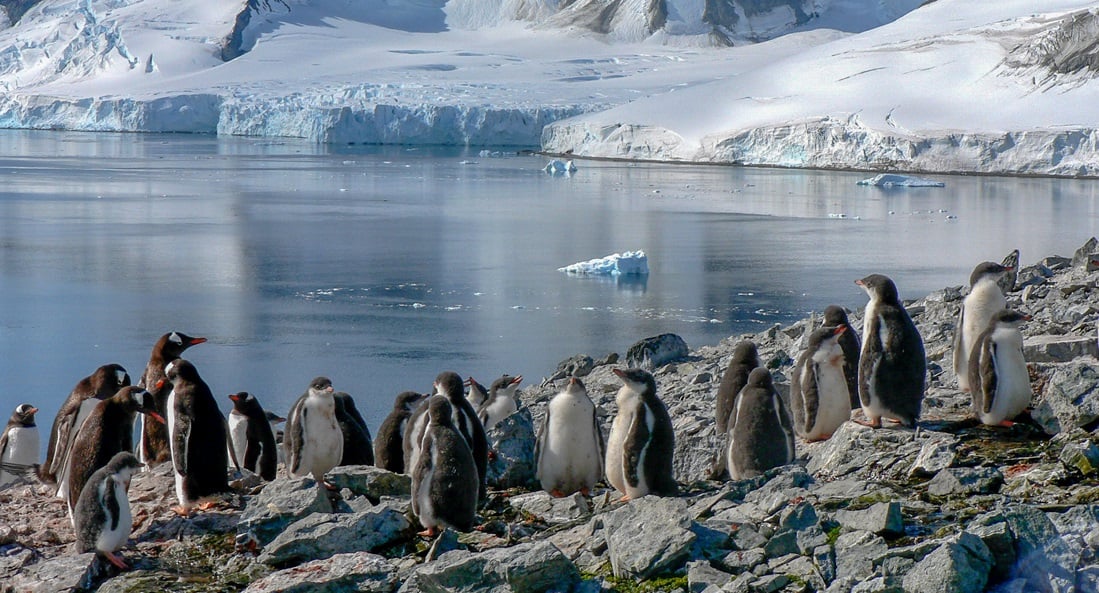
Antarctica has shown a warming trend over the past 60 years, with the West Antarctic and Antarctic Peninsula regions showing a faster change.
A team of astronomers has found that Venus has never been wet, despite decades of speculation that our closest planetary neighbour was once much more like Earth than it is today.

One of the biggest scientific mysteries is where life on Earth started.
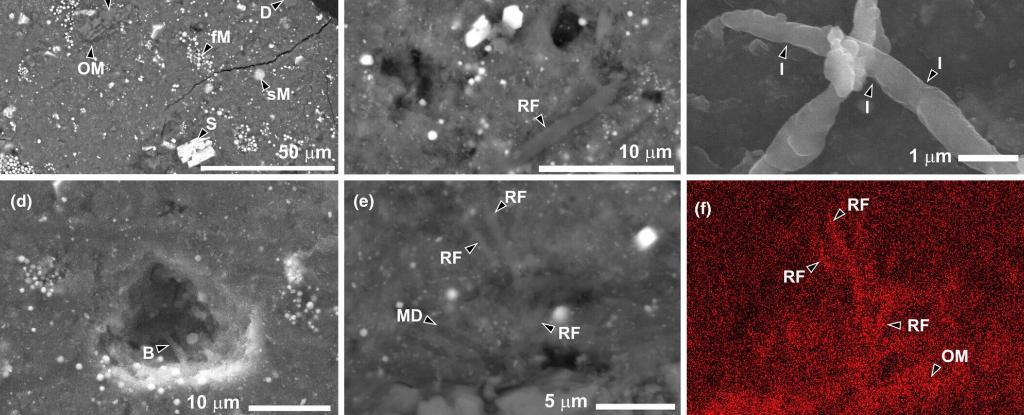
There is a radical idea that Earth was seeded not just with the building blocks of life but life itself.

Over the past three decades, there has been a startling increase in the prevalence of obesity across the U.S., at least doubling in adult men and women since 1990.
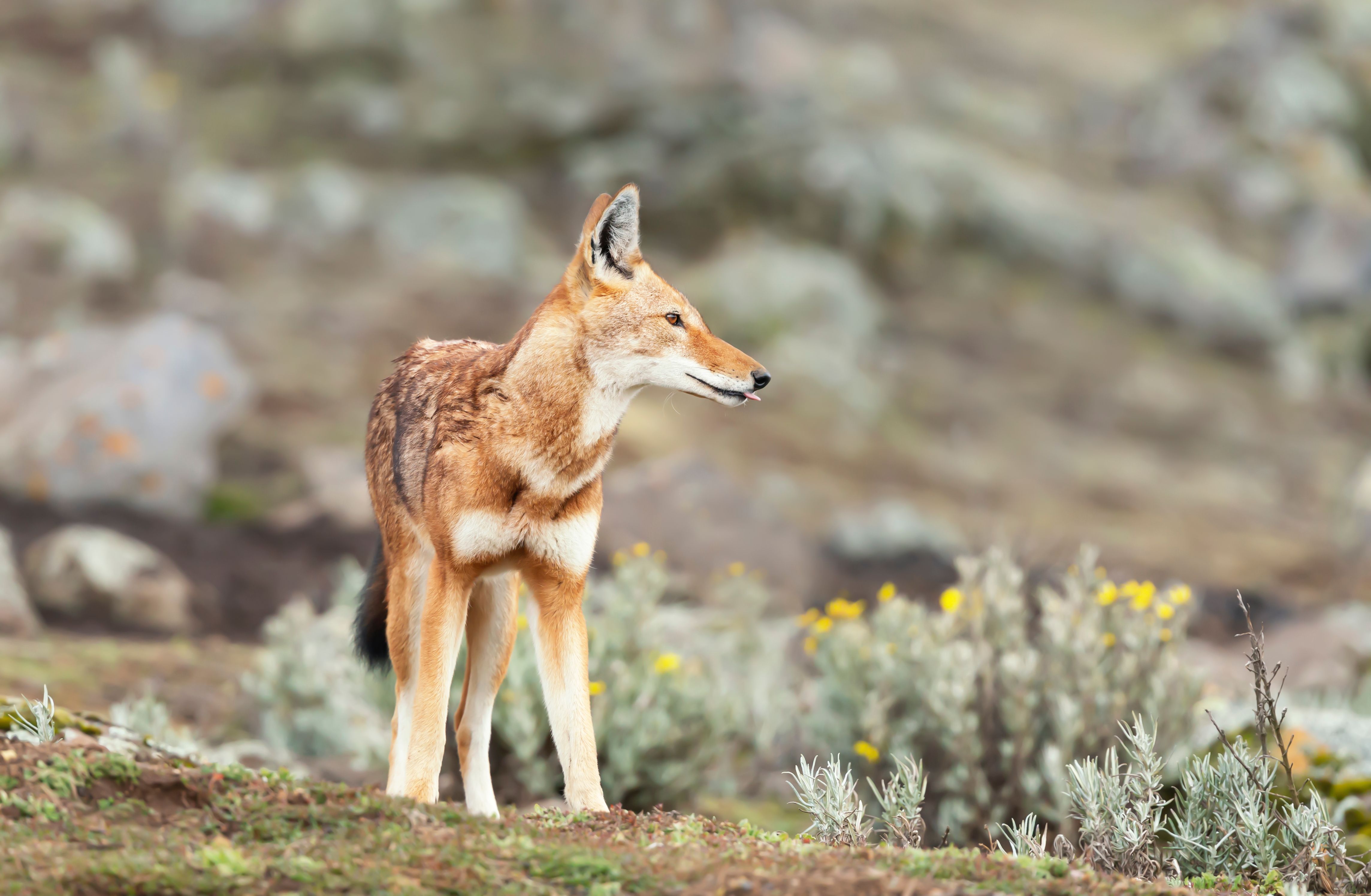
Endangered Abyssinian Wolves Observed Pollinating Flowers in Ethiopia, Making Them the First, Large Carnivorous Animal to Do So.

A "provocative" new piece in Nature has proposed a whole new group of ancient humans - cousins of the Denisovans and Neanderthals - that once lived alongside Homo sapiens in eastern Asia more than 100,000 years ago.

A new study suggests that dark matter may have originated from a separate "Dark Big Bang," occurring shortly after the birth of the universe.
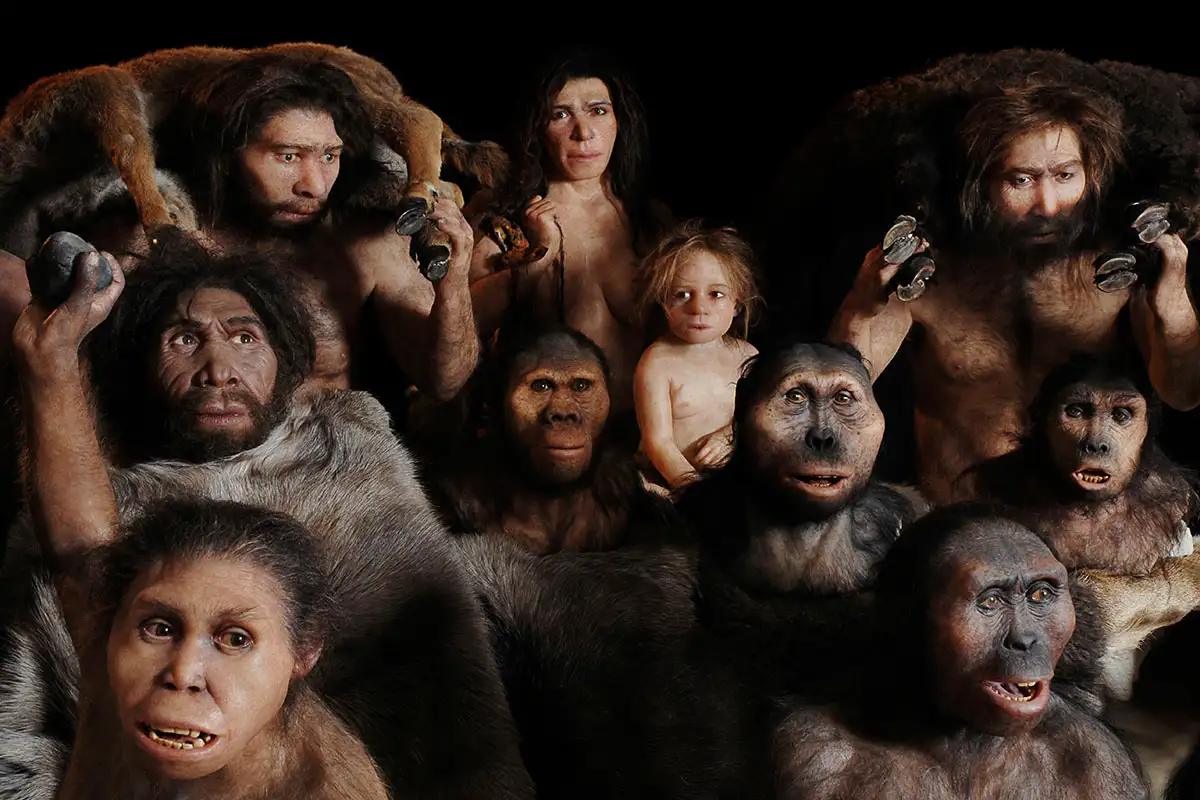
Ancient footprints in Kenya unveiled Homo erectus and Paranthropus boisei coexisting 1.5 million years ago, unlocking fascinating clues about their shared world.

A newly discovered gold ore deposit in China is not just massive—it’s described as "supergiant." Chinese experts claim it could be the largest precious metal deposit in the world.
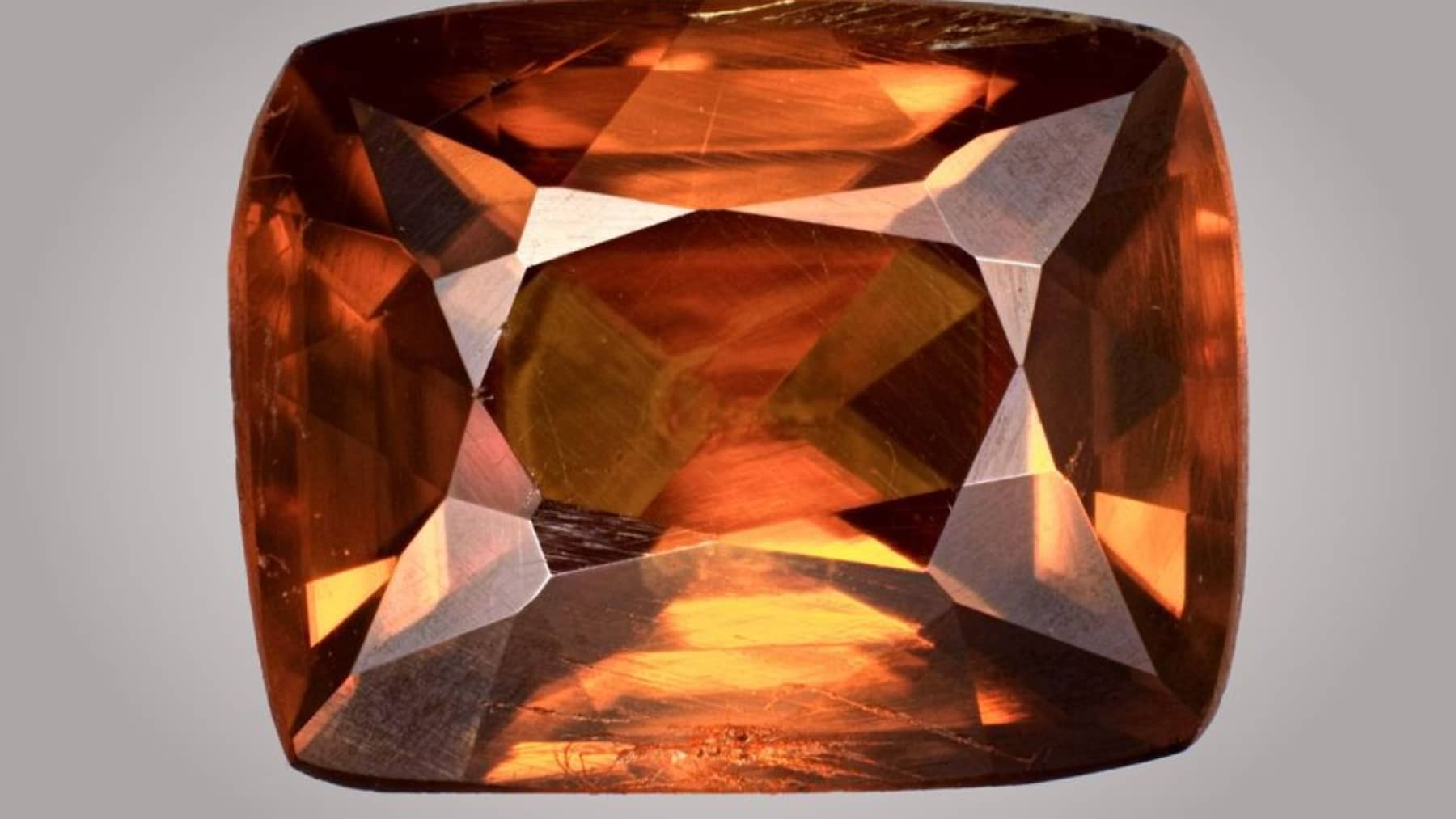
There is just one specimen of mineral known as Kyawthuite crystal, in the world.

Every year, billions of vehicles worldwide shed an estimated 6 million tonnes of tire fragments.

By 2100, parts of the Arabian Peninsula could experience up to 9 degrees Celsius of warming.

Researchers set a new benchmark, capturing the physics of dark and atomic matter with unmatched precision.


