
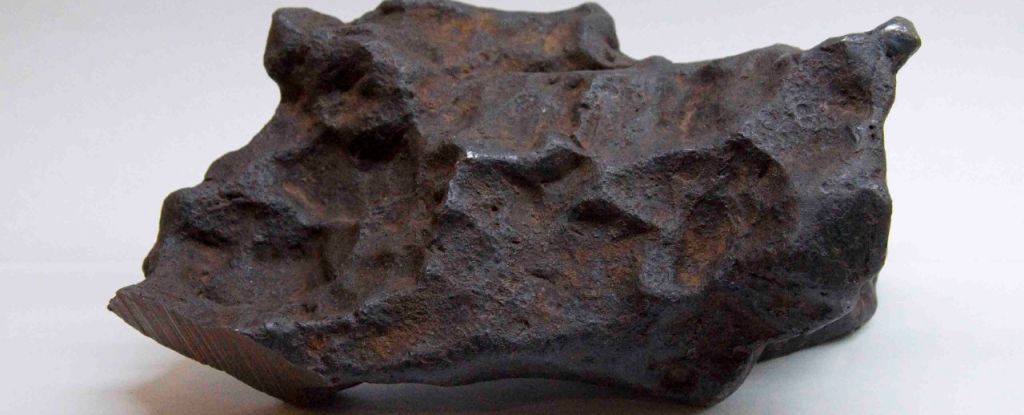
The shape of the Solar System was once a little more on the doughy side. Before it arranged itself into a flattened disk, the distribution of dust and rocks had more in common with a donut than a pancake.
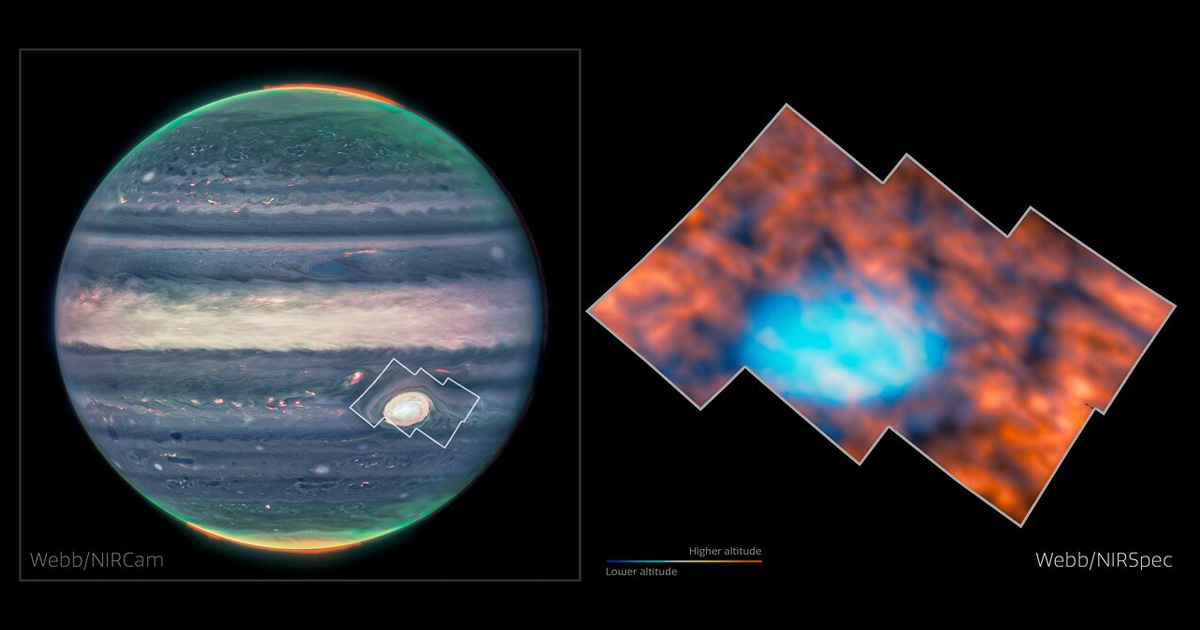
The glow above the Great Red Spot on Jupiter has recently been discovered and the researchers suspect that something else altogether is causing it - powerful gravitational interactions rarely seen on Earth.
Researchers found that time cells in the brain are crucial for learning complex tasks, acting like a personalized time code.
A major solution to the climate crisis may lie at the bottom of the ocean. Across the planet, basalt rock deposits on the sea floor have the potential to trap carbon dioxide, removing the heat-trapping gas from our atmosphere.
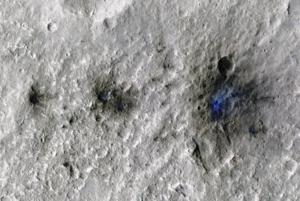
An international team of researchers combine orbital imagery with seismological data from NASA’s Mars InSight lander to derive a new impact rate for meteorite strikes on Mars.
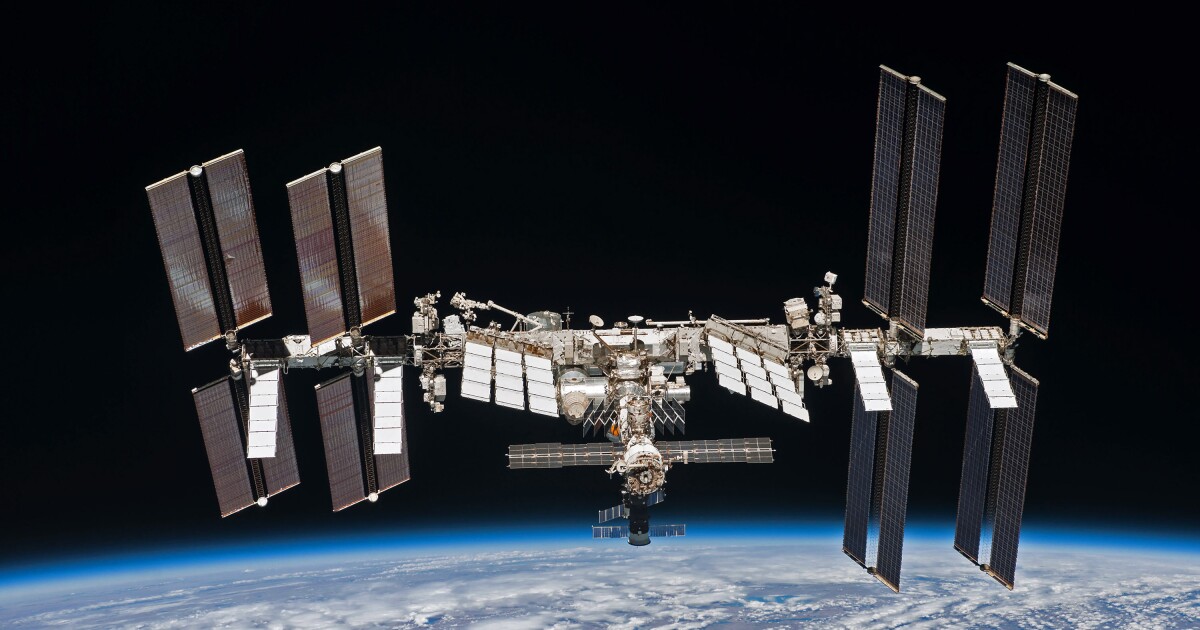
In a contract worth up to US$843 million, NASA has selected SpaceX to design the "US Deorbit Vehicle." The spacecraft will bring the $150 billion International Space Station out of orbit to safely and burn up in our atmosphere.
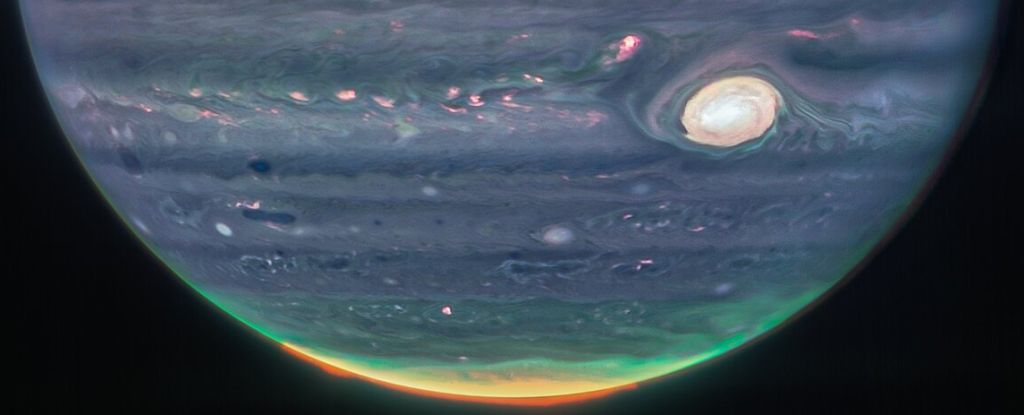
An infrared glow high up in the atmosphere of Jupiter could be produced by an interaction with dark matter.
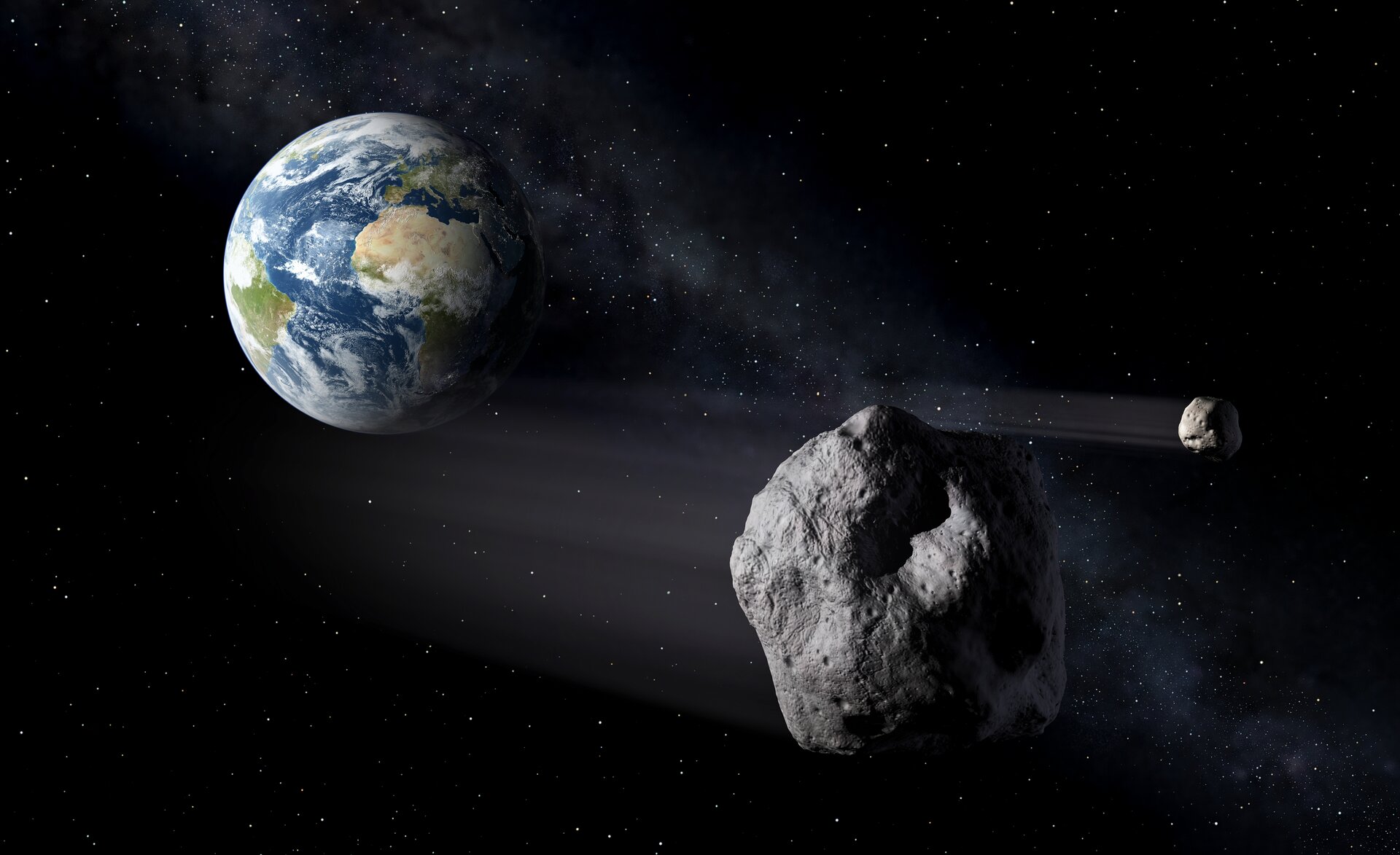
Two large asteroids will safely pass Earth this week, a rare occurrence perfectly timed to commemorate this year's Asteroid Day.
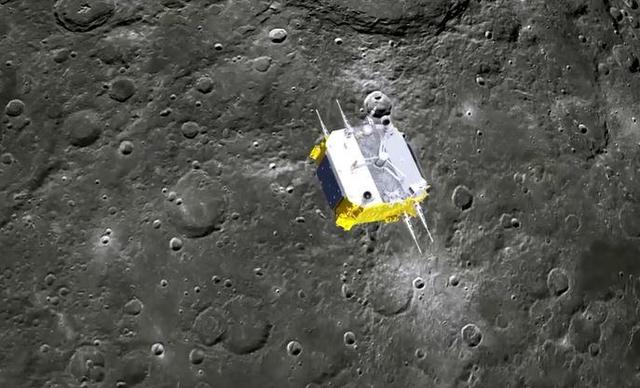
China’s Chang’e-6 lunar probe returned to Earth on Tuesday, bringing back the first-ever samples from the unexplored far side of the moon.

The analysis is key to confirming carbon and nitrogen-rich dusts and organic compounds essential for life. However, the sample also revealed the presence of magnesium-sodium phosphate, which had not been detected before.
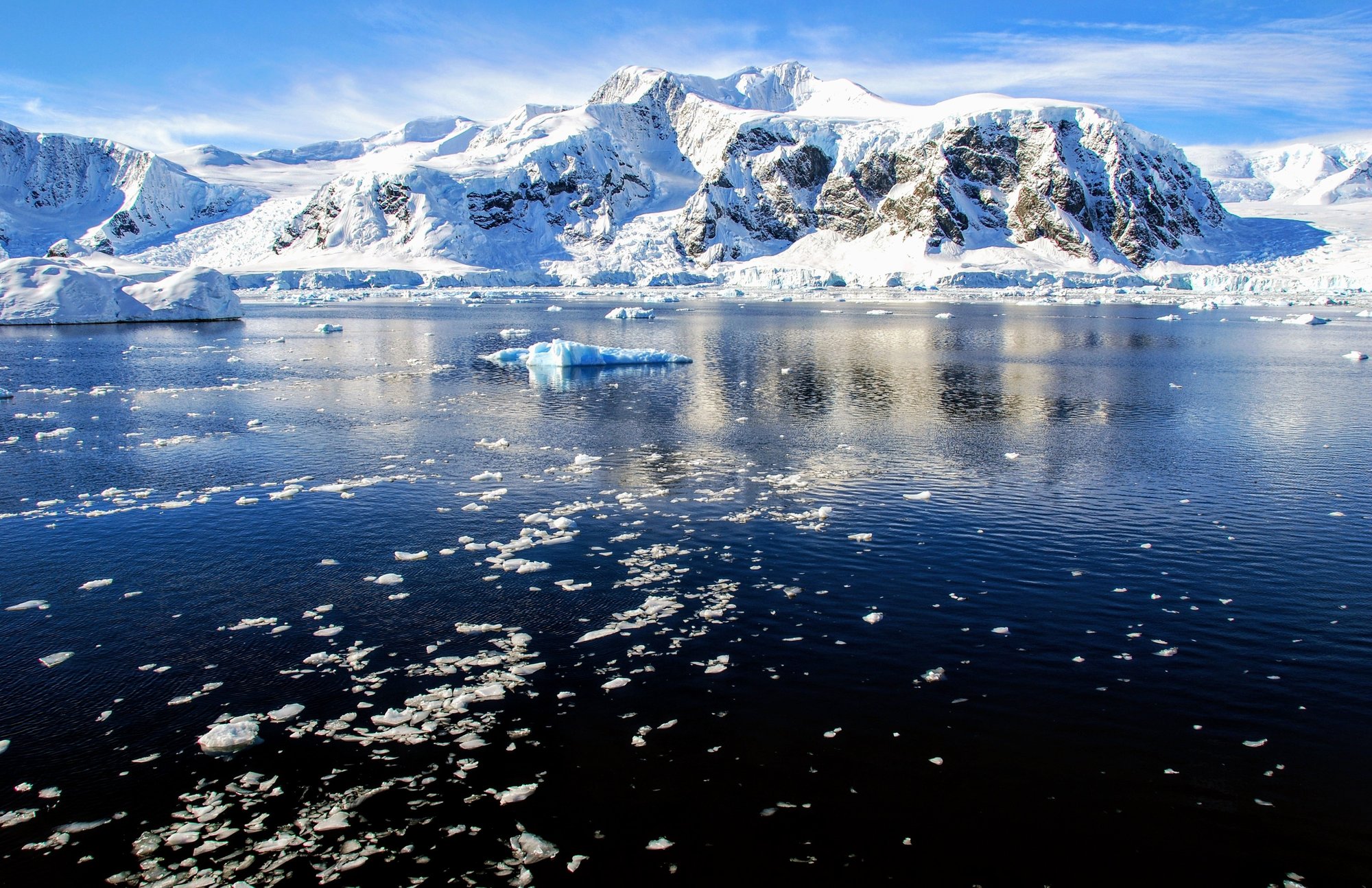
Ice sheets, the massive frozen expanses covering Antarctica, are harboring a hidden threat beneath their surface.
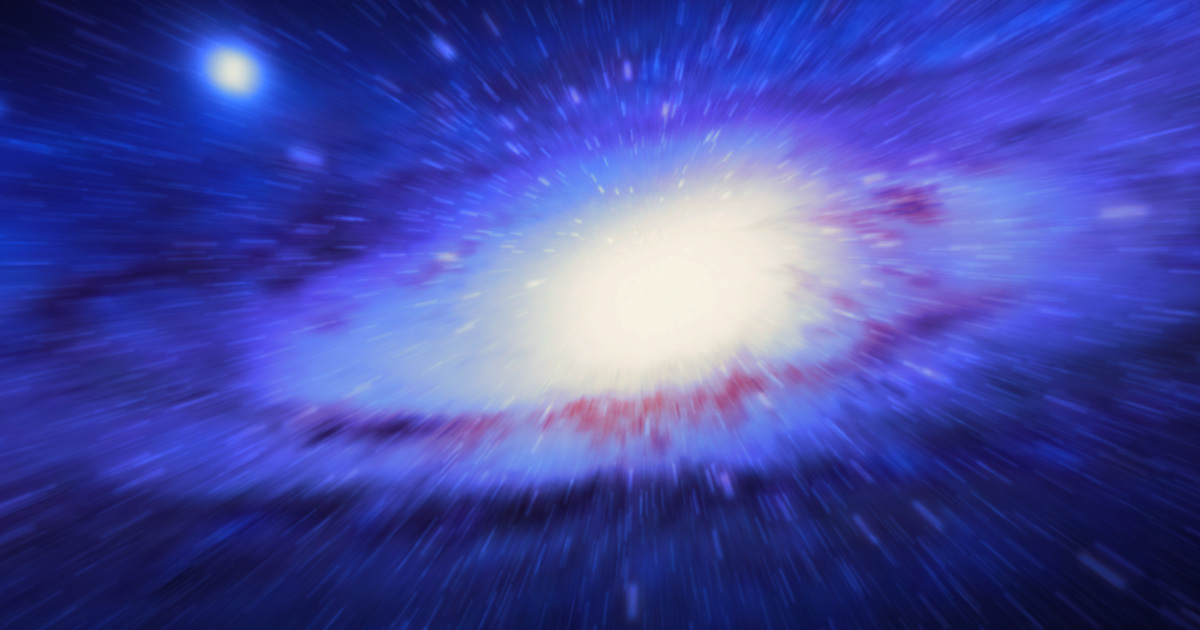
Strange thing about our galaxy's nucleus, according to new research: stars that stay young indefinitely by feeding off dark matter particles.
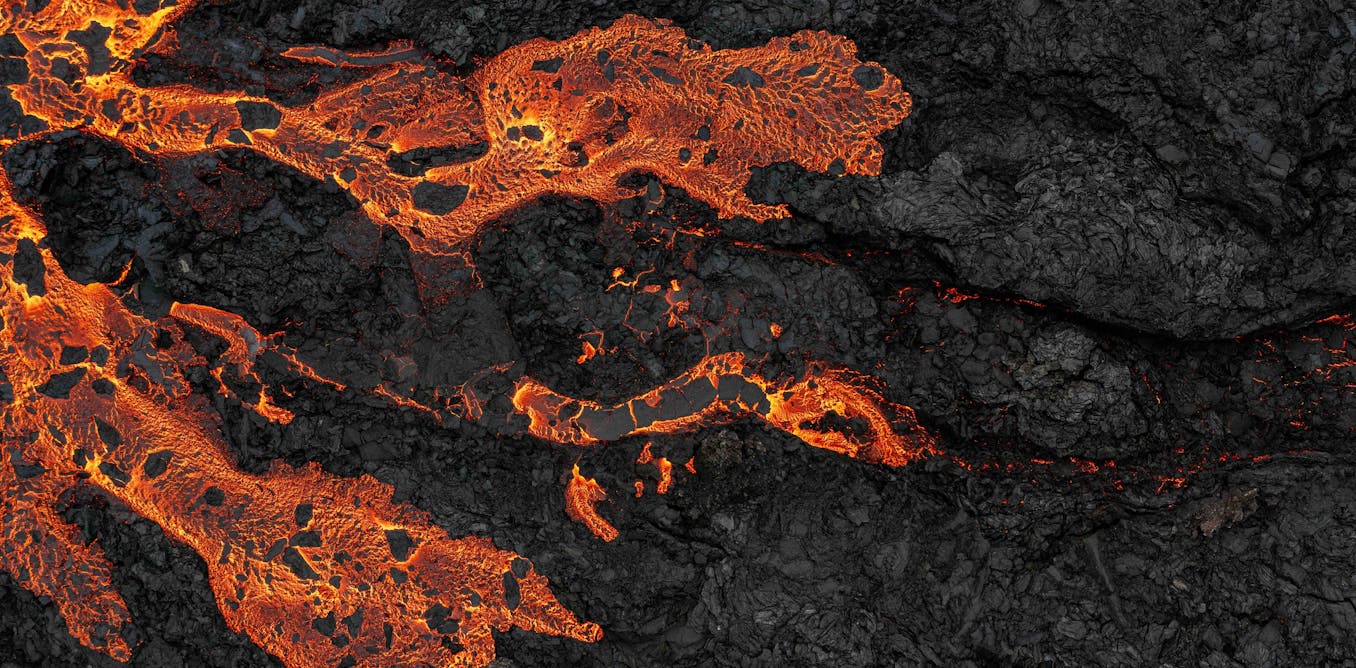
Our planet was born around 4.5 billion years ago. To understand this mind-bendingly long history, we need to study rocks and the minerals they are made of. In a new study, evidence of rocks of a similar age were found in Australia.
We urgently need to move away from fossil fuels, but electric vehicles and other green technology can put their own pressures on the environment. That pressure could be eased with a new magnet design that was built with AI.

The loss of wolves to the region has been largely overlooked by humans, even in our scientific research, but the impact of their absence is written loudly in the missing trees.


