

Both the Moon and Mars were volcanically active at one time and the result is lava tubes. A new study shows that lunar and Martian lava tubes might be enormous, and easily large enough to accommodate a base.
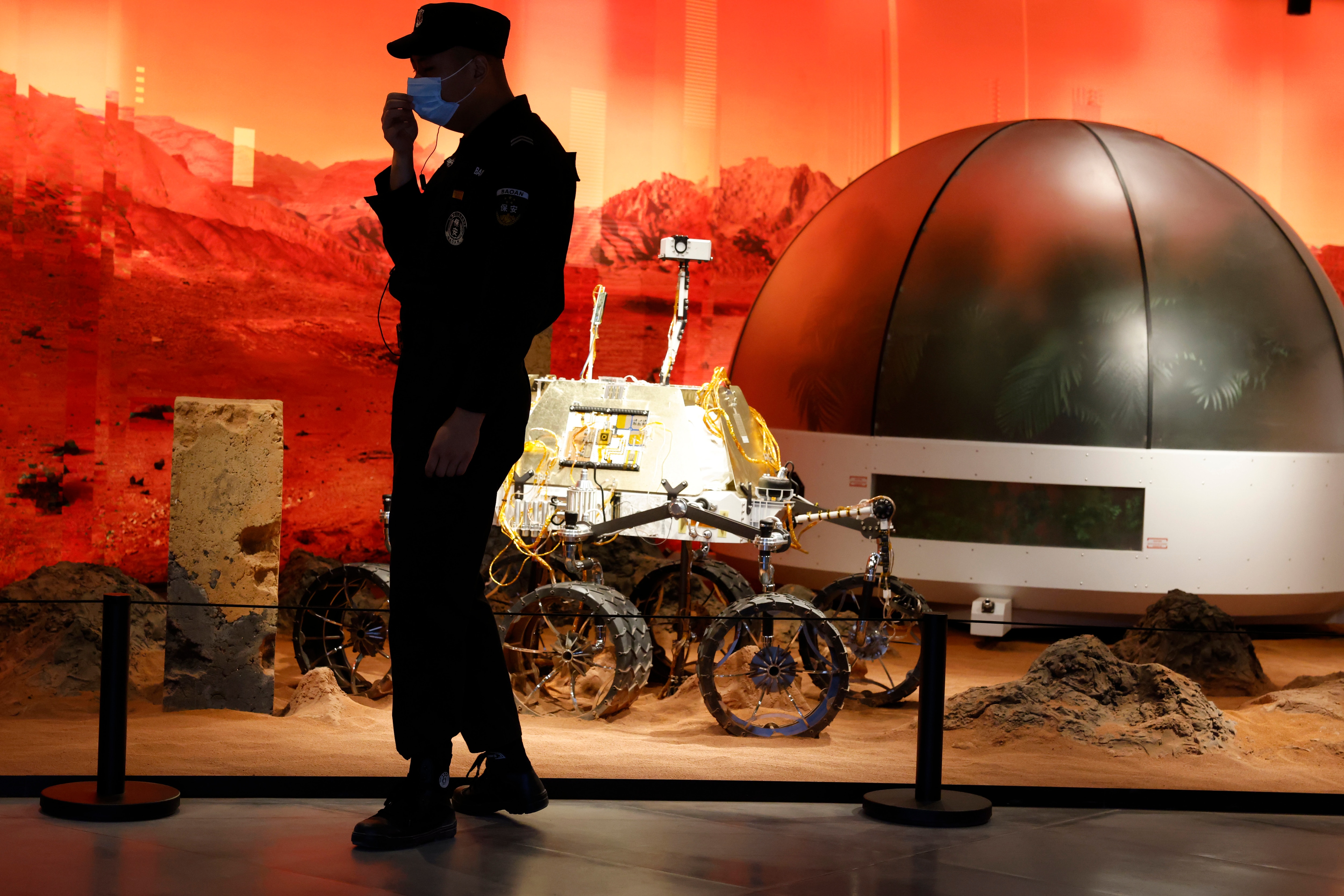
An unmanned spacecraft blasted off Thursday on a yearlong journey to Mars. The Tianwen-1, which translates into “Questions to Heaven,” is expected to reach the Red Planet by February.
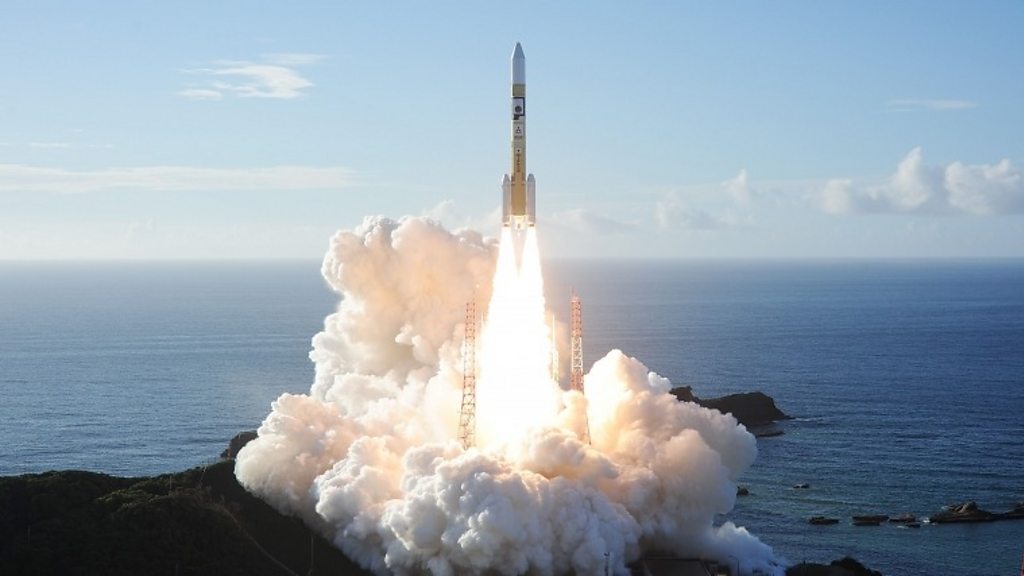
The Hope orbiter will arrive in February 2021 to begin a two-year survey of the weather on the red planet. For Emirati scientists the mission represents a new chapter in the history of scientific discovery.

After months of perseverance, the team operating the instrument has succeeded in getting the Mole at least some distance into the ground. The Mole's job is to penetrate into the Martian soil, to a depth of 5m.

Projects BIOWYSE and TIME SCALE are being developed in Norway. These two systems are all about providing astronauts with a sustainable and renewable supply of drinking water and plant food.

InSight is the first mission dedicated to looking deep beneath the Martian surface. Findings reveal a planet alive with quakes, dust devils and strange magnetic pulses. However, the lander's mole is still stuck and scientists are working on getting it digging again.
NASA unveiled new spacesuits that astronauts will wear on the moon and Mars. The suits are designed to outperform those used during the Apollo program.

Scientists now propose using an insulating material called silica aerogel to make parts of the Martian surface friendlier to photosynthetic life. Perhaps an aerogel blanket could more easily melt the water on the Martian ice caps to make a small section of the planet habitable.

NASA is testing out a new inflatable heat shield which could enable them to send heavier missions to Mars, as well as Venus and Titan.

The signal appears to have been generated inside the planet and not by any surface-level phenomenon. Three other seismic events were detected on 14 March, 10 and 11 April, but they were much smaller and their origins more ambiguous.

Curiosity Mars rover has started drilling into a clay-bearing unit on the lower slopes of Mount Sharp, while the InSight's mole ran into a sub-surface obstacle of some sort on 28 February after hammering its way just 30 cm into Martian soil.

There was a big stir when reports emerged that the Curiosity rover had detected methane on Mars. But now an independent source has also detected methane on Mars.

For the first time in history, we can hear the wind on Mars. With its InSight Lander NASA provided a version of the recording shifted up in pitch, which pulls some of the otherwise-inaudible infrasound into hearing range.

InSight spacecraft plunged into the rarefied atmosphere of Mars at a speed of more than 12,000 mph Monday and braked to a gentle touchdown, setting the stage for a two-year surface mission to probe the planet’s deep interior.

As part of their 3D-Printed Habitat Centennial Challenge, NASA recently awarded five teams with a total of $100,000 for their designs for Martian habitats.


