
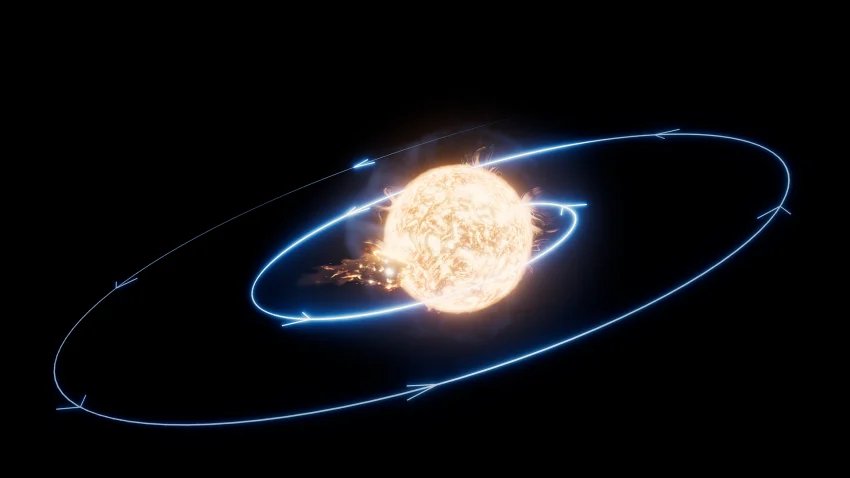
New research suggests that some unusual characteristics of the Sun may be explained if it swallowed a large planet sometime during the Solar System’s formation.
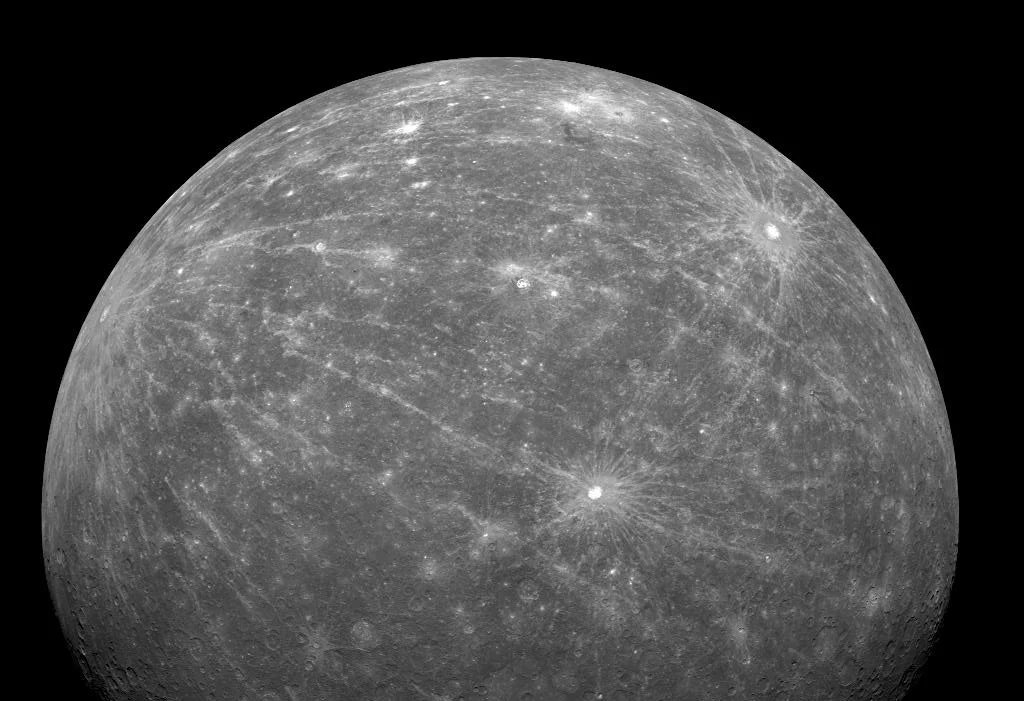
According to a new study, Mercury's surface has been shrinking 10% to 30% (up to 23 km) faster than previously thought.
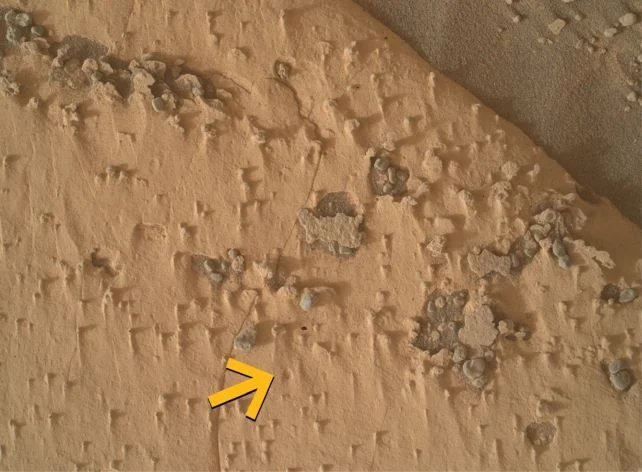
Holes and pitted ground on Mars are nothing new. But the new holes Curiosity has found - tiny, shallow divots in the ground – are unlike anything seen before on Mars.
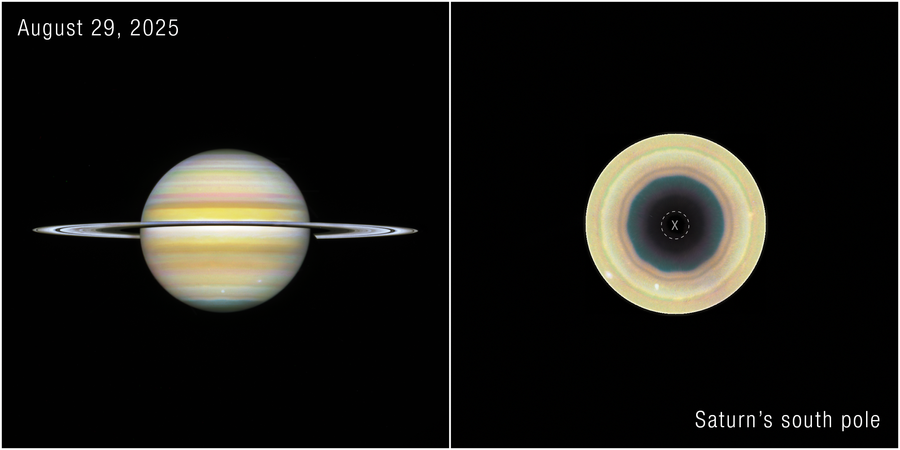
Recent observations with NASA’s Hubble Space Telescope have revealed a giant, evolving, 10-sided atmospheric wave encircling Saturn's south pole.
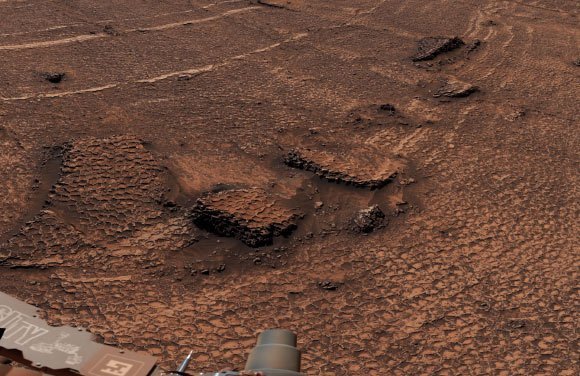
NASA’s Curiosity rover has stumbled on the largest patch of polygon-shaped ground fractures it has ever seen on Mars, a discovery that could reveal more about the planet’s watery past.
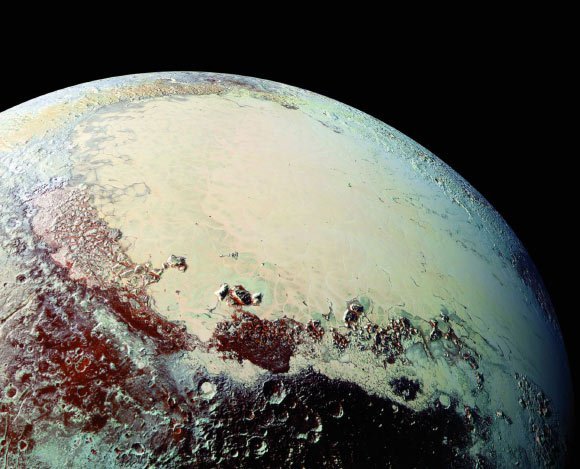
Planetary researchers have found evidence that liquid nitrogen may still be seeping up from beneath the dwarf planet’s giant glacier, Sputnik Planitia, marking the first suggested case of recently flowing liquid on Pluto’s surface.
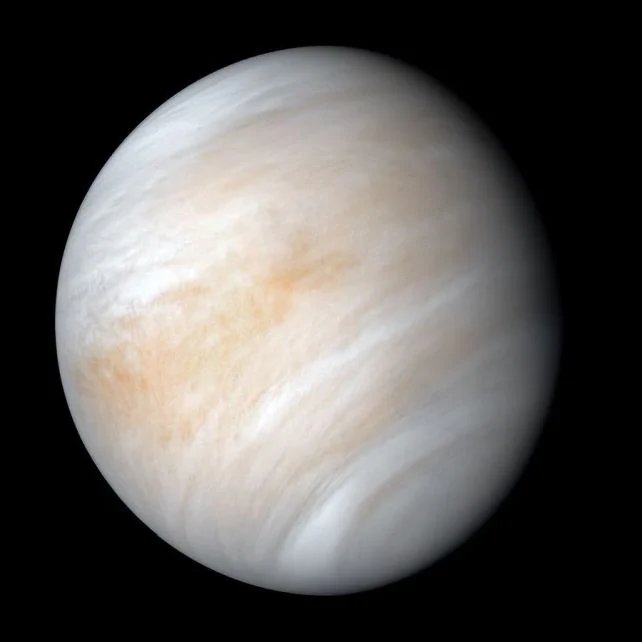
Now, a new study argues the surface of Venus may still bear the geological scars of those long-lost seas.
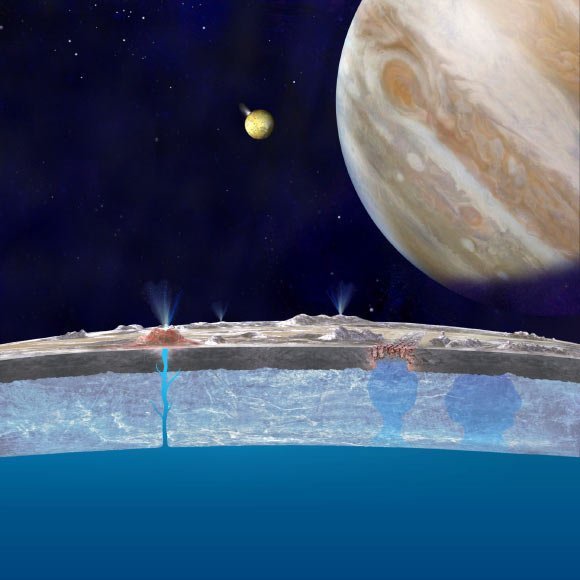
A new research suggests reaching Europa's subsurface ocean — or even glimpsing evidence of it near the icy surface — may be far harder than expected.
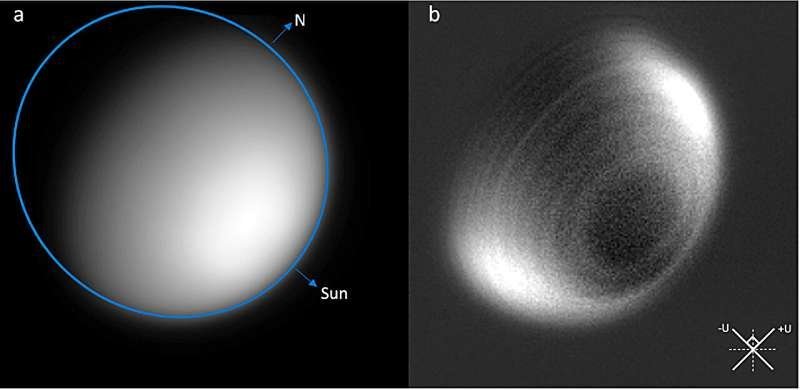
In 2010, scientists waiting to use the William Herschel Telescope in the Canary Islands captured a brief 36 minutes of images of Venus. What they discovered, hidden in the data, was a series of planetwide concentric rings in the upper atmosphere.
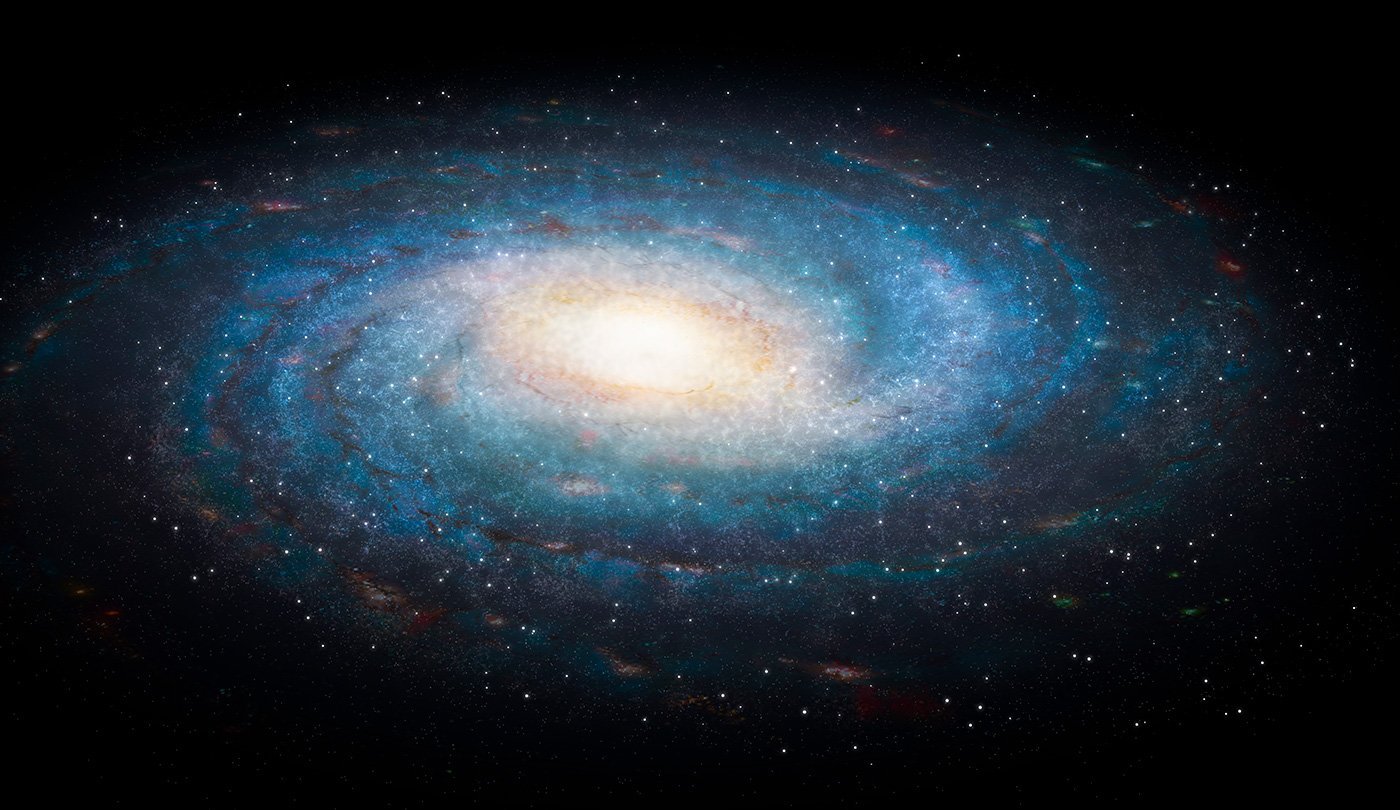
A new study indicates that the formation of Earth’s crust goes through cycles, with periods of increased crust production roughly every 200 million years, corresponding to the solar system’s transit through the spiral arms of the Milky Way.
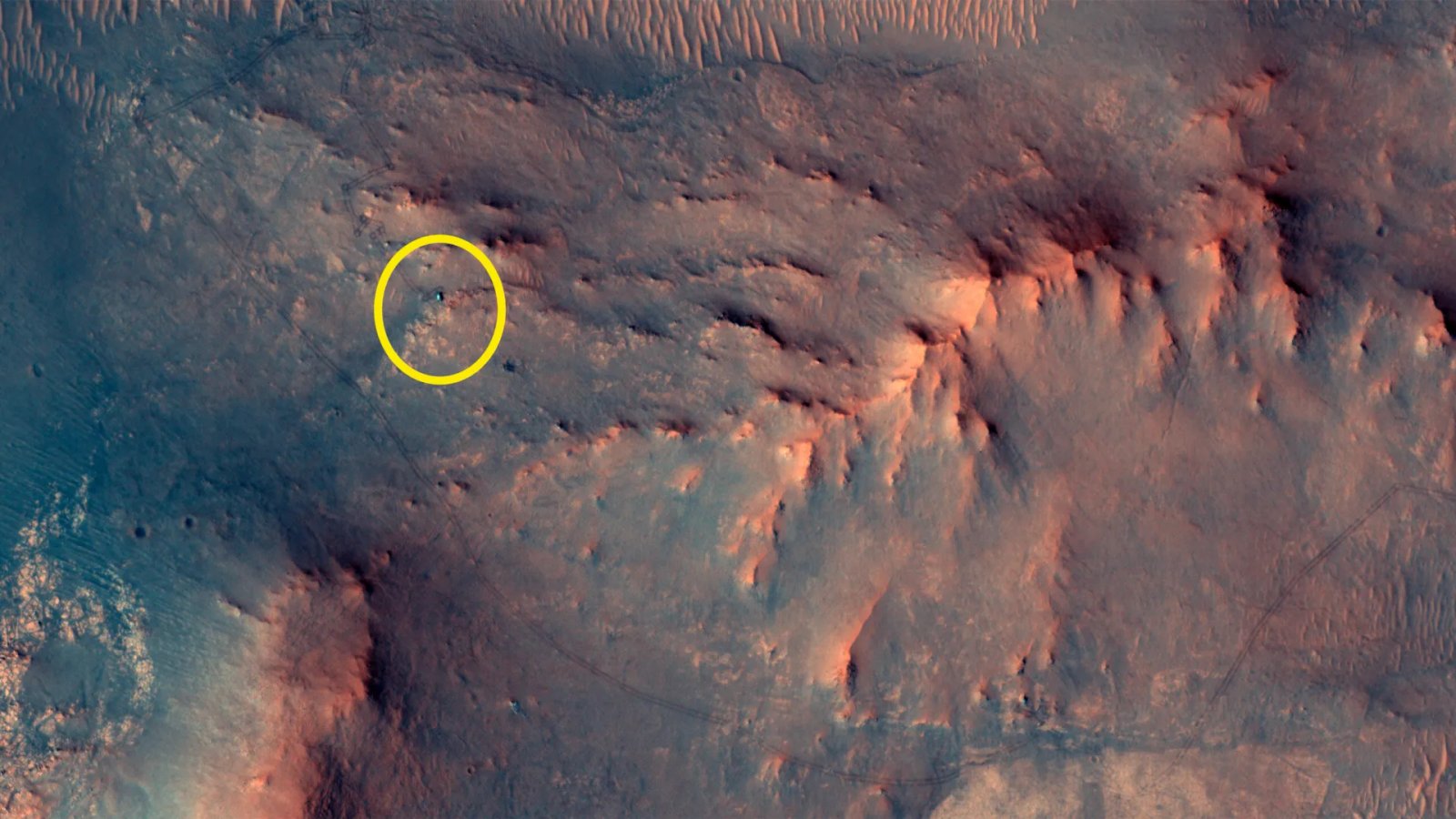
NASA's Perseverance rover has reached an impressive new milestone on Mars, completing the equivalent of a full marathon by driving 42.195 kilometers across the Red Planet.
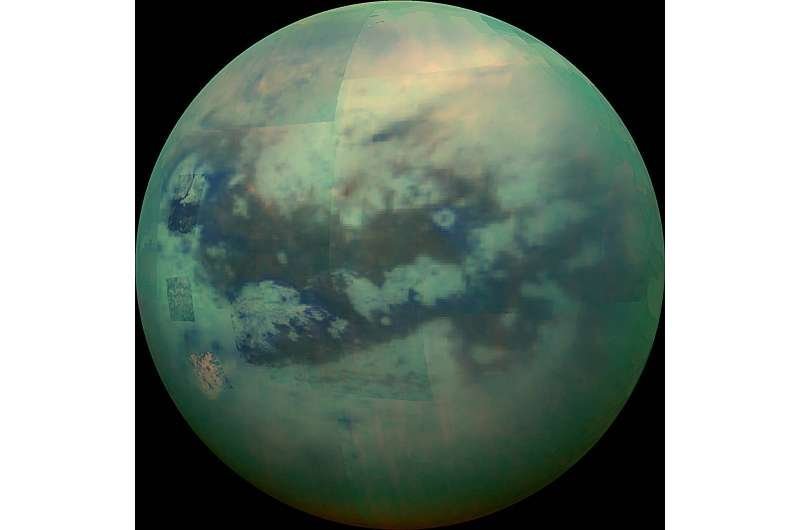
Recently, a team of scientists identified an absorption line coming from Saturn's moons Titan and Pluto that has not yet been seen anywhere else.
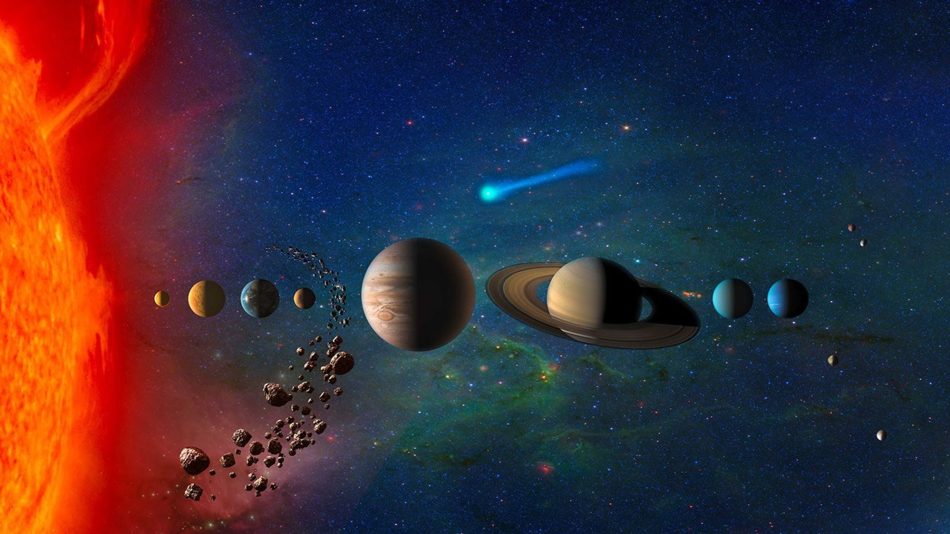
Our Solar System may once have hosted not two, but three ice giants. This long-lost world could help explain why the outer planets and their moons look the way they do today.
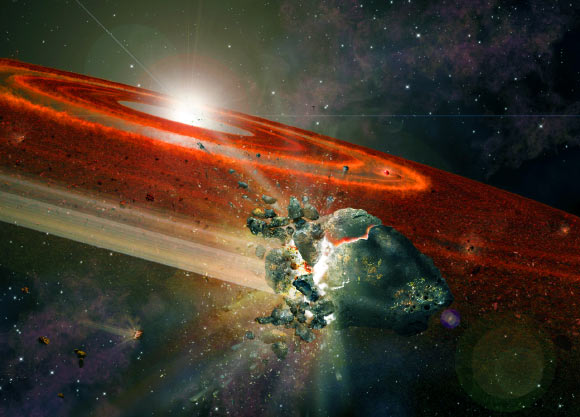
The Northwest Africa (NWA) 12774, an angrite meteorite, appears to be a fragment of a vanished protoplanet, offering the strongest evidence yet that a large planetary body formed and was later destroyed during the Solar System’s chaotic infancy.
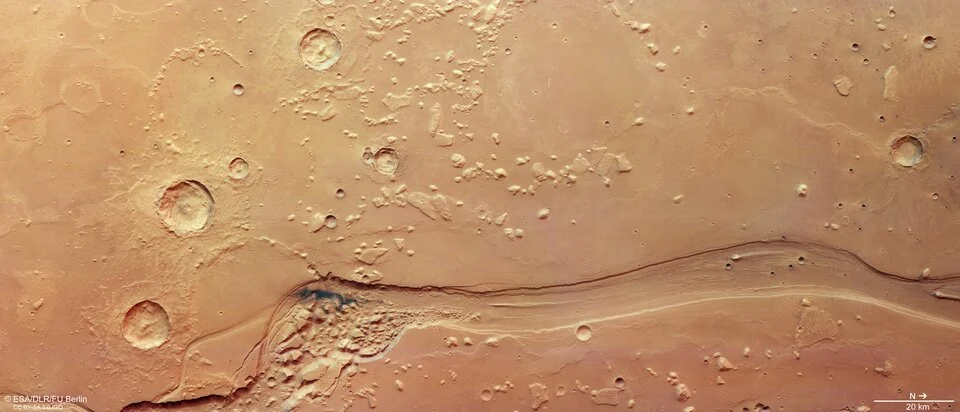
Shalbatana Vallis is an impressive channel near Mars’s equator. It is 1300 km in length - around the length of Italy. Formed formed around 3.5 billion years ago, when huge quantities of groundwater rose up to Mars’s surface.


