
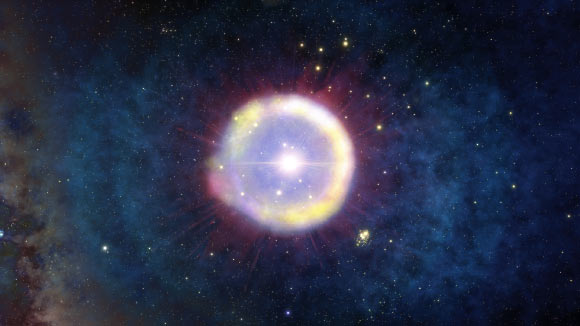
A new theory proposes that Population III.1 supermassive stars were progenitors of supermassive black holes in the early Universe.
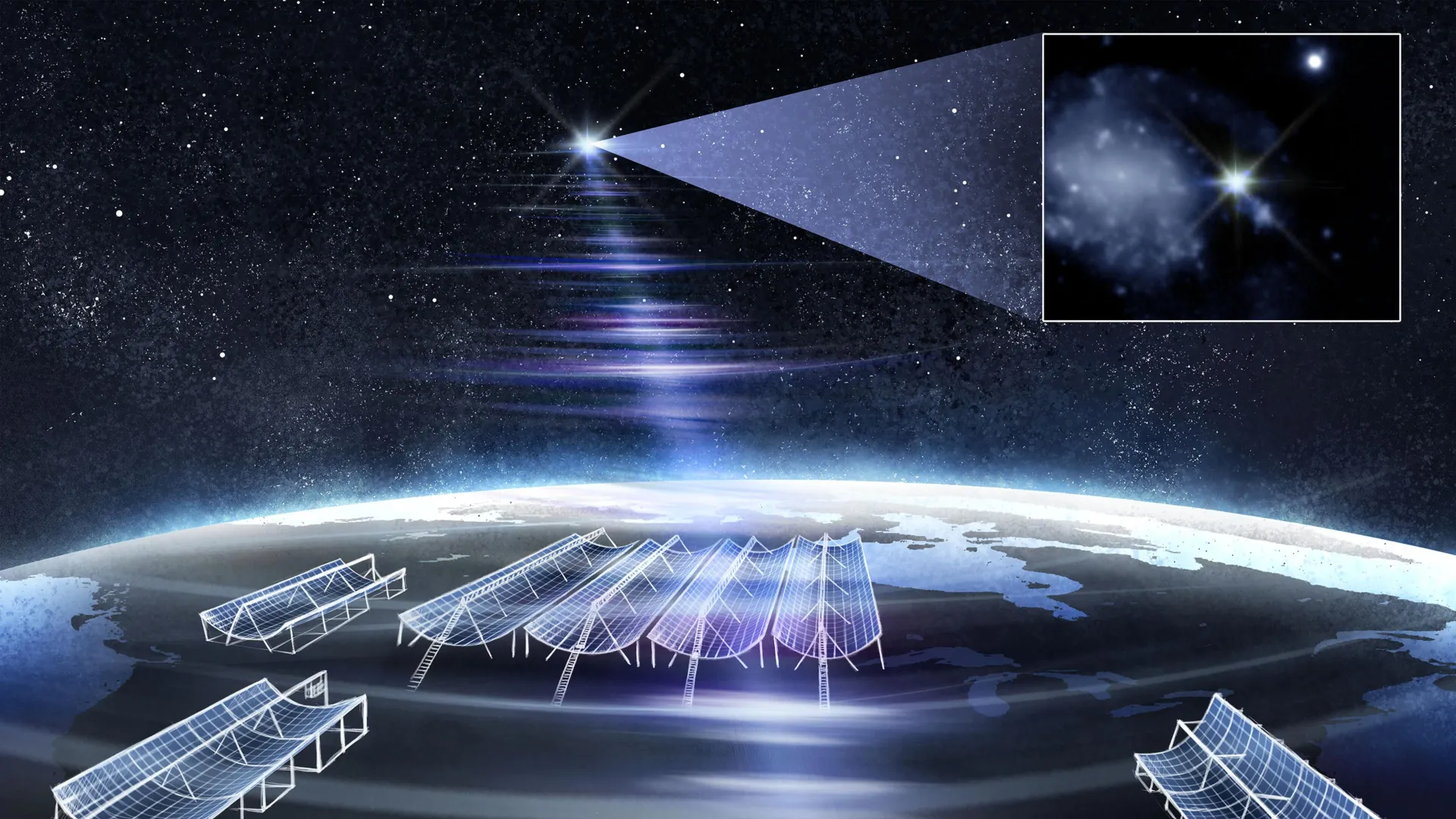
A team of astronomers spotted RBFLOAT, one of the brightest fast radio bursts ever seen, and traced it to a galaxy 130 million light-years away.
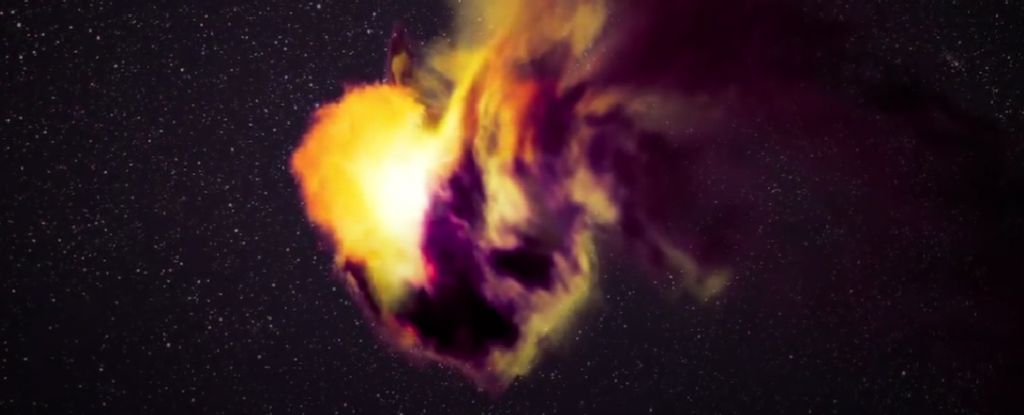
In 2021, astronomers watched in astonishment as a supernova 2.2 billion light-years away named SN2021yfj bloomed, rich with silicon, sulfur, and argon – something never before seen in an exploding star.
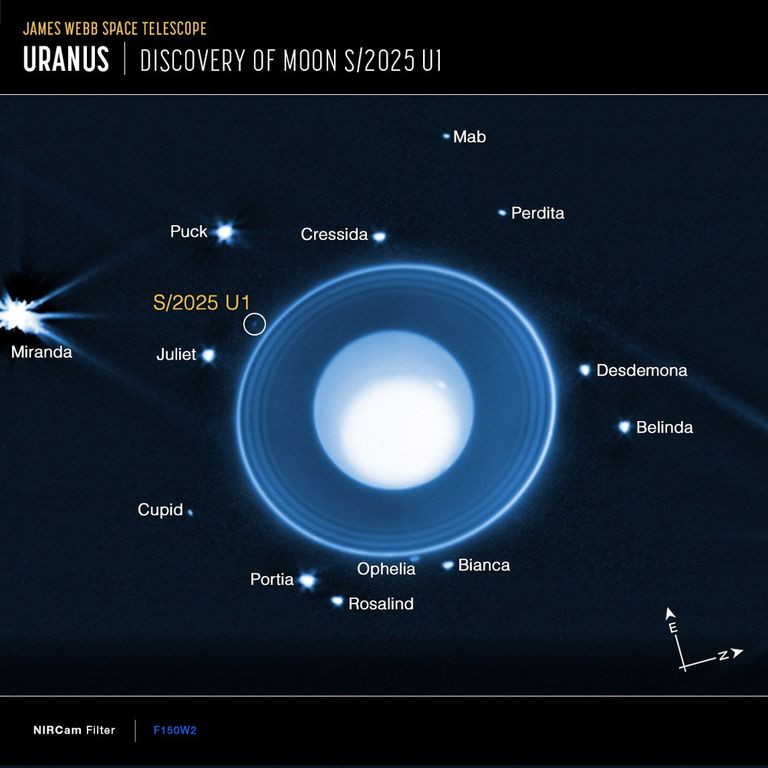
Using NASA’s James Webb Space Telescope, a team has identified a previously unknown moon orbiting Uranus, expanding the planet’s known satellite family to 29.
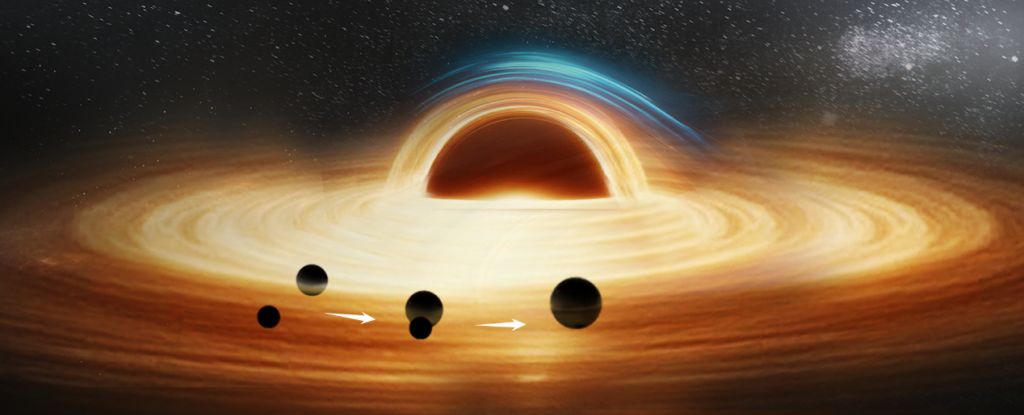
According to a new analysis of data from the LIGO-Virgo-KAGRA collaboration, data from a 2019 binary black hole collision showed signs of an anomalous acceleration that suggests the presence of a third black hole.
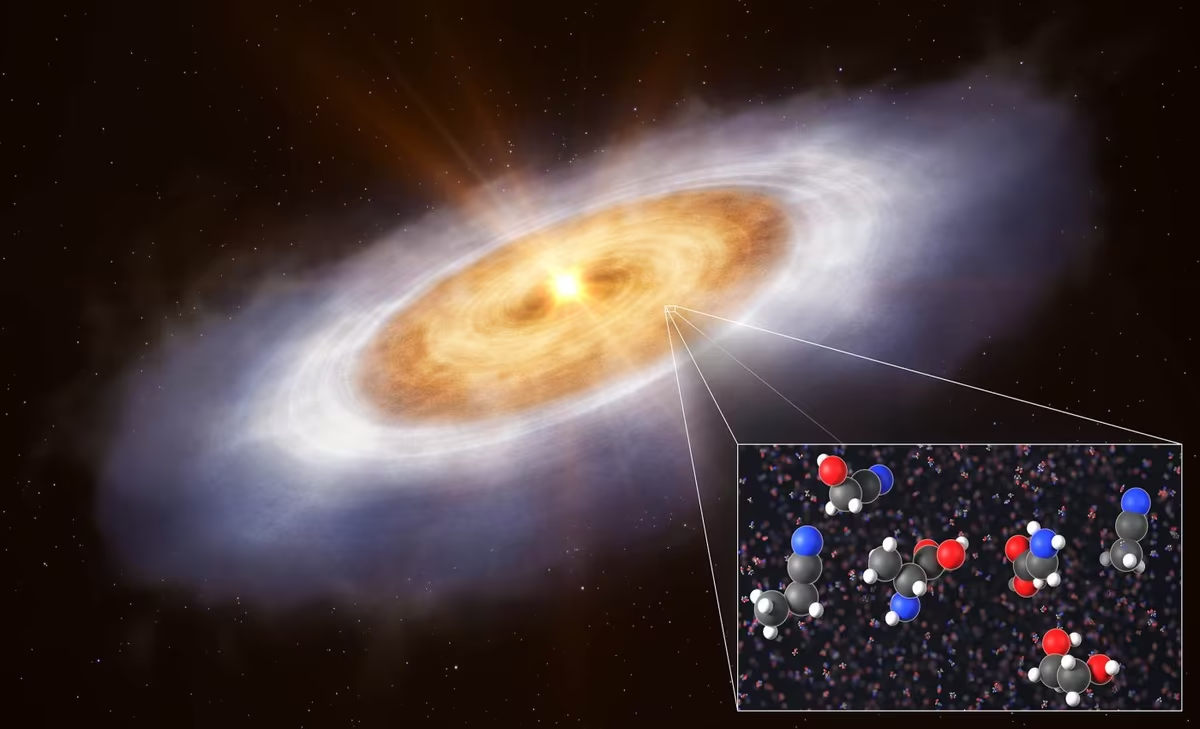
Astronomers studying the young star V883 Orionis reported spotting complex organic molecules floating in its dusty disk that’s in the process of forming planets.
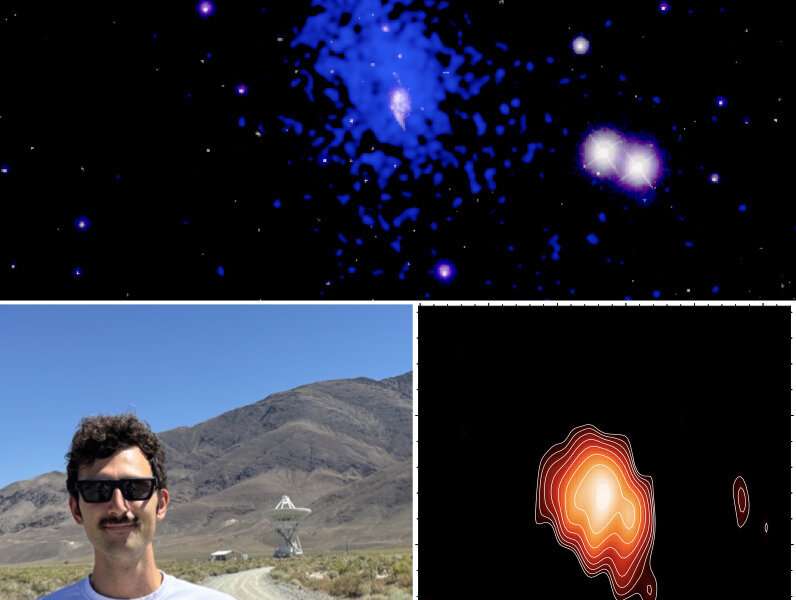
Astronomers have caught a supermassive black hole in the act of awakening from a long slumber, providing an unprecedented glimpse into the earliest stages of black hole activity.

The dream of the ancient alchemists may come true as Marathon Fusion announces that its tokamak fusion reactor technology can turn common mercury into gold as a byproduct of fusion operations.
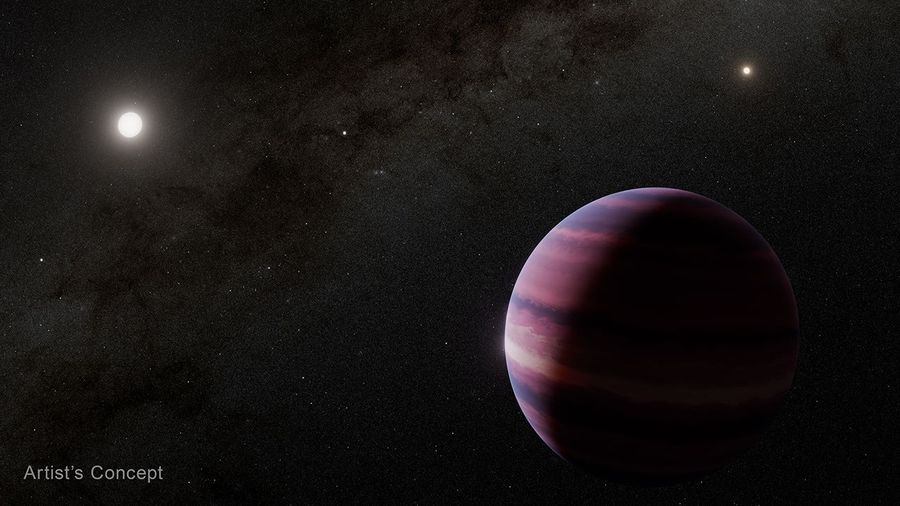
Astronomers using NASA’s James Webb Space Telescope have found strong evidence of a giant planet orbiting a star in the stellar system closest to our own Sun.
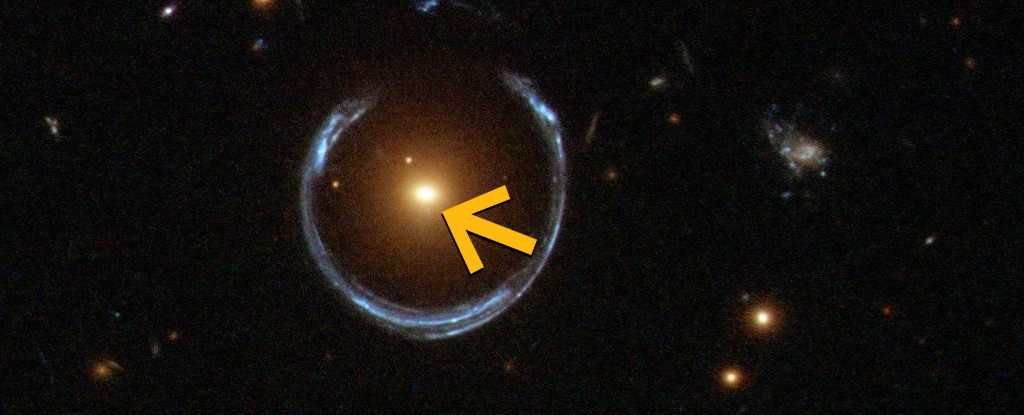
A black hole deep in the cosmos, some 5 billion light-years away, could be the most massive ever found.
A team of researchers proposes a new vision of the Universe's first moments. Their model eliminates the need for traditional speculative hypotheses.
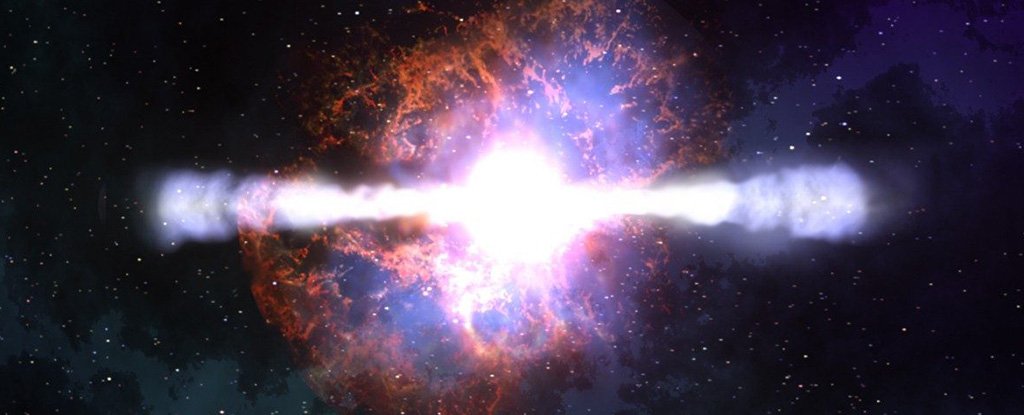
A surprising new study has found that under the right circumstances, cosmic radiation could actually make uninhabitable worlds habitable.
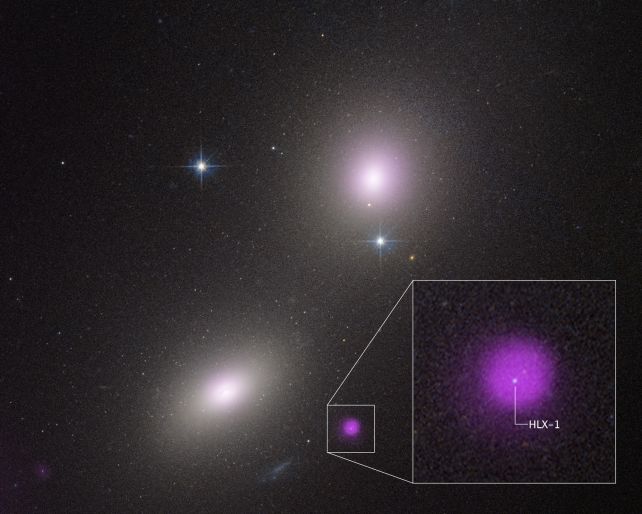
How we get supermassive black holes is a huge mystery.
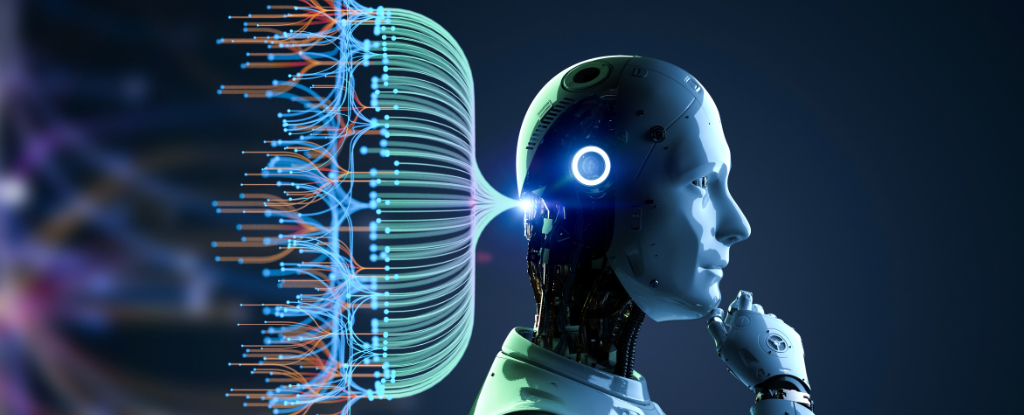
We are entering the third phase of generative AI. First came the chatbots, followed by the assistants. Now we are beginning to see agents.
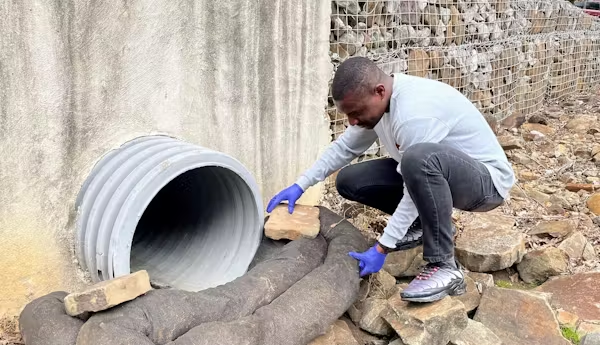
In recent times, tire wear particles have been found to account for about 45% of all microplastics in both terrestrial and aquatic systems.


