
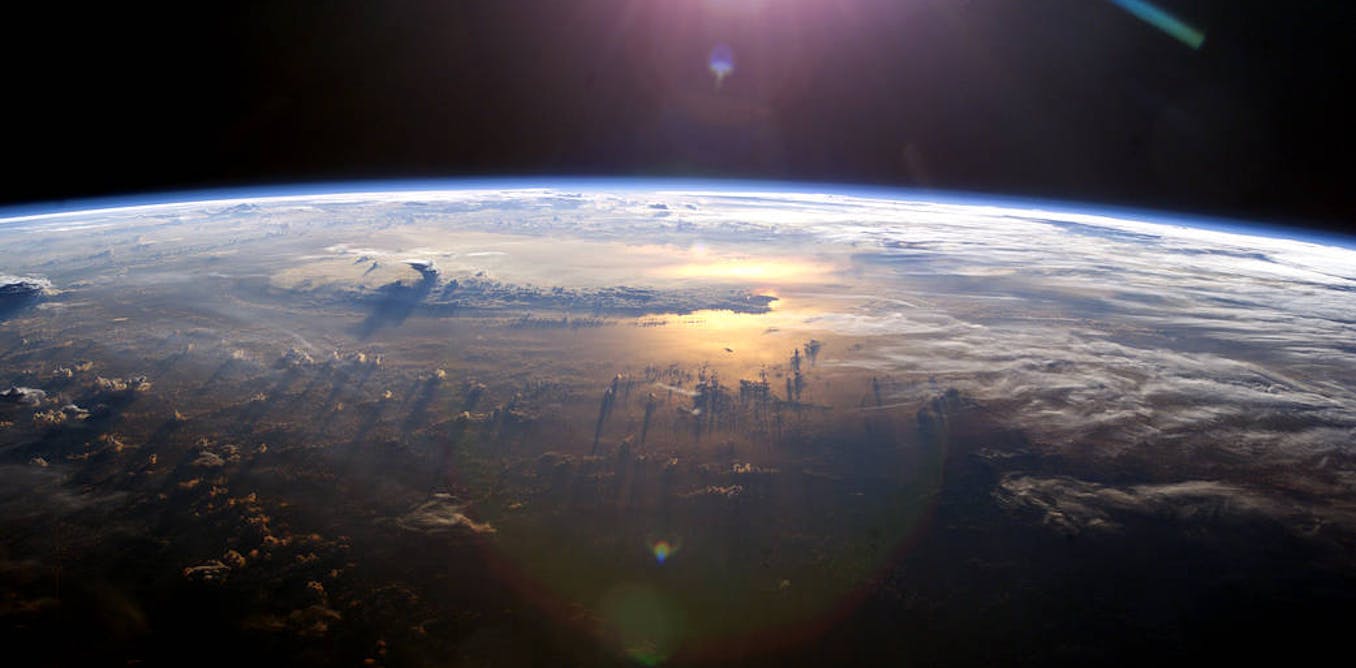
Real world measurements of how much extra heat the Earth is trapping are well beyond most climate models. That's a real problem.
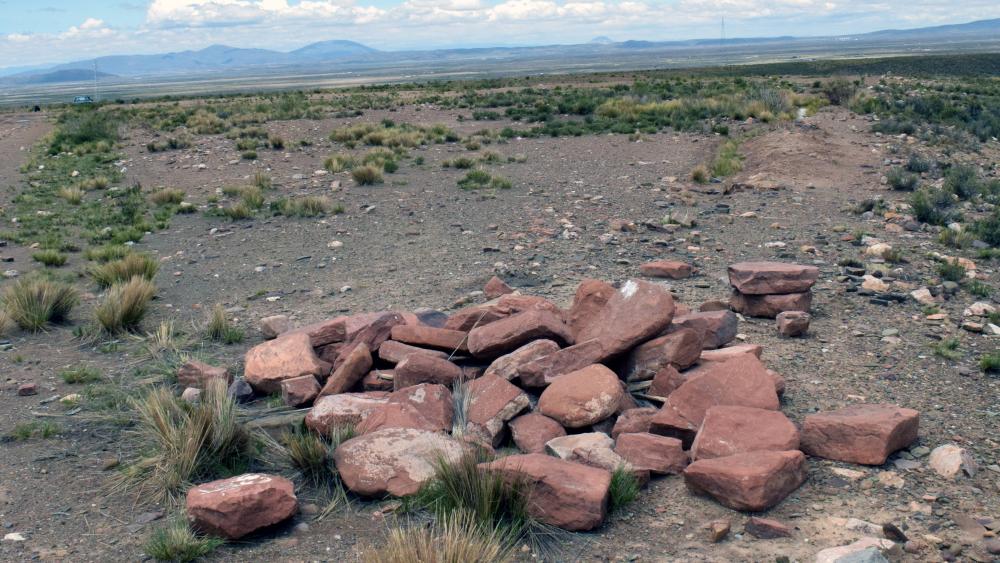
An ancient society near the southern shores of Lake Titicaca in modern-day Bolivia was once one of the continent's most powerful civilizations. Known as Tiwanaku, the ancient society is one of the earliest examples of civilization in the Andes.

As part of NASA’s efforts to expand access to space, four private astronauts are in orbit following the successful launch of the fourth all private astronaut mission to the International Space Station.
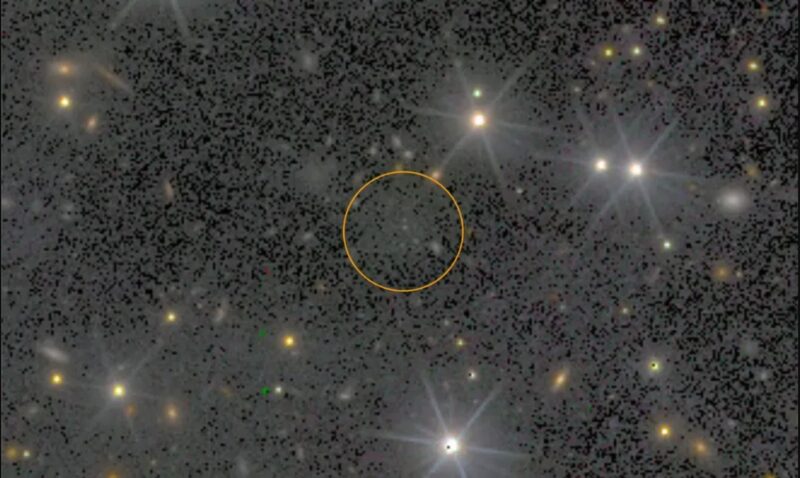
On June 20, 2025, Austrian researchers have discovered a dark-matter galaxy candidate in a cluster of galaxies some 240 million light-years away.

JWST has discovered and directly imaged its first exoplanet. It’s the first one Webb has found that other telescopes hadn’t previously found.
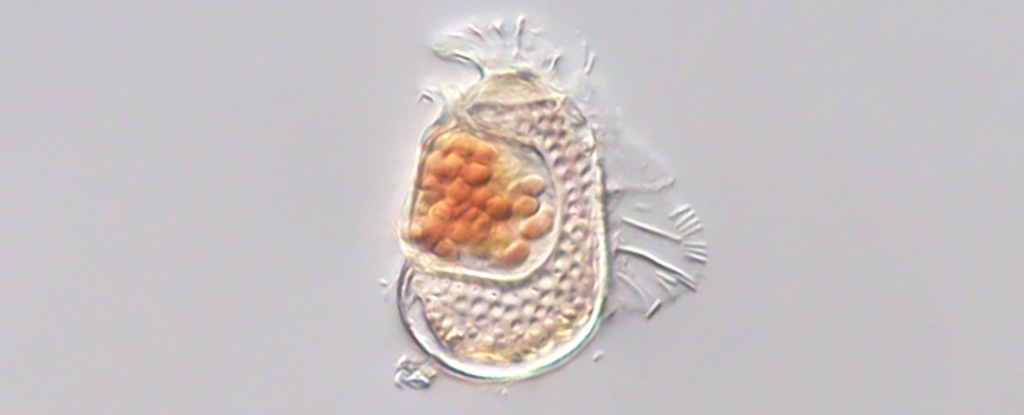
Within a tiny plankton, an even smaller cell has been found living an unexpectedly virus-like existence, challenging what it means to be alive.
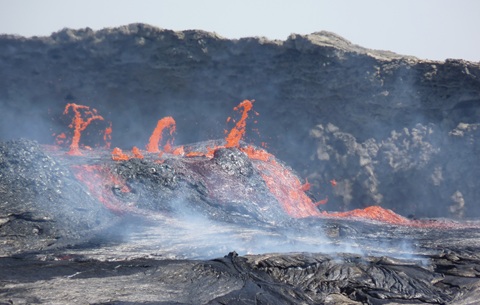
Research led by UK scientists has uncovered evidence of rhythmic surges of molten mantle rock rising from deep within the Earth beneath Africa.

Astronomers have detected the smallest and most solar system-like planet ever directly imaged around another star.

An observatory in Chile with the world's largest camera has published first images of star nurseries and galaxies. The Vera Rubin Observatory can detect even tiny changes in the sky, making it an ideal asteroid spotter.
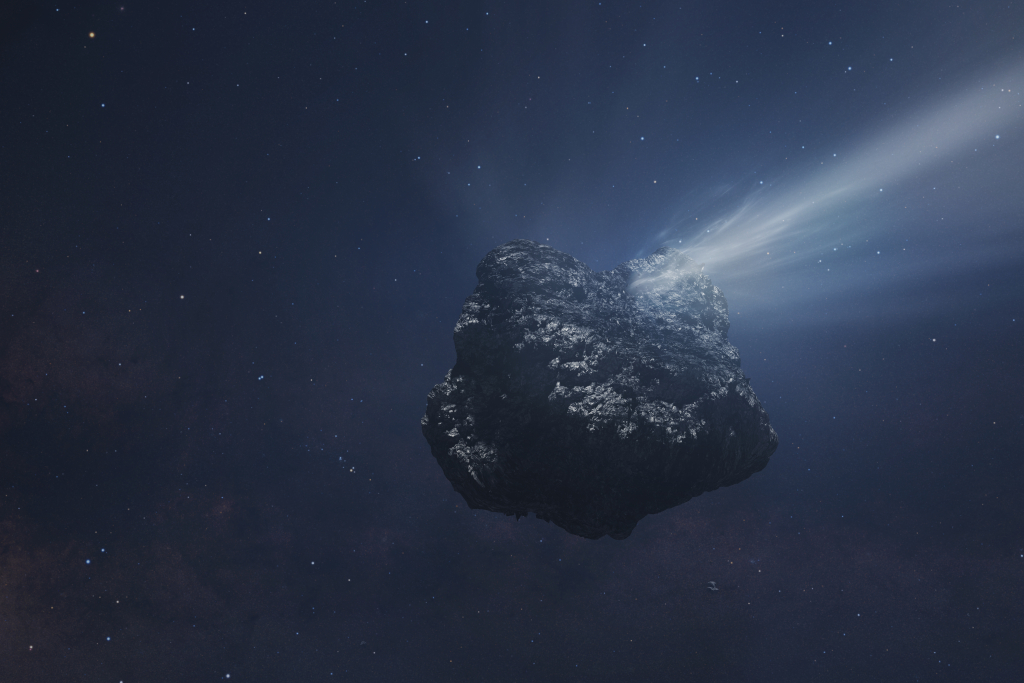
A team of astronomers has made a groundbreaking discovery by detecting molecular activity in comet C/2014 UN271 (Bernardinelli-Bernstein)—the largest and second most distantly active comet ever observed from the Oort Cloud.
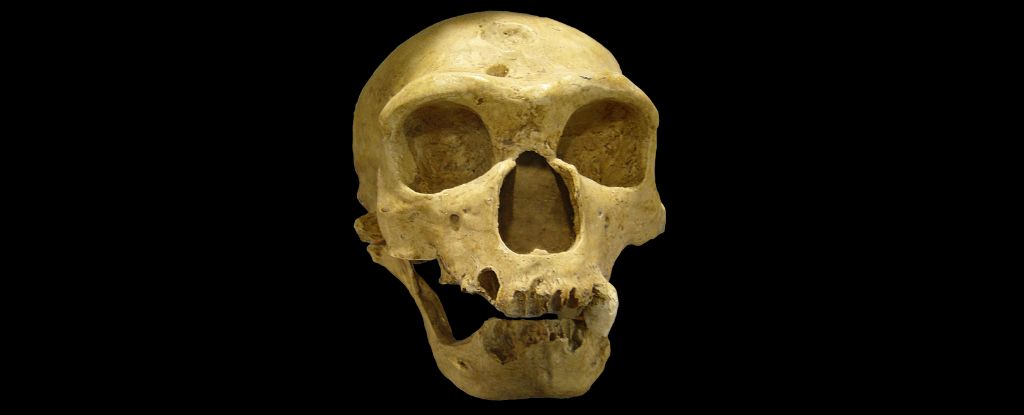
A new research suggests that a shift in the Earth's magnetic poles around 41,000 years ago, known as the Laschamp event, may have contributed to the extinction of Neanderthals.
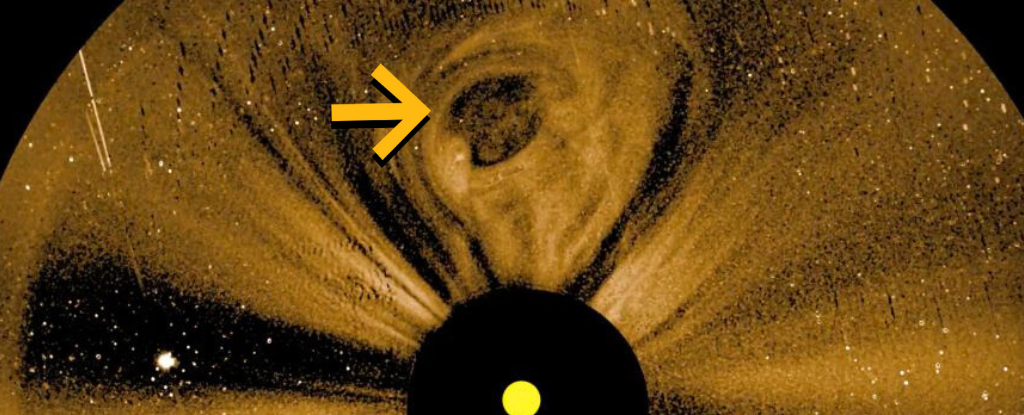
A NASA mission to observe the activity of the solar wind has returned its first images of giant coronal mass ejections (CMEs) billowing out from the Sun.
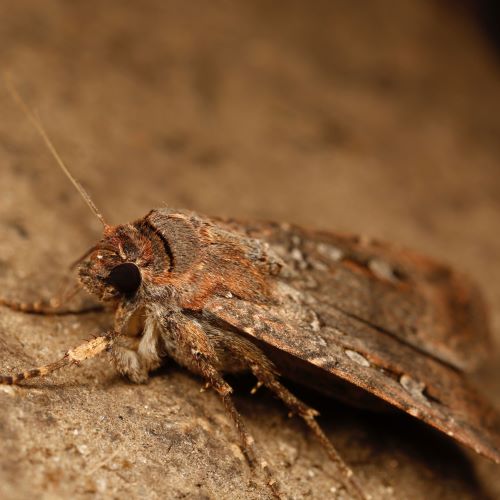
Bogong moths use star patterns, the Milky Way and Earth’s magnetic field to navigate during migration. They are the first-known invertebrates that navigate by starlight.

The FDA in U.S. has approved Yeztugo (lenacapvir), a twice-yearly injection to prevent HIV infection that could improve adherence rates compared to other PrEP medications and with minimal side effects.
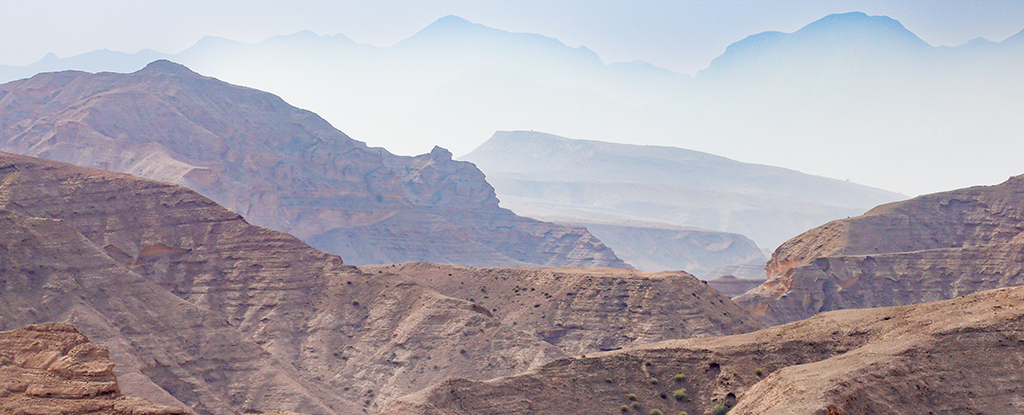
Rising from Earth's core beneath Oman, the unusually elusive column of hot rock shows no surface volcanic activity, unlike typical plumes.


