

Scientists recorded hundreds of thousands of tiny 'ice quakes' that appear to be caused by pools of partially melted ice expanding and freezing. The phenomenon may be able to help scientists track glacier melting.

New UK research suggests that environmental contaminants found in the home and diet have the same adverse effects on male fertility in both humans and in domestic dogs.
Both patients were treated with stem cell transplants from donors carrying a genetic mutation that prevents expression of an HIV receptor CCR5, the most commonly used receptor by HIV-1.

VR tourism isn’t only about recreating a virtual version of reality that renders travel to the destination unnecessary. It can enhance tourism by allowing tourists to handle precious historical artifacts in virtual form

IBM has announced that its System Q One quantum computer has doubled in performance in each of the past two years. IBM is one of the big-name companies working to create a truly useful quantum computer.

TWasteShark, an electric vehicle that traverses waterways, can autonomously gather up to 132 pounds of plastic waste at a time. If it’s deployed five days a week, it can remove 15.6 tons of plastic waste from a body of water per year.

The blaze endangers the health of local citizens, contaminates the environment, and highlights the country’s growing waste management crisis. South Korea has the highest per capita plastic consumption rate in the world.

U.S. Scientists have created a mobile skin 3D bioprinting system that allows bi-layered skin to be printed directly into a wound. This treatment could help in the healing of large wounds or burns.

US-based company OneWeb along with Airbus hopes to get everyone on the planet on the internet. After starting up seven years ago, the company is finally starting to launch a fleet of about 900 satellites into a low-Earth orbit.

Volvo and a Singapore university unveiled a driverless electric bus Tuesday that will soon undergo tests in the city-state, the latest move towards rolling out autonomous vehicles for public transport.

New research has revealed that toxic byproducts of the herbicide Agent Orange used by the US military continue to contaminate soils in Vietnam today.

Eighteen countries, including the United States, Great Britain and several European Union members, have seen a decline in their carbon emissions from fossil fuels for at least a decade, a new analysis found.

The drink with the highest glyphosate concentration was Sutter Home Merlot, at 51.4 parts per billion (ppb). Popular beer brands like Coors Light, Miller Lite and Budweiser all had concentrations above 25 ppb.

Researchers found that males, old people and low-income people may actually be losing more like a few years of education the longer they breathed dirty air.
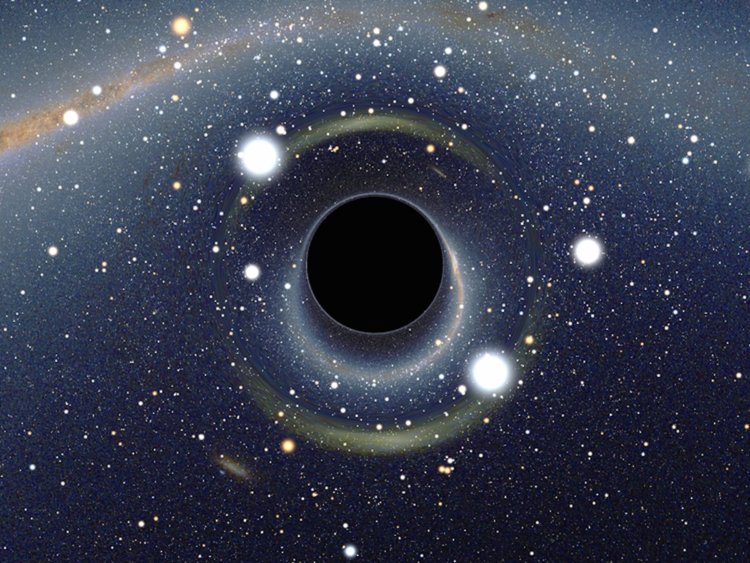
The “quiet” black hole is located just 20 light years from the supermassive four-million-solar-mass black hole lurking at the centre of the Milky Way. In the future, it will fall into the supermassive black hole.


