

Consistent exercise can change the very molecules in the human body that influence how genes behave, a new study of twins indicates.

A new research is lending support to the possibility that an asteroid slammed into Martian ancient ocean 3.5 billion years ago, creating a mega-tsunami 309 meters high.
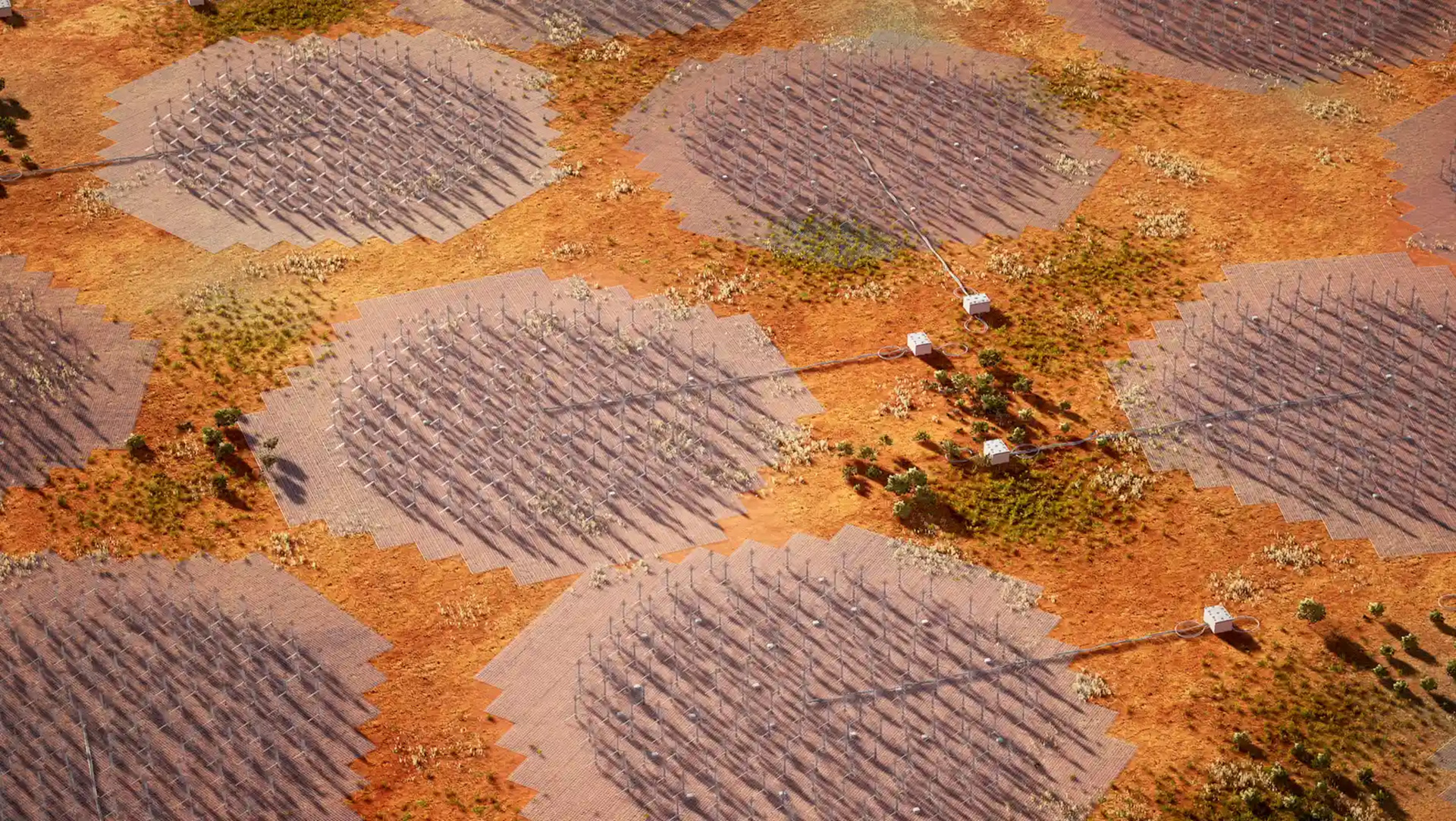
Astronomers are now closer to a major technological upgrade. Australia has started construction of its portion of the Square Kilometer Array, a system that should become the world's largest radio telescope.

Since the 18th century the prevalence of this extra artery is increasing. The prevalence was around 10 % in people born in the mid-1880s compared to 30 % in those born in the late 20th century, - a significant increase in a fairly short period of time.

Astronomers searching for radio signals that could be signs of extraterrestrial life have just gained access to South Africa's MeerKAT telescope.

Rock samples from the Jezero crater analyzed by NASA's Perseverance Mars rover show evidence of liquid water and signatures that could be organic compounds.

The planet, nearly 10 times Earth’s mass, orbits a small, red-orange star about 200 light-years away. This planet is extremely hot, with an estimated temperature of 1,050 Celsius.

Now scientists have used CRISPR to remove and add genes to these cells to help them recognize a patient’s specific tumor cells.

The length of our day changes slightly over a six-year period. This recent discovery has perplexed scientists for about a decade and now we know the reason for it - it is the Earth core.
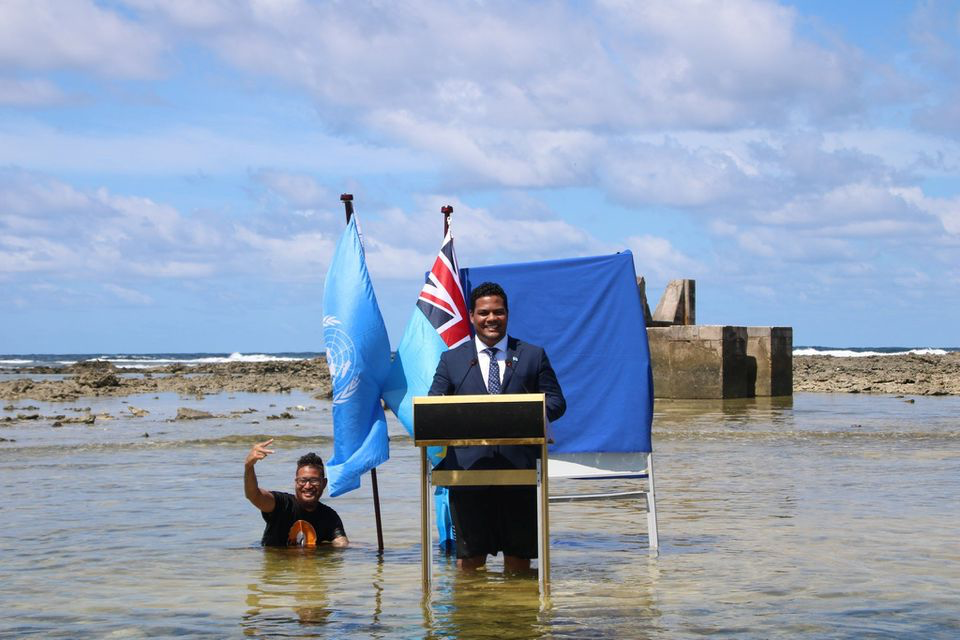
The Pacific Island nation plans to create a digital clone of itself, recreating islands and monuments and conserving its history and culture as rising sea levels threaten to submerge the country.

Starting around 60 km up, in the outermost layers of atmosphere carbon dioxide actually cools the atmosphere, causing it to shrink and contract. A cooling and shrinking MLT will lead to an increase in the longevity of space debris at higher altitudes

A team of scientists from the University in Bulgaria say they have developed a novel new method that could help scientists differentiate between black holes and hypothetical wormholes.

After two failed attempts, NASA has successfully launched its Moon-bound megarocket the Space Launch System, which will travel beyond the far side of the Moon and back - further than any other habitable spacecraft so far.

UK scientists have begun the first clinical trial of lab-grown red blood cells, with the hope that they survive longer in volunteers than donated blood cells.
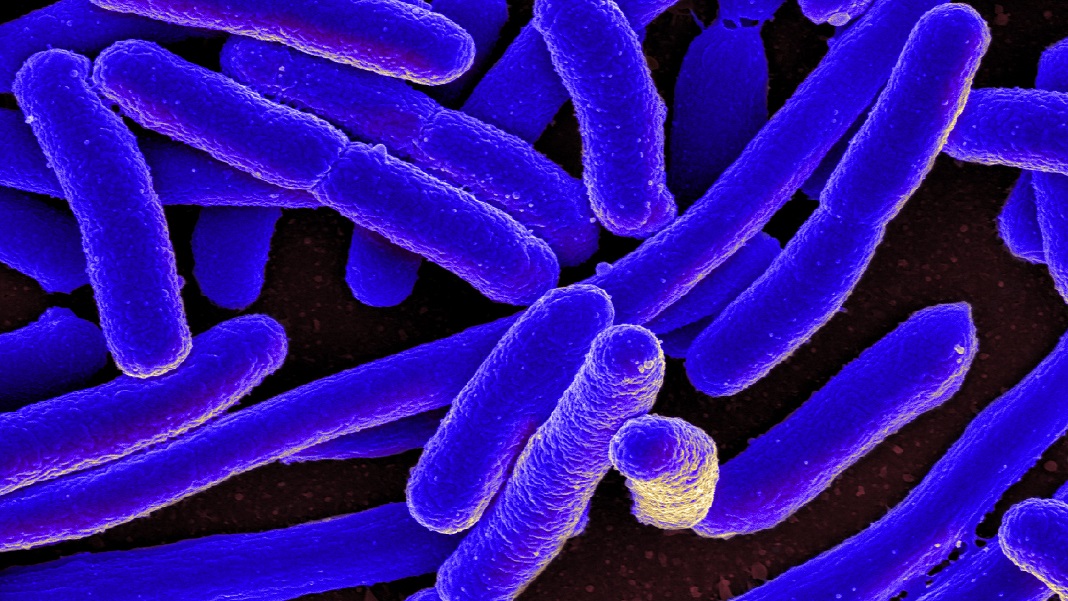
The engineered bacteria are now resistant to even the most aggressive viruses, with little chance of leaking their synthetic code into the wild.


