
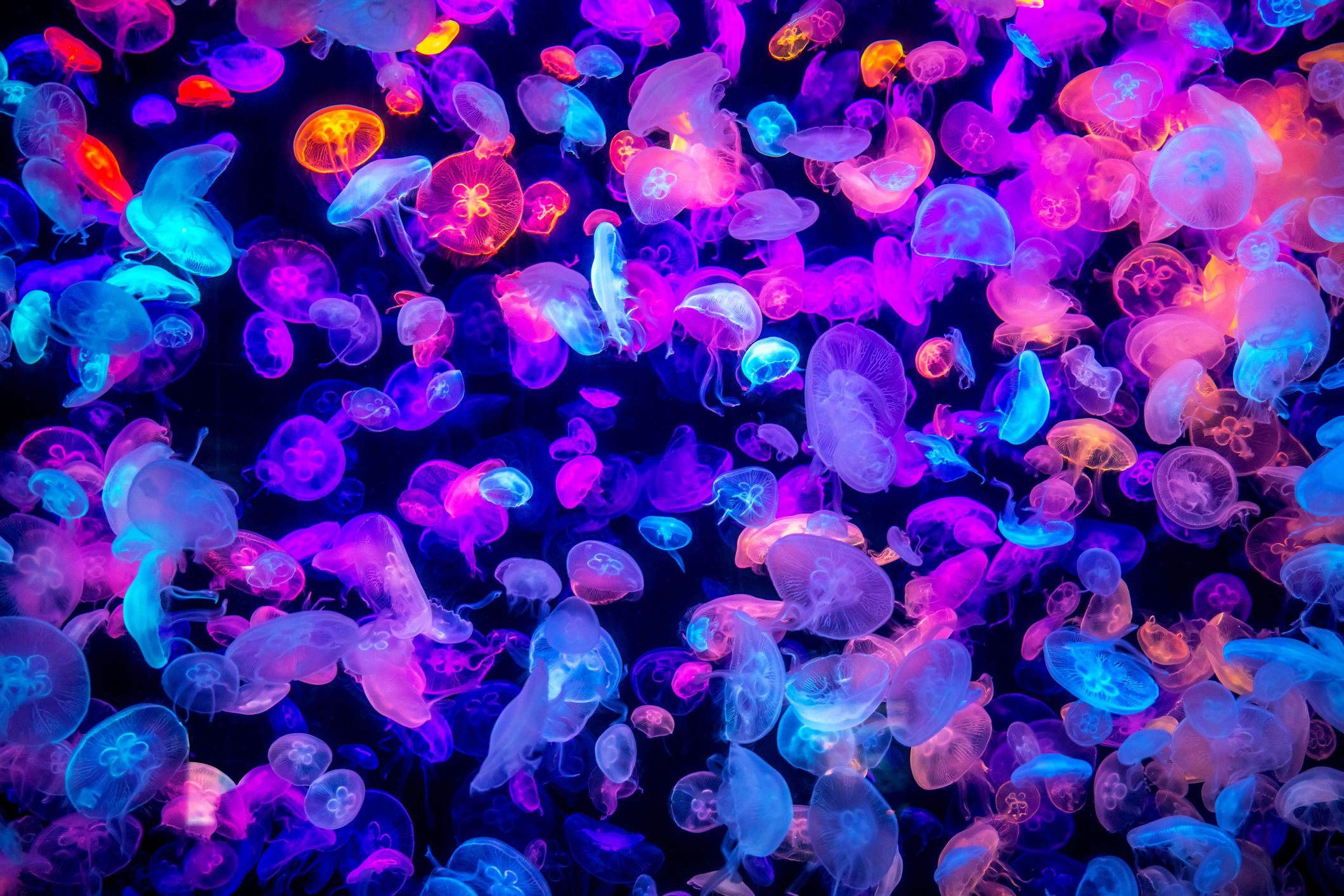
Jellyfish populations are currently on the rise, and this growth can negatively impact humans and other living organisms unless change is implemented.

A company seeks to replace the non-renewable and pollutive process of creating ethylene with its new technology that uses carbon dioxide instead.

Dutch researchers discovered a new process that uses fuel to control non-living materials, similar to what living cells do. The discovery is a step towards soft robotics; soft machines that can sense what is happening in their environment.

The study used whole genome sequencing to examine the entire genomes of over 7,000 individuals with autism. The team found 134 genes linked with ASD and discovered a range of genetic changes.

A paralyzed man who cannot speak or type was able to spell out over 1,000 words using a neuroprosthetic device that translates his brain waves into full sentences, US researchers said Tuesday.

A recently released set of topography maps provides new evidence for an ancient northern ocean on Mars. The maps offer the strongest case yet that the planet once experienced sea-level rise consistent with an extended warm and wet climate.

According to the new paper, 16 of 35 planetary vital signs have now reached record extremes. That includes rises in the frequency of dangerous heat events, global tree cover loss from fires and the prevalence of the mosquito-borne dengue virus.

The global population is closing on 8 billion, and the amount of land available for human burial is running out. To minimise environmental impact, human bodies should return to nature as quickly as possible.

NASA scientists, using a tool designed to study how dust affects climate, have identified more than 50 spots around the world emitting major levels of methane, a development that could help combat the potent greenhouse gas.
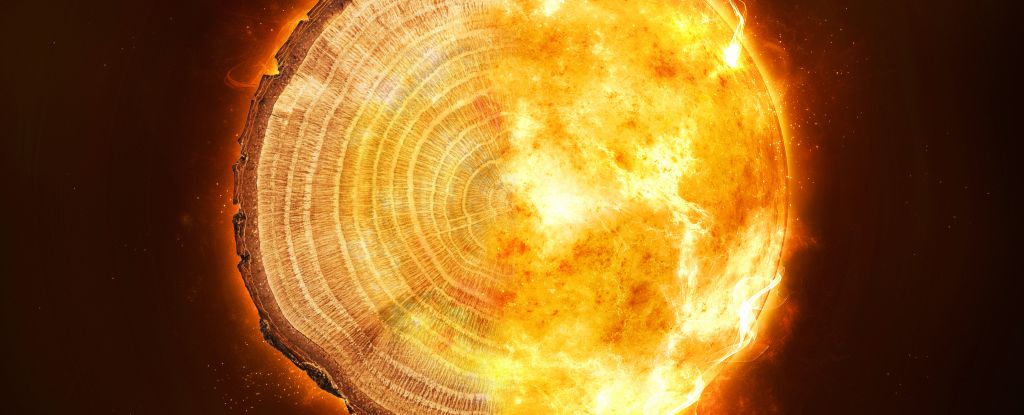
A large spike in radiocarbon found in trees around the world means an uptick in cosmic radiation.

An international group of researchers have achieved dizzying data transmission speeds and are the first in the world to transmit more than 1 petabit per second (Pbit/s) using only a single laser and a single optical chip.

Quantum brain processes could explain why we can still outperform supercomputers when it comes to unforeseen circumstances, decision making, or learning something new, while the discovery may also shed light on consciousness.

Researchers looked at soil and lake sediment from Lake Hazen, the largest lake by volume north of the Arctic Circle. Sequencing segments of DNA and RNA found in the soil, the scientists sought to identify the pool of viruses present in the environment.

By bringing pure water into contact with an electron-sharing alkali metal – in this case an alloy of sodium and potassium – free-moving charged particles can be added, turning water metallic.
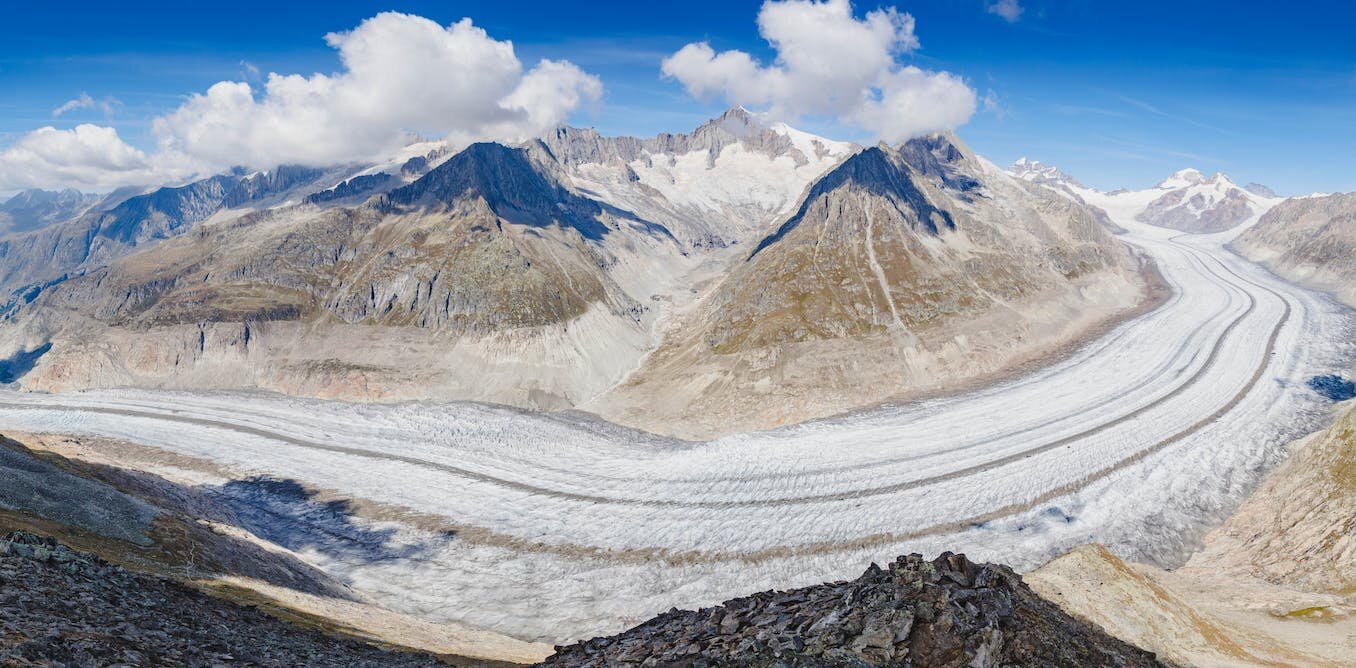
Austrian glaciers have also lost more glacial ice in 2022 than they have in 70 years of observations and therefore it is quite clear that severe melt has been the norm in 2022.


