

A 134-hectare park in Guizhou, China promises 35 virtual reality attractions, from shoot-’em-up games and virtual rollercoasters to tours with interstellar aliens of the region’s most scenic spots.

Meteorologists warns that the collapse of Pine Island and Thwaites glaciers in Antarctica could flood every coastal city on Earth.

Picture an elevated tube that lets cyclists move around the city in a safe, climate-controlled, enclosed bicycle superhighway.

Elon Musk wins bet, finishing massive battery installation in 100 days in Australia.

This decision makes Italy the 41st country to ban animals in circuses -- something that countries as diverse as Romania, Mexico, Greece, Singapore, Costa Rica, Taiwan, Iran, and Colombia have already done.

There is more artificial light at night across the globe and that light at night is getting brighter. The rate of growth is approximately two percent each year.

A US sugar industry trade group appears to have pulled the plug on a study that was producing evidence linking sucrose to disease nearly 50 years ago.
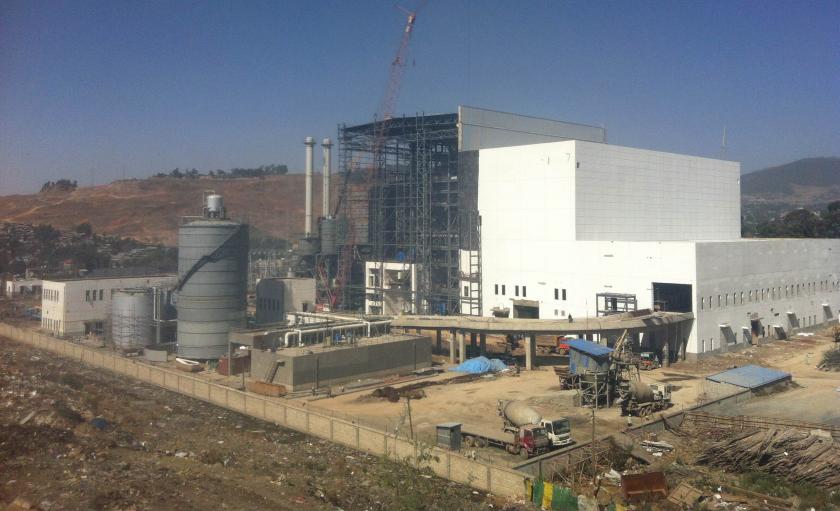
Construction of what would be first ever waste-to-energy plant in Africa is nearing completion. The plant, which is due to begin operating in January, will incinerate 1,400 tons of waste every day.

The action will prevent 10 million metric tons of carbon emissions.

Researchers report the first demonstration of an elementary link of a hybrid quantum information network.

One can sell the unused, clean energy generated by solar panels to their next-door neighbors - it is how a newfangled “microgrid” established in one New York, US neighborhood already works.

The international team of researchers looked at the sperm impact of short and long term exposure to fine particulate matter (PM2.5) among nearly 6500 15 to 49 year old men in Taiwan.

A new research paper in Frontiers of Psychology suggests that we don't consciously choose our thoughts or our feelings – we become aware of them.

According to a recent study, space dust could be what brought life molecules to Earth. This same mechanism could be responsible for the distribution of life throughout the Universe.

It appears that Costa Rica just bested its 2015 achievement, having run for 300 days on a mixture of hydro, wind, geothermal, biomass, and solar energy.


