

For years, astronomers thought it was the Milky Way’s destiny to collide with its near neighbor the Andromeda galaxy a few billion years from now. But a new simulation finds a 50% chance the impending crunch will end up a near-miss.

Around 20,000 years ago, mammoths and their relatives were relatively plentiful. By about 10,000 years ago, they were all but extinct, their disappearance shockingly sudden given the millions of years they thrived on Earth.
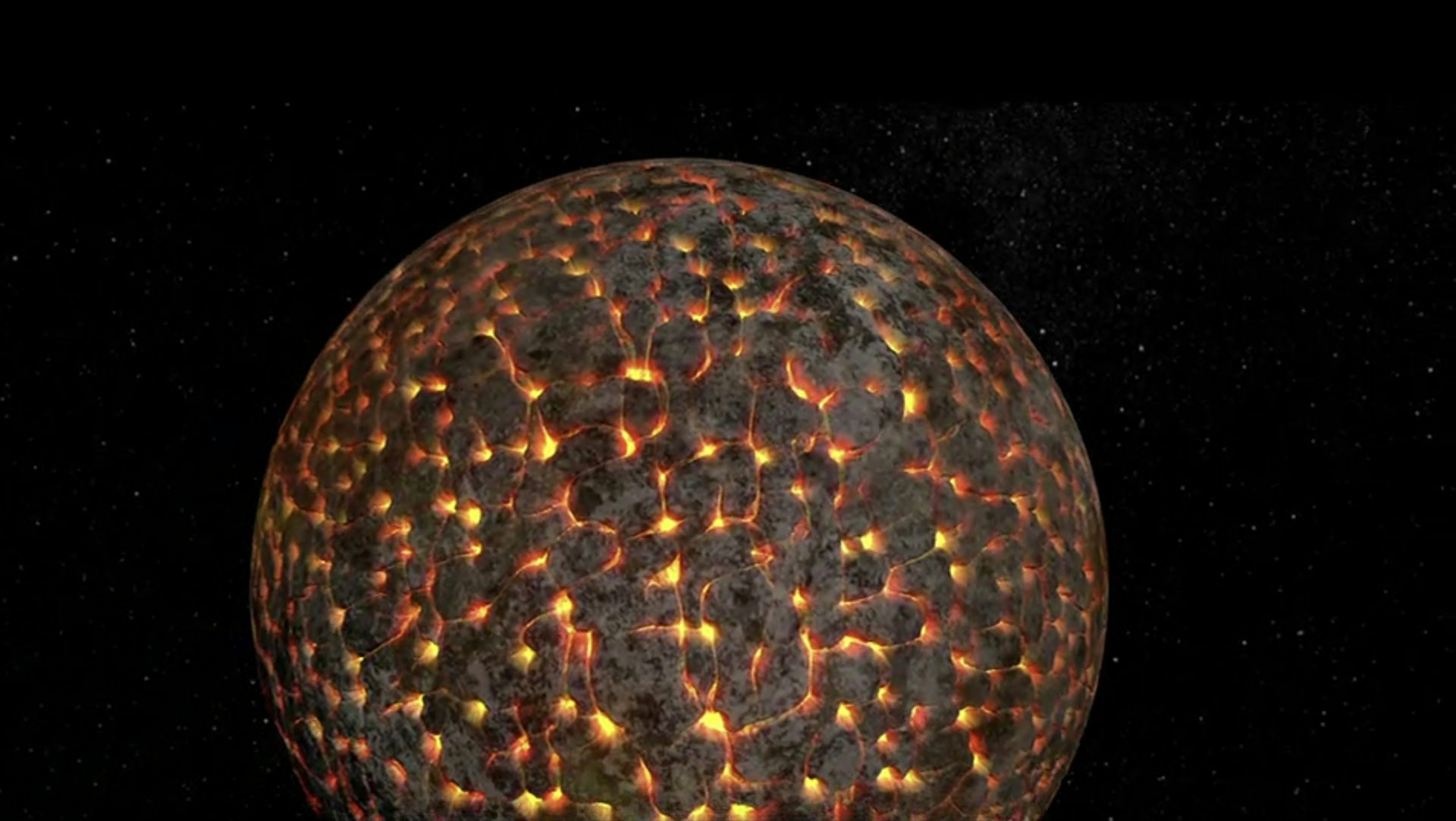
The new study seems to confirm that molten magma covered the Moon's surface shortly after its formation.

A thorough investigation published in May 2023 found that the inner core of the Moon is, in fact, a solid ball with a density similar to that of iron.
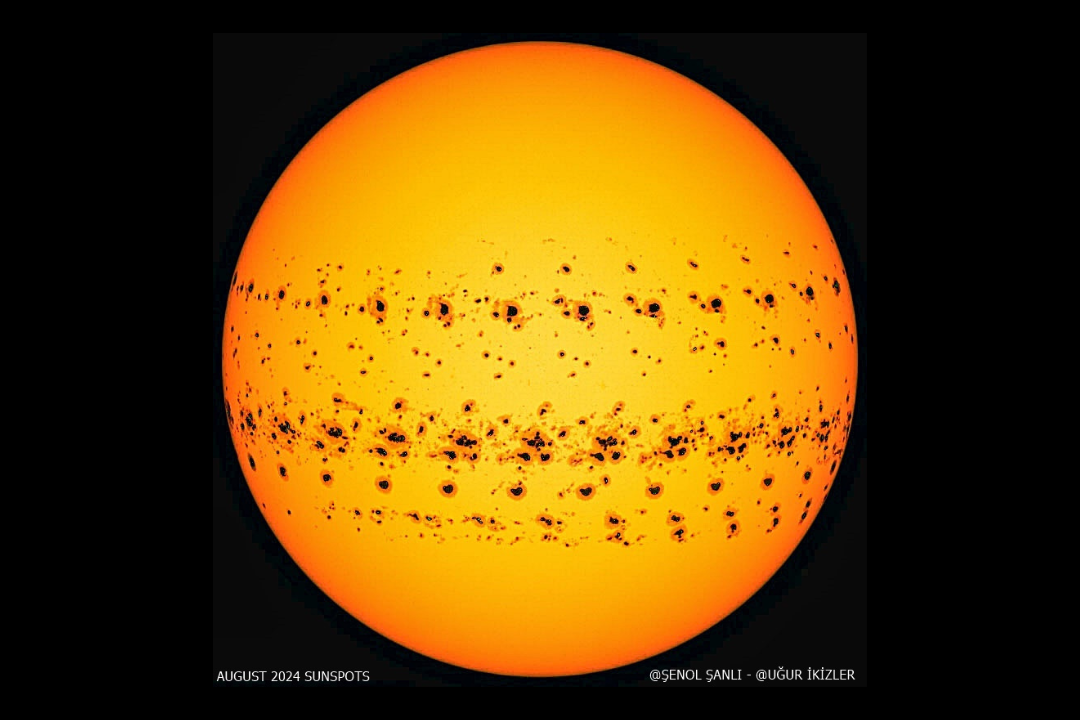
Experts record a record-breaking number of sunspots on the surface of our home star during the month of August.

In experiments at the Brookhaven National Lab in the US, an international team of physicists has detected the heaviest “anti-nuclei” ever seen.

The signal, recorded in 1977, was at first suspected to be an alien transmission. Now scientists suggest the 47-year-old radio signal was the result of a rare event that caused a massive cloud of hydrogen to shine super brightly.

As A.I.-generated data becomes harder to detect, it’s increasingly likely to be ingested by future A.I., leading to worse results.

In fact, research has shown that Antarctica is rising up out of the ocean as it sheds its ice, and the effects on our planet are going to be massive.
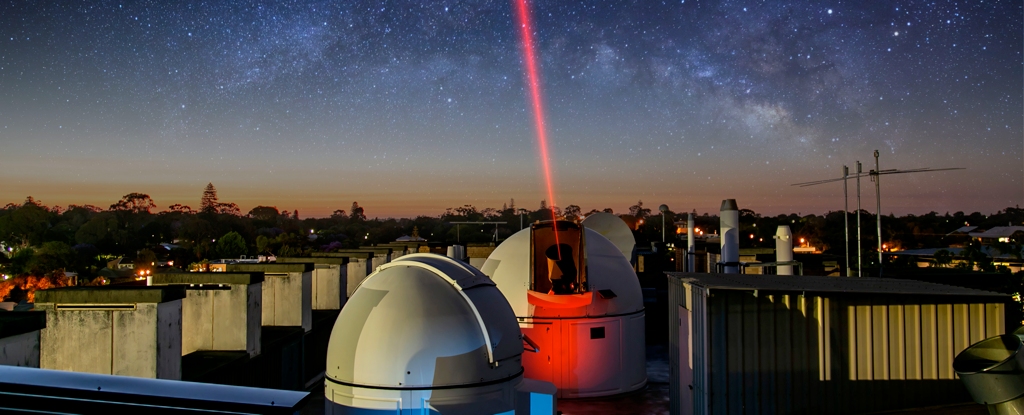
A new 'laser-powered' project being launched in the state of Western Australia could revolutionize global communications.

The Milky Way is so huge and old that statistically, there should be plenty of intelligent civilizations that have colonized their own star systems or neighboring ones, and at least a few that have spread across the galaxy.

A space rock that smacked into Earth 66 million years ago and devastated the ancient life living thereon took a remarkably circuitous route to get here, a new study has found.

U.S. scientists are battling against an emerging enemy of human health: nanoplastics. Much smaller in size than the diameter of an average human hair, nanoplastics are invisible to the naked eye.

Increasing model size does not lead LLMs to gain emergent reasoning abilities, meaning they will not develop hazardous abilities and therefore do not pose an existential threat.

Using data from NASA's James Webb Space Telescope, astronomers have confirmed hydroxyl molecules on the surface of the metallic asteroid Psyche.


