
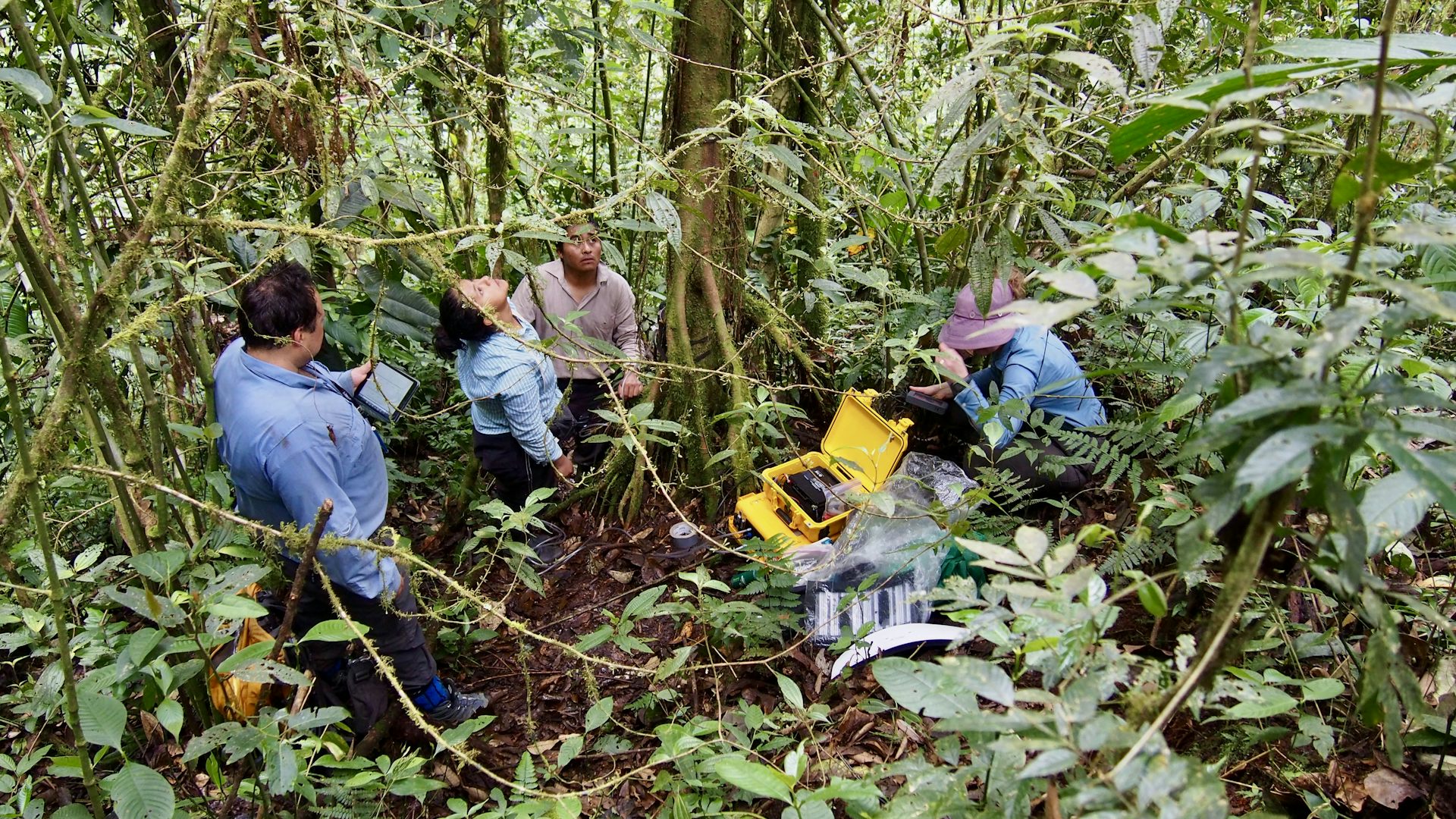
A large-scale study proves that trees absorb methane through their bark, with climate benefits at a global scale.

July 22, 2024, was the hottest day on record, according to a NASA analysis of global daily temperature data. July 21 and 23 of this year also exceeded the previous daily record, set in July 2023.
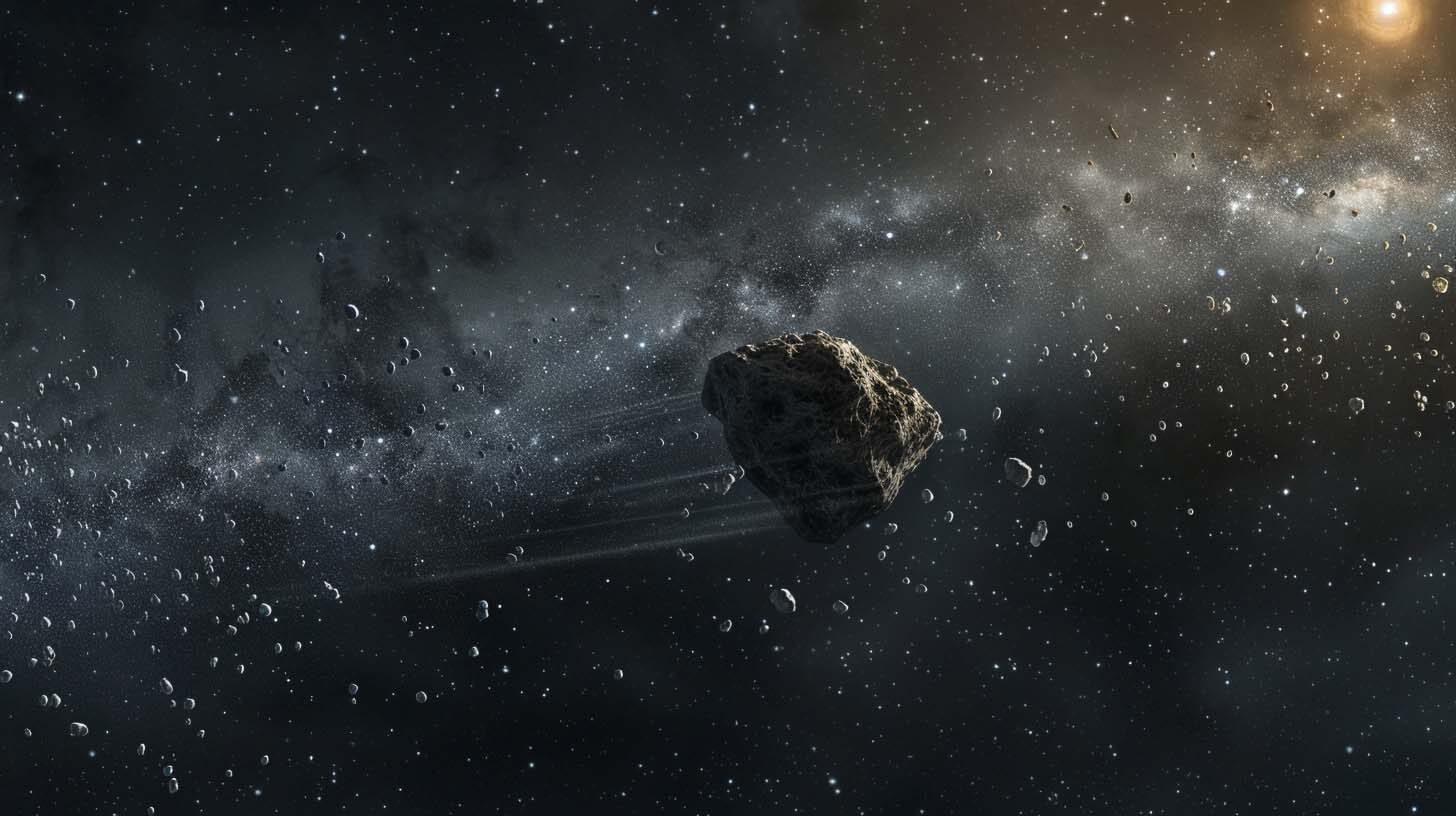
The mysterious objects may be far more common than we thought and may have brought water to Earth.

To save a diversity of plants and animals from the current mass extinction, the UN introduced a historic 'peace pact with nature' at the end of 2022, in which countries pledged to turn 30 % of the planet into protected zones by 2030.

Astronomers have found evidence for an intermediate-mass black hole in IRS 13, a population of dusty stellar objects within the nuclear star cluster of our Milky Way Galaxy.
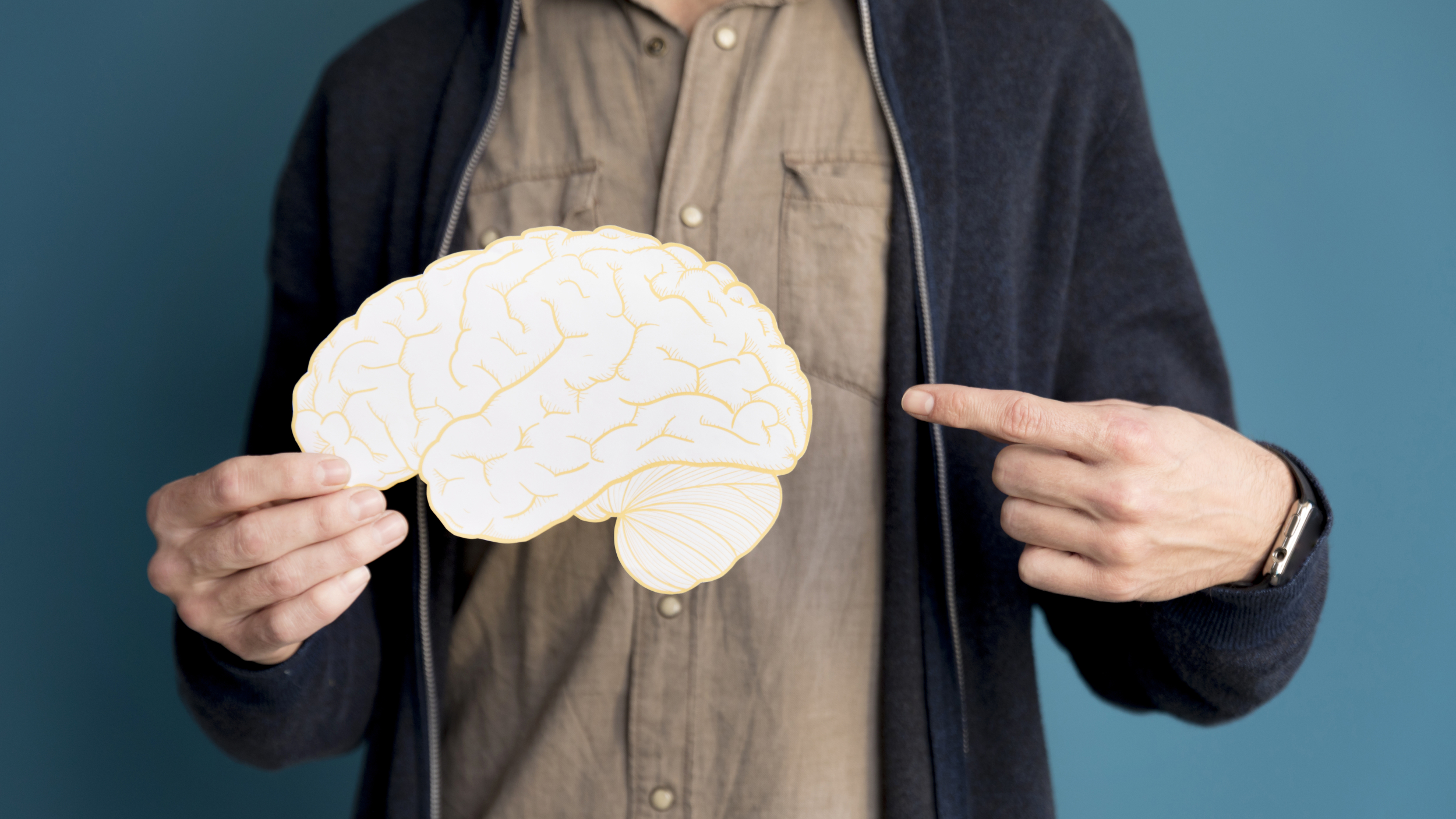
A research team discovered that obesity causes chronic changes in the brain which affects sperm count.

A German man's HIV has likely been cured after undergoing a stem cell transplant in a first-of-its-kind case, scientists announced recently ahead of the next International AIDS Conference in Munich, Germany.

A longitudinal study by UQ researchers has found high-intensity interval exercise improves brain function in older adults for up to 5 years.
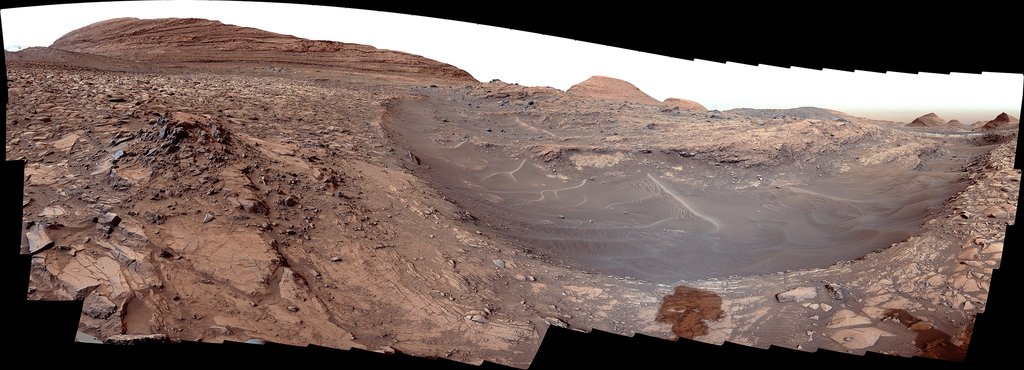
Among several recent findings, the rover has found rocks made of pure sulfur — a first on the Red Planet.
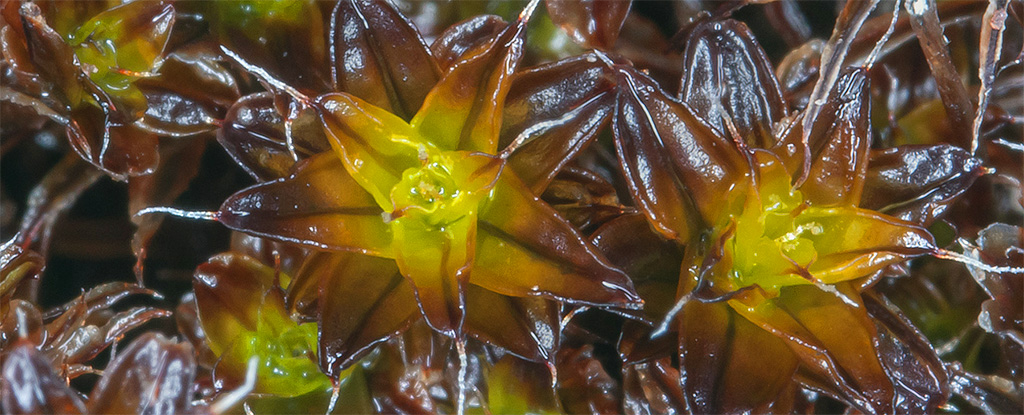
Mosses are among Earth's great terraformers, turning barren rock into fertile soils, and now a team of scientists is proposing these non-vascular plants could do the same on Mars.
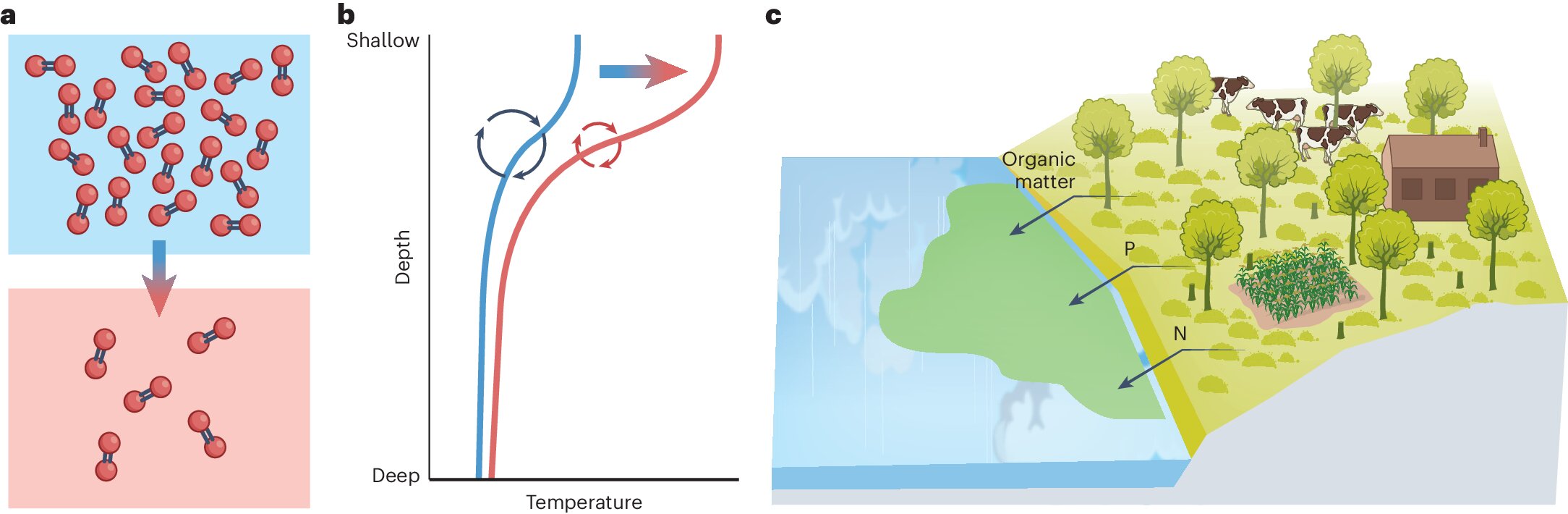
Oxygen concentrations in our planet's waters are decreasing rapidly and dramatically—from ponds to the ocean. The loss of oxygen in water, also referred to as aquatic deoxygenation, is a threat to life at all levels.

A meta-analysis of existing research shows exposure to nature, even as little as 10 minutes, could benefit those with diagnosed mental illness.
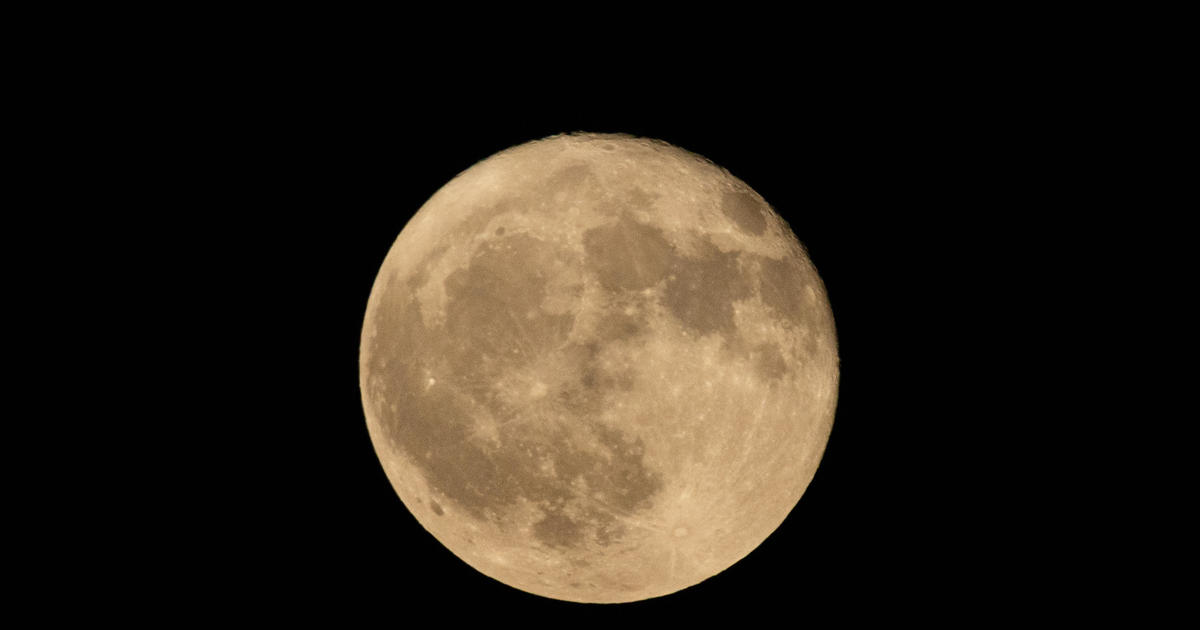
A team of Italian researchers say they have discovered evidence of a lunar cave and suspect that there could be hundreds more.
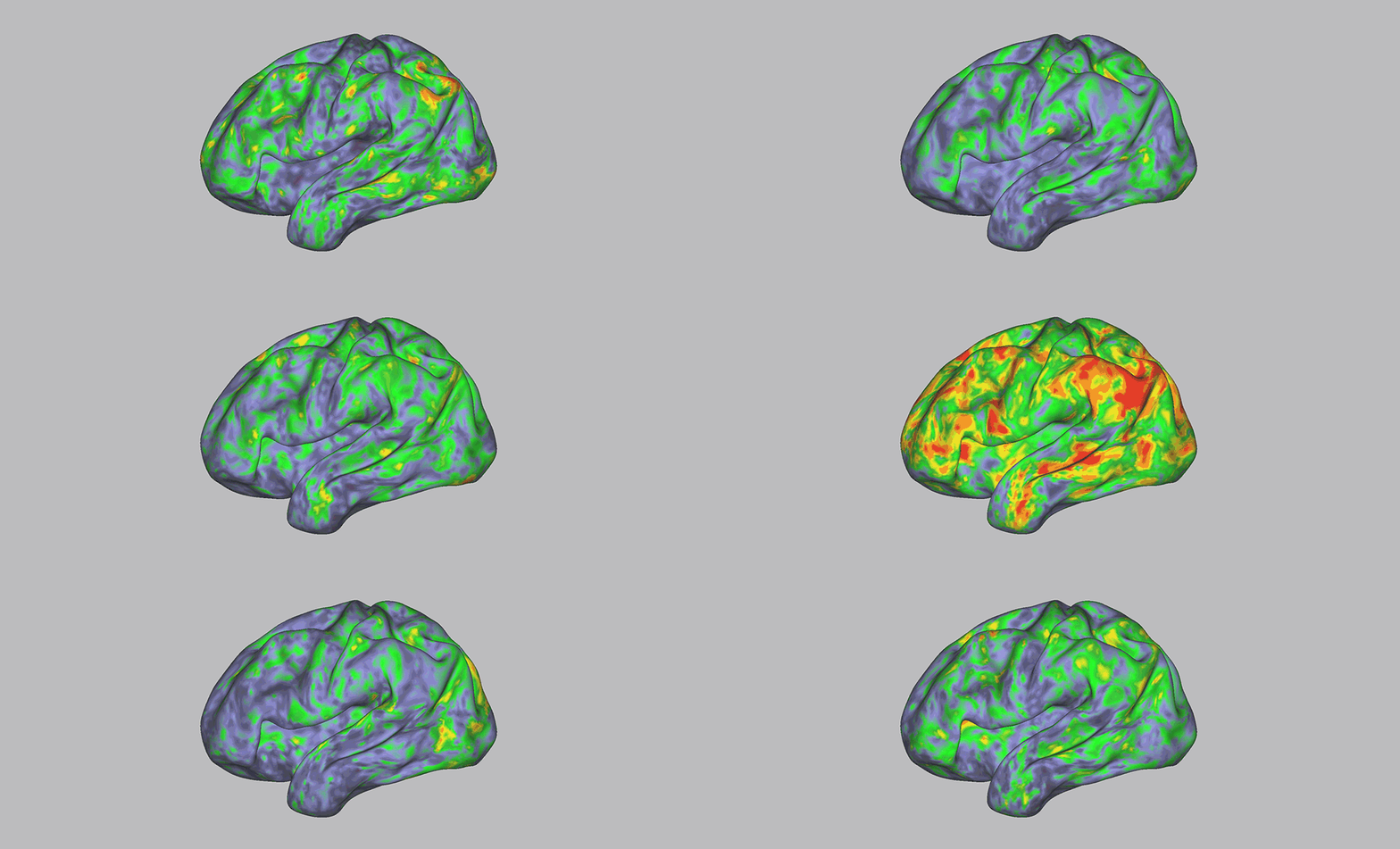
Once maligned for their psychedelic properties, magic mushrooms are increasingly attracting attention for their same mind-altering potential as a therapy for a wide variety of mental health issues.
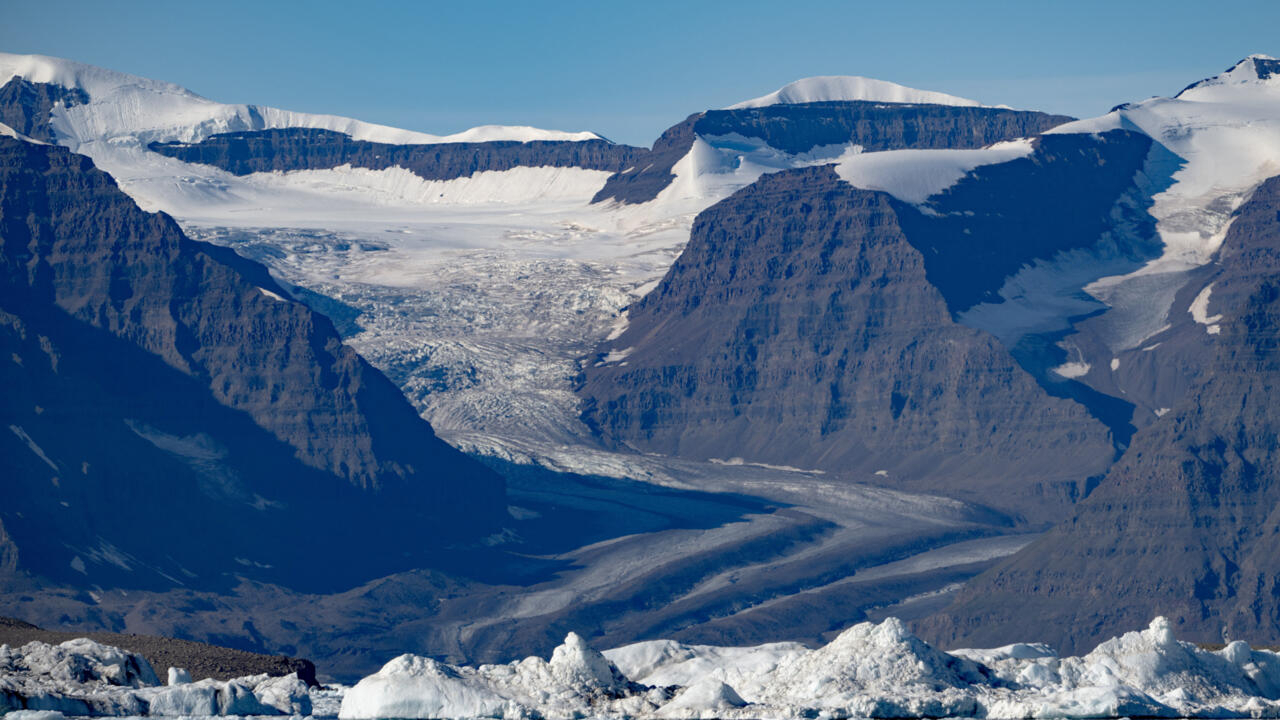
A new study says that the melting of the polar ice caps is causing our planet to spin more slowly. As the Earth turns more slowly, the length of day increases, intensifying the effects of a warming climate.


