
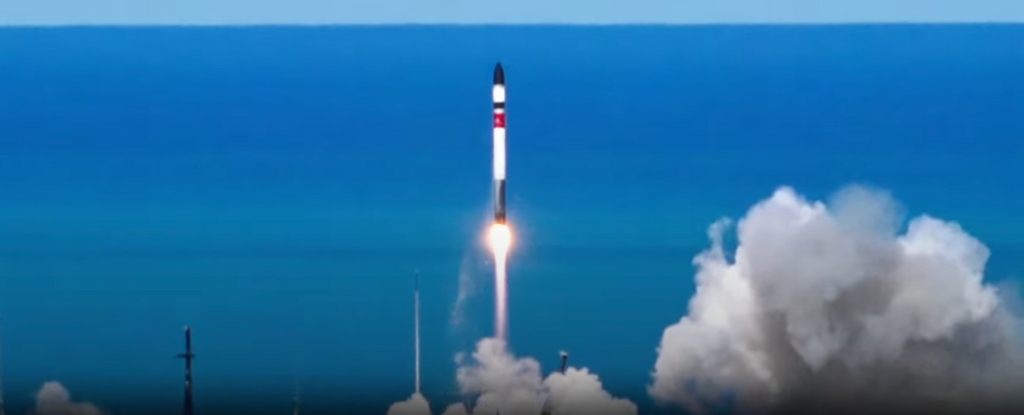
Solar sails are an enigmatic and majestic way to travel across the gulf of space.

Recent and long-term marijuana use is linked to changes in the human genome, a new study has found.
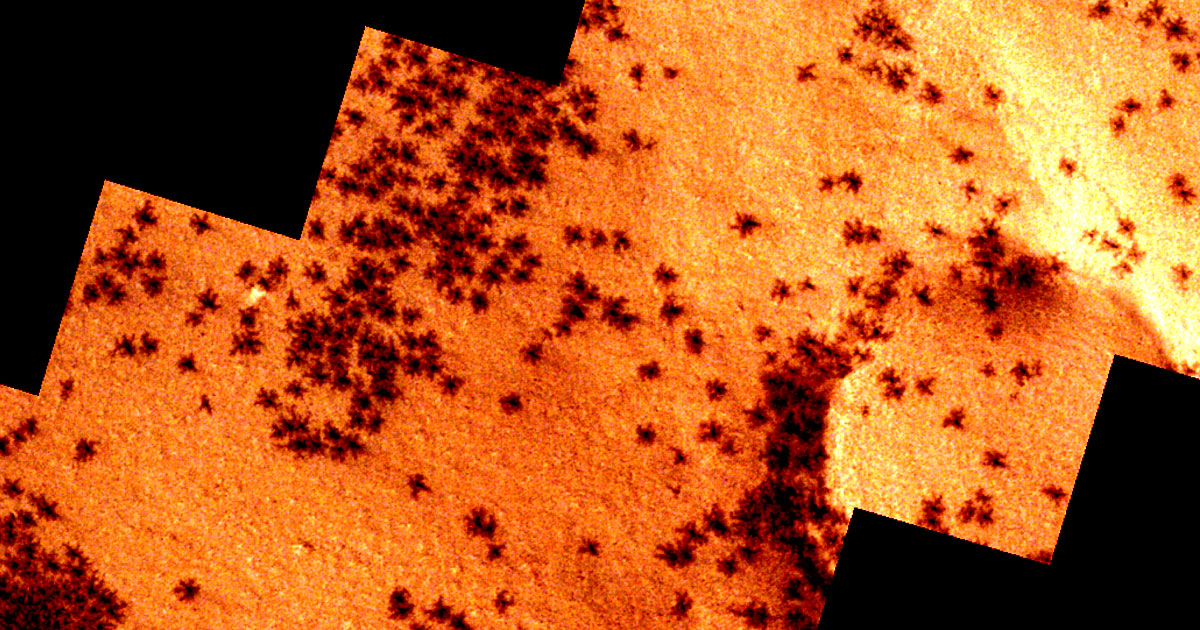
These so called "spiders" are the result of a complex geological process that causes carbon dioxide to sublimate, digging up darker material from below the surface during the planet's spring.

A new study on plastic pollution in 84 countries has linked half of branded plastic pollution to only 56 firms, with about 24% of the plastic waste analyzed connected to only 5 companies Coca Cola, PepsiCo, Nestle, Danone and Altria.
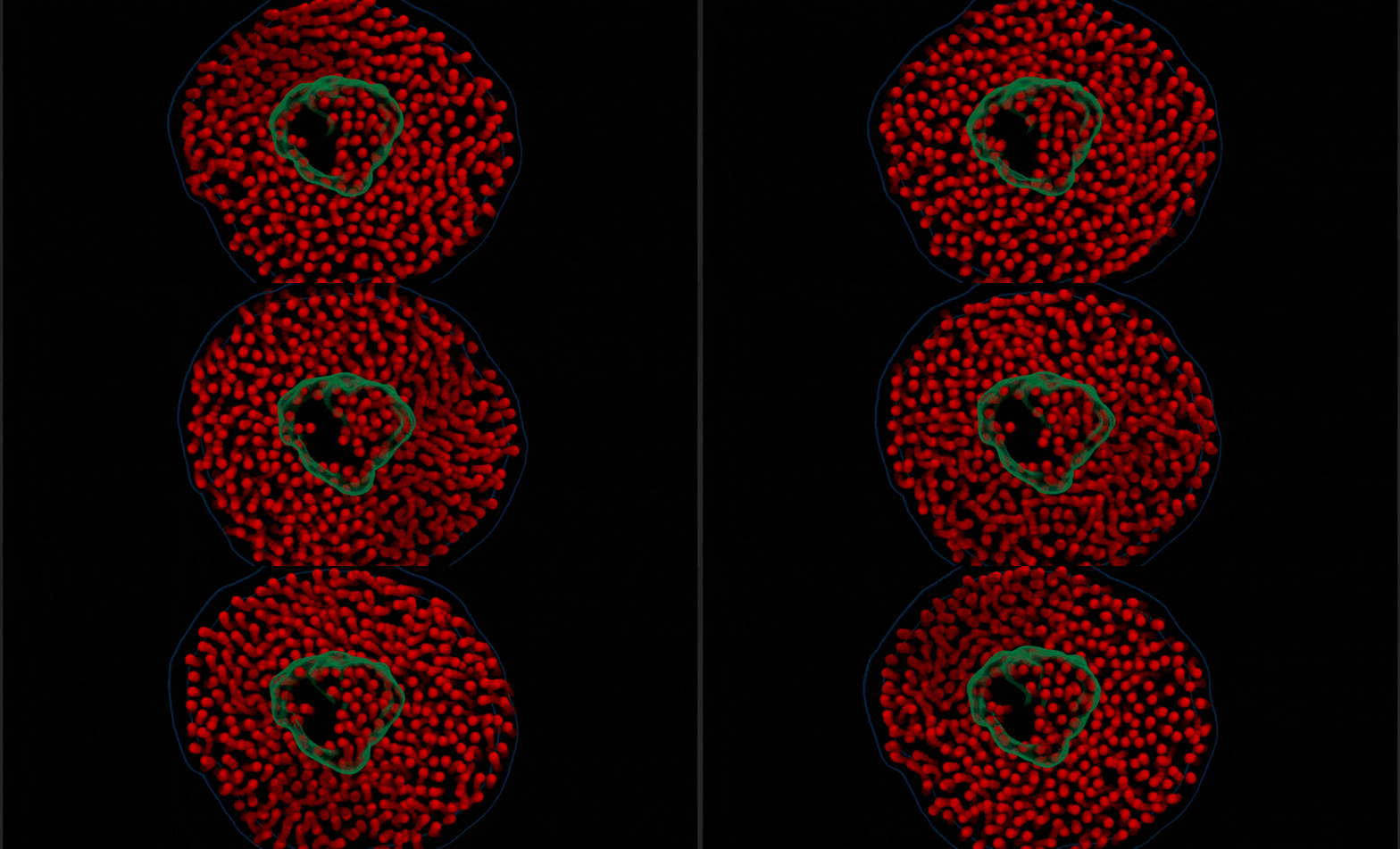
Scientists for the first time captured the dance between proteins and fats as they would normally move in cells.

While natural diamonds take billions of years to form, lab-grown diamonds can be produced quickly and at a fraction of the cost.

Scientists have traced bioluminescence to its earliest known evolutionary origins: a class of corals called Octocorallia in the depths of the ocean in the Cambrian, some 540 million years ago.
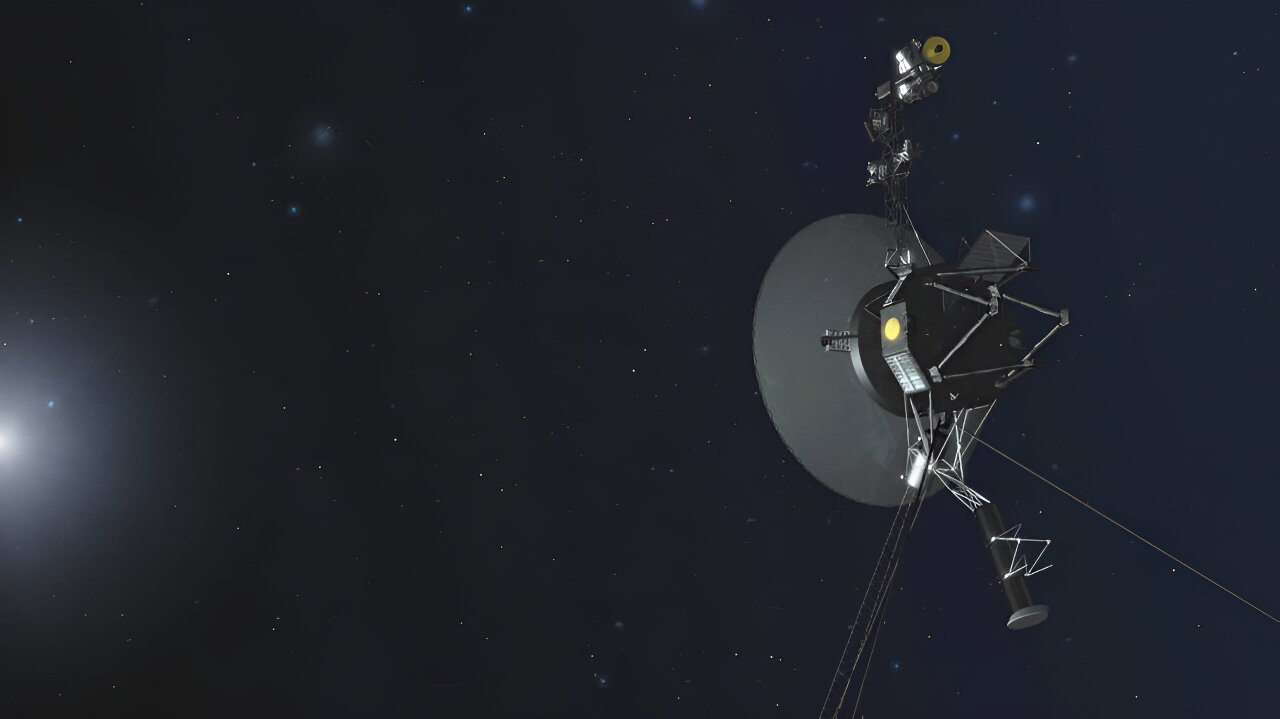
The most distant spacecraft from Earth stopped sending back understandable data last November. NASA's Jet Propulsion Laboratory declared success after receiving good engineering updates late last week.
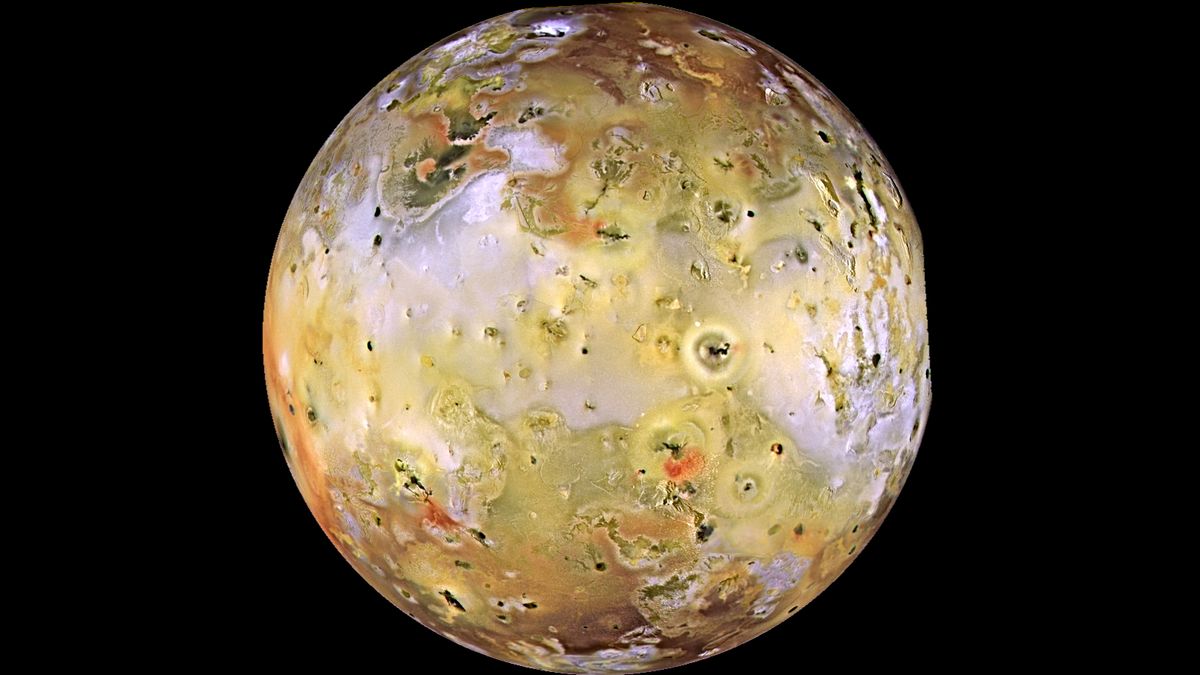
Imagery from the solar-powered spacecraft provides close-ups of intriguing features on the hellish Jovian moon.

Exoplanet TOI-6713.01 experiences 10 million times more tidal energy than Io, resulting in a 2,300 degrees Celsius surface temperature. This means the planet literally glows at optical wavelengths.

469219 Kamo’oalewa as a near-Earth asteroid and a quasi-satellite to Earth. However, in 2021, astronomers using spectroscopy revealed that Kamo’oalewa might in fact be a piece of the moon.

A recent study analyzed dozens of Chinese cities, revealing that they're slowly sinking. From California to Greece, human activity is making the land under our feet more prone to subsiding than ever.
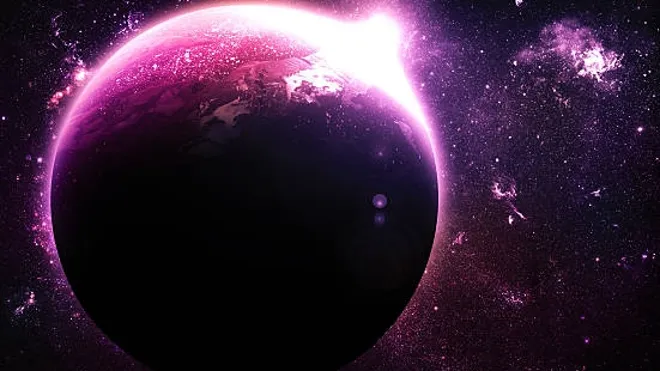
Purple bacteria is one of the primary contenders for life that could dominate a variety of Earth-like planets orbiting different stars, and would produce a distinctive "light fingerprint," Cornell scientists report.
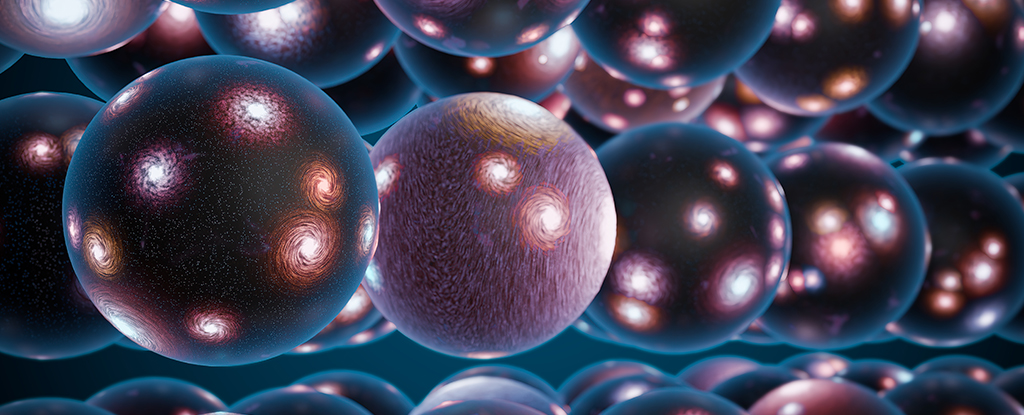
Not only does God play dice, that great big casino of quantum physics could have far more rooms than we ever imagined. An infinite number more, in fact.
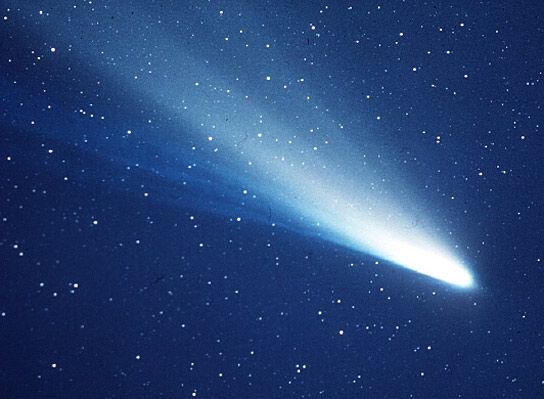
A new study aimed at answering the latter question finds that some building blocks didn’t need to have formed on Earth, but could have arrived from space.


