

One group of scientists thinks that we may already have detected technosignatures from a technological civilization's Dyson spheres, but the detection is hidden in our vast troves of astronomical data.

Research shows inhaled plastic particles deposit in the respiratory system, affecting health based on size, shape, and breathing rate.
A new discovery could help to turn the tides in the war against greenhouse gases. Scottish scientists have created new molecules which, thanks to their hollow and cage-like structure, can store greenhouse gases.
Could AI be the universe's "great filter" – a threshold so hard to overcome that it prevents most life from evolving into space-faring civilizations?
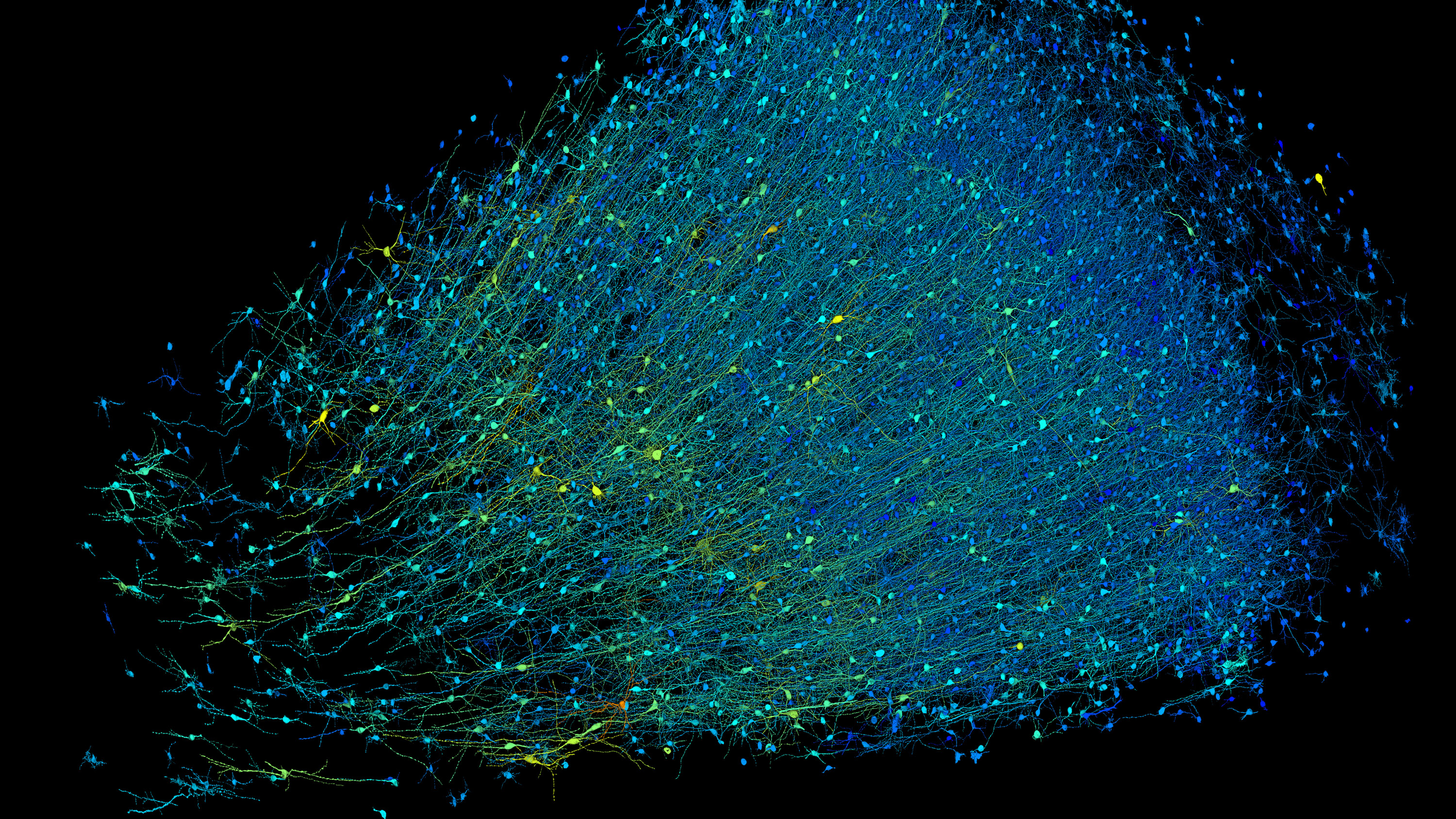
Although the map covers just a fraction of the organ—a whole brain is a million times larger—that piece contains roughly 57,000 cells, about 230 millimeters of blood vessels, and nearly 150 million synapses.
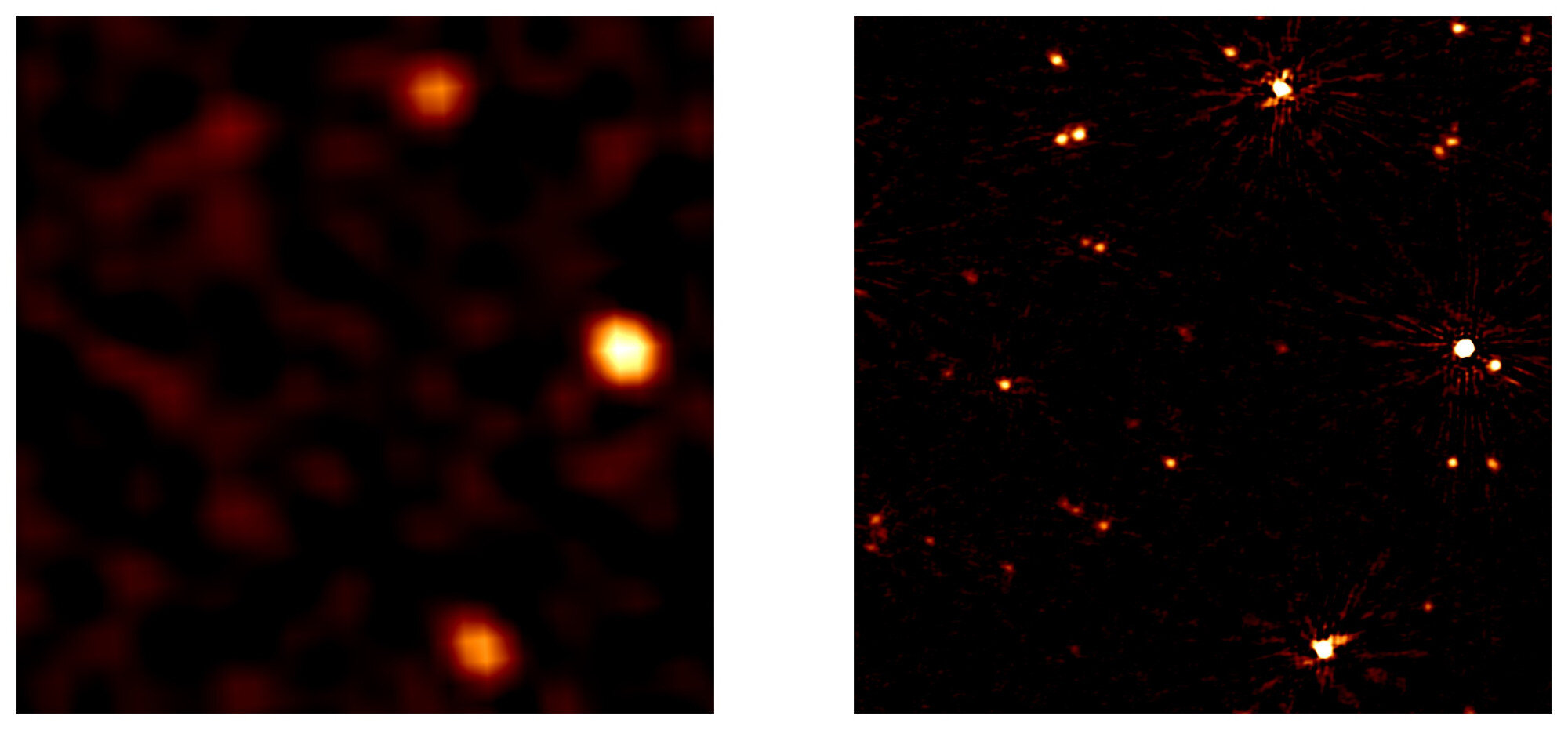
An international team of researchers has produced the first sharp radio maps of the universe at low frequencies. Thanks to a new calibration technique, they bypassed the disturbances of the Earth's ionosphere.
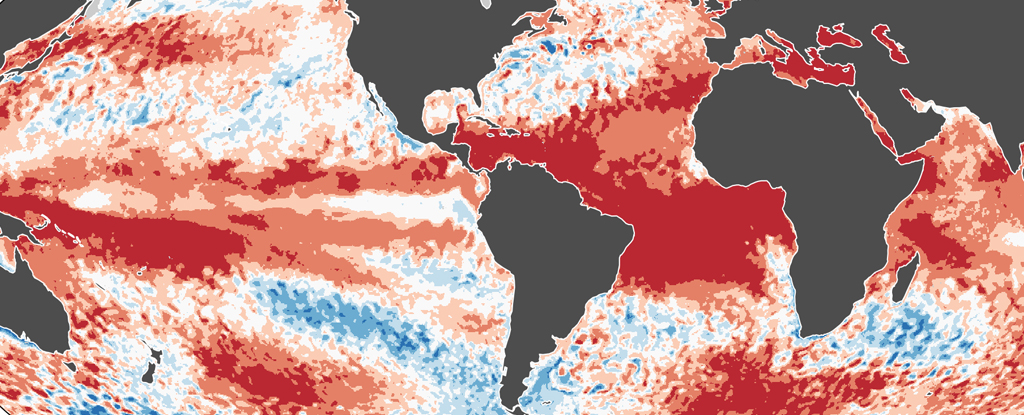
April marked another "remarkable" month of record-breaking global air and sea surface temperature averages, according to a new report by the EU's climate monitor published on Wednesday.
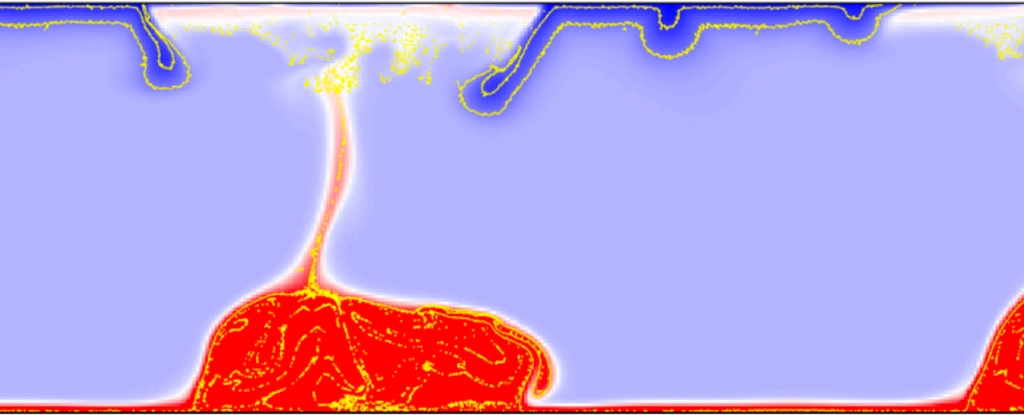
On the scale of cataclysmic events, the whomping impact of a Mars-sized object that crashed into Earth some 4.5 billion years ago ranks pretty highly: thought to have set in motion the movement of our planet's fractured, rocky crust.
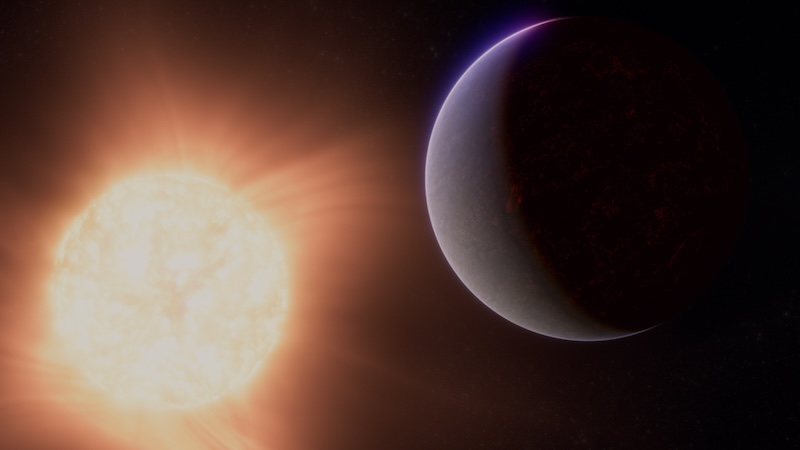
For the first time, astronomers say that they have detected a possible atmosphere on a rocky exoplanet. This smaller rocky world, 55 Cancri e, is only 41 light-years from Earth. But unlike our planet it is extremely hot.
A new study details dissociative recombination, which may have led to Venus losing its water.

A major landmark study reveals that global immunization efforts have saved an estimated 154 million lives - or the equivalent of 6 lives every minute of every year - over the past 50 years. The vast majority of lives saved were infants.
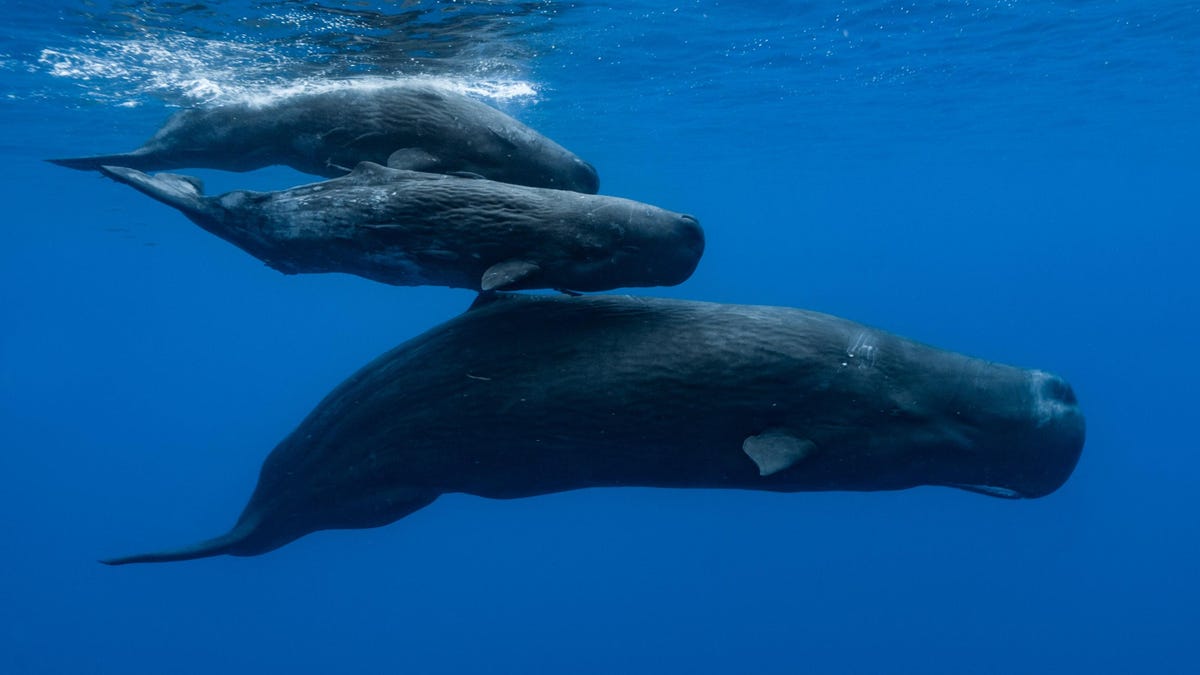
The latest study is a big step forward in decoding whale linguistics - and machine learning is making it possible.
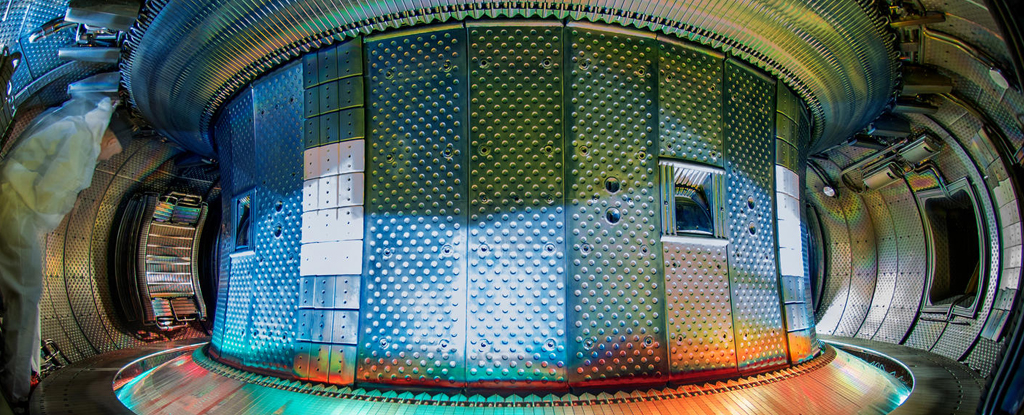
A fusion reactor in southern France, called WEST, just achieved an important milestone that brings us one step closer to clean, sustainable, nearly limitless energy.
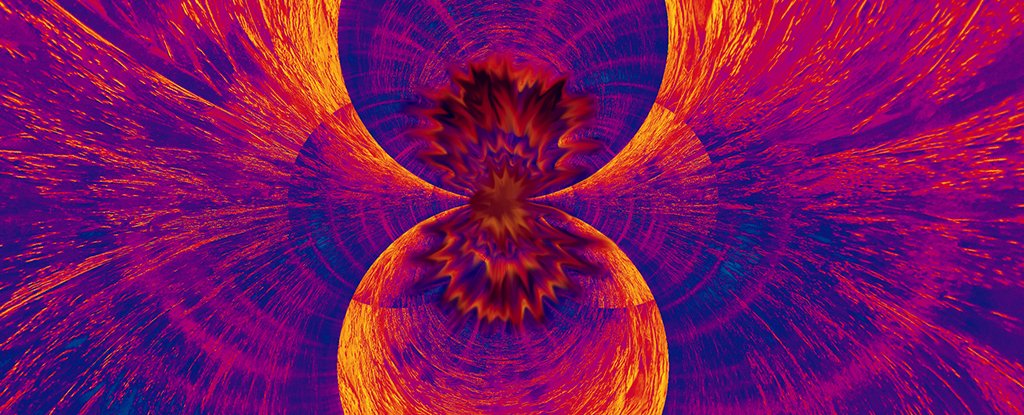
A year after all but ruling out the possibility, a pair of theoretical physicists from Japan and the Netherlands have found quantum entanglement has something fundamentally in common with the physics that drives steam engines.

The recent discovery of a Roman dodecahedron in Lincolnshire has prompted renewed fascination in these ancient mysterious objects.


