
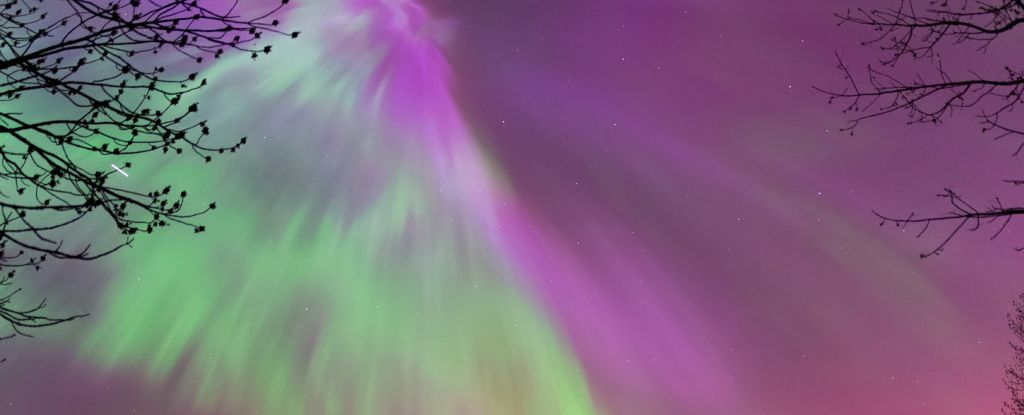
A solar storm that filled Earth's skies with shimmering curtains of light in May 2024 was so intense that its effects were felt, even at the bottom of the ocean.

Batteries based on the wave-like nature of charged particles could revolutionize energy storage, potentially cramming in more power at a faster rate than conventional electrochemical cells could ever hope to manage.
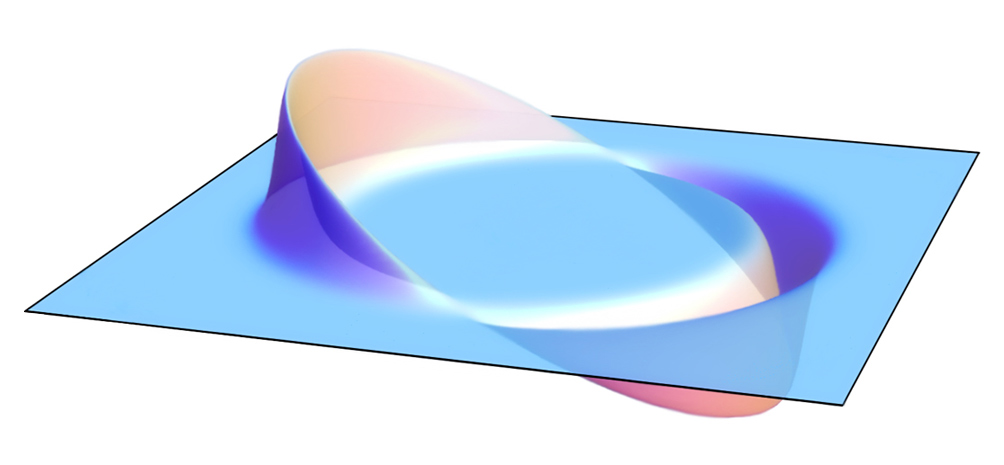
A new study suggests that a real-life warp drive might not be as far-fetched as we thought. The key, scientists say, is to look at the problem through the lens of Einstein’s theory of gravity: general relativity.
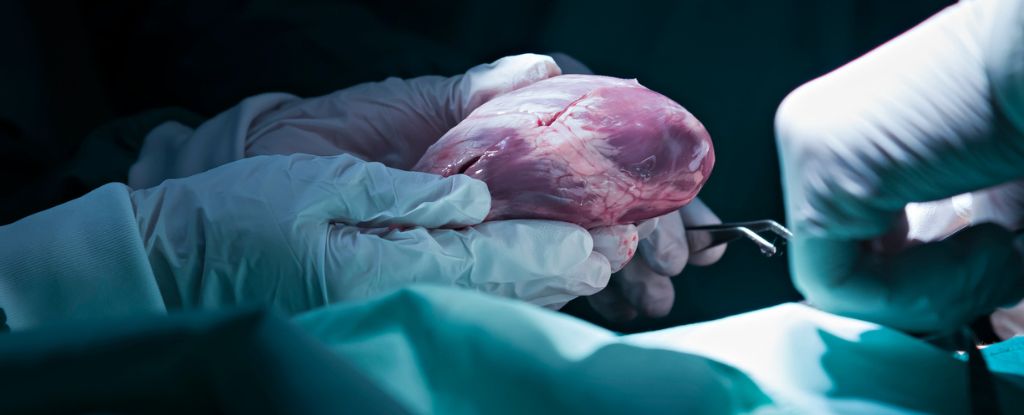
An online survey among 23 heart recipients and 24 other organ recipients found nearly 90 % experienced personality changes after transplant surgery, no matter the organ they received.

Astrophysicists discovered that an exoplanet is covered with so many active volcanoes that seen from a distance it would take on a fiery, glowing-red hue.

A recent study has discovered a novel method for detecting the first-generations stars, known as Population III (Pop III) stars, which have never been directly detected.
Today's rate of atmospheric carbon dioxide increase is 10 times faster than at any other point in the past 50,000 years, researchers have found through a detailed chemical analysis of ancient Antarctic ice.
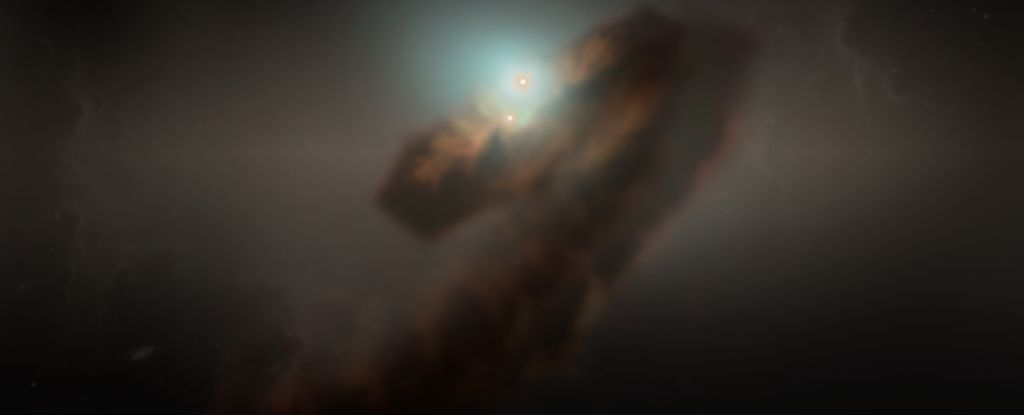
Most stars in the Milky Way just hang around doing pretty normal star things, but one particular star just will not.
Google on Tuesday said it would introduce AI-generated answers to online queries, in one of the biggest changes to its world leading search engine in 25 years.
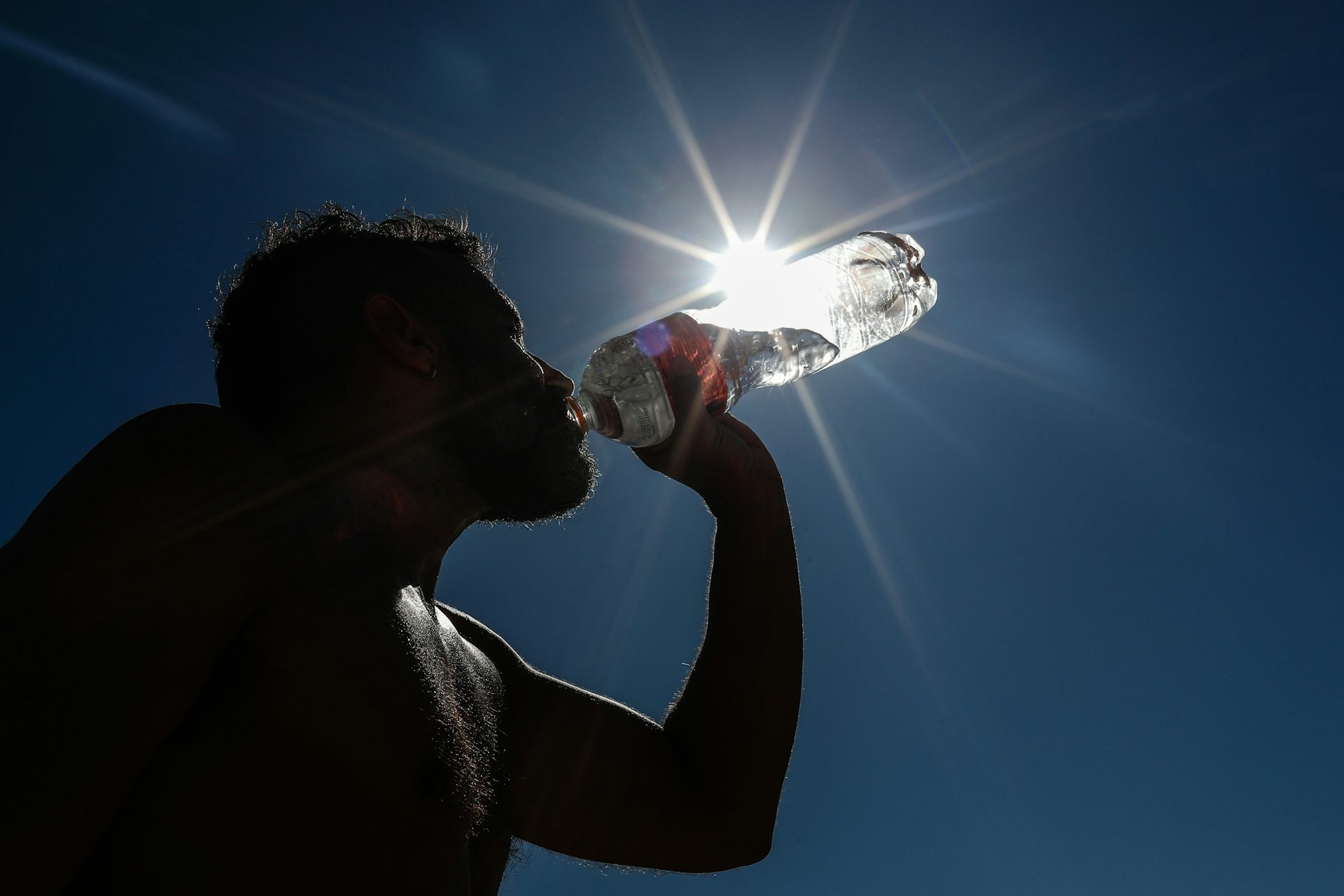
Across Europe, Asia and North America, surface air temperatures were more than 2°C higher in June, July and August 2023 than the average summer temperature between AD1 and 1890, as reconstructed from tree ring records.

Nasa says its Perseverance rover has essentially completed the job it was asked to do when it landed on Mars in February 2021.

Our reliance on plastic has become a huge problem, which is why researchers are excited about a new type of material - one that comes with built-in biodegrading capabilities, due to the bacterial spores living inside it.
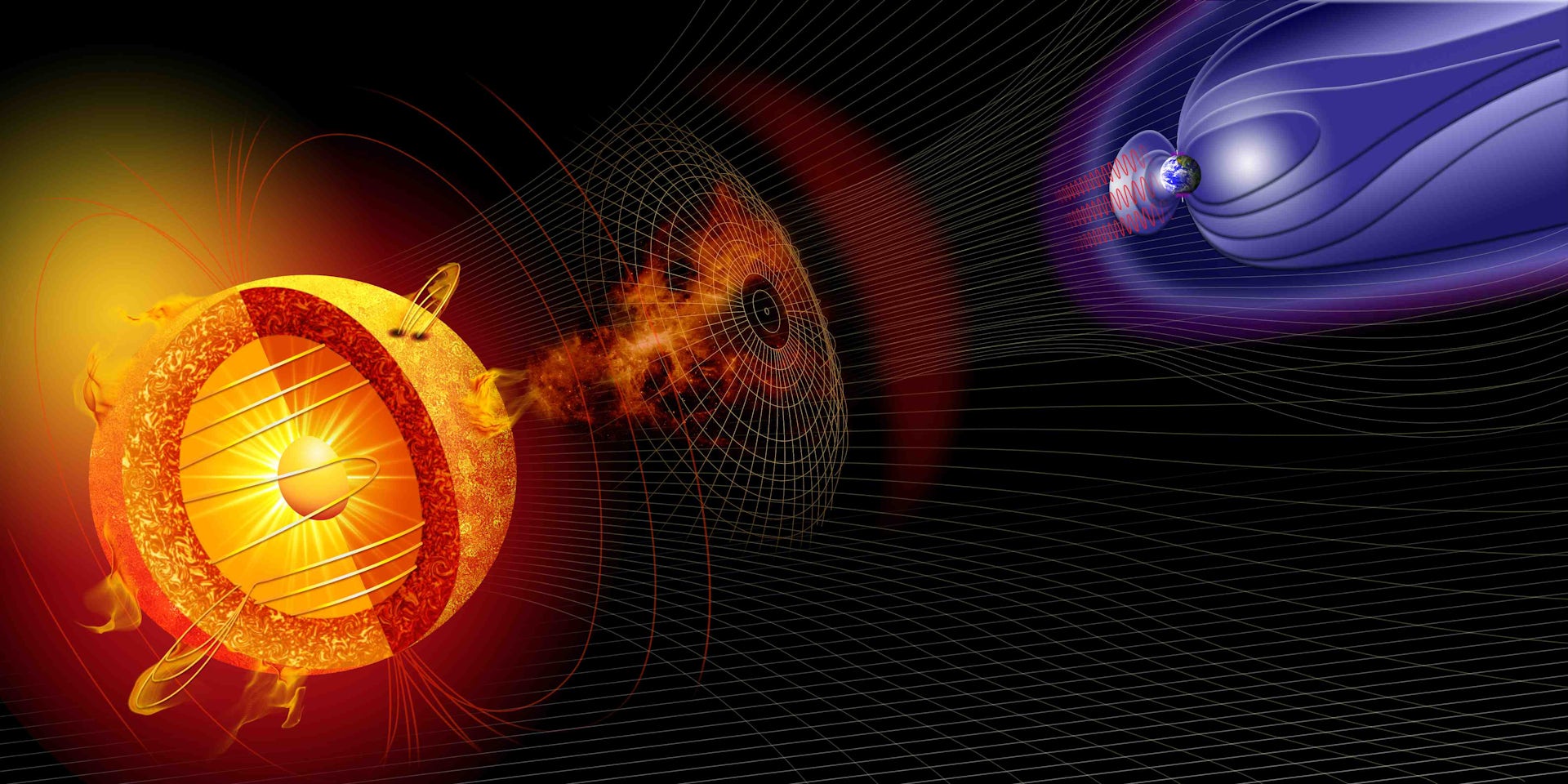
The same geomagnetic storms causing the auroras can cause havoc with our planet’s human-made infrastructure.
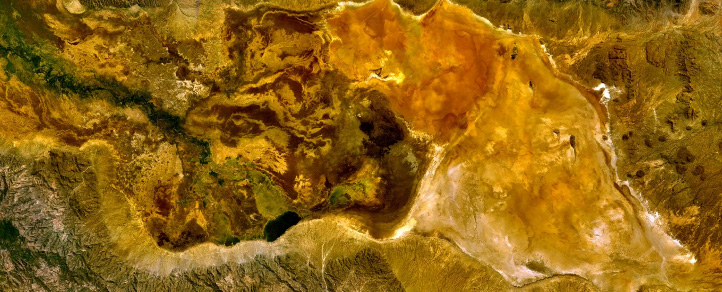
Around five and half millenia ago, northern Africa went through a dramatic transformation. The Sahara desert expanded and grasslands, forests and lakes favoured by humans disappeared. Humans were forced to retreat.

Artificial intelligence can learn to lie and cheat, and this is a serious risk that requires regulatory and legislative measures to ensure that it remains a useful technology, rather than becoming a threat to human knowledge.


