
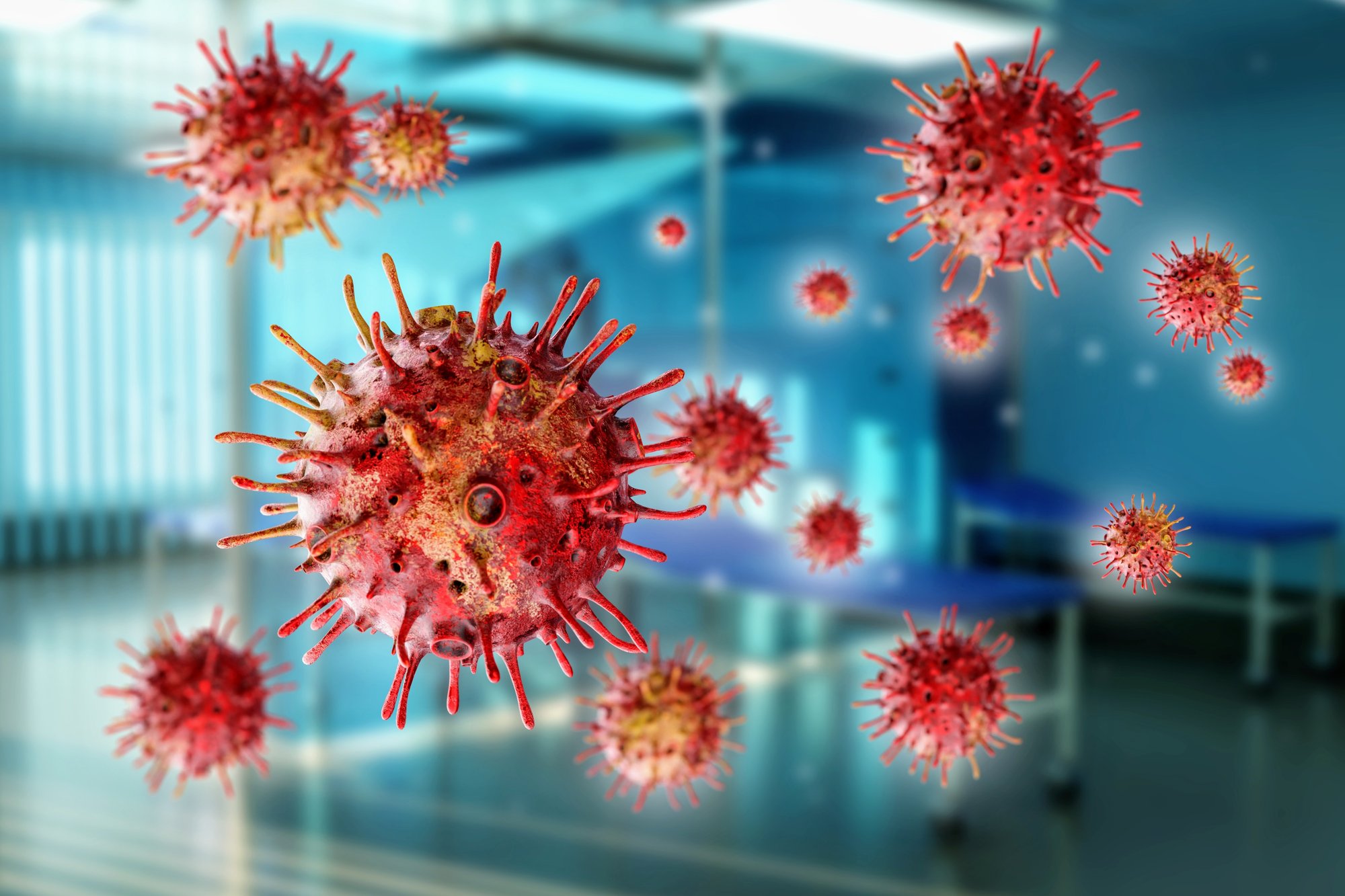
The findings reveal that carbon dioxide (CO2) levels play a critical role in the lifespan and transmission of airborne viruses.

Motorcyclists have long ridden on an apparatus called the “wall of death,” which involves driving in circles parallel to the ground. Scientists are theorizing that something similar could be used for astronauts to exercise on the Moon.
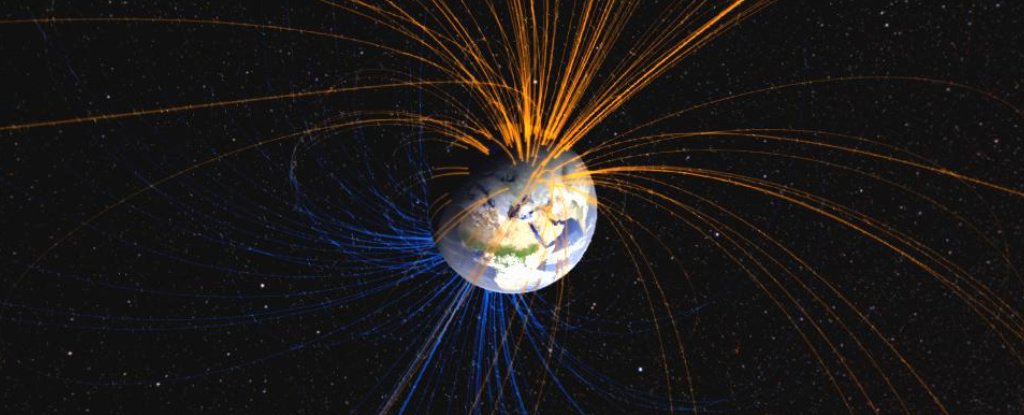
Earth's magnetic field nearly collapsed some 590 million years ago, presumably putting life on the planet's surface at risk of a rise in cosmic radiation.
Using the James Webb Space Telescope (JWST), a team of astronomers, including scientists from MPIA, constructed a global temperature map of the hot, gas giant exoplanet WASP-43b.
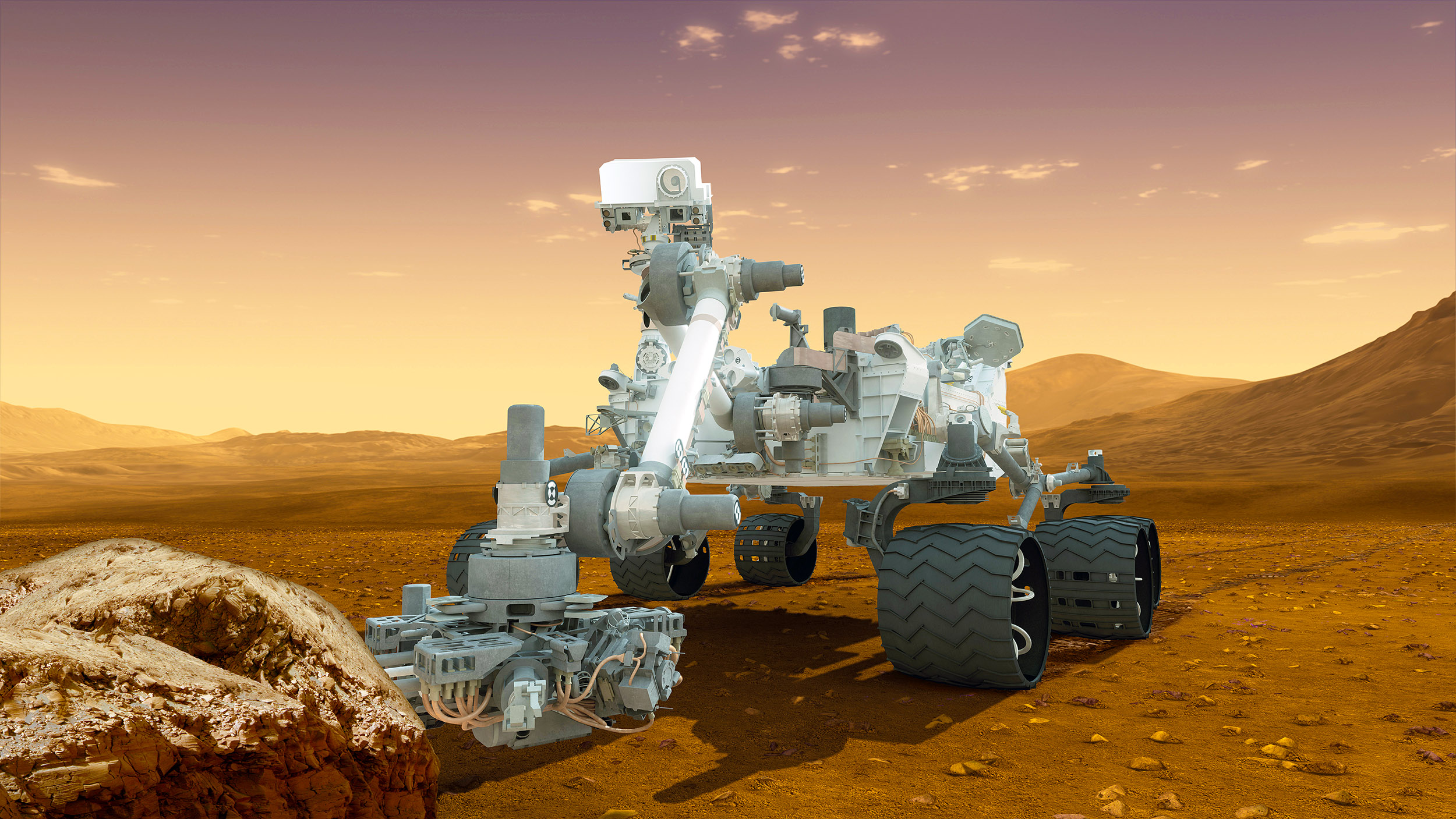
The mystery of life’s origins on Earth has long puzzled scientists, but a recent discovery on Mars might be shedding new light on this profound question, while also inching closer to finding life on Mars.

A technology demo carried out in Japan has shown a prototype wireless device reaching 100 Gbps data transfer speeds, which is 10 times faster than 5G at its peak, and 500 times faster than an average 5G smartphone.
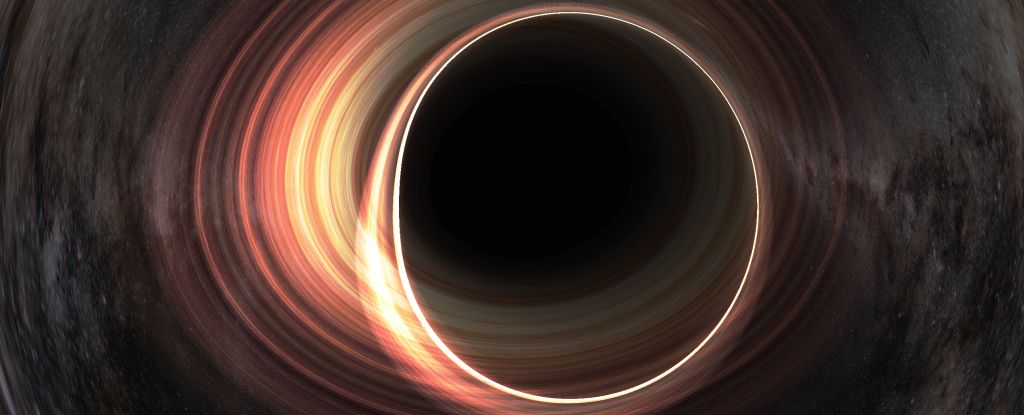
The University of Amsterdam created the black hole event horizon to study the behaviour of a black hole in an controlled environment.

Green spaces with high natural diversity have more mental health benefits than those with low natural diversity.
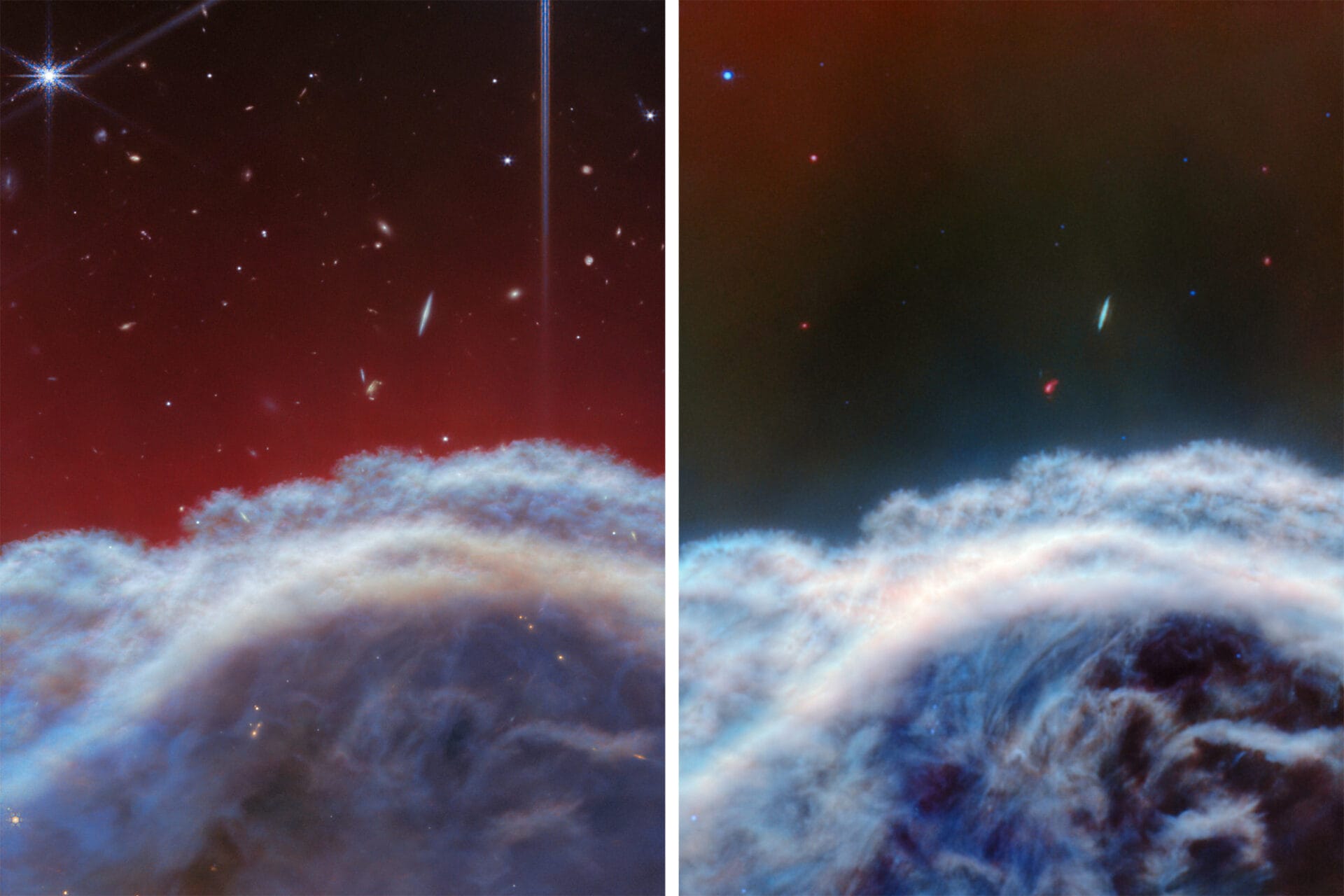
Focused on the part of the sky where you can spot the constellation Orion on clear nights, the James Webb Space Telescope’s latest dispatch blinks in astonishing images from an area known as the Orion B molecular cloud.

Scientists have discovered a novel method to manipulate light waves, using nanophotonics, deforming the photonic crystal that contains them.
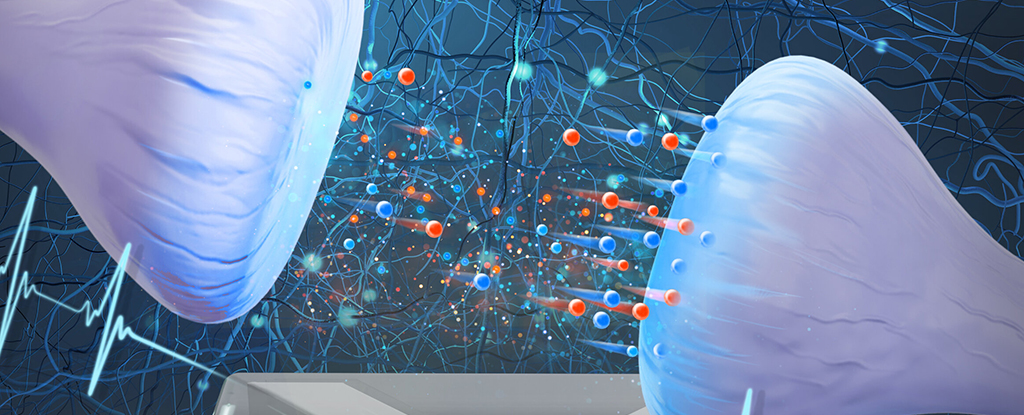
For the first time, researchers have simulated neurological junctions called synapses using the same water and salt ingredients the brain uses, contributing to an emerging field that combines biology with electronics called iontronics.
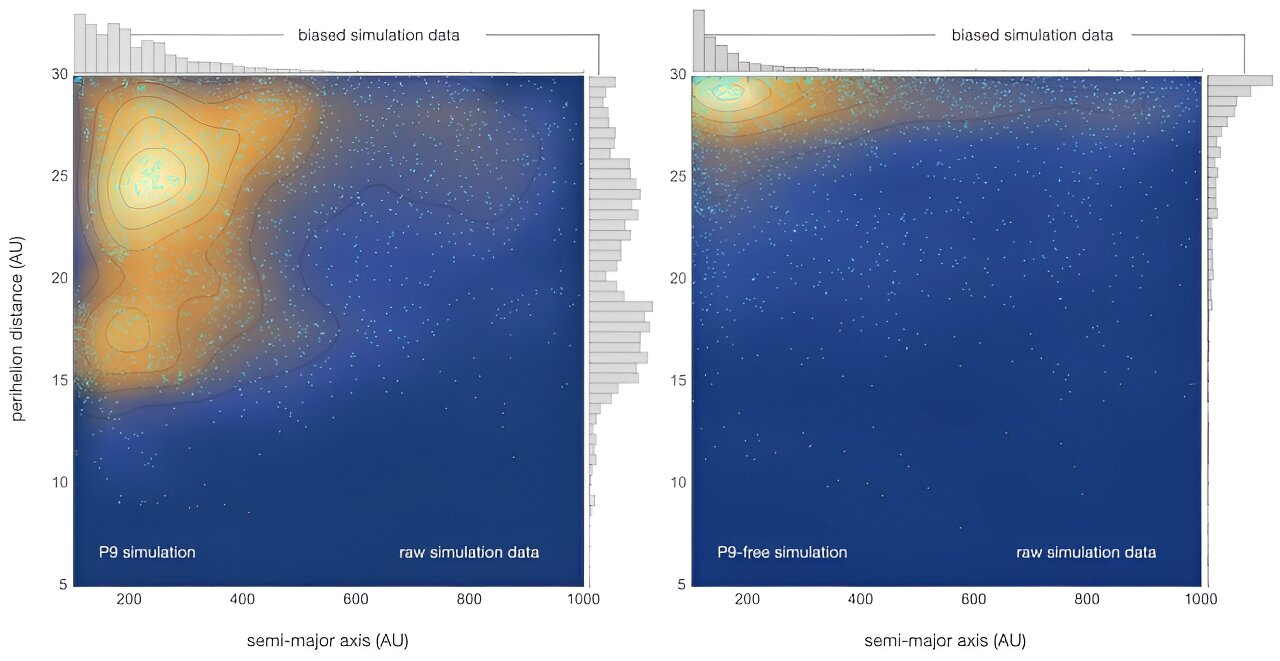
A small team of planetary scientists from U.S. reports possible new evidence of Planet 9.
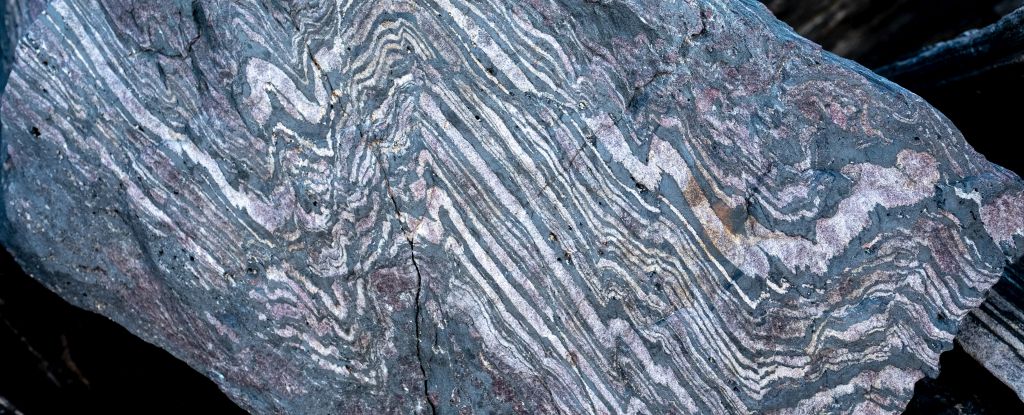
Rocks that formed some 3.7 billion years ago in the early Archean have given us the earliest glimpse yet of Earth's magnetic field.

Surgeons in the United States have transplanted a modified pig kidney into a living person for the second time, a hospital said Wednesday, celebrating an advance in animal-to-human organ transplants.
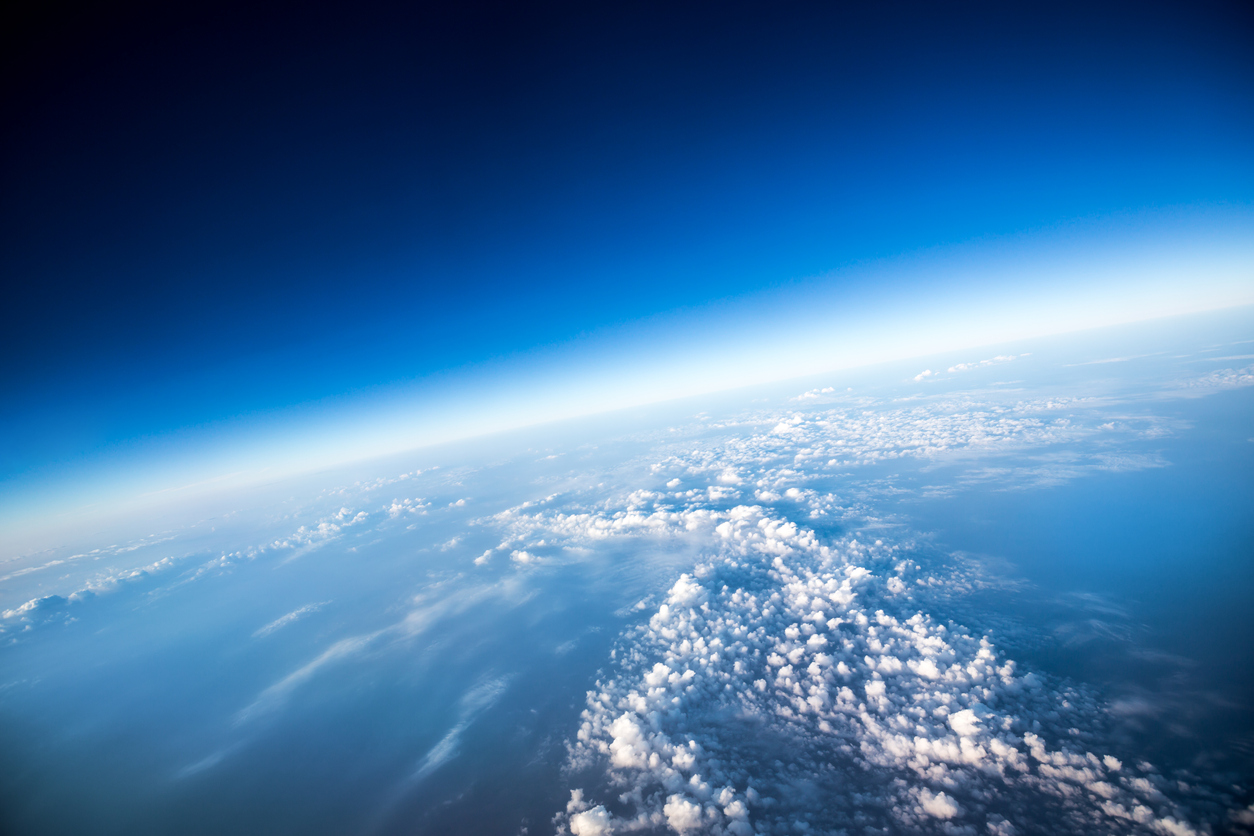
The 2023 ozone hole opened early and fast, becoming one of the largest on record in mid-September, and it’s one of the longest-lived observed to date. The causes of this behaviour point to climate change or volcanic emissions.


