
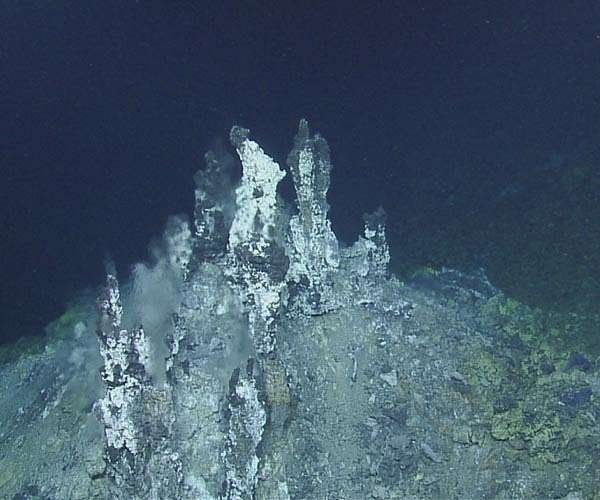
Japanese researchers have uncovered inorganic nanostructures around deep-ocean hydrothermal vents that closely resemble key molecules involved in life processes.
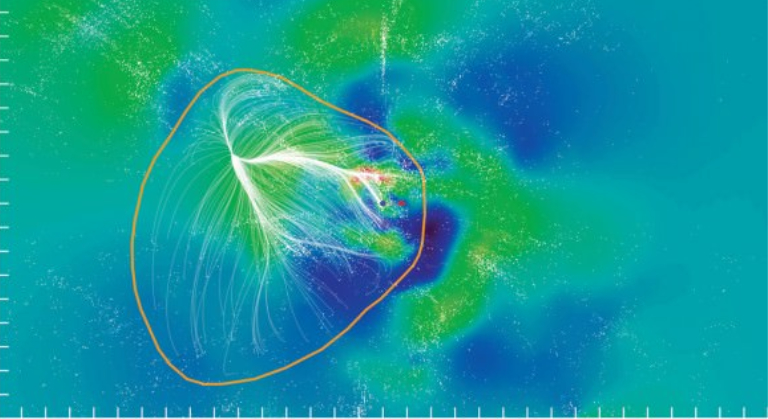
Astronomers refer to the Shapley Concentration as a "basin of attraction". It's a region containing many clusters and groups of galaxies and comprises the greatest concentration of matter in the local Universe.
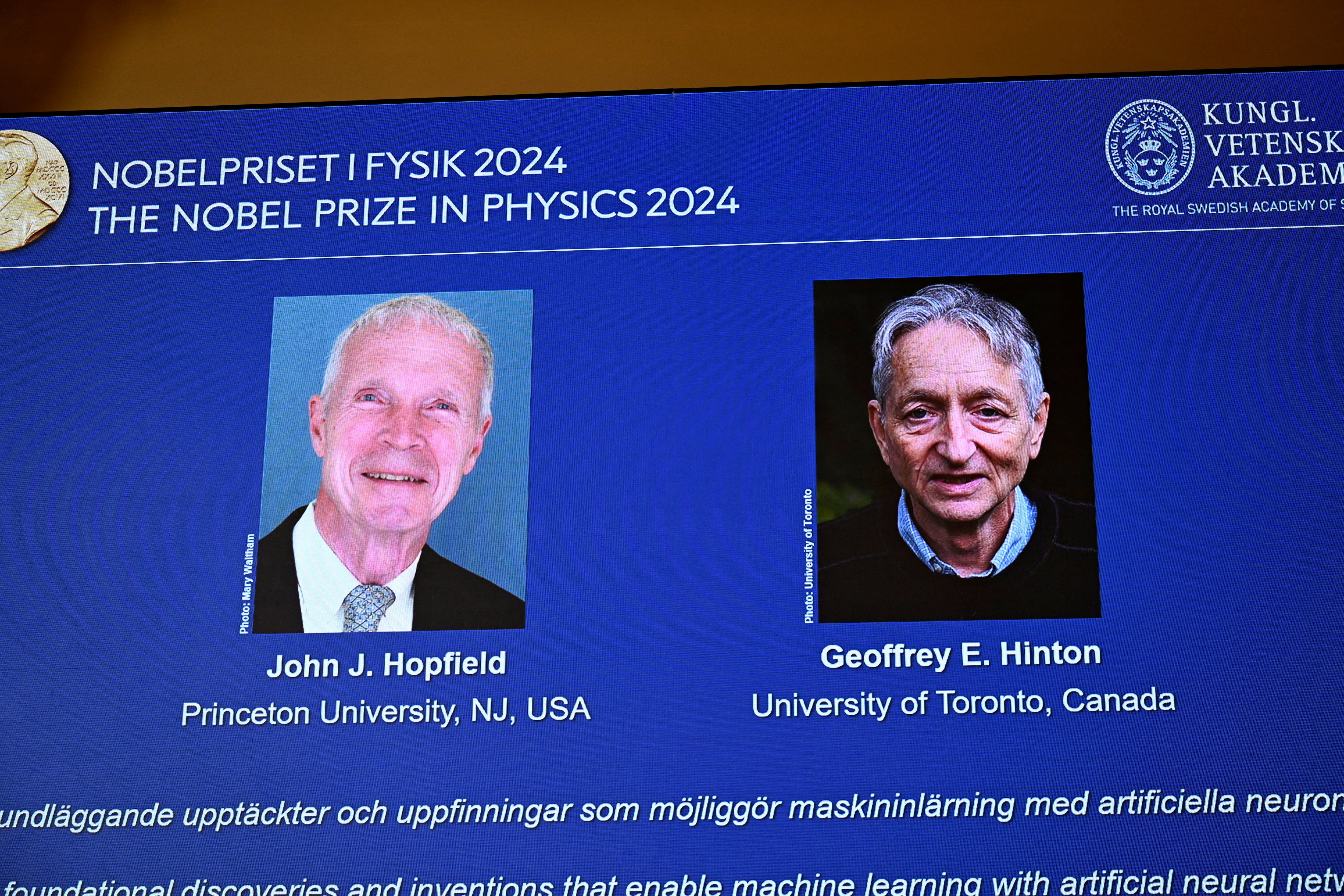
John Hopfield and Geoffrey Hinton won for discoveries that paved the way for the AI boom.
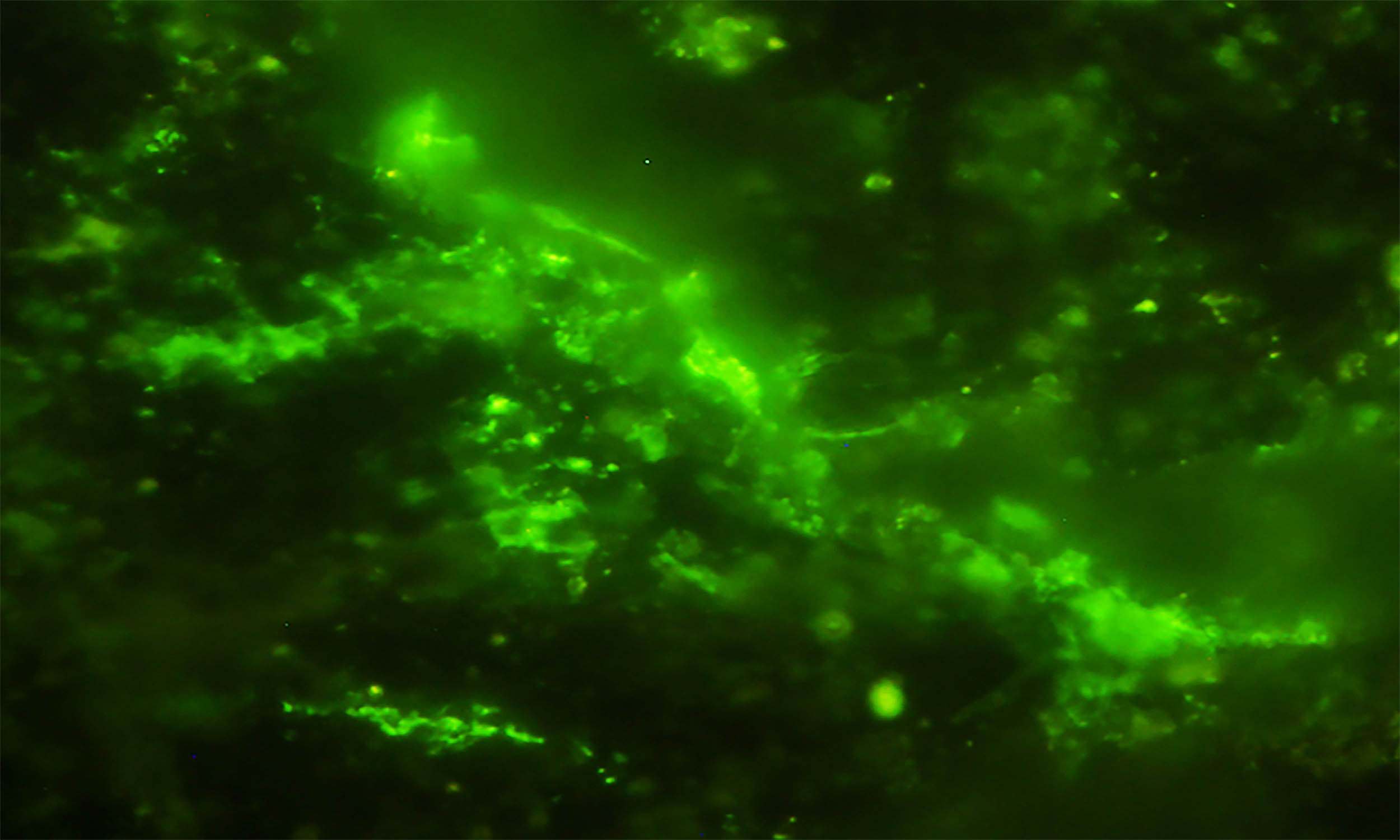
Deep beneath the Earth’s surface, an extraordinary discovery has been made. Microbes — alive and thriving — have been found sealed within a fracture of 2-billion-year-old rock.
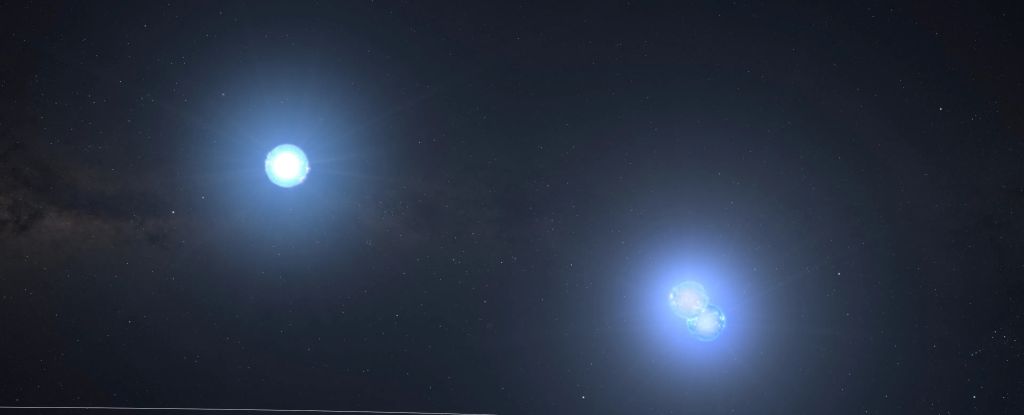
TIC 290061484 is a system of gravitationally bound stars consisting of a tightly-orbiting binary pair with a third star that circles both. Astonishingly, they're so close together the entire system would fit inside the orbit of Mercury.
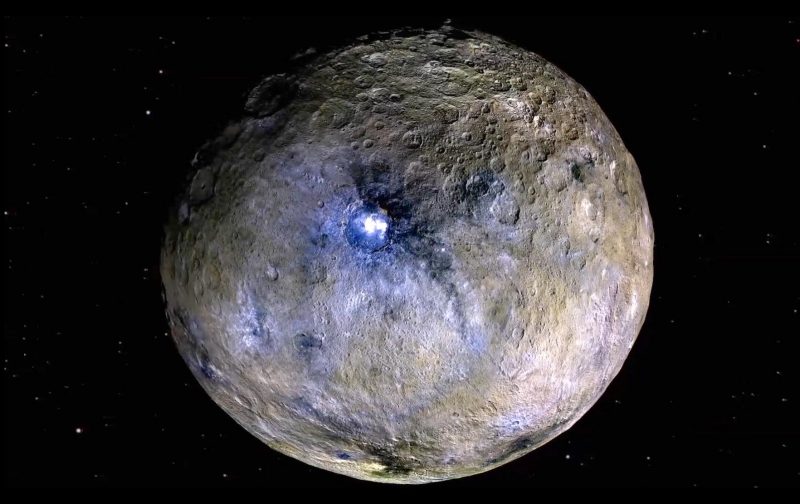
Ceres’ crust is probably made from 90% ice today. Using data from NASA’s Dawn mission, scientists found it was likely once a muddy ocean world.

Supermassive black holes are some of the most impressive objects in the universe - with masses around one billion times more than that of the Sun.
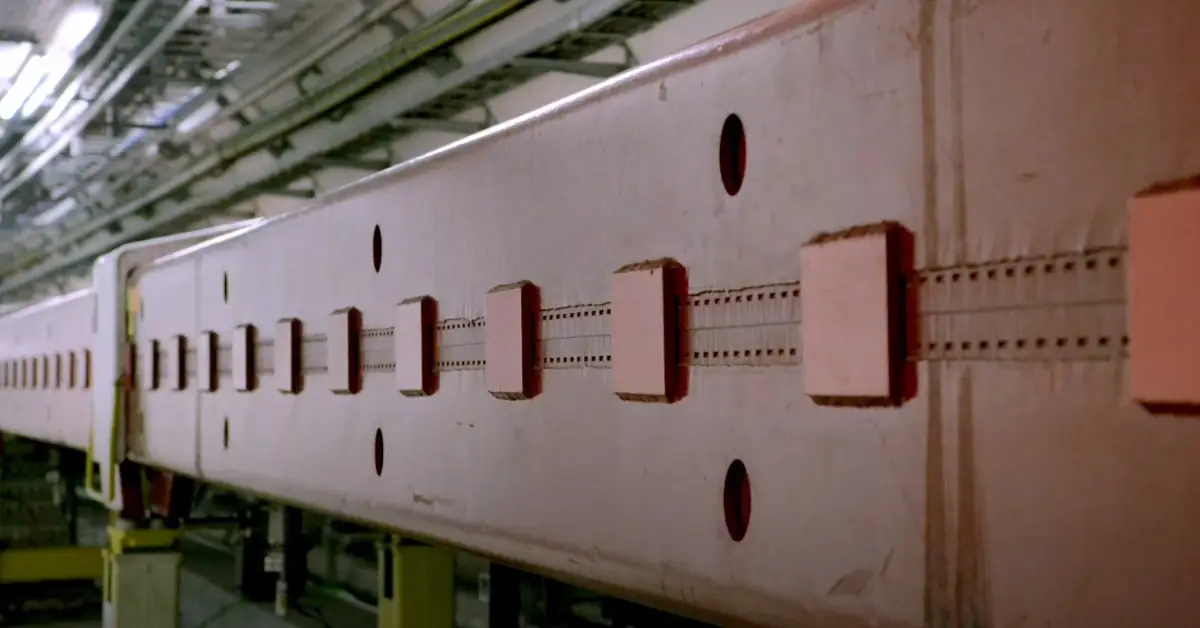
This discovery may shed light on new physics, taking us closer to breakthroughs in particle interactions beyond the Standard Model.
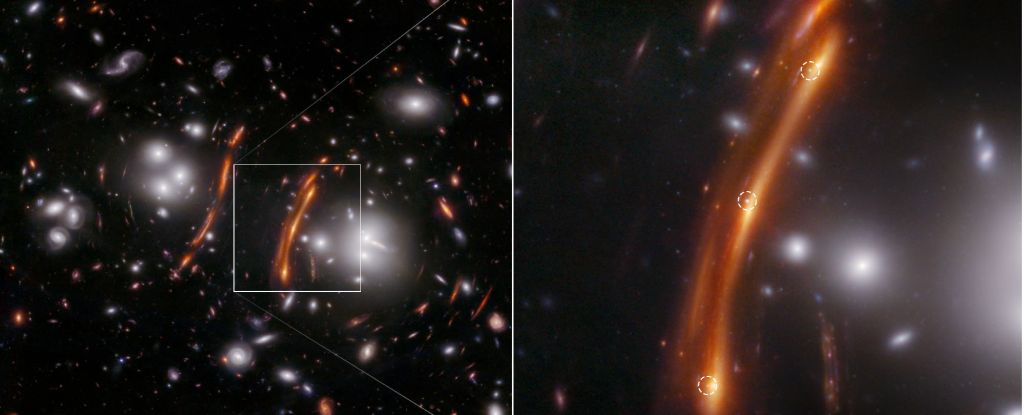
The light of a supernova that has traveled for 10 billion years to reach us has given us a new measurement of the Hubble constant - the accelerating rate at which the Universe is expanding.
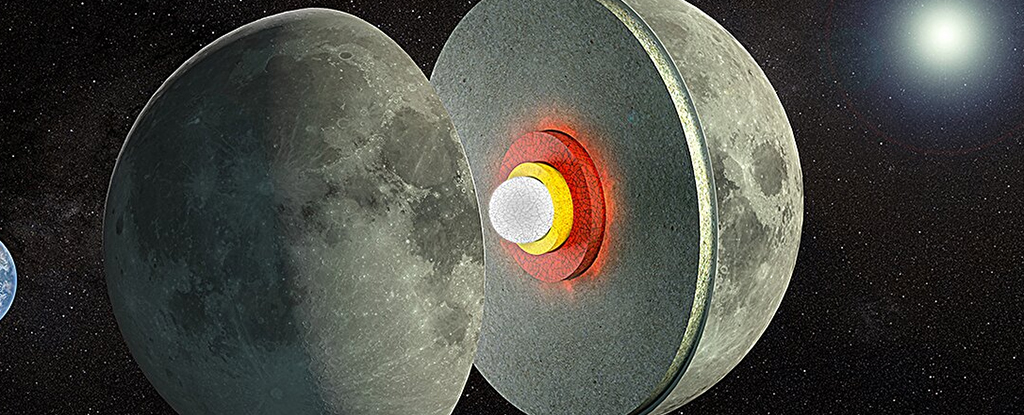
Researchers analyzed new data describing the Moon's rigidity under the gravitational influence of Earth and the Sun, finding its mass is unlikely to be solid all the way through.
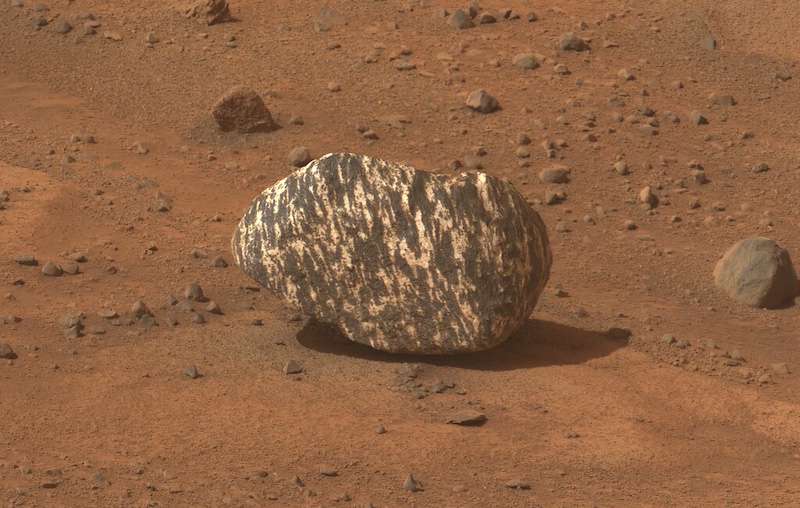
The science team thinks that igneous and/or metamorphic processes likely formed the rock.
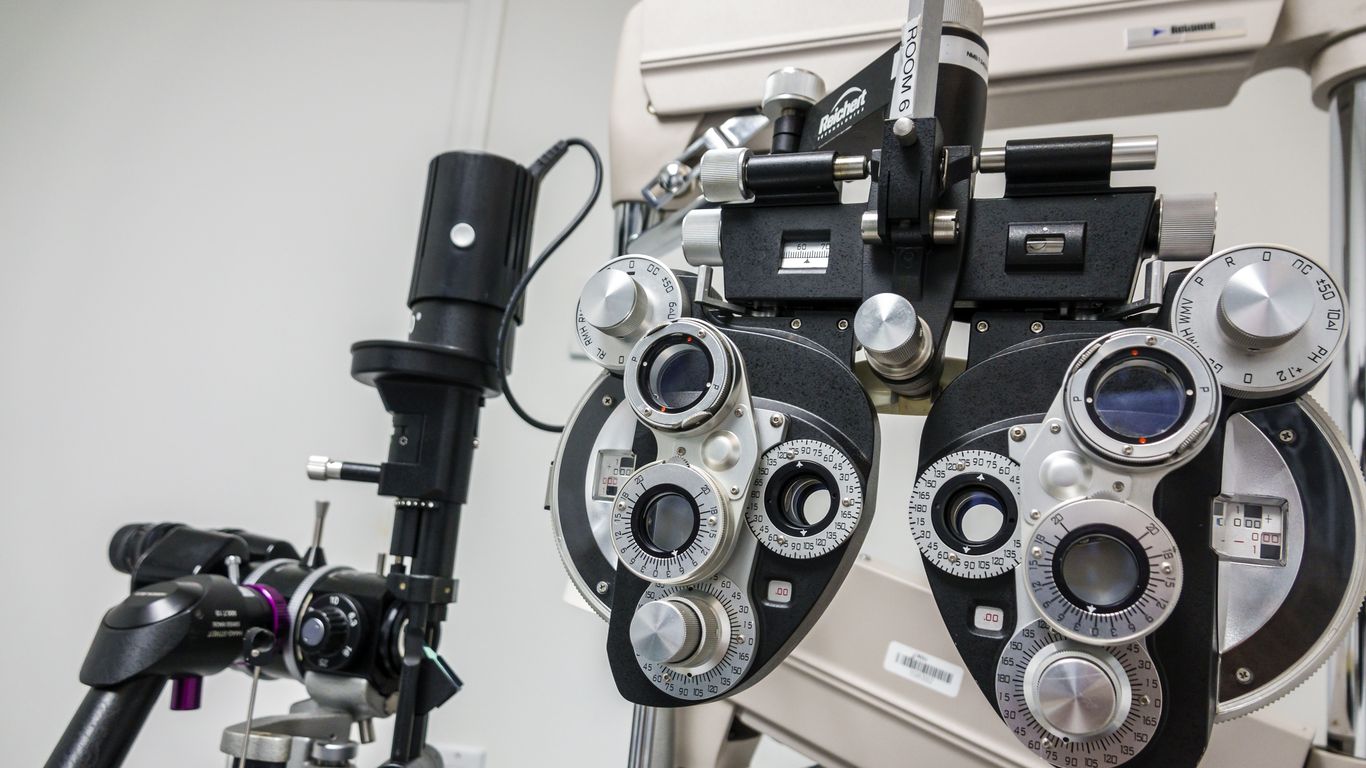
Approximately one-third of children and teens worldwide are nearsighted — a figure that's more than three times higher than it was in 1990, according to a UK study.
Our planet will only remain able to provide even the most basic standard of living for everyone in the future if economic systems and technologies are dramatically transformed and critical resources are more fairly used, managed and shared.
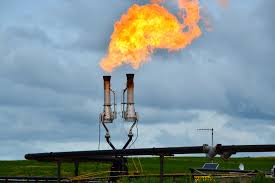
Methane concentrations in Earth's atmosphere increased at record speed over the past five years. At least two-thirds of annual methane emissions now come from human activities.
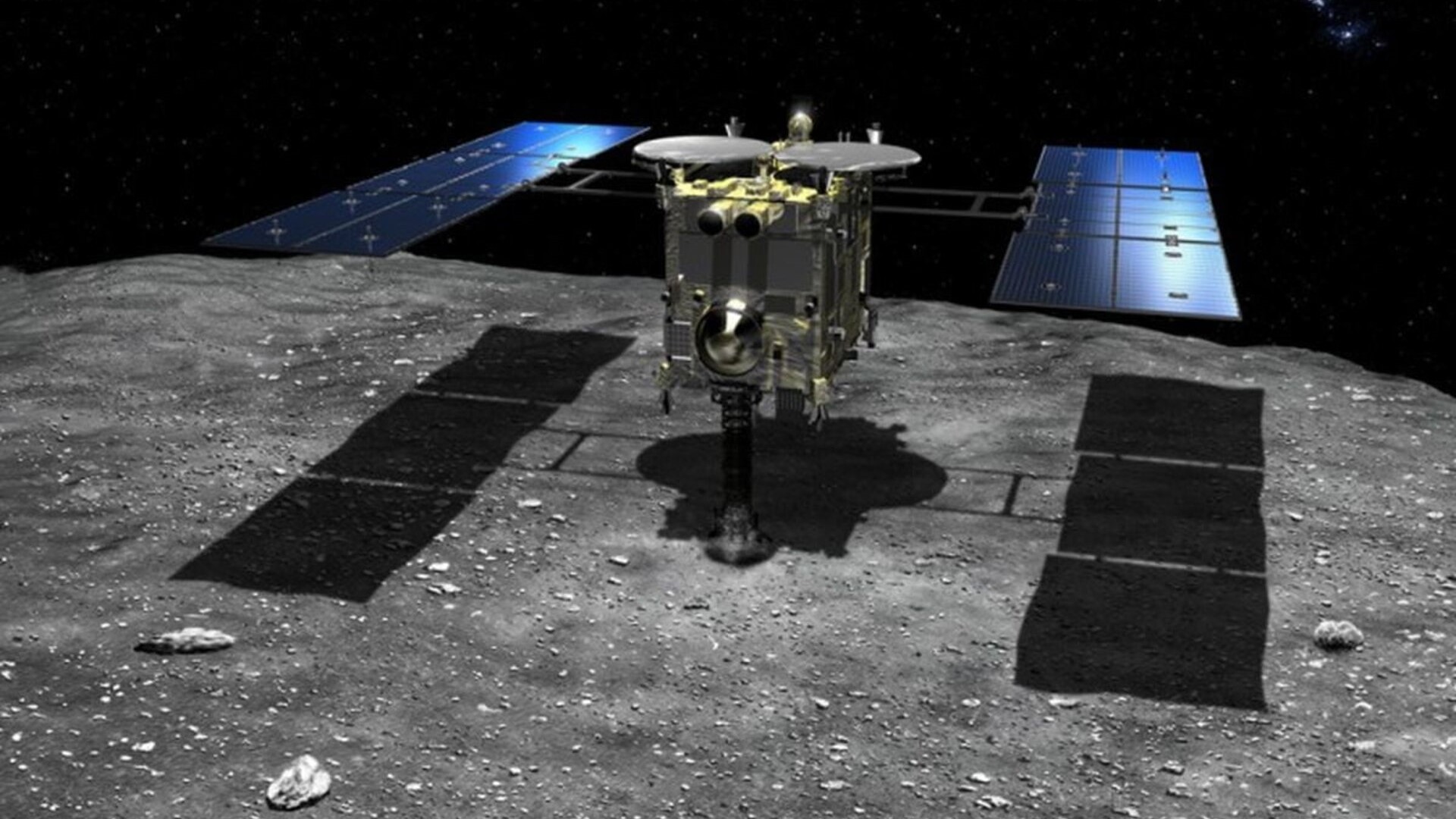
Asteroid Ryugu possibly did not travel as far from its place of origin to its current near-Earth orbit as previously assumed. New research suggests that Ryugu was formed near Jupiter.


