

This means that astronauts may not be tied to visiting the lunar south pole on future missions to acquire water. Instead, they may be able to find water everywhere on the Moon.
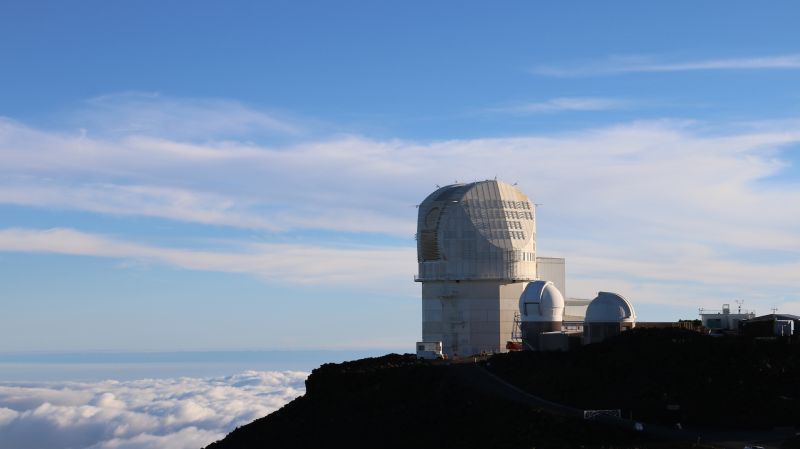
Researchers at the U.S. National Science Foundation National Solar Observatory have successfully mapped the magnetic fields of the sun's atmospheric corona.
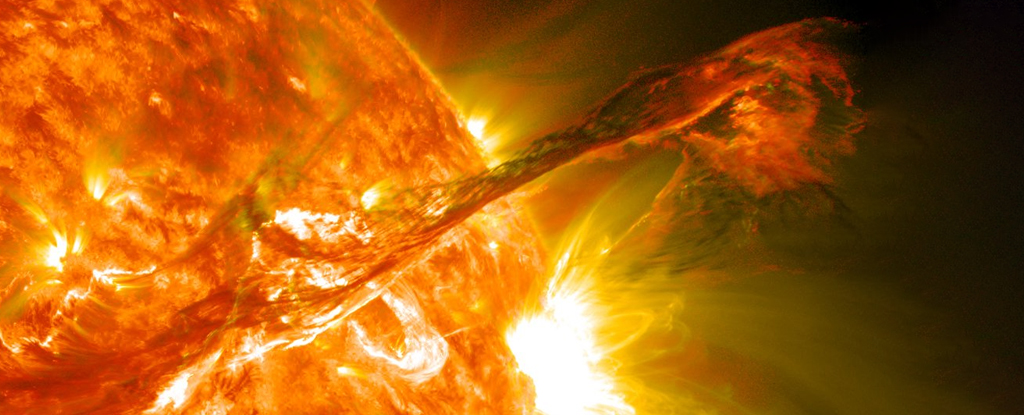
Extreme solar storms could spell disaster for our highly technological society because they have the potential to damage satellites and bring down communications networks and global electricity grids.
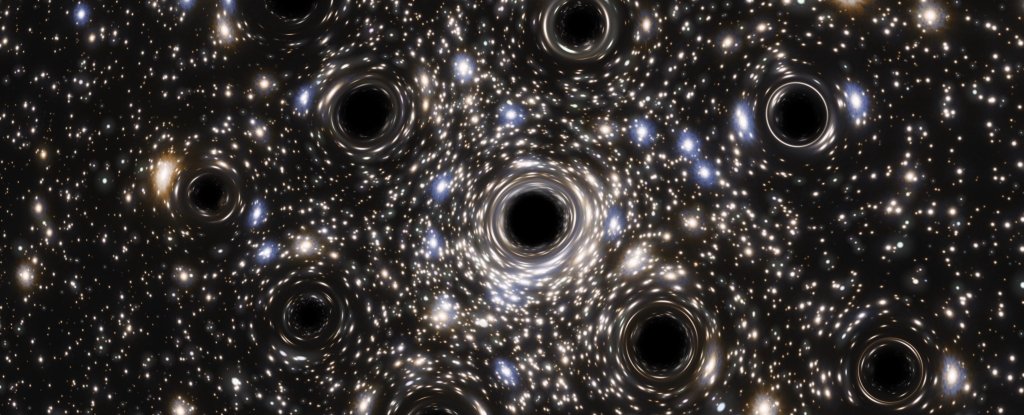
A fluffy cluster of stars spilling across the sky may have a secret hidden in its heart: a swarm of over 100 stellar-mass black holes.

Researchers at MIT suggest that the microscopic "primordial black holes" could be blasting through our solar system at least once a decade.

Commerical self-driving cars are no longer a fantasy. Tens of thousands of paying customers are trusting them for rides on congested city streets.

The sea surface temperature in the Fijian archipelago in the southwestern Pacific is now at its maximum for more than 600 years.

The largest known black hole jets, 23 million light years across, have been discovered in the distant universe.
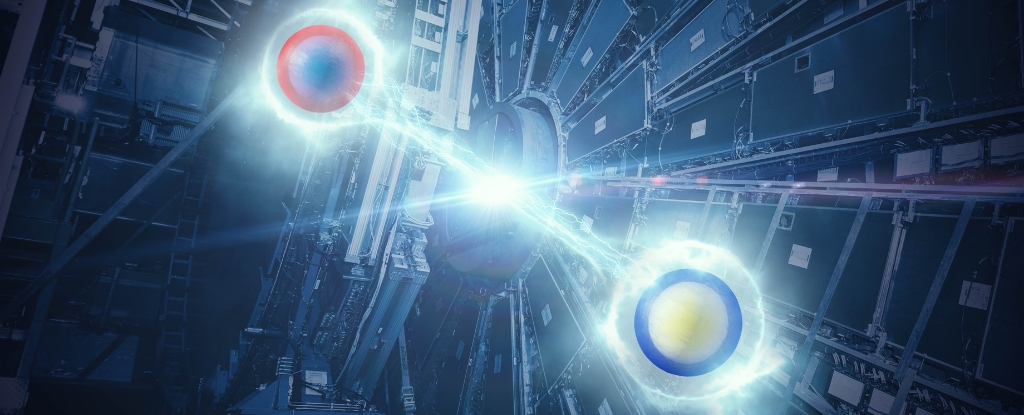
At the Large Hadron Collider in Geneva, the world's largest particle accelerator, an experiment called ATLAS has just found entanglement in pairs of top quarks: the heaviest particles known to science.

The study sheds light on the widespread human exposure to food contact chemicals that could be detected in human samples, such as urine, blood, and breast milk.

Recent science is showing plant communication systems may be more complex than we imagined.
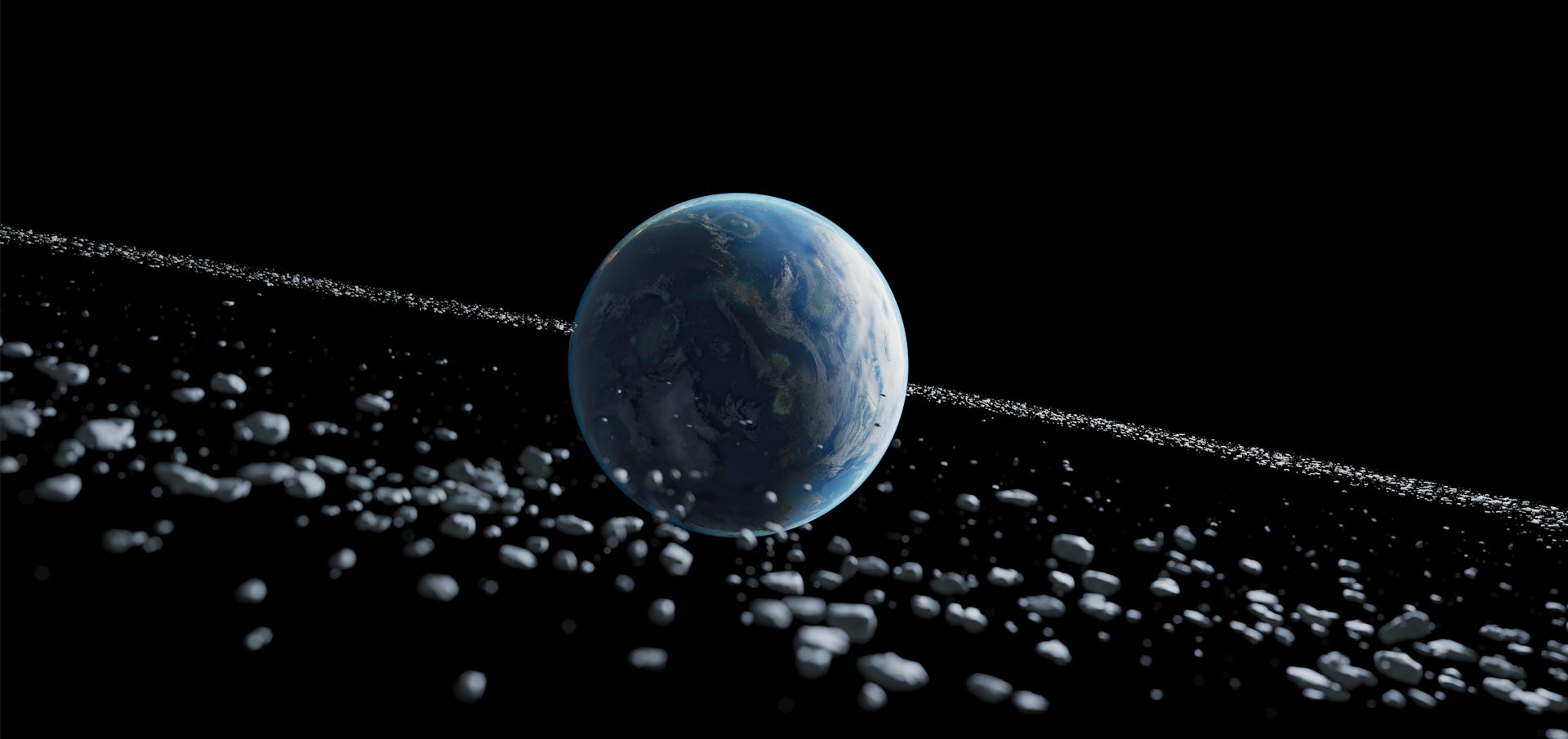
The rings of Saturn are some of the most famous and spectacular objects in the Solar System. Earth may once have had something similar.

A full DNA computer is a step closer, thanks to a new technology that could store petabytes of data in DNA for thousands or even millions of years. The system can also process data, as demonstrated by solving sudoku puzzles.
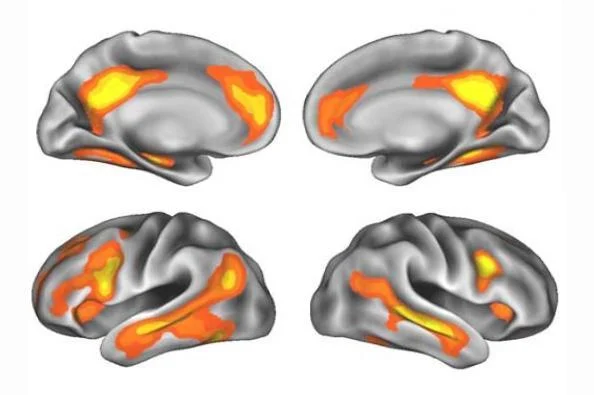
Neuroscientists scanned the brain of a pregnant woman and captured a 'widespread reorganization' of her brain before, during and after pregnancy.
In their experiments, German physicists observed the dimensional crossover from one to two dimensions in a harmonically trapped gas of photons (light particles) and studied its properties.


