
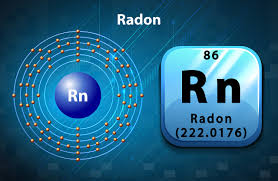
A study of more than 700 counties across multiple U.S. states found a link between childhood leukemia and levels of decaying radon gas, including those lower than the federal guideline for mitigation.

A new study documents how Southern Californians in U.S. are chronically being exposed to toxic airborne chemicals called plasticizers, including one that's been banned from children's items and beauty products.
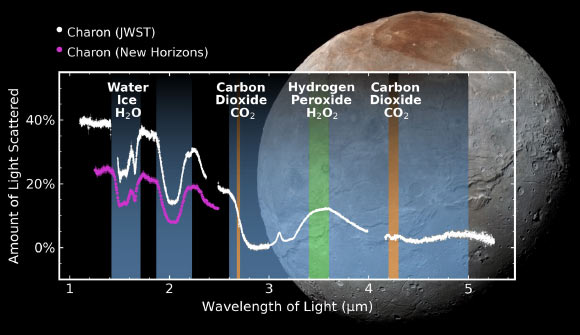
Using data from the Near-Infrared Spectrograph onboard the NASA/ESA/CSA James Webb Space Telescope, astronomers have detected carbon dioxide and hydrogen peroxide on the frozen surface of Pluto's moon Charon.
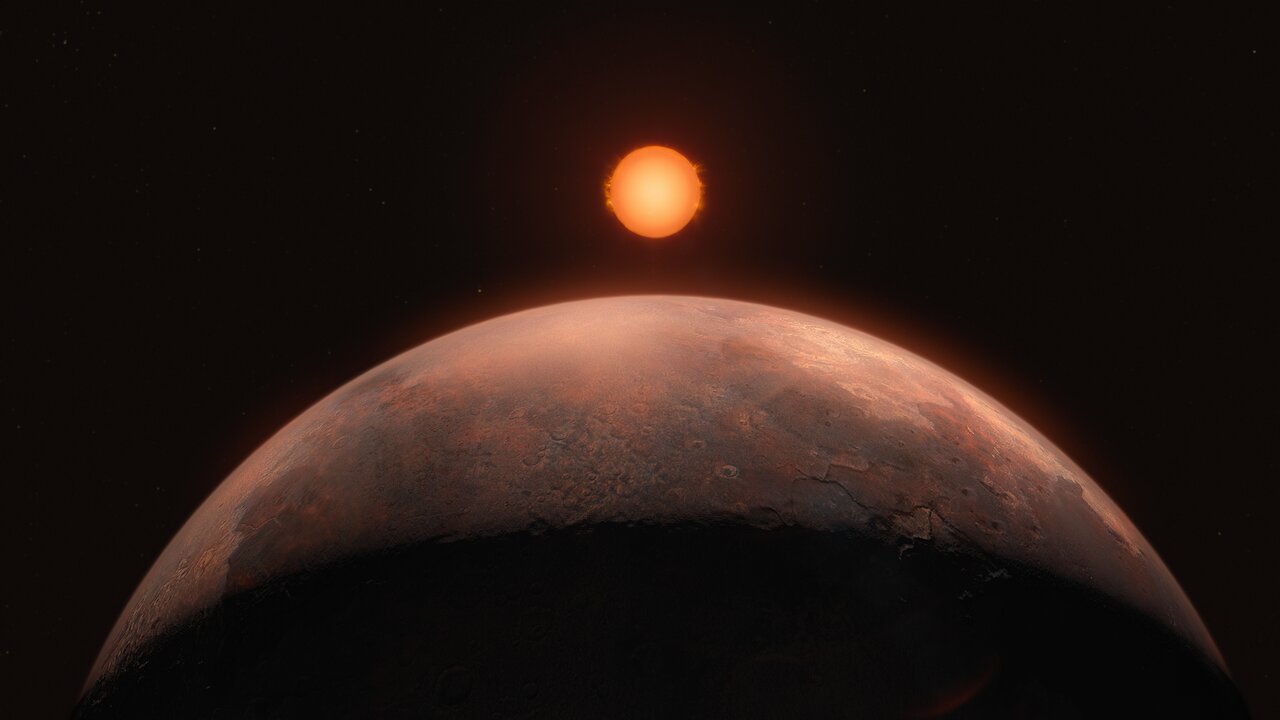
Using the European Southern Observatory's Very Large Telescope, astronomers have discovered an exoplanet orbiting Barnard's star, the closest single star to our Sun.
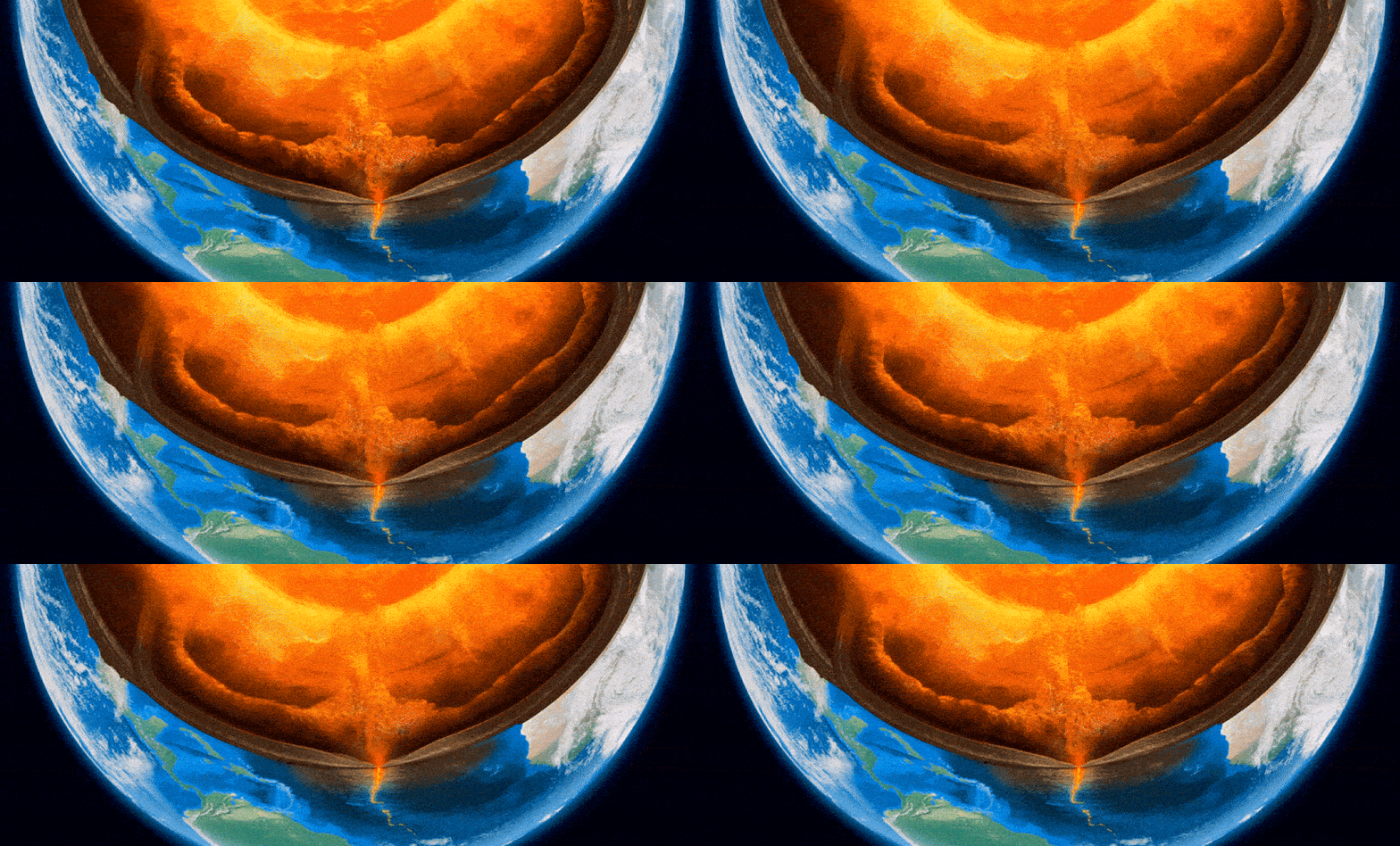
Scientists have now identified a strange slice of Earth deep below the Pacific that may explain why this region is currently creating the world's fastest spreading ocean ridge – the East Pacific Rise.

New research has found that mindfulness meditation reduces pain by engaging a distinct brain pathway, separate from the pathway activated by a placebo.
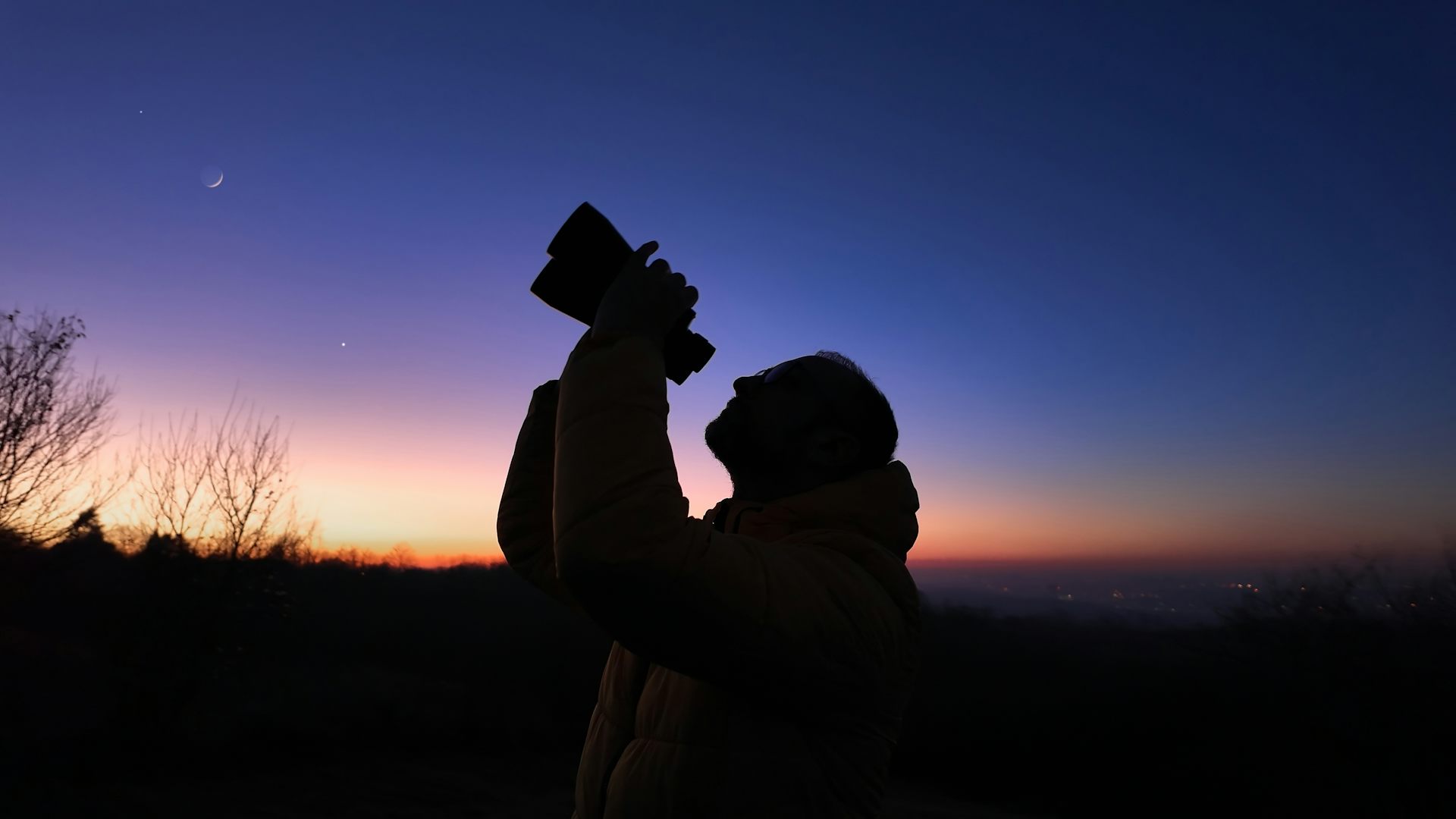
Comet C/2023 A3 (Tsuchinshan-ATLAS) is expected to be the brightest spectacle of 2024.
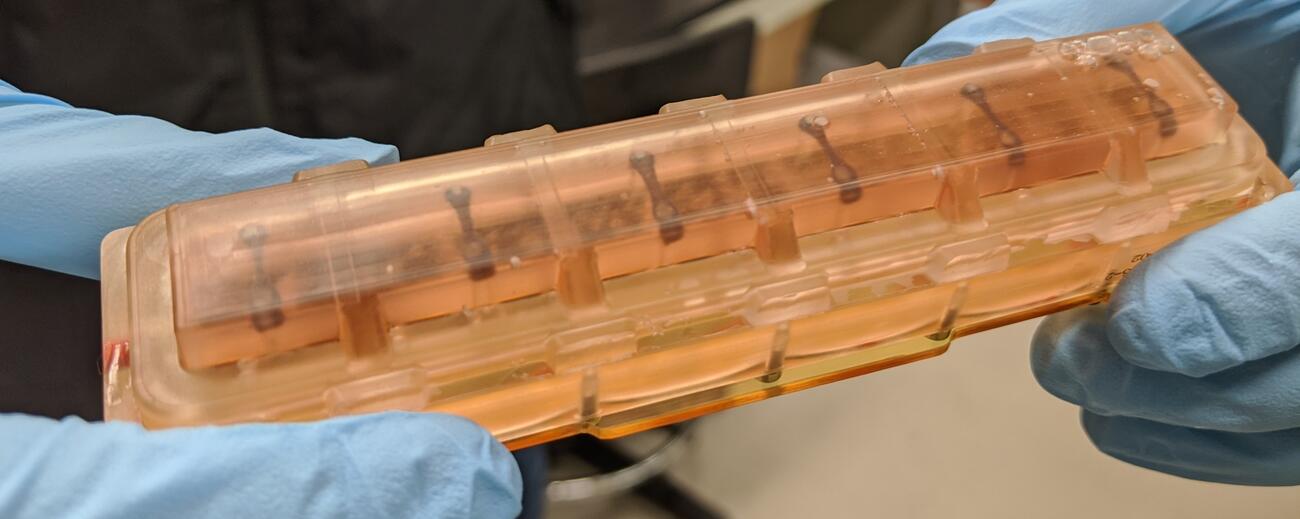
New research finds that heart tissues aboard the space station beat about half as strong as on Earth.

If quantum communication exists, that could be a win for advanced technologies on our planet, but the process would make it impossible for us to detect it without some serious equipment upgrades.
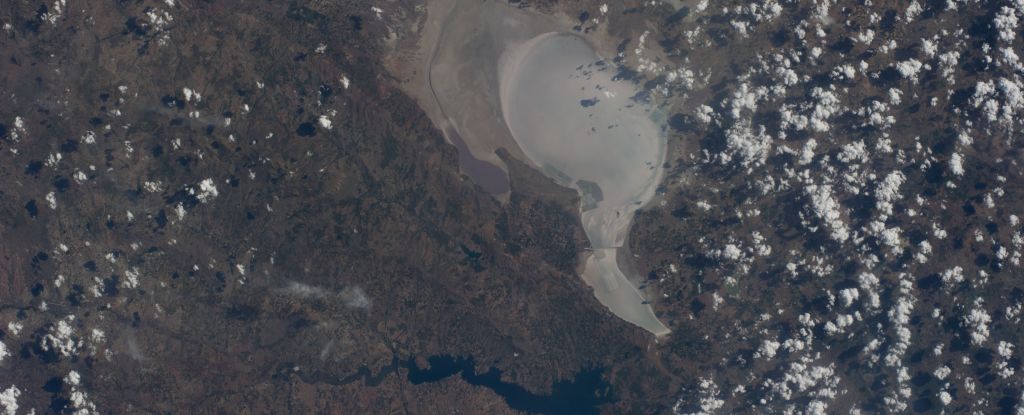
Crinkles and divots in the surface of Earth on Türkiye's Central Anatolian Plateau are the smoking gun for a newly discovered class of plate tectonics.
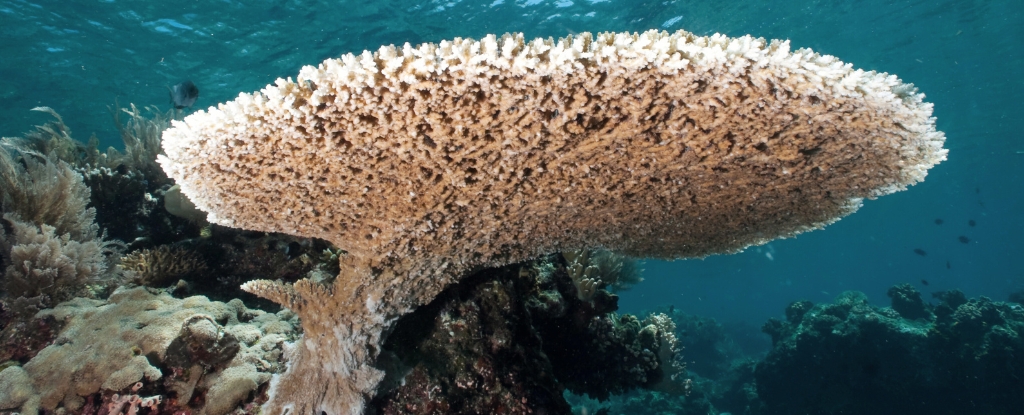
Surprising new evidence of variable heat tolerance in corals was discovered recently. As the world's oceans warm, these differences are important.
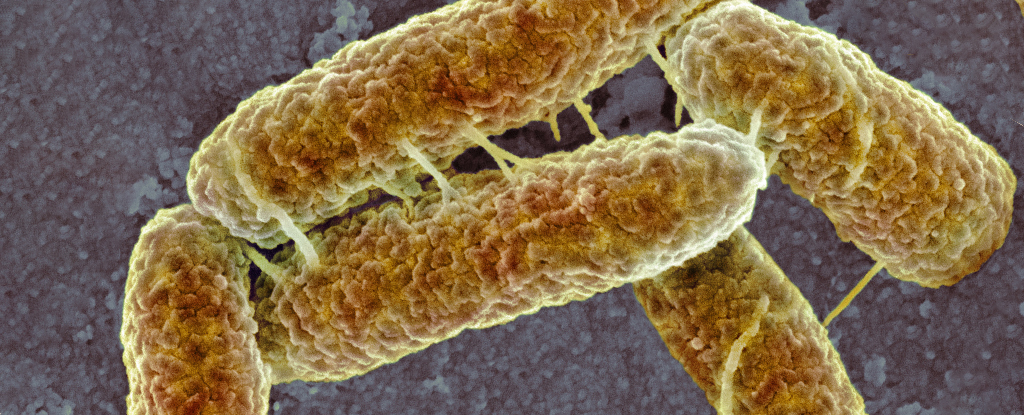
Bacteria can develop a heightened new sensitivity to acid levels when exposed to different environmental extremes in the laboratory, a new study shows.
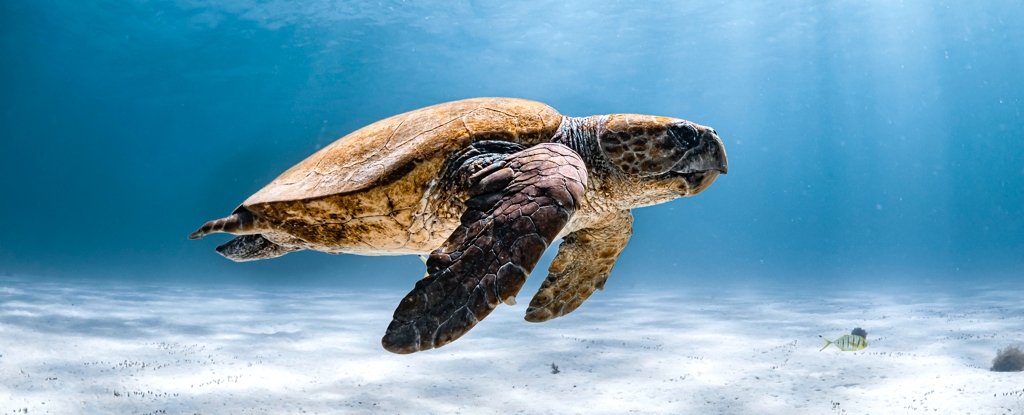
Even with rapid emission cuts, some level of continued acidification may be unavoidable due to the CO2 already emitted and the time it takes for the ocean system to respond.

A newly discovered cluster-scale strong gravitational lens, with a rare alignment of seven background lensed galaxies, provides a unique opportunity to study cosmology.
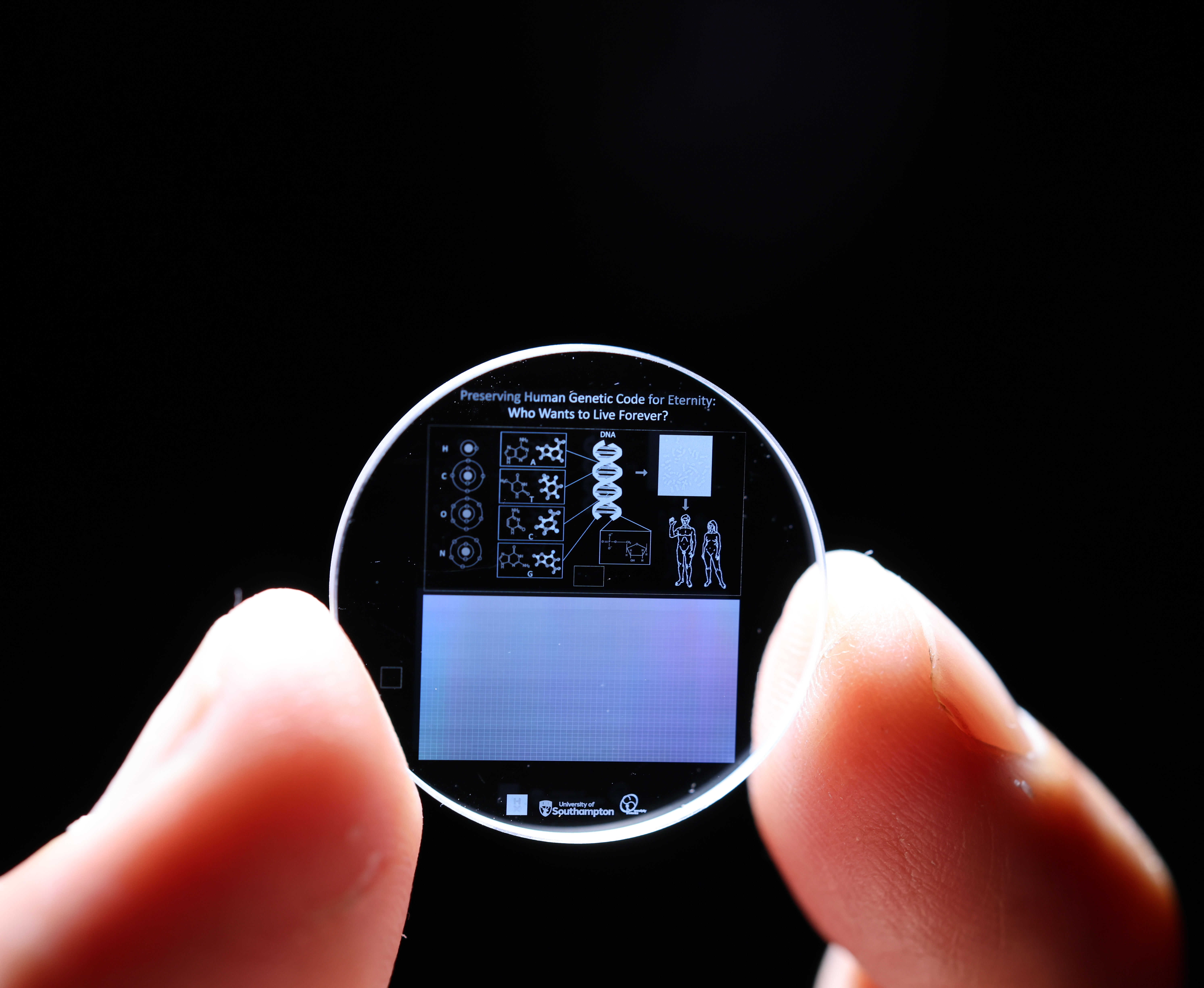
UK scientists have stored the full human genome on a 5D memory crystal - a revolutionary data storage format that can survive for billions of years.


